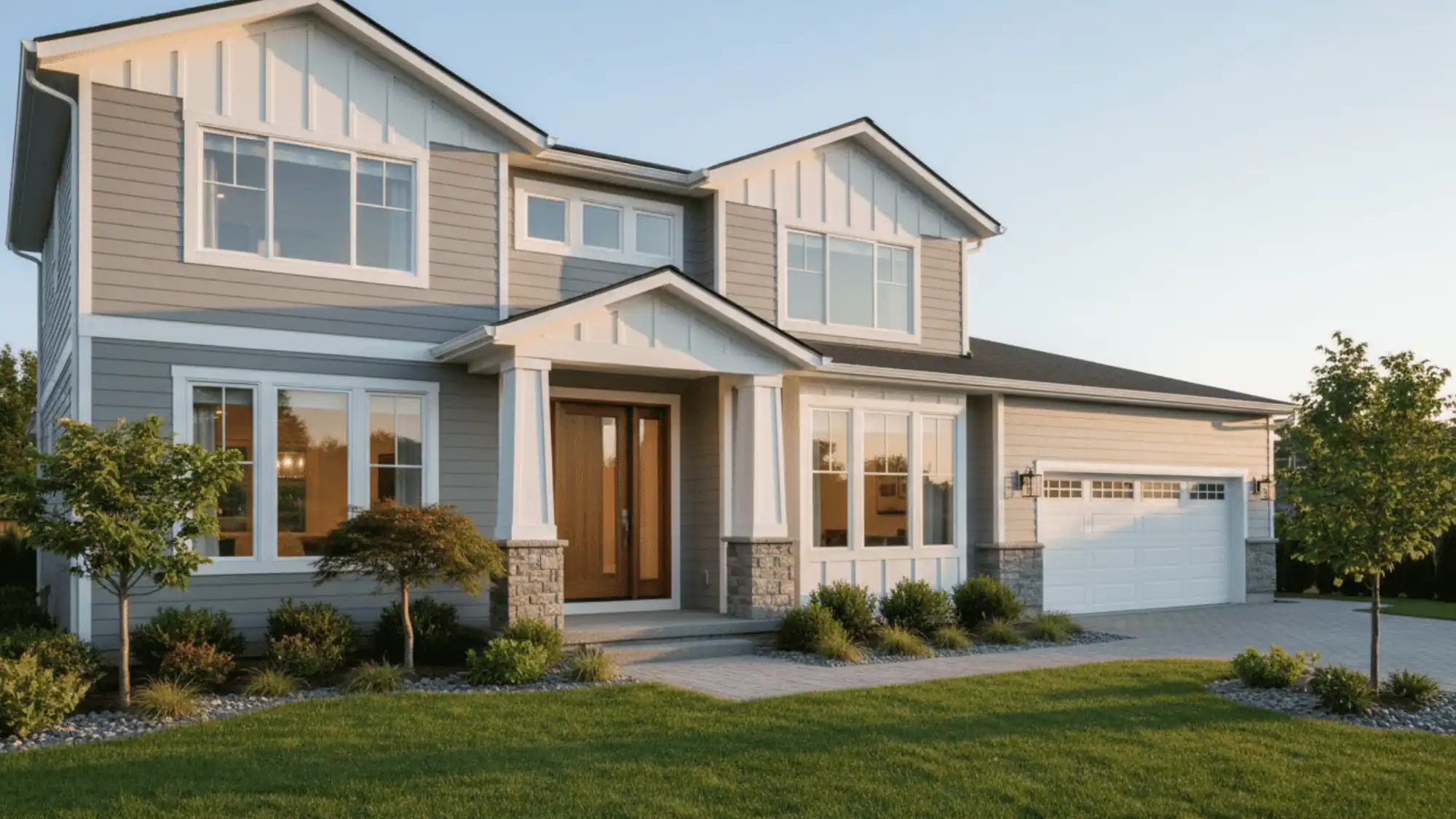

Cracks in concrete driveways or foundations might seem minor, but they can grow into expensive problems if left untreated.
Repairing them quickly keeps your home safe, prevents further damage, and saves money in the long run.
Before starting any repair project, it helps to understand what affects the concrete crack repair cost, from the size and type of crack to the method and labor involved.
Knowing these details helps homeowners budget wisely and choose between DIY fixes and professional services with confidence.
Why Does Concrete Crack?
Concrete naturally expands and contracts as temperatures rise and fall, causing surface tension that leads to cracking over time.
Heavy loads, such as vehicles or construction equipment, can also cause stress that fractures the surface.
Poor installation, such as using the wrong concrete mix or skipping reinforcement, weakens the slab from the start.
In some cases, shifting soil beneath the foundation or driveway causes uneven movement and visible cracks. Aging also contributes, as materials lose strength and flexibility with time.
Once you understand the causes, it’s easier to choose the right repair method and manage the cost of concrete crack repair more effectively.
Signs You Need Concrete Crack Repair
Watch for these warning signs that show your concrete may need timely repair.
| Sign | What It Means | Recommended Action |
|---|---|---|
| Widening Cracks | Cracks getting larger or deeper over time indicate ongoing stress or shifting. | Schedule a professional inspection before the damage spreads. |
| Uneven Surfaces | Concrete slabs rising or sinking unevenly suggest soil movement or settling. | Consider slabjacking or resurfacing to level the area. |
| Moisture Seepage | Water entering through cracks can weaken foundations and promote mold. | Seal cracks quickly and improve drainage around the area. |
| Crumbling Edges | Edges breaking down show structural wear and loss of surface strength. | Patch and seal the affected area to prevent further decay. |
| Sticking Doors or Windows Nearby | Shifting concrete can affect nearby frames or alignment. | Consult a structural expert to assess foundation stability. |
| Water Pooling Near Foundation | Standing water signals poor drainage and potential erosion issues. | Fix grading or drainage and repair affected concrete immediately. |
Addressing these warning signs early prevents long-term structural damage and helps control overall concrete repair costs.
Factors That Affect Concrete Crack Repair Cost
Several key factors influence the final repair cost:
- Crack Width and Depth: Wider or deeper cracks require more material and time to fill.
- Repair Method: Epoxy injections, patching, resurfacing, or replacement all have different price ranges.
- Accessibility: Hard-to-reach or uneven areas may require extra labor and equipment.
- Labor Rates: Costs vary by region; urban areas often charge more than rural locations.
- Damage Severity: Superficial cracks are cheaper to fix, while structural issues cost more due to reinforcement needs.
Average Concrete Crack Repair Cost Overview

The cost of concrete crack repair can vary depending on the size and severity of the damage.
For small hairline cracks or minor surface repairs, homeowners can expect to pay around $100 to $300.
Medium cracks, about ¼–½ inch wide, usually range between $300 and $800, depending on the repair method.
Large or structural cracks, especially in driveways or foundations, can cost anywhere from $800 to over $2,000 due to the added labor and materials.
On average, the concrete repair cost in the U.S. falls between $4 and $10 per square foot. Prices can vary by location, with urban areas and regions with higher labor rates typically costing more.
Concrete Driveway Repair Cost Breakdown
Driveway repairs are among the most common concrete projects, and costs vary depending on the method used and the extent of the damage.
| Method | Description | Average Cost (Approx.) | Best For | Benefit |
|---|---|---|---|---|
| Patching | Fills small surface cracks using sealants or fillers. | $3–$5 per sq. ft. | Minor, early cracks | Stops spreading and moisture damage. |
| Resurfacing | Adds a new layer over worn or cracked concrete. | $4–$10 per sq. ft. | Multiple or medium cracks | Improves appearance and extends lifespan. |
| Slabjacking (Mudjacking) | Lifts sunken concrete using pressure-injected grout. | $6–$12 per sq. ft. | Uneven or sinking sections | Levels slabs without full replacement. |
| Replacement | Removes and replaces severely damaged concrete. | $2,000–$6,000+ | Deep or structural cracks | Longest-lasting and most durable solution. |
DIY Concrete Crack Repair Cost

For hands-on homeowners, DIY repairs can be a cost-effective option for minor cracks.
Basic materials like sealant, epoxy filler, a trowel, and safety gear usually cost $10–$50 per crack or $1–$3 per square foot.
DIY repairs save money and are satisfying to complete, but their success depends on the crack’s size and the person’s skill level.
Pros:
- Cost-effective and easy for small cracks.
- Offers a sense of accomplishment.
Cons:
- Limited durability compared to professional repairs.
- Mistakes can worsen damage or waste materials.
Example: Sealing a few small driveway cracks may cost under $50, while fixing a foundation crack with professional epoxy injection could exceed $800
Professional Concrete Crack Repair Cost
Hiring a professional for concrete crack repair typically costs between $4 and $10 per square foot, depending on the crack size and repair method.
This price usually includes labor, materials, inspection, and post-repair cleanup. Professionals use advanced tools and techniques to ensure lasting results.
Their expertise often leads to stronger, more durable repairs backed by warranties. However, costs can vary based on location and company reputation.
Pros:
- High-quality results: Repairs are durable and professionally finished.
- Warranty coverage: Many contractors guarantee their work for added peace of mind.
Cons:
- Higher upfront cost: More expensive than DIY repairs.
- Scheduling delays: Busy contractors may not be immediately available.
Comparing DIY vs. Professional Repairs
DIY concrete crack repairs suit small, shallow cracks and save money, while professional repairs cost more but ensure durability, quality, and safety for larger or structural damage.
| Factor | DIY Repair | Professional Repair |
|---|---|---|
| Cost | $10–$50 per crack | $4–$10 per sq. ft. |
| Time | Several hours | 1–2 days |
| Quality | Basic | High and precise |
| Longevity | Short to medium-term | Long-term durability |
| Risk | Higher chance of mistakes | Minimal with experts |
Tips to Save on Concrete Repair Costs
No matter which method you choose, these simple habits can help reduce repair expenses and extend your concrete’s lifespan:
- Seal Regularly: Apply a concrete sealer every few years to prevent moisture damage.
- Inspect Often: Check for small cracks early to fix them before they spread.
- Plan Repairs During Off-Season: Contractors may offer discounts in early spring or fall.
- Use Local Contractors: Local companies often charge less for travel and setup.
- Compare Estimates: Get multiple quotes to ensure fair pricing.
- Maintain Drainage: Keep water away from slabs to prevent erosion or frost cracking.
- Fix Early: Repair small cracks promptly to avoid major structural damage later.
Conclusion
Fixing concrete cracks isn’t just about appearance; it’s about protecting your property’s structure and value.
Small cracks can often be sealed easily, while larger or deeper ones need expert attention.
Plan repairs early, compare quotes, and focus on regular maintenance to prevent new cracks from forming.
With the right approach and timely action, you can keep your concrete strong, durable, and looking great, without spending more than necessary.