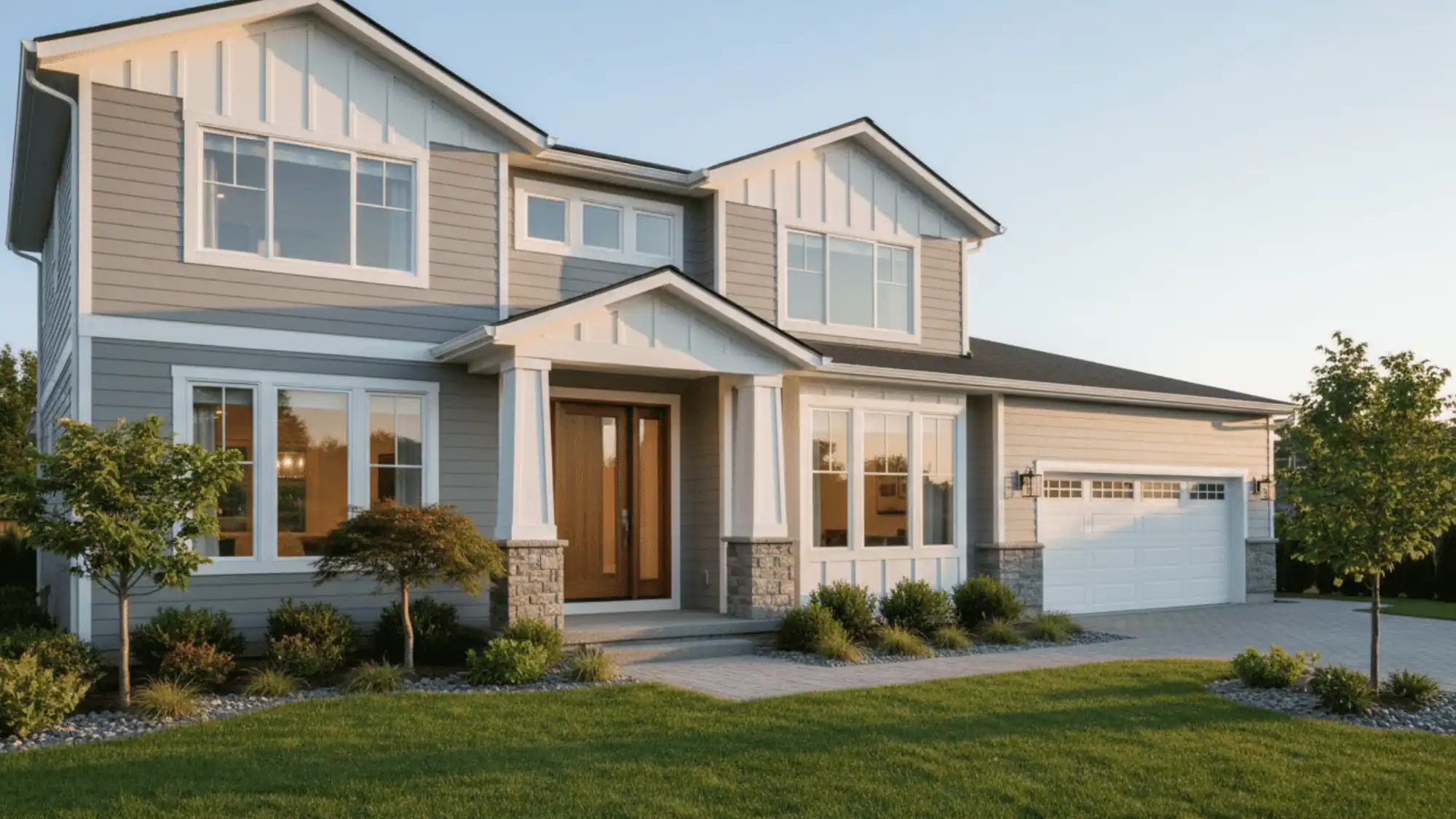

Thinking about expanding your home with more parking and storage space?
Understanding the true expenses of adding a garage helps you budget accurately and plan your project with confidence from the start.
Even if you need a single-car carport or a spacious three-car structure with workshop space, knowing typical costs prevents financial surprises during construction.
This will help you by providing a breakdown of garage addition expenses by size, type, and region, enabling you to make informed decisions about your project and determine if this improvement fits your budget and property needs.
Key Benefits of Adding a Garage to Your Home
Adding a garage protects vehicles from harsh weather elements like hail, snow, sun damage, and tree debris that reduce car value over time.
Covered parking extends vehicle lifespan by preventing rust, paint fading, and interior deterioration from constant outdoor exposure.
Garages provide secure storage for expensive tools, lawn equipment, and sporting goods that otherwise clutter basements or sheds. The additional space significantly increases home resale value, as most buyers prefer homes with protected parking options.
Climate-controlled structures can serve as workshops, home gyms, or hobby spaces beyond simple vehicle storage purposes.
Security benefits include protecting valuables from theft and providing direct indoor access through connecting doors for safer entry during bad weather.
Steps to Add a Garage to Your Existing House

Building a garage involves careful planning, permits, design decisions, and construction phases that require coordination and proper execution throughout.
Step 1: Research Zoning Laws and Obtain Necessary Permits
Research your municipality’s zoning regulations regarding setback requirements, maximum structure height, and lot coverage limitations before beginning any garage addition project.
Visit your local building department to understand specific permit requirements, application fees, and inspection schedules.
Ensure your property boundaries accommodate the planned structure without violating easements or encroaching on neighboring properties.
Disclaimer: Homeowners must comply with all local building codes and obtain necessary permits before starting their garage addition project. Failure to do so may result in fines, delays, or legal issues.
Step 2: Choose Location, Type, and Design Structure
Decide even if an attached or detached addition of a garage best suits your property layout, budget, and daily needs while considering driveway access and drainage patterns.
Work with engineers to create plans meeting building codes while incorporating your storage requirements and vehicle capacity.
Select exterior materials matching your home’s existing finishes for a cohesive appearance and choose insulation levels based on climate.
Step 3: Select Quality Materials and Finalize Plans
Choose durable materials, including foundation concrete, framing lumber, roofing shingles, siding options, and garage doors that fit your budget and aesthetic preferences.
Finalize electrical requirements, including outlets, lighting fixtures, and potential future needs, before construction begins.
Consider insulation levels for energy efficiency. Review all material selections with your contractor to ensure availability before construction.
Step 4: Hire Licensed Contractors and Begin Construction
Obtain multiple bids from licensed contractors specializing in garage additions, checking references, and verifying insurance coverage before signing any contracts or agreements.
Schedule construction during favorable weather months when possible to avoid delays throughout the building process.
Contractors will excavate the site, frame walls, install roofing, add doors, and then complete electrical work according to approved plans.
Step 5: Monitor Progress and Maintain Quality Standards
Conduct regular site visits to ensure work meets your expectations and follows approved plans throughout each construction phase, from foundation to finishing.
Communicate promptly with contractors about any concerns or modifications needed during the building process.
Verify materials match specifications and workmanship meets professional standards.
Step 6: Complete Finishing Touches and Pass Final Inspection
After the main construction finishes, add finishing elements like interior paint, flooring treatments, shelving systems, and automatic garage door openers for full functionality.
Install proper ventilation, adequate lighting, and any specialized features like workbenches or storage cabinets you planned originally.
Schedule final building inspection to ensure all work meets code requirements and obtain a certificate of occupancy.
Garage Addition Cost by Size and Type

Garage construction expenses vary significantly based on square footage, even if attached or detached, and include features like storage or living space above.
| Garage Size/Type | Single Car (12×20) | Two Car (20×20) | Two Car (24×24) | Three Car (30×20) |
|---|---|---|---|---|
| Detached | Around $30,000 – $45,000 | Around $40,000 – $60,000 | Around $50,000 – $75,000 | Around $60,000 – $90,000 |
| Attached | Around $35,000 – $50,000 | Around $50,000 – $70,000 | Around $60,000 – $85,000 | Around $75,000 – $110,000 |
| With Apartment Above | Around $70,000 – $110,000 | Around $90,000 – $140,000 | Around $110,000 – $160,000 | Around $130,000 – $200,000 |
| Converted Carport | Around $15,000 – $30,000 | Around $20,000 – $35,000 | Around $25,000 – $40,000 | Around $30,000 – $50,000 |
Specific Regional Cost Estimates of Garage Addition
Regional variations for adding a garage reflect local labor rates, building codes, material availability, and economic conditions across different areas nationwide.
West Coast cities like San Francisco, Los Angeles, and Seattle see expenses 25% to 45% higher than national averages due to expensive skilled workers and strict building requirements.
Northeast regions, including New York, Boston, and Washington, DC, experience similar premium pricing with projects reaching the upper end of typical ranges.
Midwest and Southern states offer more affordable construction, with the cost to add a garage running 15% to 30% percent below coastal markets, where everything costs more.
Cold climate regions need deeper foundations below frost lines, adding $2000 to $5000 extra.
Major Cost Breakdown in Garage Addition

Understanding where your money goes during garage construction helps you make informed decisions and prioritize spending for the best overall value.
- Foundation work: Concrete slab foundations cost $3 to $7 per square foot for proper base preparation.
- Framing materials: Lumber for walls, roof trusses, and structural supports represents 20% to 30% of total expenses.
- Roofing installation: Shingles, underlayment, and professional labor add around $3000 to $8,000, depending on the structure’s size.
- Garage doors: Single doors cost $800 to $3,000, while double doors range from $1,000 to $5,000 approximately.
- Electrical systems: Wiring, outlets, lighting fixtures, and switches add around $1000 to $3000 for basic setups.
- Permits fees: Building permits, inspections, and required documentation typically range from $500 to $2,000, depending on the municipality.
How Material and Finish Options Affect Cost
The choice of materials and finishes plays a critical role in determining the overall cost of garage construction, as different options vary widely in price, durability, and maintenance requirements.
| Material/Finish | Cost Range (per sq ft) | Key Features |
|---|---|---|
| Vinyl Siding | $3–$8 | Affordable, low maintenance, basic appearance |
| Brick Veneer | $15–$30 | Durable, classic look, higher cost |
| Asphalt Shingles | $1–$3 | Cost-effective, short lifespan |
| Metal Roofing | $7–$12 | Long-lasting, durable, longer lifespan |
| Insulated Structures | +$3–$6 | Improved comfort and usability |
| Concrete Floors | Basic: included | Plain, budget-friendly |
| Decorative (Epoxy/ Stains) | $2–$8 | Aesthetic enhancement |
| Basic Garage Doors | Lower end | Manual, basic features |
| Premium Doors | Higher end | Insulated, with windows and smart features |
Cost-Saving Tips for Garage Additions

Smart strategies help homeowners build quality garages without overspending, making this valuable home improvement more affordable and achievable.
- Detached construction: Build separate structures costing less than attached versions, requiring house integration and matching exterior materials exactly.
- Simple design: Choose basic rectangular shapes, avoiding complex rooflines or architectural embellishments that multiply labor hours unnecessarily.
- Standard sizes: Use common dimensions that accommodate pre-cut materials, reducing waste and expensive custom cutting requirements significantly.
- DIY preparation: Handle site clearing, old structure removal, and debris cleanup yourself, saving thousands in contractor labor charges.
- Off-season building: Schedule construction during winter months when contractors offer discounted rates due to reduced demand and availability.
- Basic finishes: Select economical siding options, standard overhead doors, and minimal electrical rather than premium upgrades throughout.
Is Adding a Garage a Smart Investment for Your Home?
This type of project delivers excellent returns through increased property value, improved functionality, and long-term savings on vehicle maintenance expenses over ownership years.
Real estate professionals confirm garages rank among the top features prospective buyers actively seek, with homes offering covered parking selling faster and commanding higher asking prices in competitive markets.
Homeowners typically recoup 65% to 80% of construction expenses when selling properties, making adding a garage to a house a financially prudent decision for most situations.
Conclusion
Garage addition expenses empower you to create realistic budgets and make informed expansion decisions for your property.
Even building a modest single-car shelter, thorough planning prevents budget overruns and ensures satisfactory outcomes.
Obtain multiple contractor bids, select materials aligning with financial constraints, and evaluate long-term benefits rather than focusing solely on upfront expenses.
Ready to safeguard your vehicles and introduce valuable square footage? Start gathering professional estimates today and begin your project with confidence.