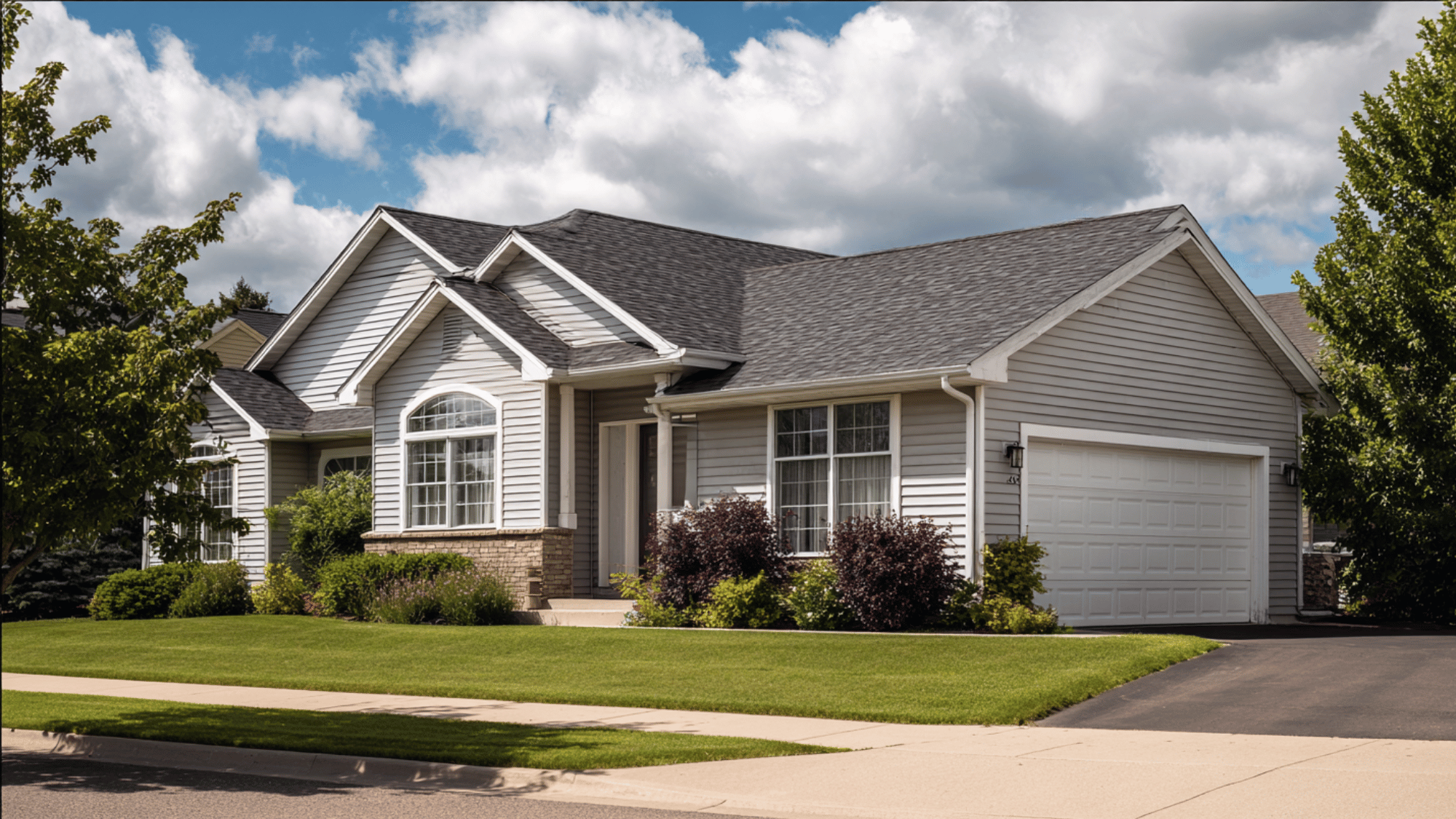
Understanding roof pitch can be confusing for many homeowners, especially when numbers like 6/12 roof pitch come into play.
At first, it looks more like a math problem than a construction term. In simple words, roof pitch refers to how steep or flat a roof is, how much it rises compared to its horizontal width.
The 6/12 pitch is one of the most common slopes used in residential roofing, offering a balance of style, strength, and practicality.
This blog breaks down what a 6/12 roof pitch really means and clarifies why it’s not the same as a 22.5° angle.
What Does a 6/12 Roof Mean?
A 6/12 roof pitch means the roof rises 6 inches for every 12 inches of horizontal run.
This moderate slope is a favorite among builders because it offers both functionality and visual appeal.
It’s steep enough for rain and snow to slide off easily, reducing the risk of leaks, yet not so steep that it becomes difficult or costly to construct.
It gives homes a clean, balanced look that suits a wide range of architectural styles, from traditional to modern.
That’s why you’ll often see it used in everything from cozy cottages to new suburban builds.
Why a 6/12 Roof Pitch is Not 22.5 Degrees

A common misconception is that a 6/12 pitch equals 22.5°, but that’s not accurate. Roof pitch and roof angle are two different measurements.
- Pitch shows the ratio of rise to run (6 inches up for every 12 inches across).
- Angle shows the slope in degrees.
To find the angle, we use basic trigonometry:
Angle = arctan (rise/run)
So, arctan(6/12) = 26.57°, not 22.5°.
In fact, a 5/12 roof pitch equals about 22.6°
| Roof Pitch | Angle (Degrees) |
|---|---|
| 4/12 | 18.43° |
| 5/12 | 22.62° |
| 6/12 | 26.57° |
| 7/12 | 30.26° |
| 8/12 | 33.69° |
Advantages of a 6/12 Roof Pitch
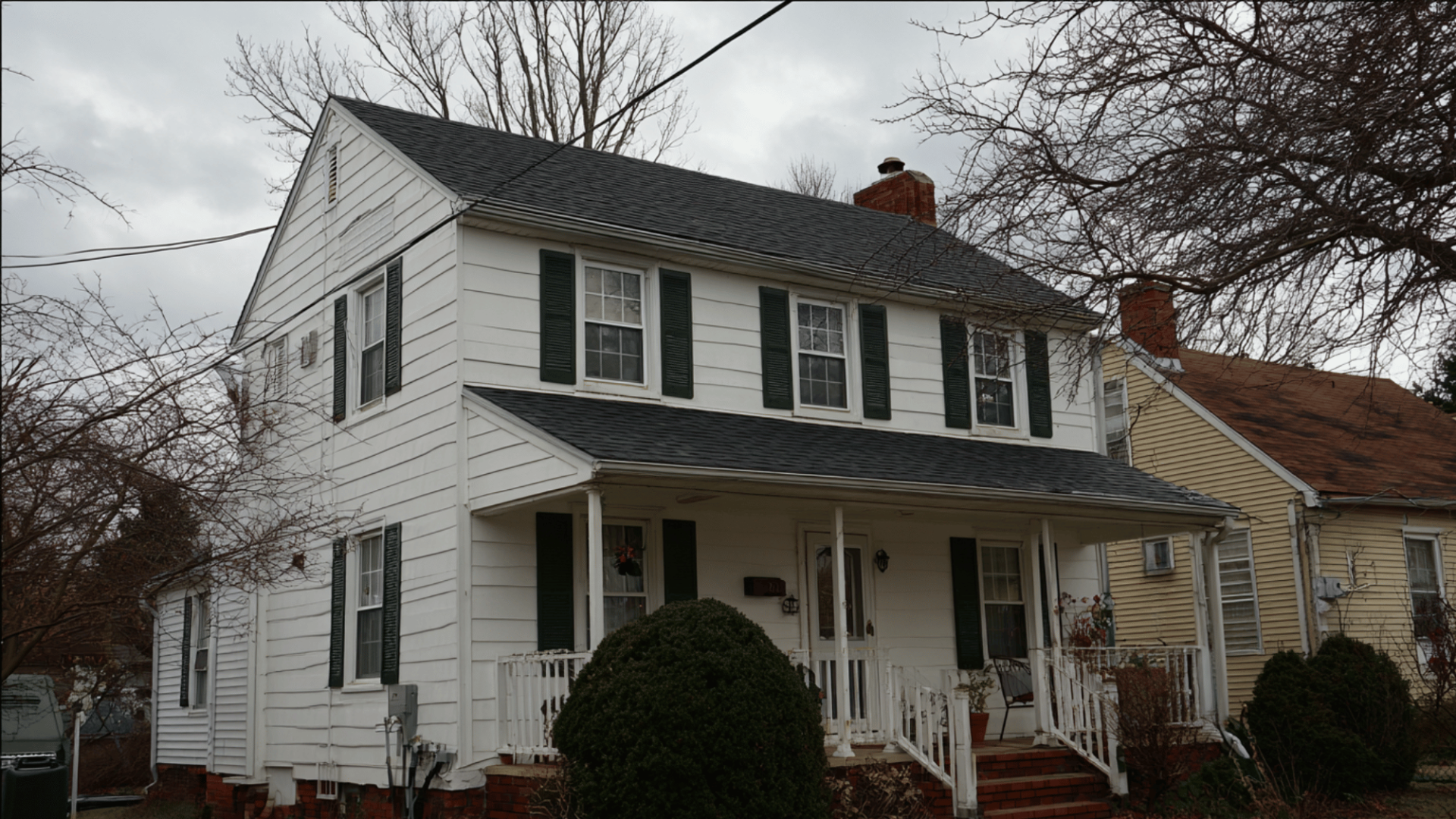
Among all roof slopes, the 6/12 pitch delivers an ideal mix of durability, drainage efficiency, and curb appeal, a combination that makes it a favorite for both builders and homeowners alike.
Good Drainage and Reduced Water Pooling
A 6/12 roof pitch offers excellent drainage, allowing rainwater and snow to slide off smoothly. This minimizes the risk of leaks, pooling, and structural damage over time.
The moderate slope ensures efficient water flow without being overly steep, making it ideal for areas with varied weather conditions.
As a result, homeowners enjoy a durable, low-maintenance roof that stays functional and visually appealing for years.
Compatibility with Most Roofing Materials
One of the biggest advantages of a 6/12 roof pitch is its versatility. It works well with nearly all roofing materials, including asphalt shingles, metal panels, clay tiles, and even wood shakes.
This flexibility allows homeowners to choose materials that suit their budget and style.
Whether aiming for a modern or classic look, this pitch provides the perfect surface for reliable installation and long-lasting performance.
Modern Yet Traditional Aesthetics
Visually, the 6/12 roof pitch strikes a beautiful balance between modern simplicity and traditional attraction. It’s steep enough to give the home a defined shape without appearing too dramatic.
This proportion complements a wide range of architectural styles from cozy cottages to sleek contemporary houses.
Its balanced appearance adds curb appeal and ensures the roof integrates smoothly with the home’s overall design.
Energy Efficiency and Attic Space Potential
The 6/12 roof pitch also supports better energy efficiency and usable attic space.
Its moderate slope allows for good airflow and insulation placement, helping regulate indoor temperatures throughout the year.
The added height provides more room for ventilation and even storage or small living areas. This combination of comfort, practicality, and energy savings makes the 6/12 pitch a smart choice for modern homeowners.
Better Wind Resistance
The 6/12 roof pitch provides improved wind resistance compared to flatter roofs.
Its angled design allows wind to pass over more smoothly, reducing pressure on shingles and roofing materials.
This minimizes the chances of uplift or damage during storms. The balance between slope and structure makes it ideal for regions prone to moderate winds, ensuring the roof remains strong, secure, and stable under changing weather conditions.
Common Misconceptions About Roof Angles
Many homeowners misunderstand roof angles, often mixing up terms like slope, pitch, and degree, leading to confusion during construction discussions.
- Many people confuse slope, pitch, and angle, even though each represents a different way to describe a roof’s incline.
- Slope and pitch indicate the ratio of vertical rise to horizontal run, such as 6/12 for a moderate roof incline.
- The angle measures the actual degree of the slope, calculated using trigonometry; for instance, arctan(6/12) equals approximately 26.57°.
- Using roof pitch calculators or conversion charts helps homeowners and builders correctly interpret measurements, preventing design and construction misunderstandings.
Conclusion
A 6/12 roof pitch, roughly 26.5°, offers an ideal balance of looks, durability, and practicality.
Understanding what those numbers mean helps you make smarter choices about materials, design, and upgrades.
Before starting a roofing project or installing solar panels, always confirm your roof pitch for proper fit and safety.
So next time someone mentions a 6/12 roof, you’ll know it’s not just math, it’s a design choice that blends form, function, and long-lasting performance in one smart structure.