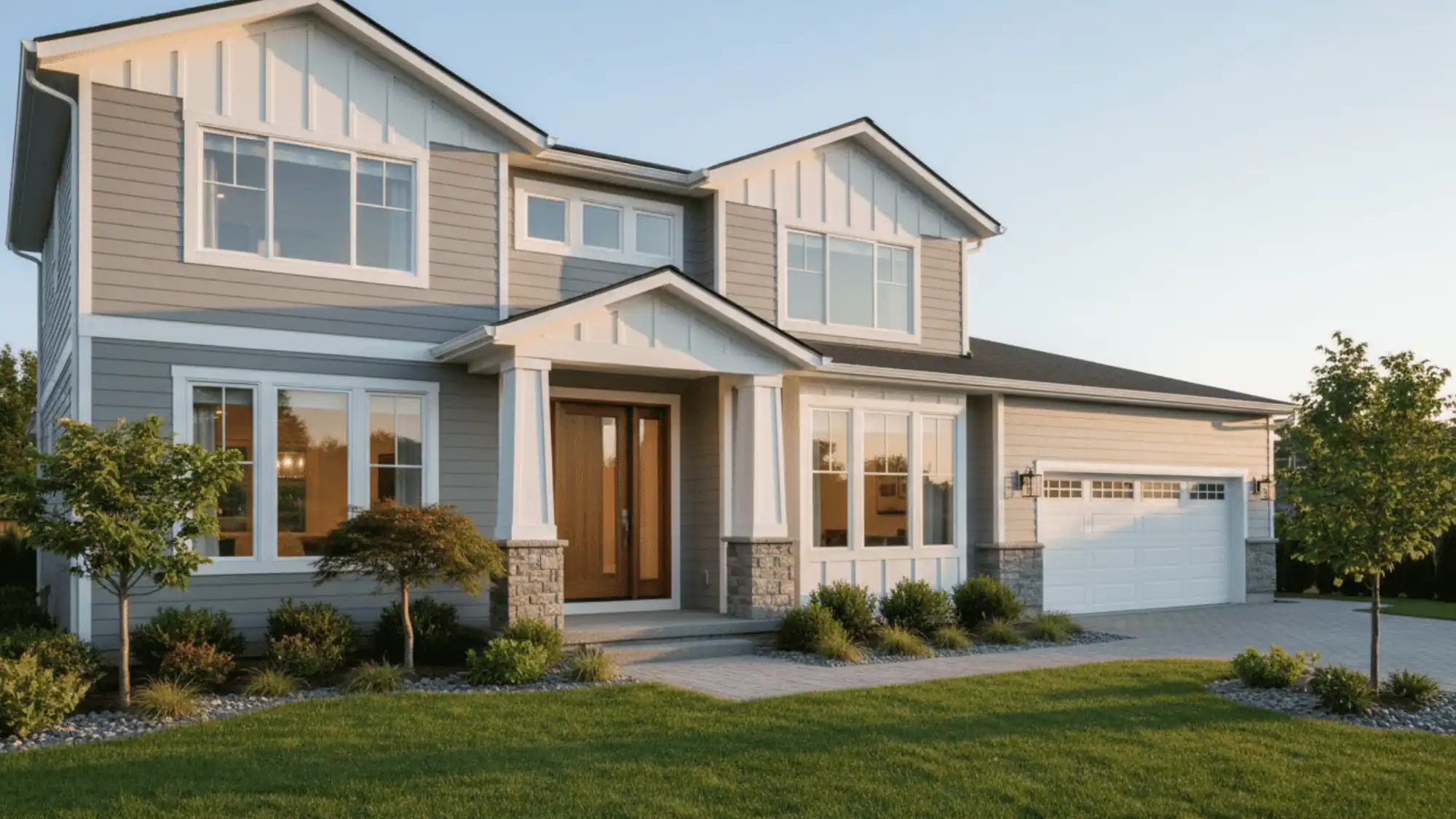

Window trim is one of the easiest and most impactful ways to achieve that rustic, welcoming look you love. Window trim adds character, warmth, and timeless appeal to any room.
If you’re updating a modern home or restoring an older house, the right window trim makes all the difference in creating that authentic feel.
You’ll get to know different trim profiles, color combinations, and ideas that capture the aesthetic perfectly.
From simple and understated to bold and detailed, there’s a trim style for every taste and budget!
What Defines Farmhouse Window Trim?
Farmhouse window trim is characterized by its simple, honest craftsmanship and practical design. Unlike ornate Victorian or contemporary minimalist styles.
The defining features include clean lines, substantial width, and straightforward profiles that emphasize quality materials over excessive decoration.
Typically, window trim uses wider boards than standard trim, often 3 to 6 inches wide, creating a bold, substantial frame around windows.
Trim also embraces visible wood grain and texture, celebrating the natural material rather than hiding it.
The overall effect is an unpretentious, warm, and timeless trim that looks like it belongs in a home rather than trying to impress visitors with fancy details.
Pros and Cons of Common Trim Materials
Each trim material brings its own strengths and drawbacks. Understanding them helps you choose the perfect match for your style and budget.
| Material | Pros | Cons |
|---|---|---|
| Pine | Affordable, easy to paint, readily available. | Softwood dents and scratches easily. |
| Oak | Very durable, strong grain ideal for staining. | Heavier and more expensive than softwoods. |
| Maple | Smooth, uniform texture; excellent for painting or staining. | It can be harder to cut and nail. |
| Reclaimed Barn Wood | Unique rustic character; eco-friendly and sustainable. | May require cleaning, sealing, and extra prep work. |
Farmhouse Window Trim Ideas: Stylish Ways to Frame Your Windows
Window trim does more than frame your view; it defines your home’s character, blending rustic charm with timeless craftsmanship.
1. Classic White Painted Trim

Crisp white painted trim creates the quintessential look that never goes out of style. Use 4-6 inch wide flat boards around windows to create bold, substantial frames that stand out
against any wall color. White trim brightens rooms, makes windows appear larger, and provides clean contrast.
This timeless approach works beautifully with both neutral and colorful walls, offering versatility while maintaining authentic character throughout your home.
2. Natural Wood Stained Trim

Embrace the beauty of natural wood grain with stained window trim in warm honey, golden oak, or rich walnut tones. Stained trim adds organic warmth and texture
This approach works especially well in rooms with exposed beams, hardwood floors, or other wood elements.
The natural variation in grain patterns creates visual interest while maintaining the simple, honest aesthetic that defines the style perfectly.
3. Thick Flat Board Style

Install extra-wide flat boards 6 to 8 inches wide for a dramatic impact. This substantial trim creates bold window frames that command attention without ornate details.
The generous width emphasizes the window’s architectural presence and works beautifully in rooms with high ceilings or large windows.
Thick flat boards reflect traditional construction methods where practical, readily available lumber created simple yet impressive trim work that has stood the test of time.
4. Distressed White Finish

Create an authentic aged character by distressing the white painted trim. Sand edges and high-contact areas to reveal wood underneath, mimicking natural wear from decades of use.
This technique adds vintage charm and makes new trim look like it’s been part of the home for generations.
Distressed finishes work perfectly in shabby chic, cottage, and rustic interiors, offering character that feels collected and authentic rather than brand new.
5. Two-Tone Trim Design

Combine painted and stained elements for visual interest. Paint the main trim boards white while staining the interior casing or sill in natural wood tones.
Two-tone designs highlight architectural details and create custom looks that feel intentional and thoughtfully designed.
The contrast between painted and natural wood celebrates both materials while adding sophistication to traditional styling.
6. Farmhouse Black Window Frames

Bold black painted trim creates a striking modern contrast, especially against white or light-colored walls.
This dramatic choice frames windows like artwork, drawing the eye and creating focal points throughout your home. Black trim works beautifully with industrial-blends.
The strong contrast adds graphic appeal while maintaining the clean lines and simplicity that define design, offering a fresh take on traditional aesthetics.
7. Reclaimed Wood Trim

Authentic reclaimed barn wood around windows for genuine history. The weathered patina, nail holes, and natural imperfections tell stories while creating one-of-a-kind trim.
Reclaimed wood brings texture, warmth, and sustainability to your project. Each piece is unique, offering varied tones and grain patterns that mass-produced trim can’t match.
This approach honors heritage while reducing environmental impact through material reuse and preservation.
8. Simple Sill Extension

Add thick, extended window sills 4 to 6 inches deep to create functional display space for plants, candles, or decorative items.
Extended sills reference traditional practicality, where window ledges served as storage and display areas. Keep the side and top trim simple to let the substantial sill be the focal point.
This design works especially well in kitchens and living areas where you want both aesthetic appeal and functional space for everyday use.
9. Cream-Colored Warmth

Soft cream or off-white trim offers warmth that pure white sometimes lacks. Cream creates cozy, inviting atmospheres while maintaining the bright, airy feel that style is known for.
This subtle choice works beautifully with warm wall colors, natural wood floors, and vintage furnishings.
Cream trim feels less stark than bright white, creating a gentle contrast that’s easier on the eyes while still providing the classic trim appearance everyone loves.
10. Beveled Edge Profile

Choose trim boards with subtle beveled edges instead of completely flat profiles. The slight angle catches light beautifully, creating gentle shadows that add dimension without complexity.
Beveled trim maintains simplicity while offering more visual interest than flat boards. This profile works across all substyles from traditional to modern.
Providing architectural detail that feels intentional and crafted without appearing overly ornate or fussy for authentic country appeal.
11. Horizontal Plank Accents

Add horizontal shiplap or board-and-batten planking above or below windows, integrating trim into a larger wall treatment.
This approach creates a cohesive design where windows feel built into the wall texture rather than simply framed.
This technique works beautifully in bedrooms, living rooms, and dining areas where you want coordinated, layered architectural interest beyond basic trim.
12. Gray Farmhouse Trim

Soft gray trim offers contemporary style that feels fresh and current. Light to medium grays provide neutral elegance while maintaining the clean lines of design.
Gray trim works beautifully with both warm and cool wall colors, offering the versatility pure white can’t match.
This modern neutral suits updated aesthetics, bridging traditional country charm with current color trends for homes seeking timeless appeal with contemporary sensibility.
13. Mitered Corner Perfection

Focus on perfectly mitered 45-degree corner joints for professional, polished trim. Clean, tight miters showcase quality craftsmanship and attention to detail.
Take time to cut precise angles and fill any gaps for seamless corners. This traditional joinery method creates refined frames around windows that look intentionally crafted.
Perfect miters elevate even simple flat trim boards into impressive architectural features worth admiring.
14. Rustic Rough-Sawn Texture

Use rough-sawn lumber for trim that celebrates wood’s natural, unrefined texture. The saw marks and irregular surface create an authentic rustic character that machine-planed boards lack.
Rough-sawn trim works perfectly in cabins, lodges, and homes with rugged aesthetics. Stain or paint can be applied over the textured surface, maintaining the tactile quality.
This approach honors traditional sawmill lumber and adds depth that smooth trim cannot replicate for genuine countryside appeal.
15. Farmhouse Trim with Rosettes

Add decorative corner rosettes and square blocks at corner joints for traditional detail. Rosettes eliminate the need for mitered corners while adding authentic period character.
These blocks, typically featuring simple circular or geometric patterns, reference historical trim work common in the 19th century.
Rosettes work beautifully with both painted and stained trim, offering architectural interest that feels historically appropriate. This detail elevates basic trim into something more distinctive.
16. Wide Apron Detail
Install a wide apron board beneath the window sill, extending 1-2 inches beyond the side casings. This horizontal board adds traditional proportion and creates a finished appearance.
The apron provides visual weight at the window’s base, balancing the overall trim composition.
This classic detail references historical window construction methods and adds dimension that makes the trim feel complete and thoughtfully designed rather than minimally framed.
17. Whitewashed Wood Trim

Apply whitewash technique to natural wood trim, allowing grain to show through translucent white finish.
This approach offers a middle ground between painted and stained trim, providing brightness while celebrating wood texture. Whitewashed trim creates casual, beachy appeal.
The technique adds subtle character and vintage charm, making new trim appear aged and collected. Whitewash works beautifully in seeking a relaxed atmosphere.
18. Farmhouse Trim Color Match

Paint window trim the same color as walls for a subtle, modern approach. Matching trim creates seamless, cohesive appearances that emphasize window shape rather than frames.
The monochromatic approach works beautifully in modern interiors, bedrooms, and spaces seeking calm, uncluttered aesthetics.
Though unconventional, color-matched trim still honors simplicity while offering fresh, updated visual appeal for current tastes.
19. Chunky Window Stool

Install an extra-thick window stool (interior sill) measuring 1.5 to 2 inches thick for a substantial presence. The chunky stool creates impressive depth and shadow lines.
This oversized element references traditional construction using readily available dimensions. Pair the thick stool with a sized casing and apron for a balanced composition.
The substantial stool becomes a defining feature that announces quality craftsmanship and authentic character.
20. Sage Green Painted Trim

Choose soft sage green for a unique trim that feels fresh and nature-inspired. This unexpected color choice works beautifully in kitchens and bedrooms, offering organic appeal.
Sage trim pairs wonderfully with white or cream walls, natural wood elements, and botanical décor. The muted green maintains simplicity while adding personality and warmth.
This color trend bridges traditional with current design preferences for nature-connected, soothing interiors.
21. Picture Frame Style Trim

Create a picture-frame appearance by installing trim with equal width on all four sides: top, bottom, and both sides.
This balanced approach suits Craftsman-influenced styles and creates orderly, symmetrical window frames. Unlike traditional picture-frame trim offers clean, geometric appeal.
This works beautifully in interiors seeking organized design. The uniform width creates a gallery-like presentation, treating windows as architectural art worth properly framing.
22. Farmhouse Trim with Corbels

Add small decorative corbels or brackets beneath window sills for architectural charm. These supportive elements, whether functional or decorative, add dimensional interest.
Corbels work particularly well on prominent windows, bay windows, or dining room focal points. Choose simple designs that maintain restraint rather than ornate Victorian styles.
This detail elevates standard trim into something more special and custom-appearing for distinctive character.
23. Navy Blue Statement Trim

Bold navy blue trim creates sophisticated drama. This rich color frames windows beautifully against white, cream, or gray walls, offering depth that pure white can’t achieve.
Navy works wonderfully in dining rooms, libraries, and master bedrooms, seeking refined elegance. The deep blue maintains simplicity while adding jewel-tone richness.
This unexpected color choice proves style can embrace boldness while staying true to clean-lined, unpretentious design principles.
Cost and Maintenance Considerations
Use this table to understand the cost, maintenance effort, and durability of various window trim materials at a glance.
| Material Type | Average Cost (per linear foot) | Maintenance Level | Durability | Notes |
|---|---|---|---|---|
| Pine Wood | $1 – $3 | Moderate | Good | Affordable and easy to paint; may dent easily. |
| Oak or Maple | $3 – $6 | Low | Excellent | Strong and long-lasting; best for stained finishes. |
| MDF (Medium-Density Fiberboard) | $1 – $2 | Moderate | Fair | Smooth and budget-friendly; avoid in humid areas. |
| Reclaimed Barn Wood | $4 – $7 | High | Very Good | Unique rustic appeal; needs sealing and periodic care. |
| PVC or Composite Trim | $2 – $4 | Low | Excellent | Moisture-resistant; ideal for kitchens and bathrooms. |
Common Mistakes to Avoid
Even a simple window trim project can go wrong without careful attention—avoid these common mistakes for a flawless finish.
- Skipping precise measurements: Even slight errors can cause uneven joints and visible gaps around the window frame.
- Ignoring wall and window alignment: Misaligned trim throws off symmetry and makes even quality materials look unprofessional.
- Choosing the wrong finish: Glossy paints or mismatched stains can clash with the farmhouse’s matte, rustic aesthetic.
- Overcomplicating the design: It values simplicity; overly ornate profiles can ruin its clean, cozy charm.
- Skipping caulking or filling gaps: Unsealed joints collect dust and moisture, shortening the trim’s lifespan.
- Neglecting paint or stain maintenance: Fading, peeling, or chipped finishes can make the trim look aged for the wrong reasons.
Conclusion
Your farmhouse window trim is now within reach! As you’ve seen these design ideas and styles, you’ve seen how the right trim can completely change your home’s character.
Trim isn’t just about following trends; it’s about creating spaces that feel warm and inviting.
Wide boards, clean lines, and quality materials will give you that graceful look that never goes out of style.
Start with one room and see the difference it makes. The investment in window trim pays off in both beauty and home value.