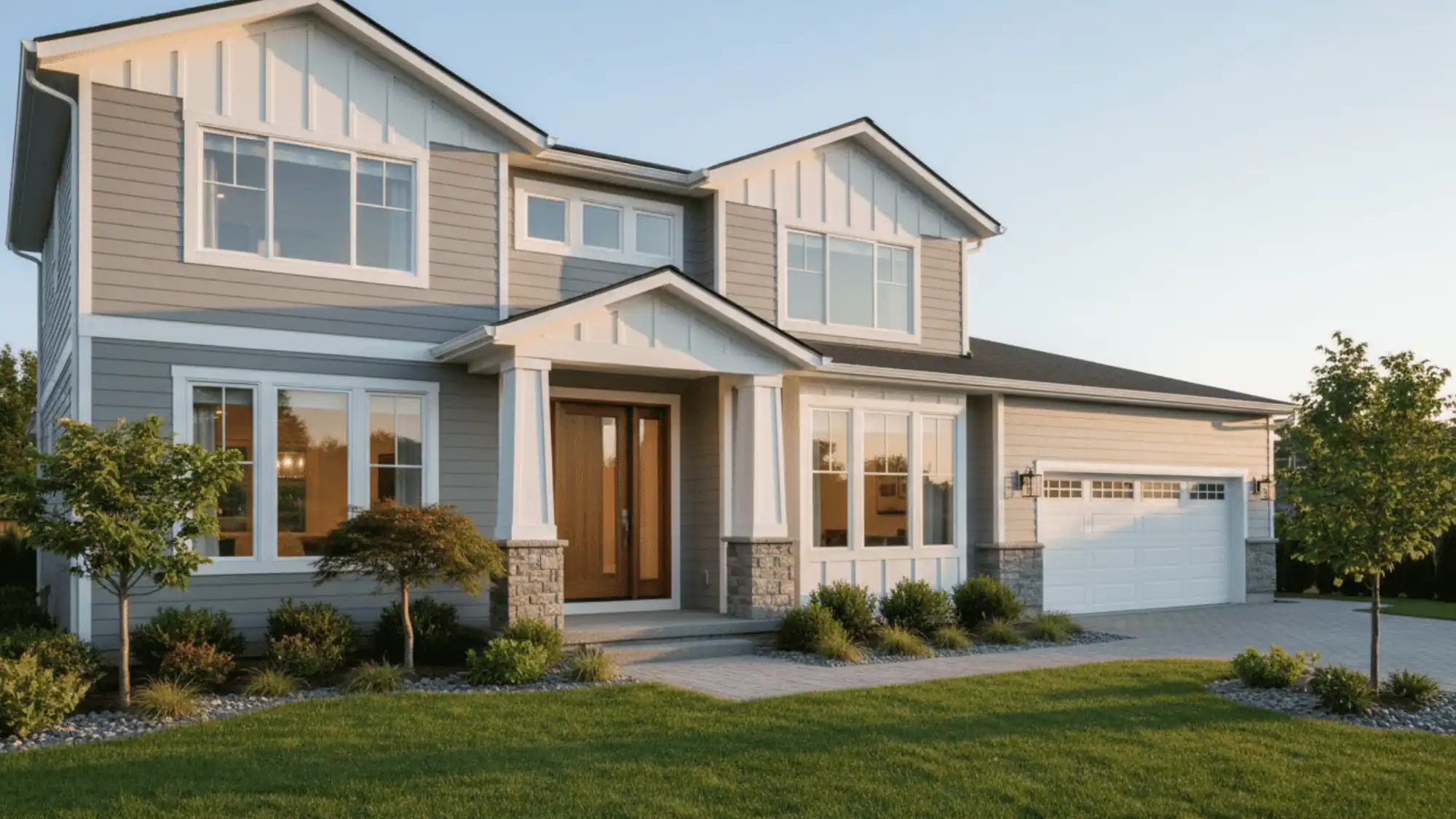

A roof does much more than keep rain out; it protects your entire home from the elements. Every roof is made up of many parts that work together to keep it strong, dry, and long-lasting.
No matter if you’re a roofer, a builder, or just curious about how roofs are built, understanding the basic parts is the first step.
Each piece, big or small, plays an important role in supporting the structure and managing water flow.
This blog will break down the main parts of a roof to help you see how they fit and function as one system.
The Anatomy of Roof Explained
Every roof is made of different parts that work together to keep a home safe and dry. Learning how all parts of a roof work makes it easier to spot problems and care for your roof the right way.
1. Roof Deck (Sheathing)

The roof deck is the flat surface that covers the rafters or trusses.
It provides a solid base for shingles and other roofing materials. Most decks are made from plywood or oriented strand board (OSB).
A strong, well-installed deck supports the entire roofing system, keeping everything stable and secure. It’s the foundation layer that holds everything above it in place.
2. Roof Trusses / Rafters

Trusses and rafters form the roof’s skeleton.
Trusses are pre-built frames, while rafters are cut and built on-site. Both give the roof shape and strength, supporting the weight of all materials.
These parts connect to the walls and ridge board, creating the structure that holds up the roof. Without them, the roof wouldn’t stand strong against wind, rain, or snow.
3. Ridge Board

The ridge board is a long, horizontal plank that sits at the top of the roof.
It connects the upper ends of the rafters, helping form the roof’s peak and keeping both sides aligned. The ridge board acts as the central anchor for the roof frame, ensuring balance and even load distribution.
If it’s not straight or well-supported, the roof can sag or twist, leading to serious structural problems.
The roof ridge is the highest point where two sloped roof sections meet.
4. Eaves

Eaves are the lower edges of the roof that hang past the exterior walls.
Their job is to guide rainwater away from siding and the foundation, preventing damage to the structure below. Eaves also add shade to windows and protect entrances from dripping water.
Many roofs include vented soffits beneath the eaves to allow air circulation into the attic, which helps control temperature and humidity levels year-round.
5. Fascia Board

The fascia board runs along the bottom edge of the roof, attached to the ends of the rafters.
It gives the roof a finished look and holds the gutters in place. Typically made of wood, PVC, or aluminum, it protects the roof’s edge from moisture and pests.
A sturdy fascia prevents water from entering behind the roofline, reducing the risk of rot, decay, and structural weakening over time.
6. Soffit

The soffit covers the underside of the roof’s eaves, closing the space between the roof edge and house walls.
It keeps out pests and prevents water from blowing into the attic. Many soffits include vents that allow fresh air to enter the attic, helping regulate temperature and moisture.
Available in vinyl, aluminum, or fiber cement, soffits are durable, low-maintenance, and essential for proper roof ventilation and protection.
7. Gable and Hip

A gable is the triangular wall section formed where two roof slopes meet.
It directs rain and snow away while supporting the roof’s end structure. Gables often have vents that improve attic airflow and reduce trapped heat.
A hip is the external line where two roof slopes join on a four-sided roof. Hips add strength, resist strong winds, and improve water drainage when sealed with hip or ridge shingles.
8. Valley

A valley is the inward angle formed where two roof slopes meet. It acts as a water channel, directing rain and melted snow safely toward the gutters.
To prevent leaks, roof flashing, thin metal sheets, line the valley, and redirect water away from joints.
Beneath it, a roof valley liner adds an extra waterproof layer, strengthening protection and ensuring water drains smoothly without reaching the roof deck or structure.
9. Dormer

A dormer is a small structure that extends out from a sloped roof and usually includes a window.
It increases attic space, adds natural light, and improves ventilation. Dormers have their own miniature roofs that must be carefully flashed where they meet the main roof to prevent leaks.
They also enhance curb appeal and provide usable headroom, making upper floors or attics more comfortable and functional.
10. Roof Vent

Roof vents allow air to circulate through the attic, keeping it cooler and drier.
Without proper ventilation, trapped heat and moisture can cause shingles to age faster and insulation to lose effectiveness. Common vent types include ridge vents, box vents, and turbine vents.
Balanced airflow, where intake and exhaust are equal, helps reduce energy costs and protects the roof from long-term heat and moisture damage.
11. Drip Edge

A drip edge is a metal strip installed along the roof’s edges, where shingles meet the fascia.
Its purpose is to guide rainwater into the gutters and prevent it from running under the roof deck.
Usually made of aluminum or galvanized steel, the drip edge adds durability and helps stop rot, mold, and ice damage.
Though small, it plays a vital role in roof longevity and stability.
12. Underlayment

Underlayment is a thin, protective layer between the roof deck and shingles.
It acts as a backup barrier against leaks caused by rain or wind-driven water. Made of felt or modern synthetic materials, it keeps moisture away from the deck even if shingles are damaged.
Underlayment also improves the roof’s overall durability, helping it handle storms and seasonal changes without letting water penetrate below.
13. Ice and Water Shield

The ice and water shield is a self-sealing waterproof membrane placed under shingles in key areas like eaves, valleys, and around chimneys.
It’s designed to stop melted snow or ice from backing up under shingles. This shield tightly seals around nails, blocking moisture completely.
It’s especially useful in cold climates where ice dams are common, offering strong protection against leaks and winter roof damage.
14. Shingles or Roof Covering

Shingles form the outermost, visible layer of the roof.
They protect against sun, wind, and water while adding color and texture to the home. Asphalt shingles are most common, but metal, slate, and clay are also popular.
Each shingle overlaps the one below it, creating a watertight barrier. Proper shingle alignment and sealing are critical for preventing leaks and ensuring long-term roof performance.
15. Flashing

Flashing is thin metal installed around roof openings and joints, such as chimneys, skylights, or valleys.
It directs water away from seams where two materials meet. Flashing can be made from aluminum, copper, or steel and is bent to fit tight spaces.
When properly installed, flashing seals potential leak points and ensures water drains efficiently off the roof instead of seeping inside.
16. Chimney

The chimney extends upward through the roof, venting smoke or gases from fireplaces and heating systems.
It’s usually made from brick, stone, or metal and must be surrounded by flashing to prevent leaks. A chimney cap on top keeps rain, debris, and animals out.
Cracks or gaps around the chimney can cause leaks, so regular inspection and sealing are essential for roof health.
17. Skylight

A skylight is a roof window that brings natural light into dark interior spaces
It can make rooms brighter and more inviting while helping save on electricity. Skylights come in fixed or vented styles, and both must be properly flashed and sealed to prevent leaks.
Placement and angle matter, too; correct installation ensures light distribution without excess heat or glare indoors.
18. Roof Pitch

Roof pitch is the steepness or angle of a roof’s slope.
It affects how quickly water and snow drain and determines what materials can be used. Steeper roofs shed water easily and last longer, but are harder to walk on.
Flatter roofs need special waterproofing materials. Pitch also impacts attic space, ventilation, and the overall look and performance of the roofing system.
19. Gutters and Downspouts

Gutters and downspouts collect and redirect rainwater away from the roof and foundation.
Gutters run along the roof edges, while downspouts carry the water to the ground. Together, they prevent flooding, erosion, and foundation damage.
Gutters must be kept clear of leaves and debris to work properly. A clean, well-installed drainage system helps protect siding, windows, and landscaping from water damage.
20. Roof Insulation

Roof insulation helps regulate indoor temperature by slowing heat transfer.
It’s placed under the roof deck or in the attic to keep homes warmer in winter and cooler in summer. Insulation also prevents condensation that can lead to mold.
Materials like fiberglass batts, foam boards, or blown-in cellulose are common. Proper insulation improves energy efficiency, lowers bills, and extends the life of the entire roof system.
21. Attic Space

The attic space lies just below the roof deck and above the ceiling.
It provides room for insulation, ductwork, and ventilation. Proper airflow through attic vents keeps moisture and heat from building up, reducing strain on the roof.
A well-maintained attic helps regulate indoor temperatures and prevents ice dams, mold growth, and premature roof aging, keeping the entire system efficient.
How Parts of a Roof Work Together
A roof isn’t just layers of materials; it’s a system where every part relies on another. The structure begins with trusses and decking, which form the base that holds everything steady.
Over that, protective layers like underlayment, flashing, and shingles create barriers that move water safely off the roof.
Meanwhile, vents, soffits, and insulation manage airflow and temperature, keeping the attic dry and energy-efficient.
Even smaller details like drip edges and fascia play key roles in directing water and preventing rot.
When built correctly, all these elements work together like gears in a machine—each one supporting, sealing, or protecting the next.
If one part fails, the balance is lost, but when every piece performs properly, the result is a roof that lasts, breathes, and shields the home for decades.
Conclusion
A roof might seem simple from the ground, but it’s actually a complex system of parts of a roof that must fit together perfectly.
Even small details, like flashing or drip edges, can make a big difference in how long the roof lasts.
Understanding how each part works helps you notice problems early and care for your home better.
Some modern roofs even include smart vents or solar shingles, showing how roofing continues to improve.
When every part works as it should, your roof becomes more than protection: it’s a balanced, reliable system built to last for decades.