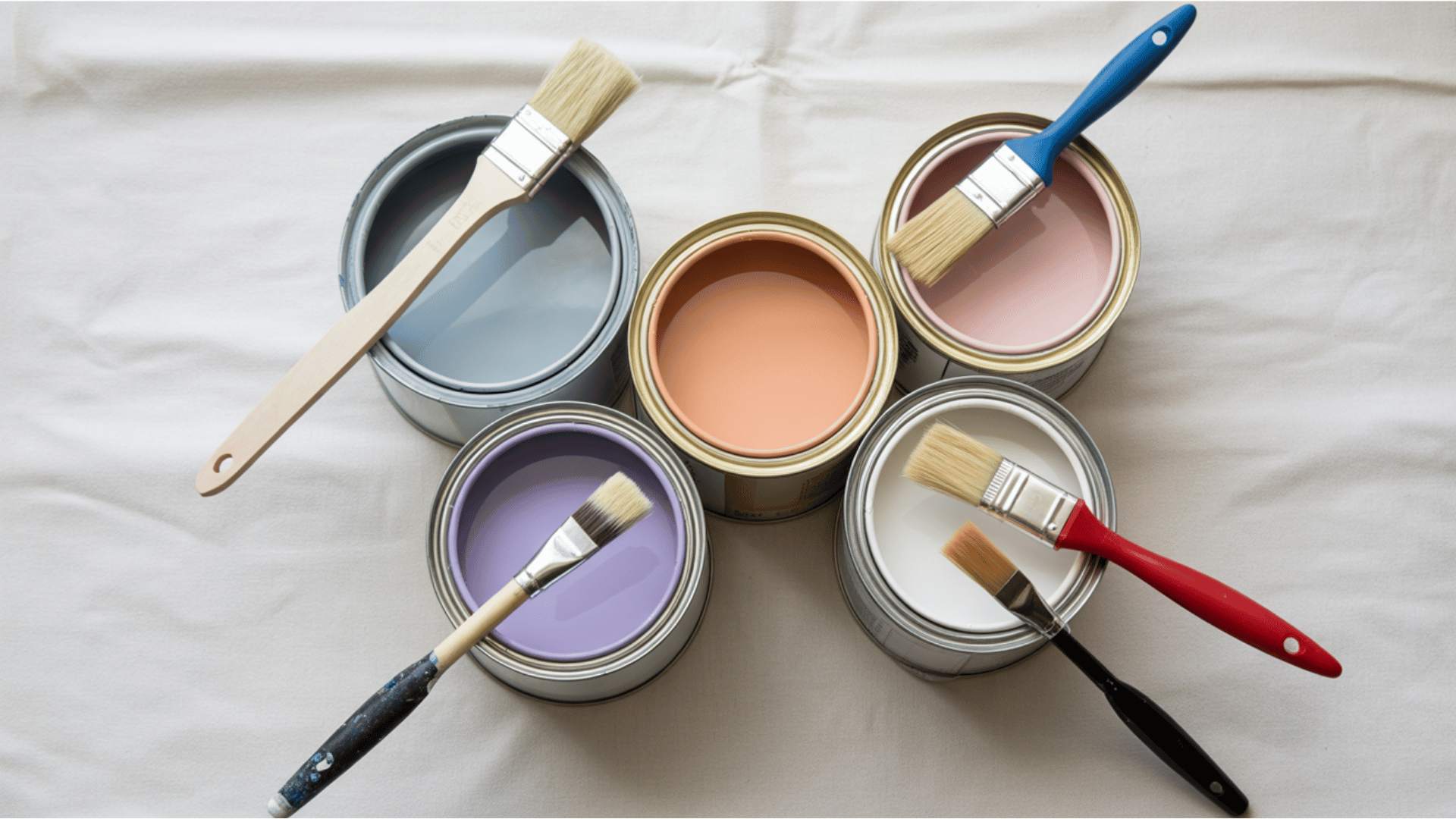
Ready to refresh your home? Choosing the right paint finish can completely change your space.
More than just color, the finish influences how light plays on your walls, how the room feels, and how long your paint lasts.
When you want a soft, cozy atmosphere or a sleek, modern look, understanding finishes helps you create the perfect vibe for your home.
Each type brings its own personality, from muted beauty to radiant shine, shaping your space’s character.
The right finish not only develops beauty but also ensures durability.
Why the Right Finish is Important
The right finish affects both the look and lifespan of your paint. It controls how much light reflects off the wall, changing the overall tone and mood of a room.
For instance, glossy finishes make small spaces feel brighter and more open, while matte finishes offer a softer, calming effect that suits bedrooms or offices.
Beyond appearance, finishes add protection.
A durable finish guards against scratches, stains, and moisture, especially important in areas like kitchens and bathrooms.
Understanding the importance of finishes helps you plan smarter and save time later.
Oil-Based vs. Water-Based Paints
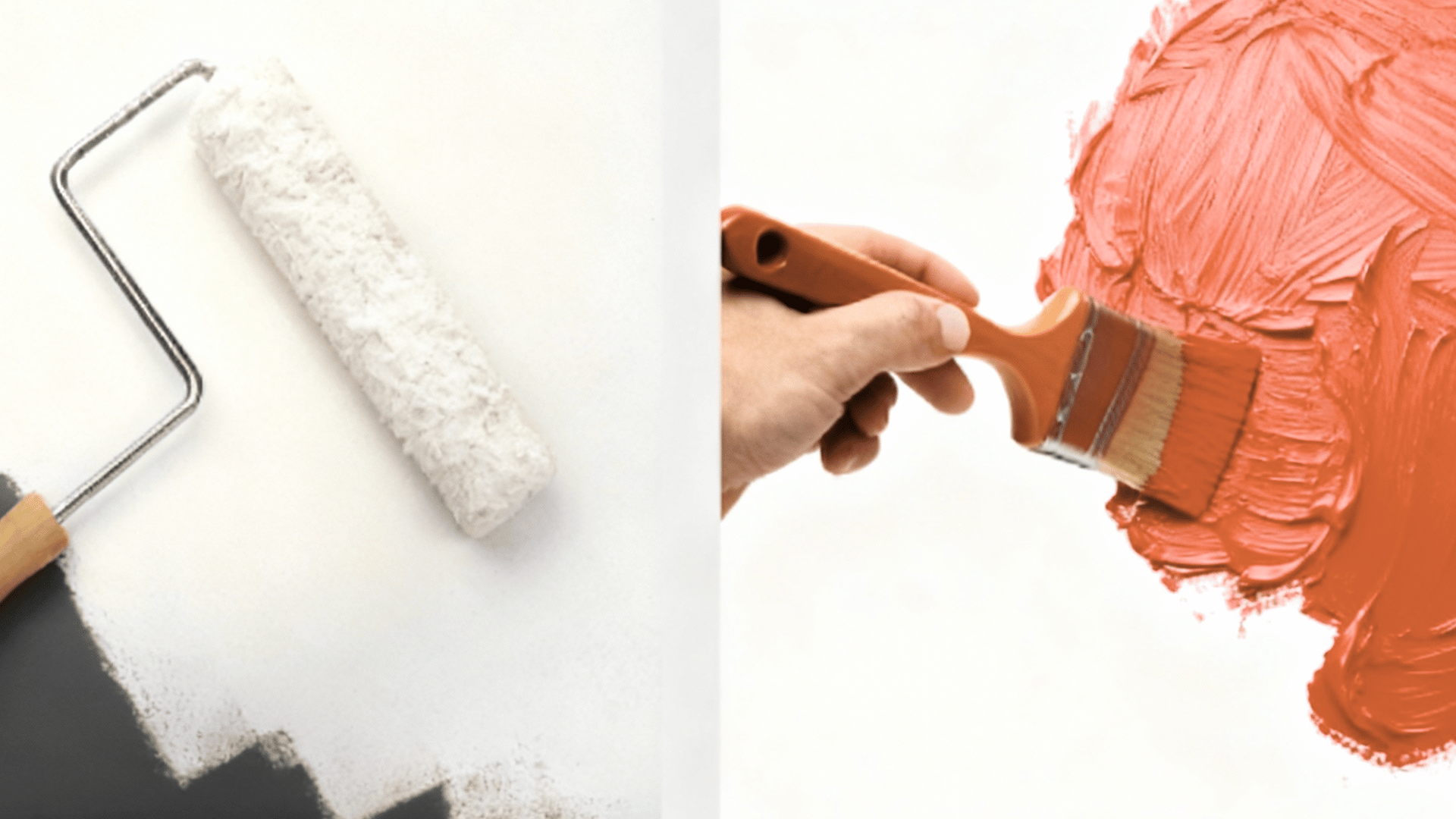
Before looking at the different finishes, it helps to understand the base paint types you’ll be using. Check the key differences between oil-based and water-based paints to choose the best option for your room.
| Feature | Oil-Based Paints | Water-Based Paints |
|---|---|---|
| Base Ingredient | Uses natural oils or synthetic resins | Uses water as a main base |
| Finish Quality | Smooth and durable surface | Softer look, dries quickly |
| Drying Time | Slower, takes hours | Fast-drying, often in under an hour |
| Odor | Strong smell while drying | Low odor, easier to live with |
| Cleaning | Needs paint thinner or turpentine | Cleans with soap and water |
| Best Use | Trim, furniture, metal surfaces | Walls, ceilings, and most interiors |
Types of Paint Finishes
Paint finishes influence the final look and feel of a surface, determining its texture, sheen, and overall visual impact in any space.
1. Flat Finish

Flat paint gives walls a smooth, matte finish with no shine. It hides wall unevenness, such as bumps or cracks, very well.
It gives a soft, classic look but is not easy to clean, so it’s best for spaces that don’t get dirty often.
They absorb light rather than reflect it, making colors appear rich and even. While not good for hallways or kitchens, this finish adds peace and depth to quiet spaces.
2. Matte Finish
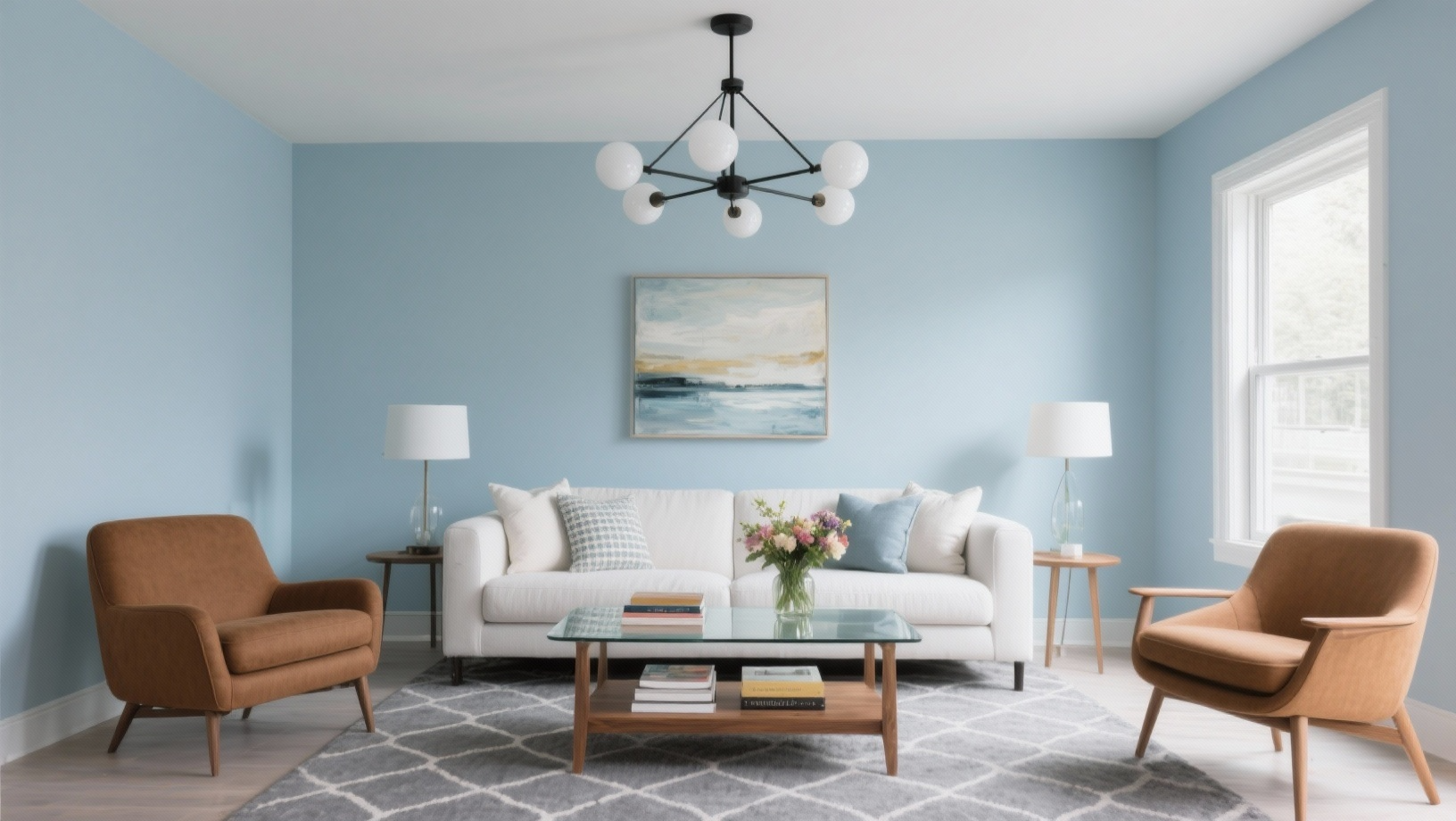
Matte paint has a soft, velvety texture that makes walls look even and smooth. This finish adds rich color depth and hides imperfections better than shiny paints.
It’s not the best for areas that need frequent cleaning. The matte look works well with natural or warm lighting, giving rooms a cozy and classic touch.
It’s easy to touch up when needed, making it a good option for homeowners who prefer simple care and lasting design.
3. Eggshell Finish
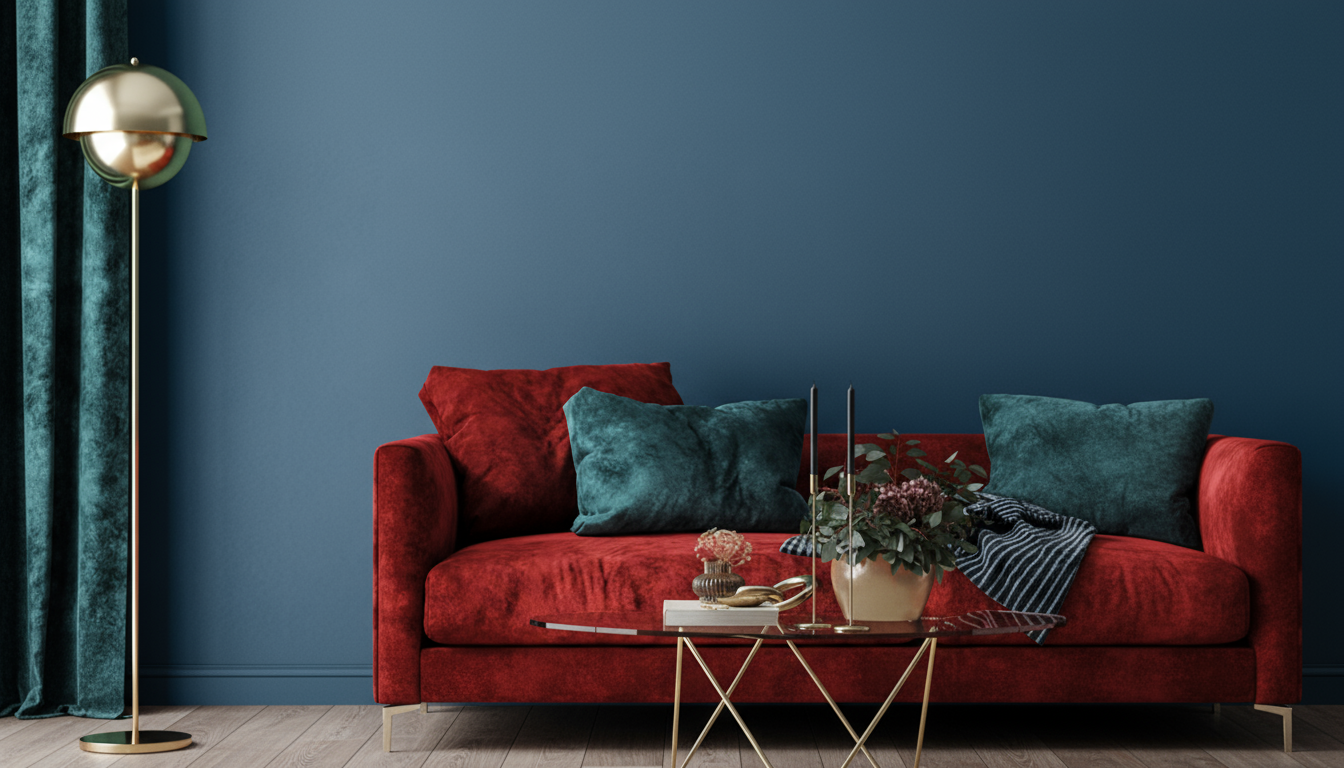
Eggshell paint offers a slight sheen just enough to reflect a soft glow without looking shiny.
It resists stains better than flat finishes, making cleaning easier. The subtle shine adds dimension to walls without showing flaws too much.
Eggshell finishes are perfect for living rooms, hallways, and family spaces where you want style and easy care. They bring out color beautifully while staying calm and beautiful.
4. Satin Finish
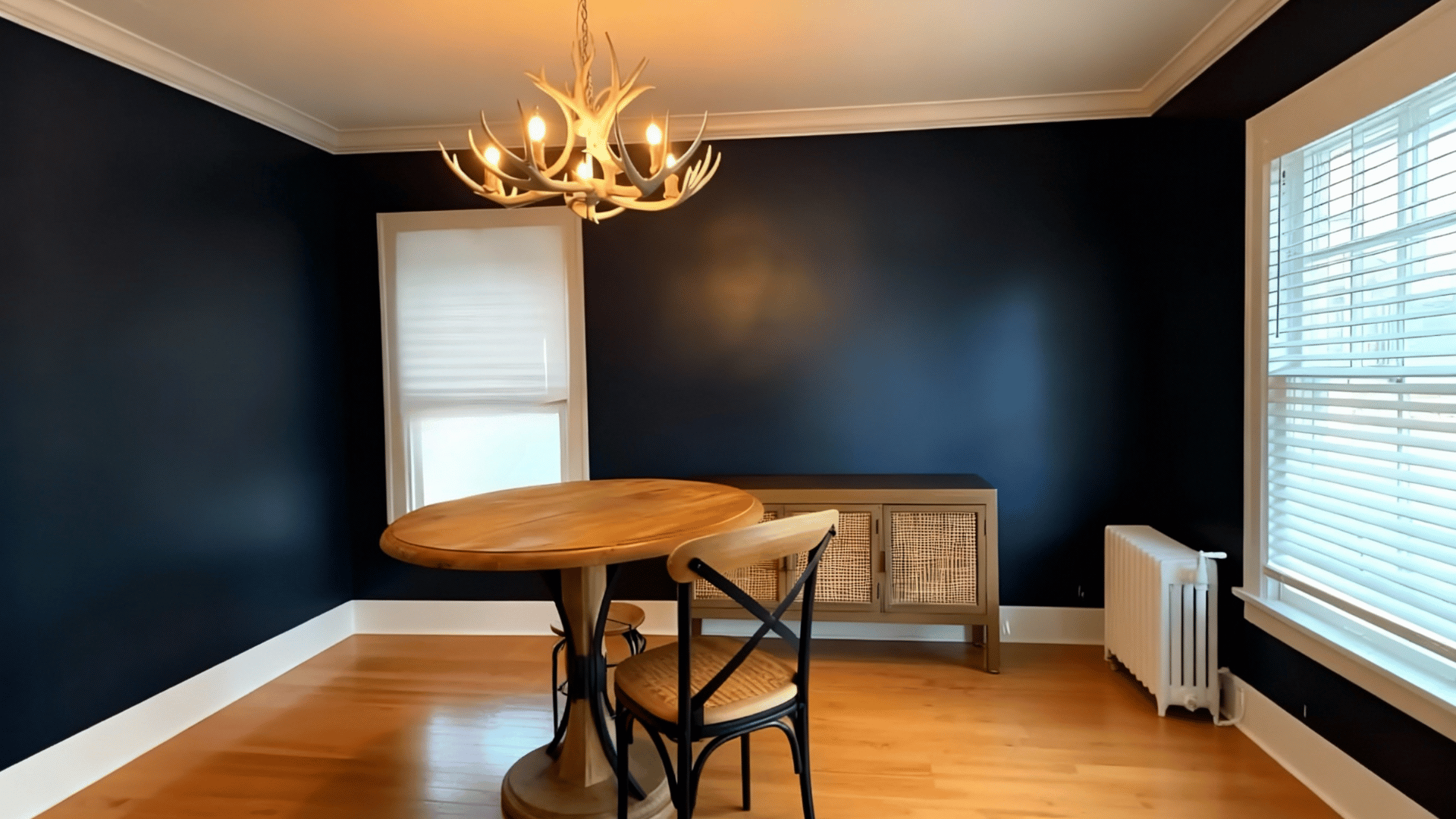
Satin finishes have a smooth sheen that looks fresh and polished. This finish works great for high-traffic rooms like kitchens, bathrooms, and kids’ rooms.
Satin paint resists moisture and stains, making it easier to clean with a damp cloth. It gives a soft, pearl-like reflection that adds gentle brightness.
Though slightly more reflective, it still hides most imperfections. It’s good if you want a balance between beauty and practicality for everyday life.
5. Semi-Gloss Finish

Semi-gloss paint reflects more light and has a smooth, sleek look. This finish is perfect for doors, trim, and kitchen cabinets.
It handles humidity well, making it suitable for bathrooms as well. It offers a shiny surface that brings out details in your home design.
Semi-gloss paint is durable, moisture-resistant, and stands up well to regular cleaning. It’s nice for areas where both function and shine matter.
6. Gloss Finish
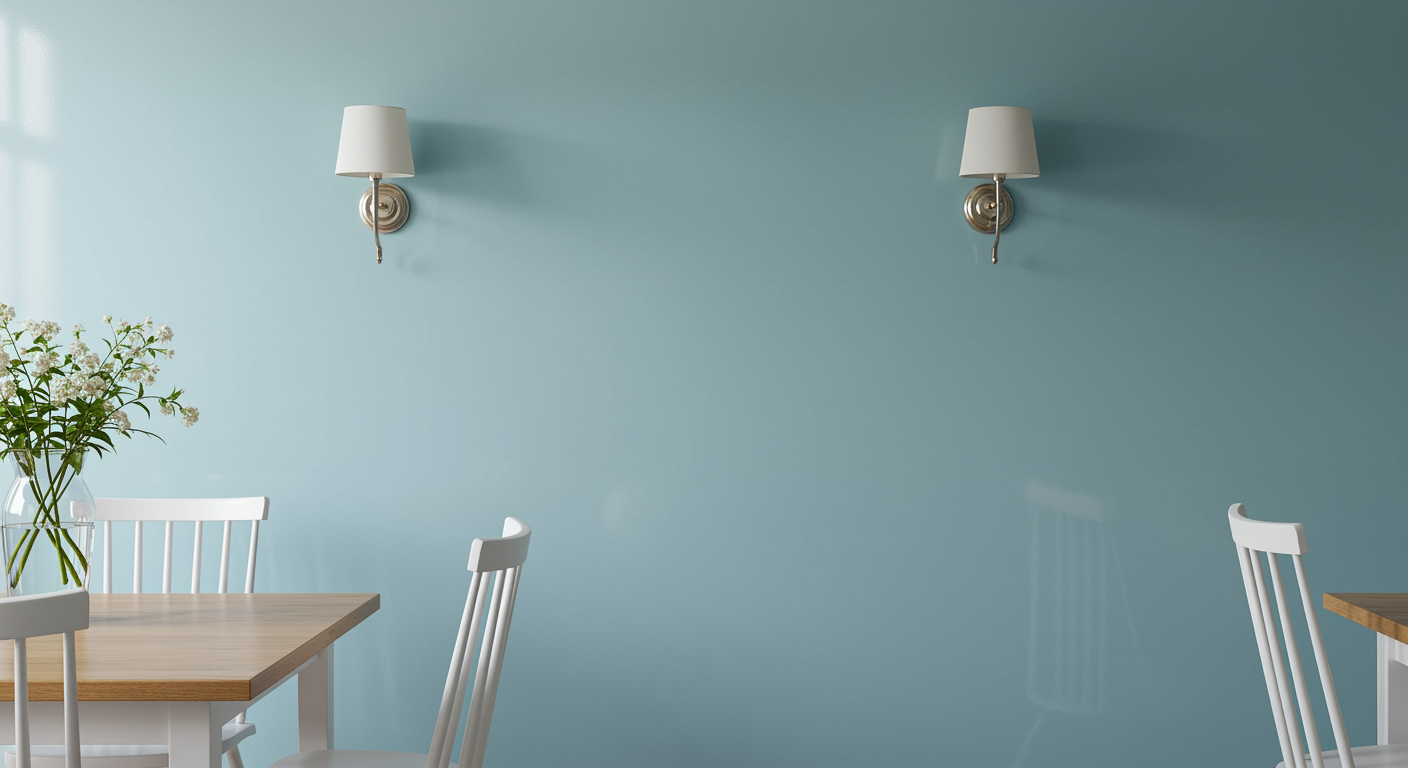
Gloss paint is the most reflective of all types of paint, giving surfaces a bright and modern appearance.
Gloss finishes are durable and long-lasting, though they may show flaws if walls aren’t well-prepped.
They bring a polished, high-end touch that fits modern spaces beautifully. Gloss paint makes a strong impression where you want to add shine and energy.
7. Textured Finish

Textured paint adds depth and character to walls. You can choose from sand, stone, or patterned looks depending on the mood you want.
Textured finishes hide imperfections well and give walls a unique feel. They’re often used in living areas or dining spaces to create warmth and interest.
While they need extra care during application, the result is worth it for a personalized touch.
Common Mistakes When Applying Different Finishes.
A few small errors can impact your paint’s final appearance and durability more than you might expect.
- Skipping Primer: Causes uneven color and poor adhesion, resulting in peeling paint and a less durable finish over time.
- Overusing Gloss: Highlights wall flaws and brush marks, making imperfections more noticeable and reducing the overall smoothness of your project.
- Rushing Coats: Leads to streaks and patchy coverage that require extra touch-ups, wasting paint and extending your project timeline unnecessarily.
- Ignoring Lighting: Changes how paint colors appear later, causing unexpected hues that can clash with your room’s decor and ambiance.
- Wrong Tools: Gives uneven texture or sheen, making the painted surface look inconsistent and unprofessional even after multiple coats.
- Skipping Prep: Dirt and dust reduce paint bonding, causing premature peeling and diminishing the longevity of your freshly painted surfaces.
How to Choose the Right Paint Type for Your Space
Choosing the right paint for your space involves considering several factors, such as room function, lighting, and daily wear.
For relaxing areas such as bedrooms, matte or flat finishes provide a soft, calming atmosphere without glare.
In contrast, kitchens and bathrooms benefit from satin or semi-gloss paints, which are more resistant to moisture and stains and are easier to clean.
Lighting plays a key role in glossy finishes reflect light and brighten up rooms, while flat finishes absorb light for a more muted effect.
Take wall texture into smooth surfaces usually work better with glossier paints, while rough surfaces can hide imperfections with flatter finishes.
To Conclude
Selecting the right paint finish is more than a design choice; it’s an investment in how your home looks and lives over time.
The right finish makes cleaning easier, protects your walls from wear, and complements your lifestyle.
Instead of following trends, focus on what fits your daily routine and the atmosphere you want to create.
A thoughtful choice now means less upkeep later and a home that continues to feel fresh, bright, and truly yours.