Ever found a leftover can of exterior paint and thought if it could be used indoors? Many homeowners face this question when trying to save money or prevent waste.
The query, “can you use exterior paint inside?” seems practical but raises important safety and performance considerations.
The difference between interior and exterior paint lies in their design, each formulated for specific conditions.
This blog explains why using exterior paint indoors may not be the best idea and helps readers decide whether switching to interior paint is the smarter, safer choice.
Can You Use Exterior Paint Inside?
It’s possible to use exterior paint inside, but doing so is generally unsafe and impractical.
Exterior paint is formulated with strong chemicals, mildewcides, and higher levels of VOCs (Volatile Organic Compounds) to withstand harsh outdoor elements like rain, UV rays, and temperature changes.
When applied indoors, these compounds release harmful fumes that can cause headaches, dizziness, respiratory irritation, and other health issues, especially in enclosed areas with limited ventilation.
Beyond health concerns, exterior paint often dries poorly indoors, leaving a sticky, uneven finish that attracts dust and dirt.
It may also continue to emit odors long after drying. For a safer, more polished result, interior paint is the right choice, as it’s designed for beauty, safety, and indoor air quality.
Difference Between Interior and Exterior Paint
Interior paint offers smooth application, low odor, and easy cleaning. It’s designed for beauty, safety, and durability in enclosed spaces, resisting stains and scuffs without harmful fumes.
Exterior paint is formulated with strong resins and UV-resistant pigments to endure sunlight, rain, and temperature. It’s durable and protective, but emits stronger fumes, making it unsafe indoors.
| Feature | Interior Paint | Exterior Paint |
|---|---|---|
| Purpose | Aesthetic and safe for indoor use | Durable and weather-resistant for outdoor surfaces |
| VOCs (Fumes) | Low, safe for enclosed spaces | High, releases strong fumes and toxins indoors |
| Durability Focus | Resists stains and daily wear | Resists UV rays, rain, and temperature changes |
| Finish | Smooth and refined | Thicker, more flexible |
| Best Used For | Walls, ceilings, and trim | Exterior walls, fences, and outdoor furniture |
Why Using Exterior Paint Indoors is Not Suitable
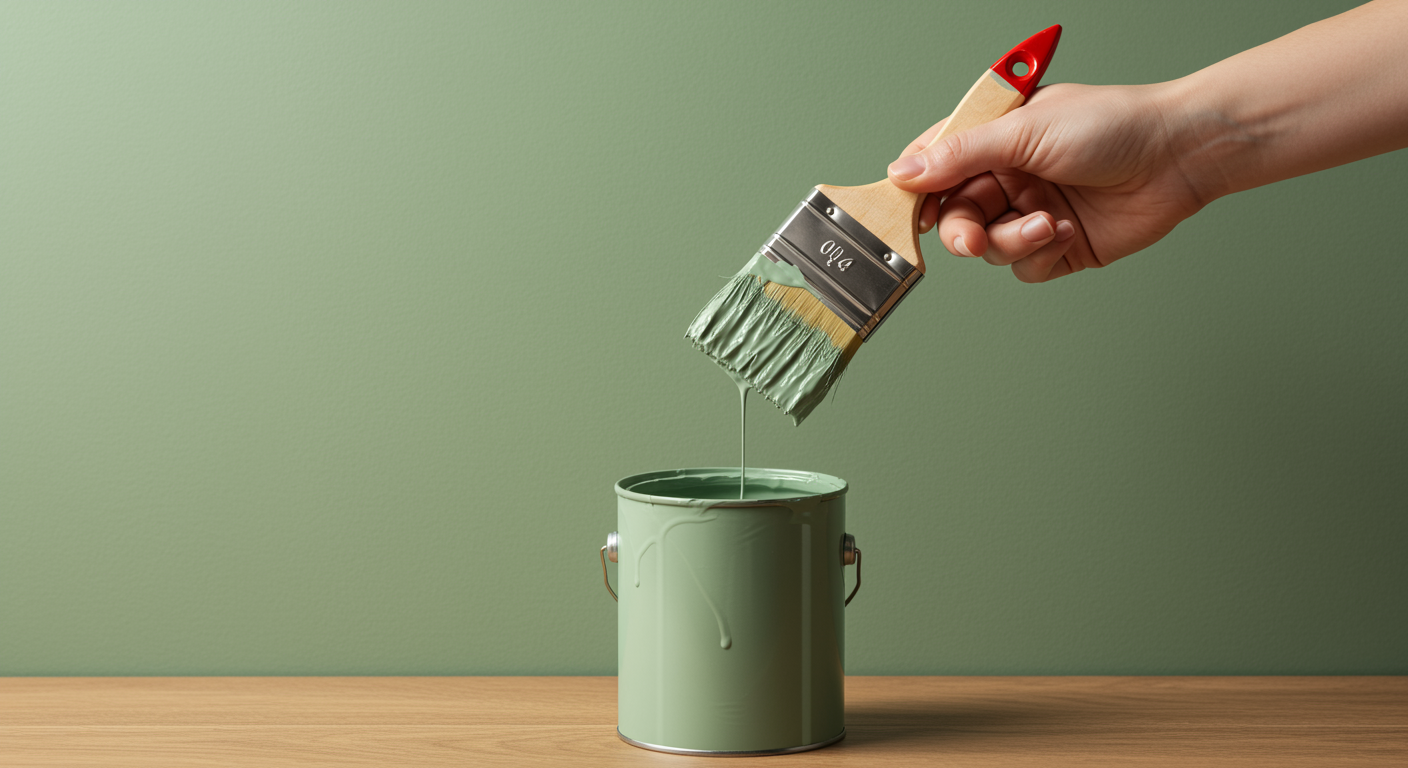
Using exterior paint indoors poses serious health and quality risks. Its strong fumes and chemical additives make it unsuitable for enclosed living spaces.
High VOC Levels and Health Risks
Exterior paints contain high levels of Volatile Organic Compounds (VOCs), which release strong fumes harmful to indoor air quality.
When used inside, these vapors accumulate, leading to symptoms like headaches, dizziness, and respiratory irritation. Prolonged exposure may even cause long-term health issues in poorly ventilated spaces.
These paints are intended for outdoor use, and using them indoors exposes occupants to health hazards and chemical odors.
Ventilation Limits
Even after drying, exterior paints continue to emit chemical vapors, a process known as off-gassing, which can last for weeks.
Limited indoor airflow traps these emissions, degrading air quality. Although ventilation helps disperse some fumes, it cannot remove toxins completely.
This makes relying on open windows or fans ineffective for ensuring safety, leaving the space uncomfortable and potentially harmful for occupants over time.
Performance Issues
When used indoors, exterior paint doesn’t perform as intended. It often dries unevenly, feels sticky, and may remain soft due to limited airflow and lack of sunlight.
This affects the paint’s finish, making walls appear blotchy or overly glossy. It tends to attract dust and dirt easily.
Overall, the poor curing and texture reduce the beautiful appeal and functionality of interior surfaces over time.
Safety Concern
Instead of using masks, gloves, or open windows, applying exterior paint indoors is never entirely safe.
The strong fumes and chemical additives are designed for outdoor resilience, not indoor living conditions. Safety gear offers limited protection, and prolonged exposure still carries health risks.
The only truly safe approach is to use interior paint, which is specifically formulated to minimize emissions and ensure a healthy indoor environment.
Wear and Tear
Exterior paint may seem durable, but indoors it behaves differently. Without exposure to outdoor conditions, it can lose elasticity, leading to peeling, bubbling, or cracking on indoor surfaces.
Furniture contact, daily cleaning, or minor scratches can worsen damage since the paint doesn’t adhere well to materials like drywall or plaster.
Over time, this results in visible imperfections, requiring frequent touch-ups and reducing the wall’s overall appearance.
What to Do If You’ve Used Exterior Paint Indoors
If someone uses exterior paint inside, there are a few careful steps that can help minimize health risks and improve overall air quality.
- Increase Ventilation: Open all windows and doors, and use fans to circulate air and help fumes escape faster.
- Use Air Purifiers: Run air purifiers with activated carbon filters to capture lingering chemical particles and odors effectively.
- Avoid Staying in the Room: Keep people and pets out of the painted area for several days to prevent exposure to harmful fumes.
- Clean Surfaces Regularly: Wipe walls and nearby surfaces with mild soap and water to remove any residue from paint vapors.
- Monitor Health Symptoms: Watch for headaches, nausea, or breathing issues; seek medical attention if symptoms persist or worsen.
Paint Options for Indoor Use
Instead of taking risks with exterior formulas, here are safer, more effective paint types designed specifically for indoor use.
| Paint Type | Best For | Key Benefits | Why It Matters |
|---|---|---|---|
| Low-VOC or Zero-VOC Paints | Living rooms, bedrooms, and enclosed areas | Releases minimal fumes and improves indoor air quality | Safer for your family, especially children and those with allergies or sensitivities |
| Washable Interior Paints | Hallways, kids’ rooms, high-traffic areas | Resists stains and allows easy cleaning without fading | Keeps walls looking fresh even in busy areas |
| Moisture-Resistant Paints | Bathrooms, kitchens, laundry rooms | Prevents mold, mildew, and moisture damage | Protects walls from humidity and ensures long-lasting durability |
| Matte or Eggshell Finishes | Bedrooms, ceilings, low-traffic areas | Soft, non-reflective look that hides imperfections | Ideal for creating a calm, smooth aesthetic |
| Satin or Semi-Gloss Finishes | Kitchens, bathrooms, doors, trim | More durable and easier to wipe clean | Perfect for areas prone to splashes, fingerprints, and stains |
Conclusion
While it might seem convenient, using exterior paint indoors poses more drawbacks than benefits. It can cause health issues, uneven finishes, and lingering odors, compromising indoor comfort.
Instead, homeowners should choose safer alternatives like low-VOC, washable, or moisture-resistant interior paints.
These options provide durability, easy maintenance, and a beautiful finish without the risks.
Ultimately, selecting the right paint ensures lasting results, protects health, and keeps indoor spaces both comfortable and visually appealing.