
The Victorian era may have ended over a century ago, but its architectural influence continues to captivate homeowners and designers alike.
Today’s modern Victorian homes blend historical beauty with contemporary living needs, creating spaces that honor tradition while meeting modern functionality.
In this, we’ll find out everything you need to know about modern Victorian homes, from their characteristic ornate detailing and asymmetrical facades to practical considerations.
Let’s embark on this architectural experience!
What are the Main Features of a Modern Victorian House?
A modern Victorian house blends the ornate charm of 19th-century Victorian architecture with sleek, contemporary design.
It preserves signature features like bay windows, decorative trim, and tall ceilings while introducing open floor plans, minimalist furnishings, and neutral color schemes.
Instead of heavy patterns and dark tones, modern Victorian homes favor light palettes, clean lines, and natural materials such as wood, marble, and glass.
Smart home technology and energy-efficient updates are amplifying functionality without compromising historic beauty.
This style strikes a perfect balance between old-world craftsmanship and modern comfort, offering elegance with practicality.
Popular Modern Victorian House Plan Styles
Modern Victorian architecture offers a range of interpretations from richly detailed revivals to pared-down, eco-conscious versions.
1. Classic Revival Victorian: Traditional Victorian shapes meet modern comfort, featuring ornate exteriors, open layouts, updated materials, and timeless architectural character.
2. Minimal Victorian: Simplified design with subtle Victorian elements, clean lines, open interiors, and neutral palettes ideal for modern, compact urban homes.
3. Luxury Modern Victorian: Grand, elegant homes blending Victorian opulence with modern amenities, featuring spacious layouts, rich details, and high-end finishes throughout.
4. Eco-Victorian: Sustainable Victorian-inspired homes using eco-friendly materials, energy-efficient systems, and classic charm with a focus on modern green living.
Modern Victorian House Plans and Design Ideas for Timeless Appeal
Step inside the world of modern Victorian homes where vintage charm meets modern innovation. From updated designs to sleek interiors, each idea brings new life to a timeless style.
1. Classic Asymmetrical Facade with Contemporary Materials
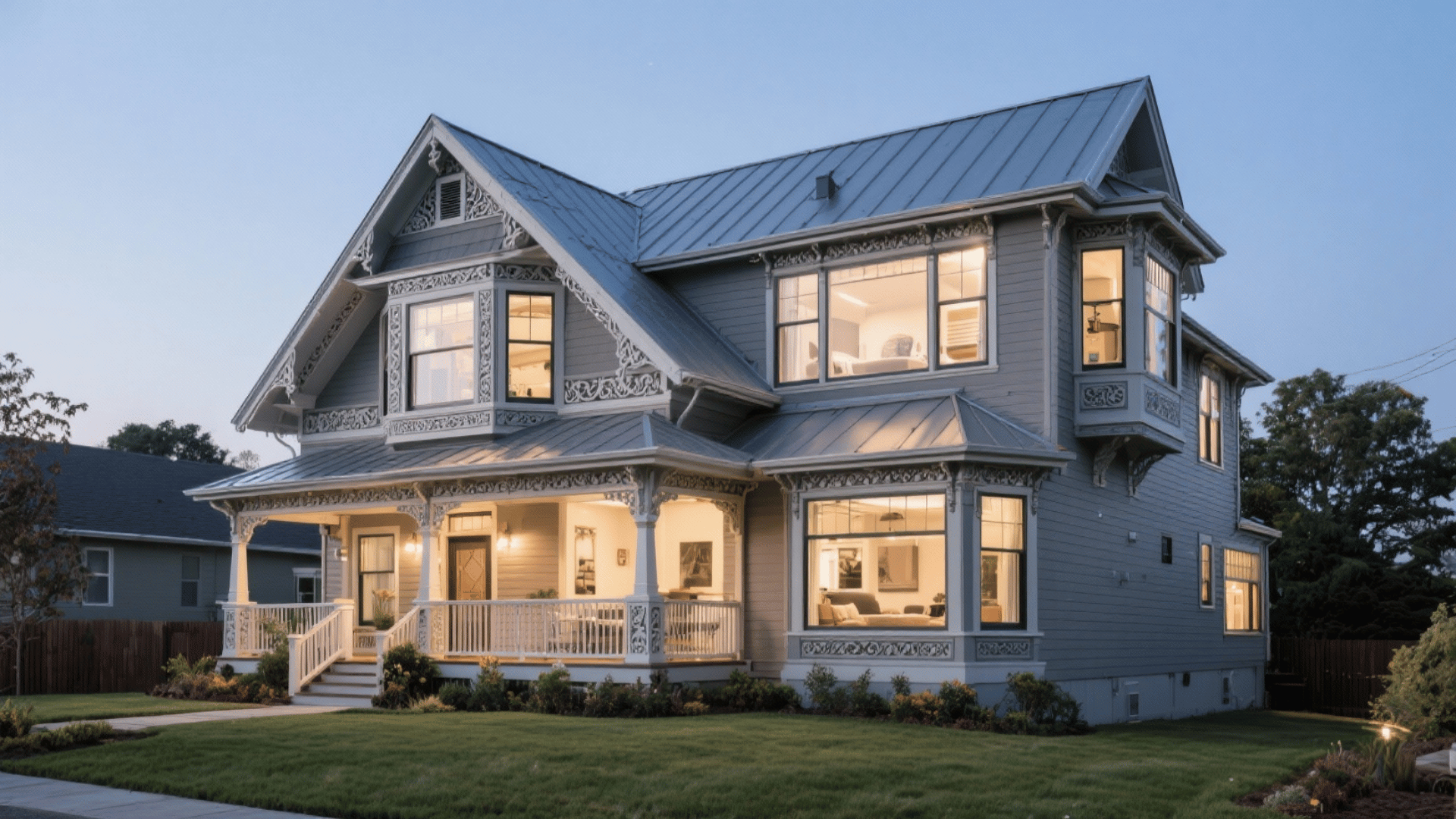
This design preserves the iconic asymmetrical Victorian silhouette while incorporating modern materials like fiber cement siding and energy-efficient windows.
The signature bay windows and wraparound porch remain, but sleek metal roofing replaces traditional shingles.
Inside, open-concept living spaces contrast beautifully with exterior Victorian charm, creating a perfect blend of old-world elegance and contemporary functionality for today’s lifestyle needs.
2. Minimalist Victorian with Neutral Color Palette
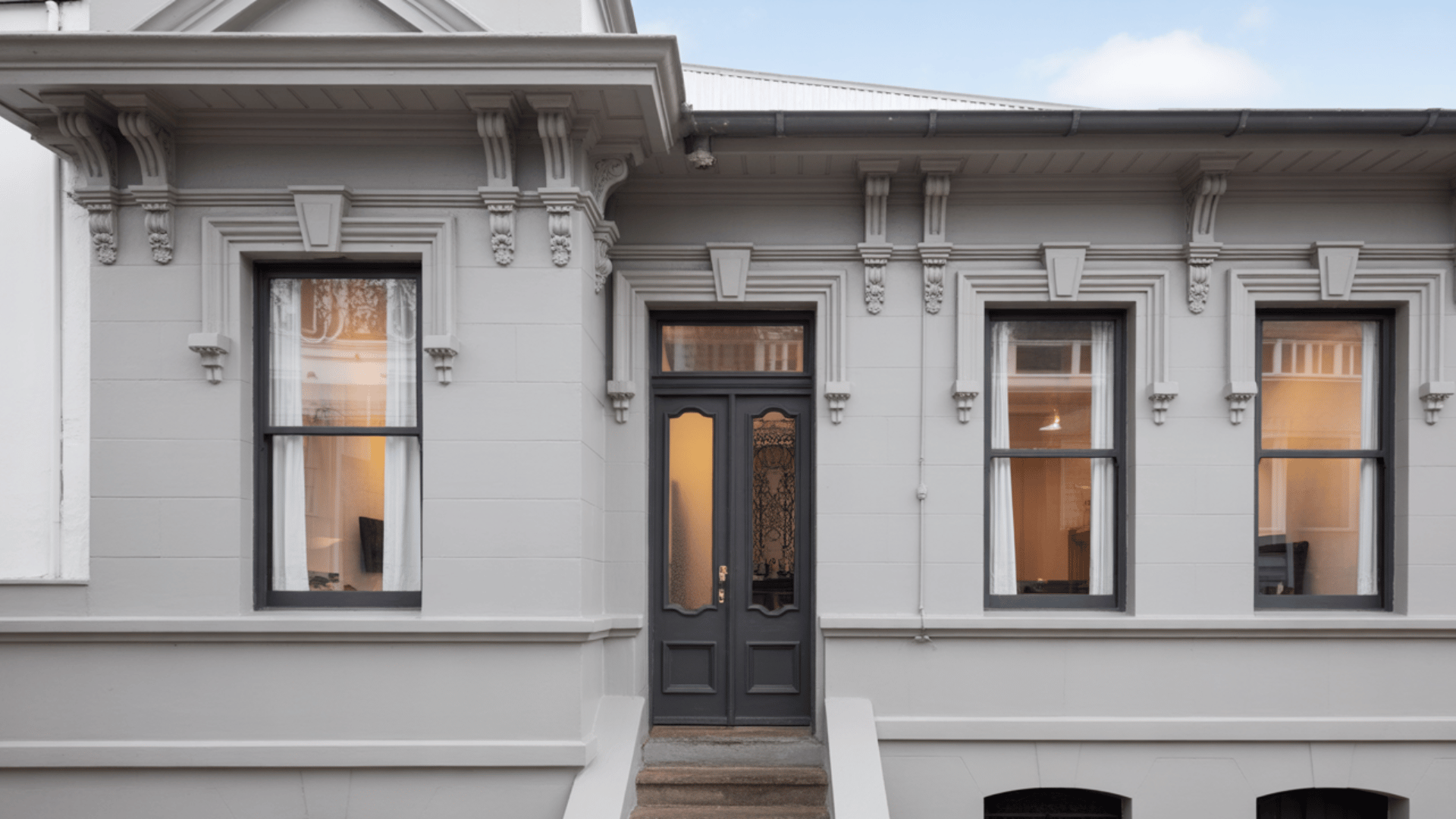
Stripped-back Victorian architecture with simplicity through monochromatic exterior colors, typically whites, grays, or blacks.
This approach highlights architectural details without overwhelming ornament patterns. A restrained palette allows trim work and gingerbread detailing to stand out as sculptural elements.
Large windows flood interiors with natural light, while maintaining period-appropriate proportions that honor the Victorian heritage with refreshing modern sensibility.
3. Glass Balcony Railings
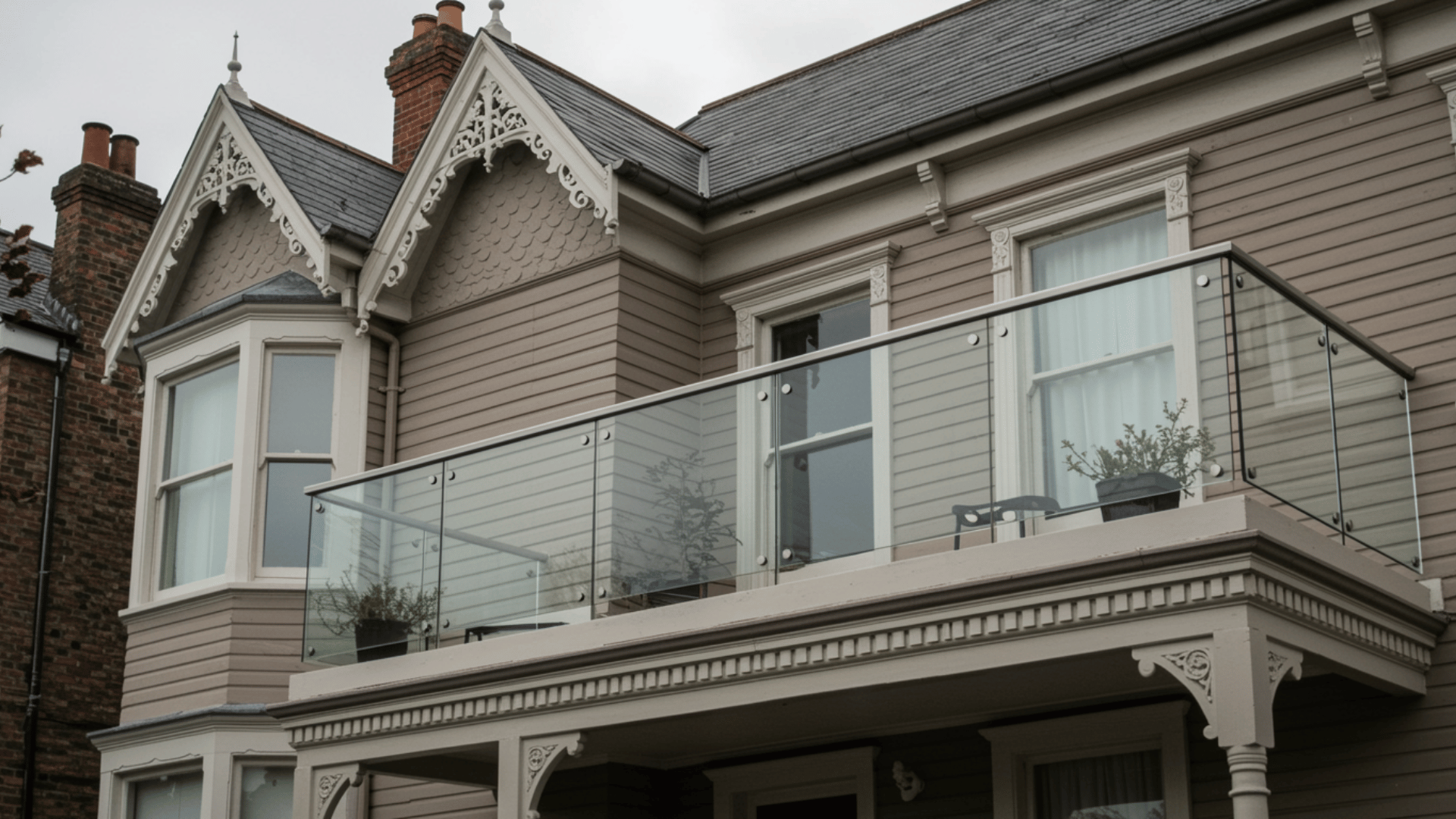
Transparent glass panels replace Victorian wooden balustrade systems on second-floor balconies and porches. Frameless or minimally framed glass installations maintain safety while appearing to float.
This intervention preserves views and creates contemporary elegance without competing with ornate Victorian detailing below.
The transparency allows architectural features to remain visible while updating one functional element dramatically
4. Dramatic Entrance Redesign
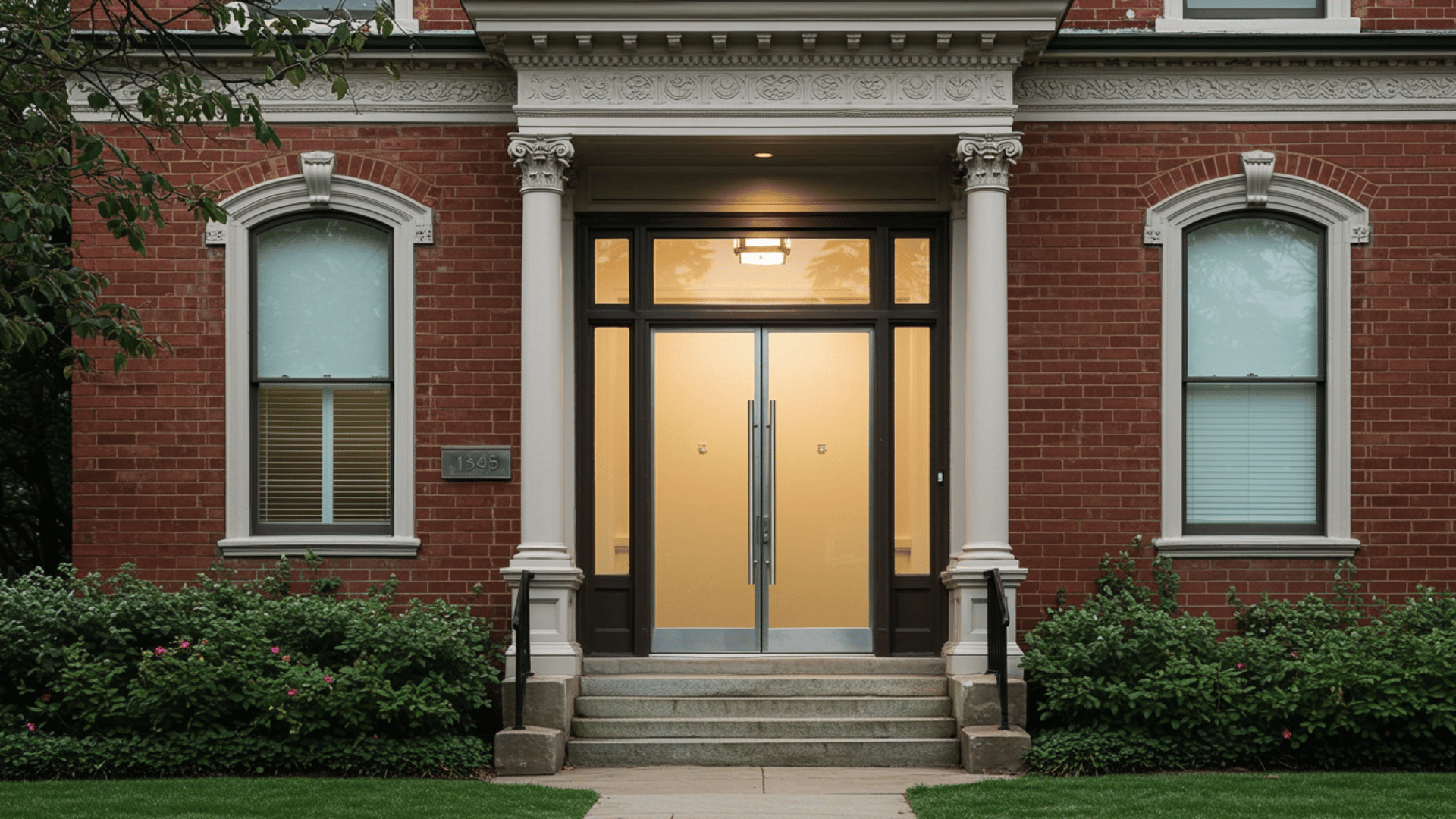
Contemporary front doors in oversized dimensions, bold colors, or modern materials become focal points against Victorian facades.
Pivot doors, steel-and-glass combinations, or solid slabs with minimal hardware make striking statements. The surrounding trim receives a simplified treatment to emphasize the modern door.
Updated lighting, house numbers, and hardware complete the alteration, creating welcoming entries that signal the home’s updated character immediately
5. Sustainable Victorian Renovation
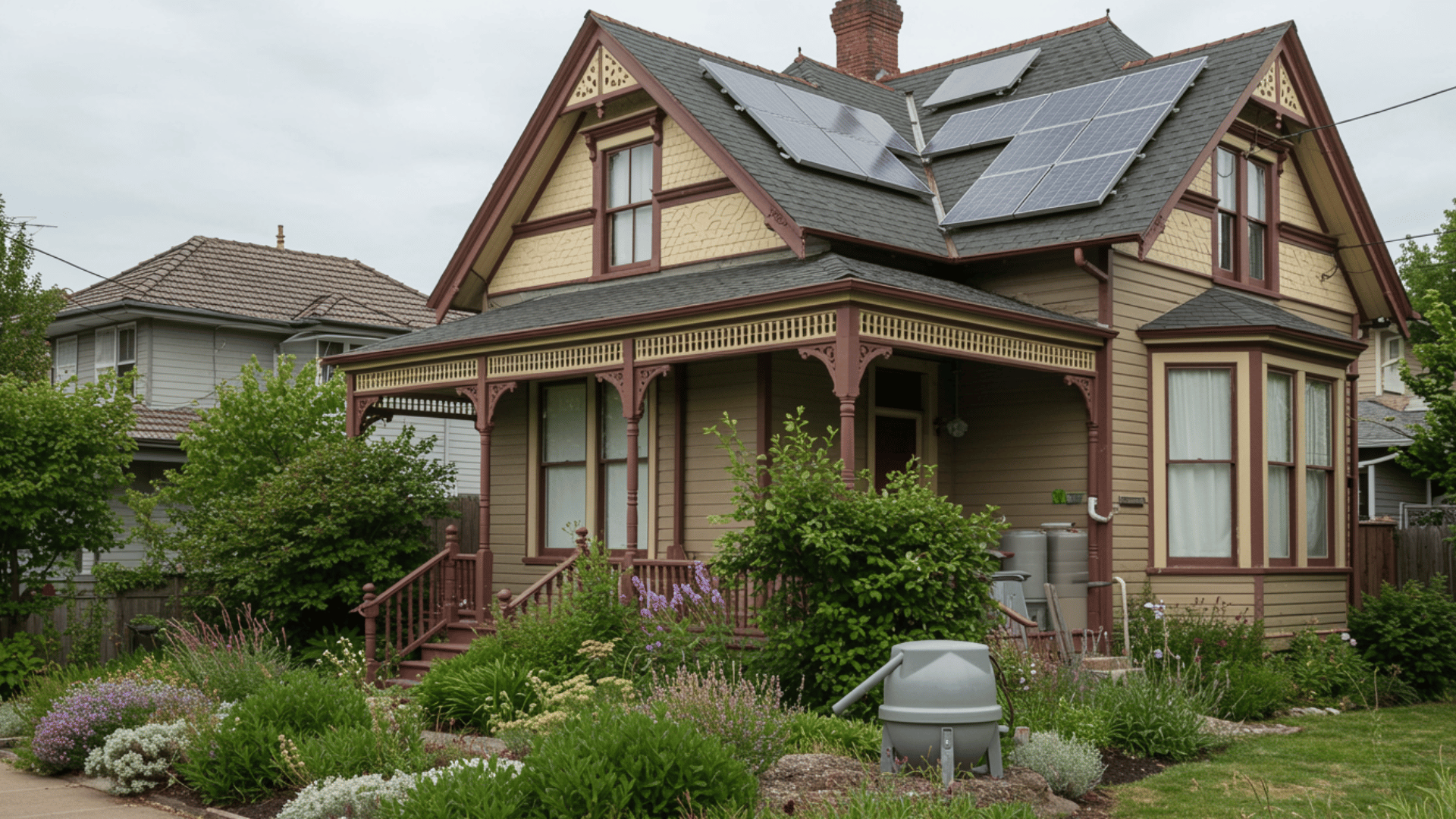
Eco-conscious design incorporates solar panels discreetly into Victorian rooflines, geothermal heating systems, and reclaimed materials throughout.
Period windows are retrofitted with energy-efficient glazing that maintains an authentic appearance. Rainwater collection systems and native landscaping reduce environmental impact.
This approach proves that Victorian homes can achieve modern sustainability standards while preserving their architectural significance and reducing long-term operating costs.
6. Victorian Farmhouse Hybrid
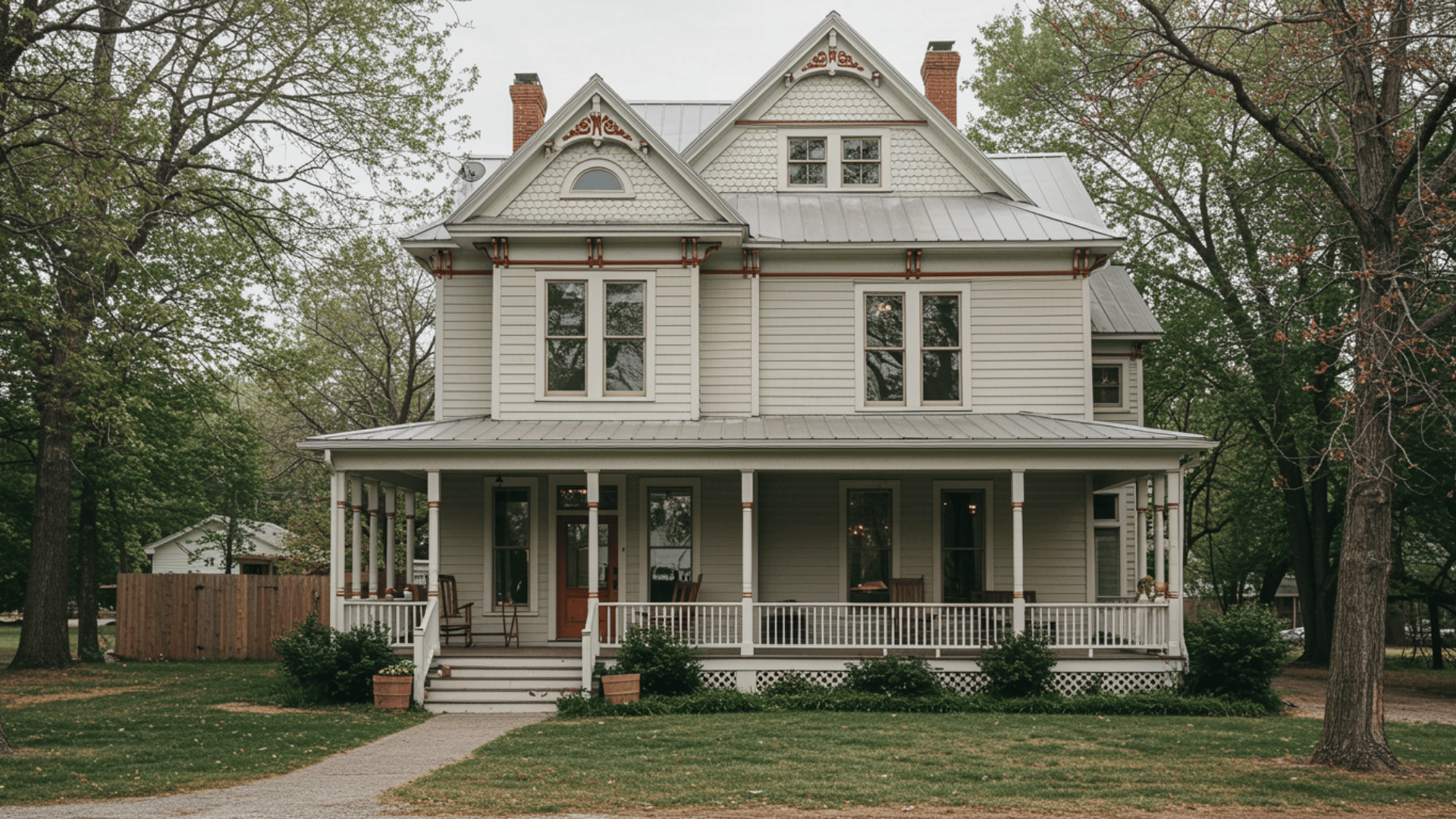
Combining Victorian ornamental details with farmhouse simplicity creates approachable elegance.
Board-and-batten siding appears alongside traditional Victorian trim work, while metal roofing adds rural authenticity.
Wraparound porches feature modern outdoor living spaces with contemporary furniture.
Interiors blend shiplap walls with Victorian ceiling heights and crown molding. This style offers Victorian sophistication without excessive formality, perfect for relaxed family living.
7. Scandinavian-Inspired Victorian
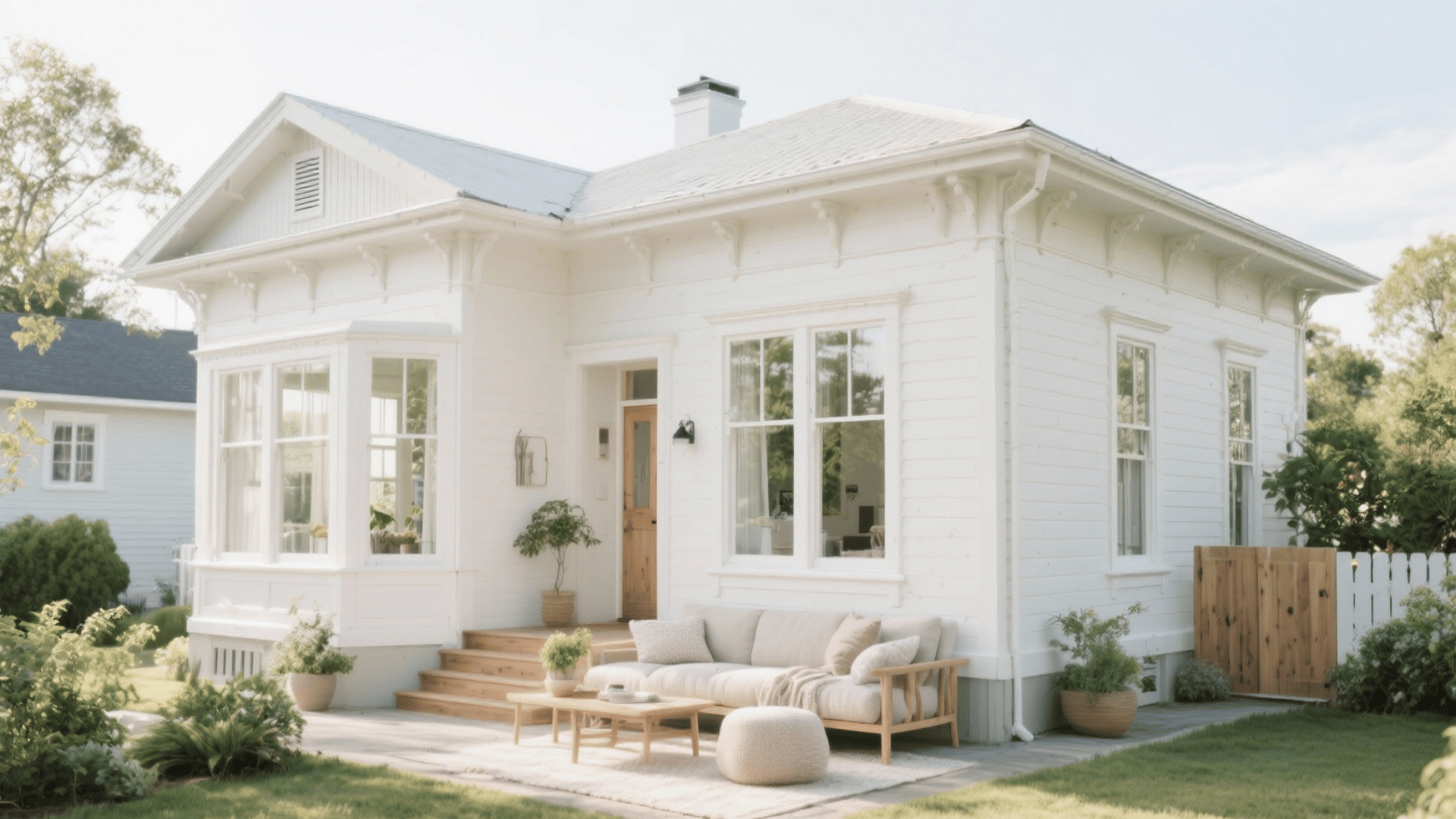
Nordic minimalism meets Victorian architecture through clean lines, natural wood tones, and abundant white space.
Traditional Victorian proportions are maintained while interiors embrace hygge principles with cozy textiles. Large windows maximize natural light, complementing Scandinavian design.
Clutter-free spaces highlight carefully selected Victorian architectural features, creating an environment that beautifully honors both design traditions.
8. Smart Home Victorian Integration
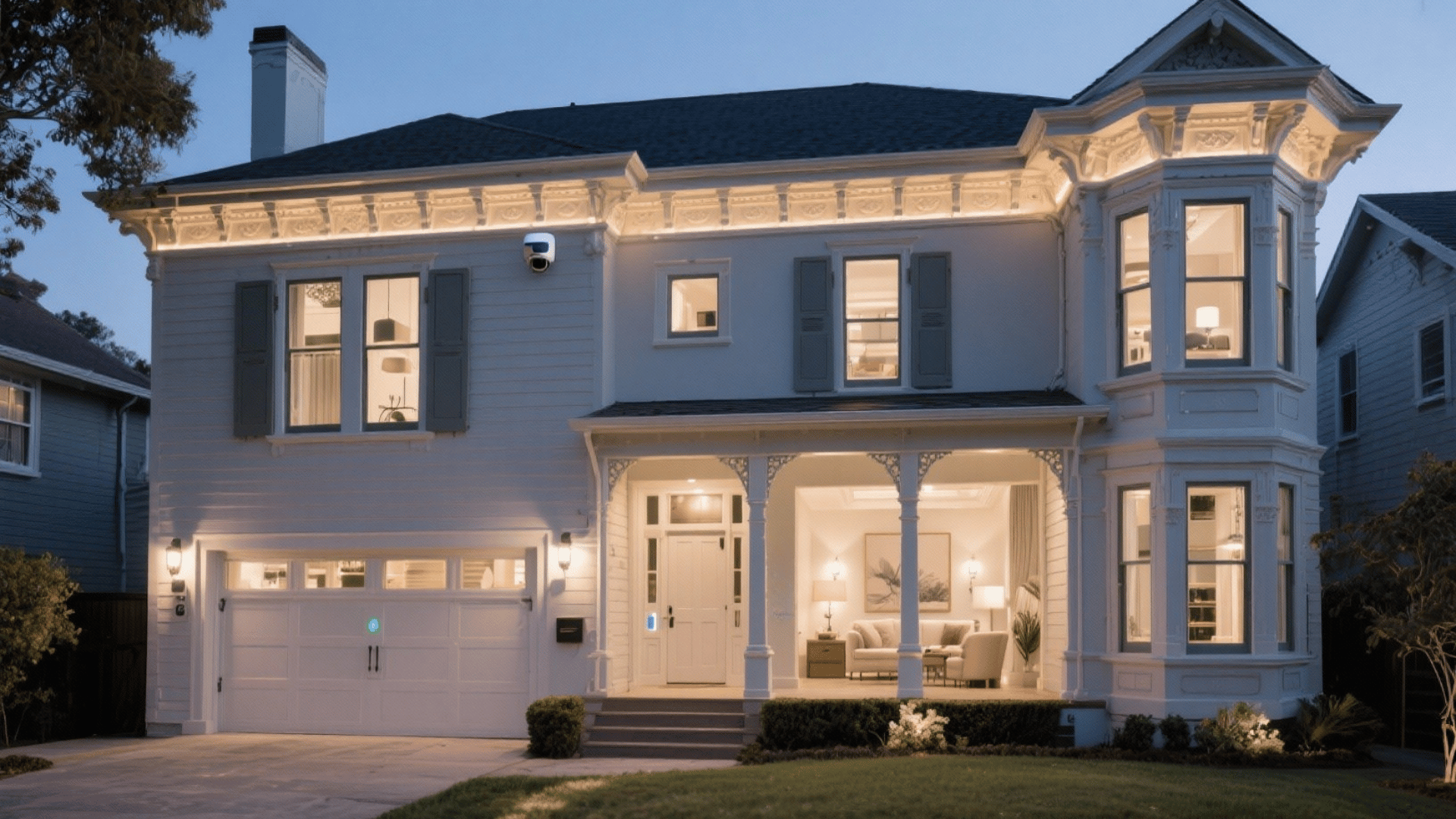
Cutting-edge technology seamlessly integrates into Victorian architecture through hidden systems and discreet installations.
Automated lighting, climate control, and security systems operate behind period-appropriate fixtures and switches. Voice-activated controls manage modern conveniences.
This design proves historic homes can offer ultimate modern convenience while maintaining their timeless architectural appeal.
9. Glass-Walled Victorian Addition
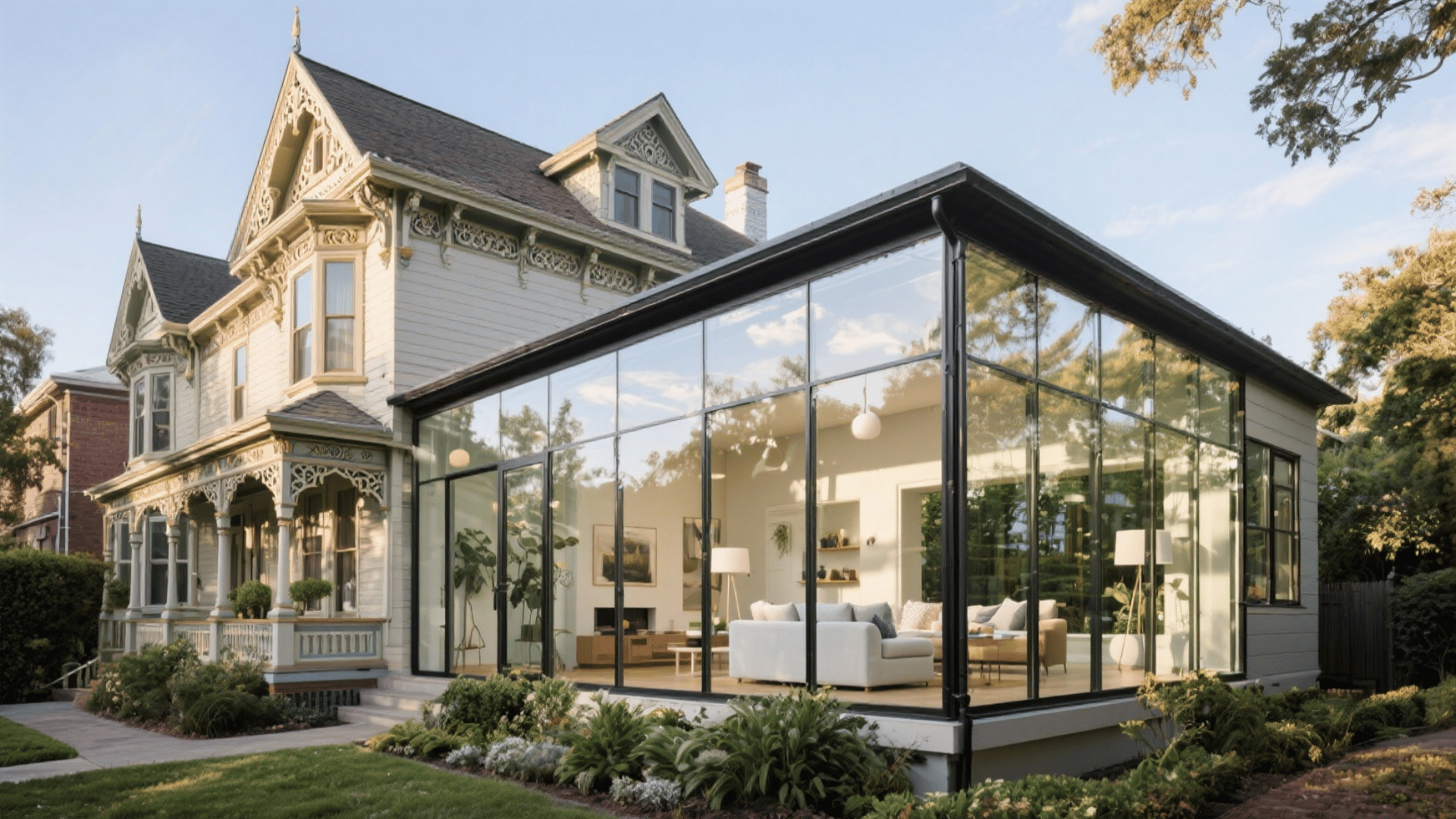
Modern glass extensions contrast dramatically with original Victorian structures, creating dynamic architectural dialogue.
Floor-to-ceiling windows in new additions flood spaces with light while providing garden views. The transparent addition showcases the historic structure’s exterior details from interior spaces.
This bold approach respects the original building by clearly distinguishing old from new, allowing both architectural styles to shine independently.
10. Victorian Townhouse Reimagined
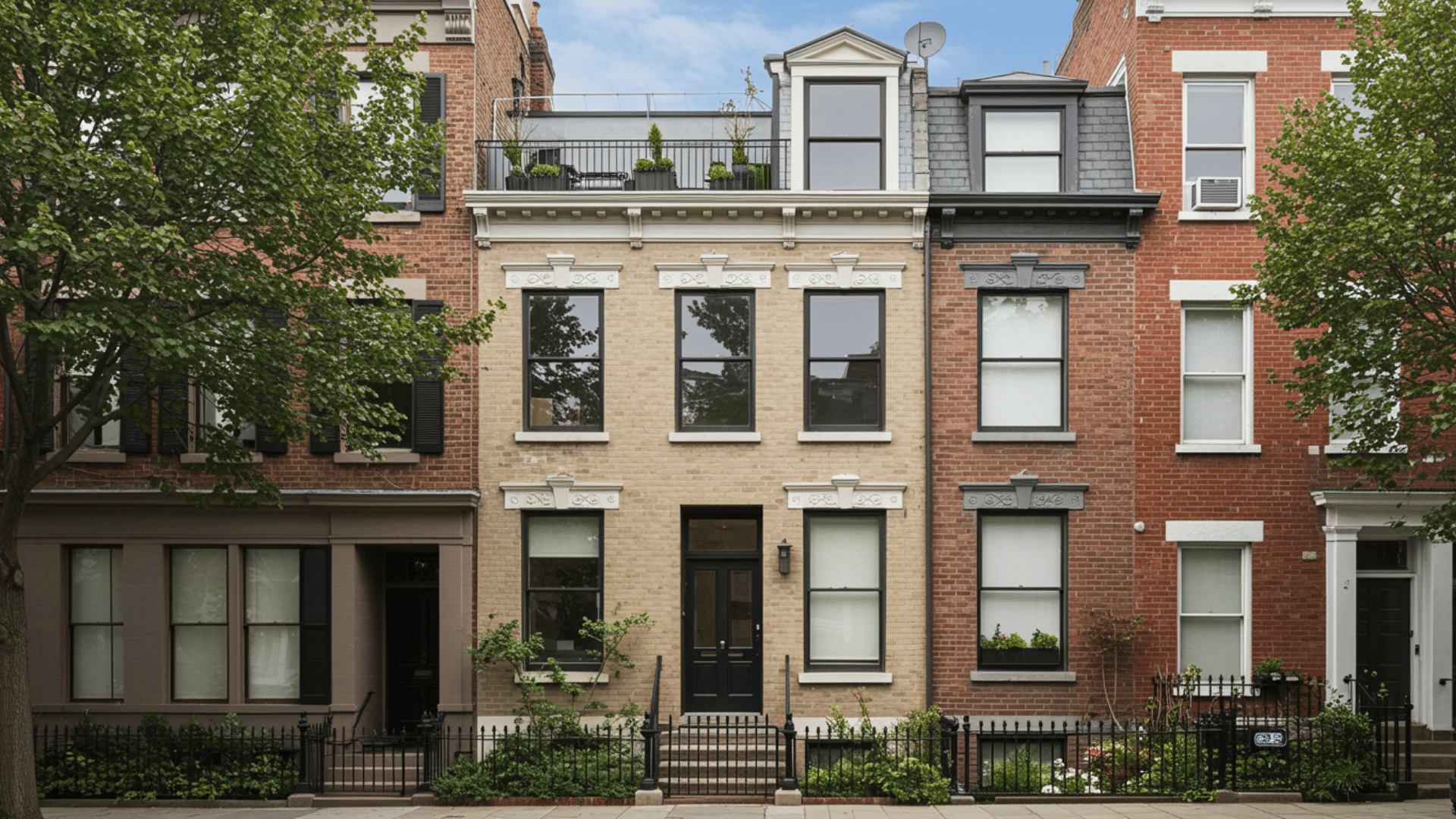
Narrow urban Victorian townhouses are optimized for contemporary city living through vertical design solutions. Each floor serves distinct purposes with modern open layouts.
Rooftop terraces replace traditional attics, providing valuable outdoor space. Original staircases become dramatic focal points with updated railings.
Strategic skylight placement brightens interior rooms. This design maximizes limited urban footprints while maintaining Victorian street presence.
11. Monochromatic Exterior Scheme
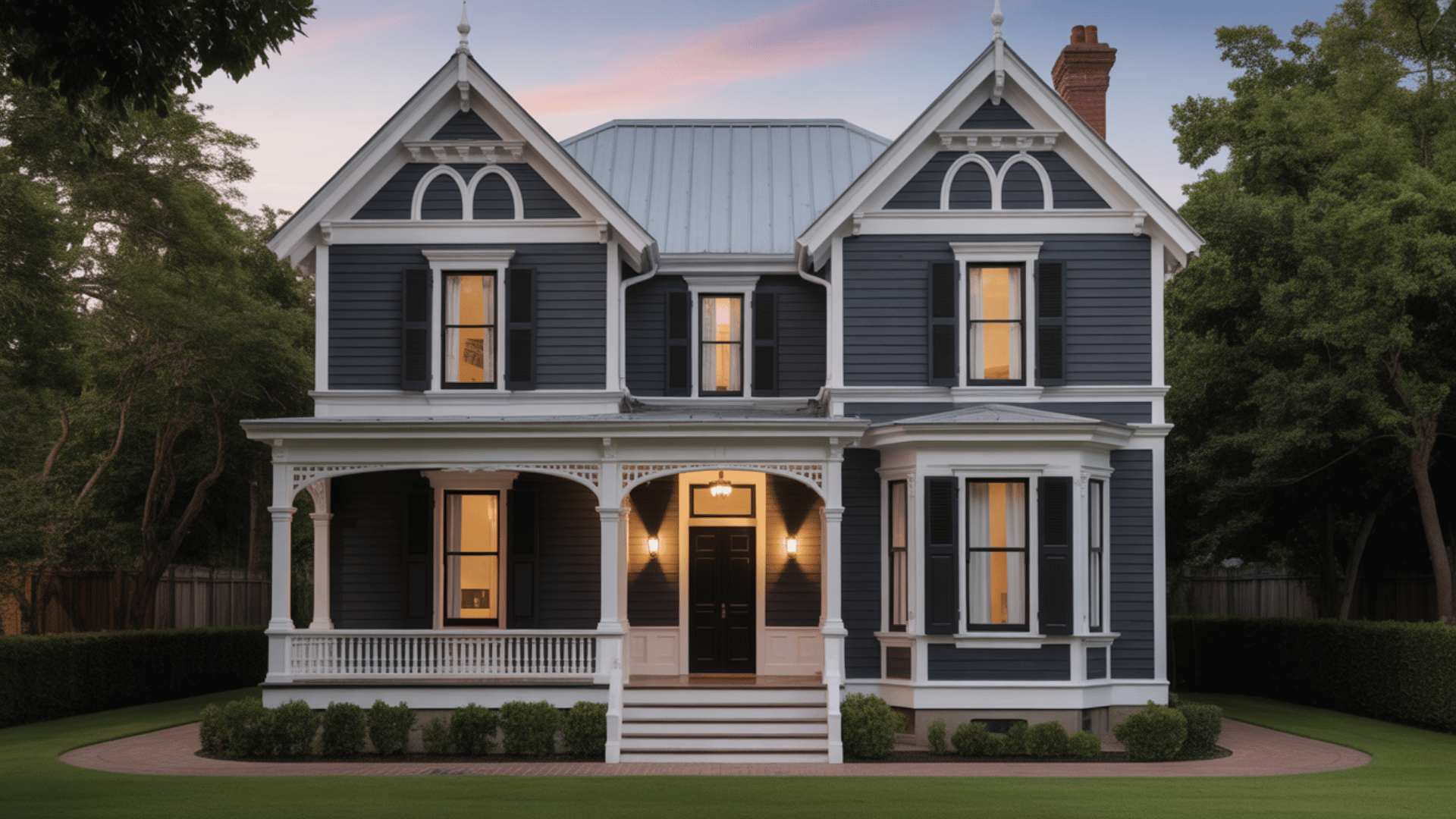
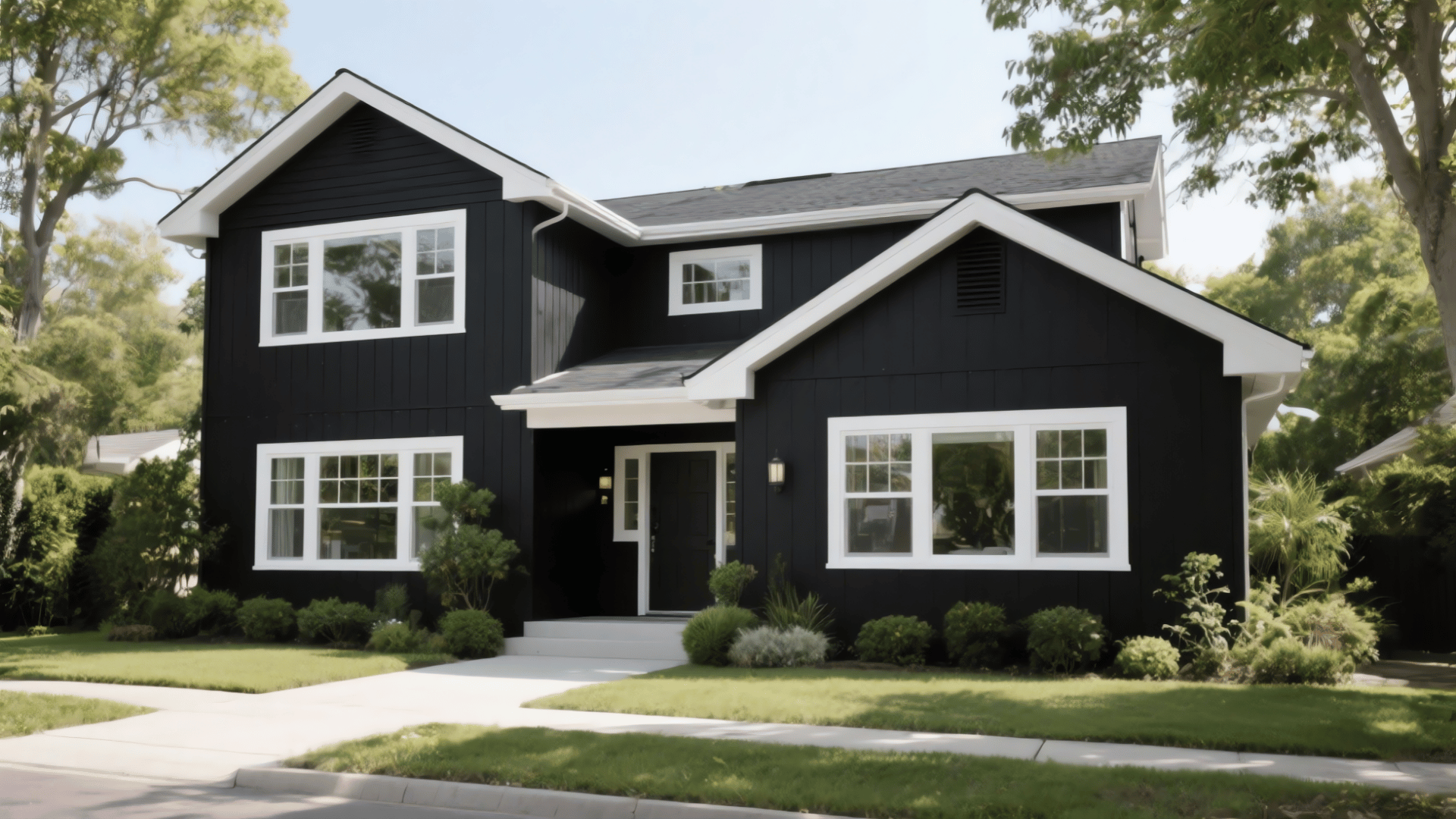
Single-color palettes change traditional Victorian silhouettes into contemporary statements. Deep charcoal, crisp white, or sophisticated navy creates cohesive appearances.
Trim work in matching or subtly contrasting shades maintains definition while avoiding traditional multi-color schemes.
This restrained approach modernizes Victorian exteriors instantly, appealing to minimalist sensibilities while preserving the distinctive silhouette and architectural character.
12. Mixed Material Facades
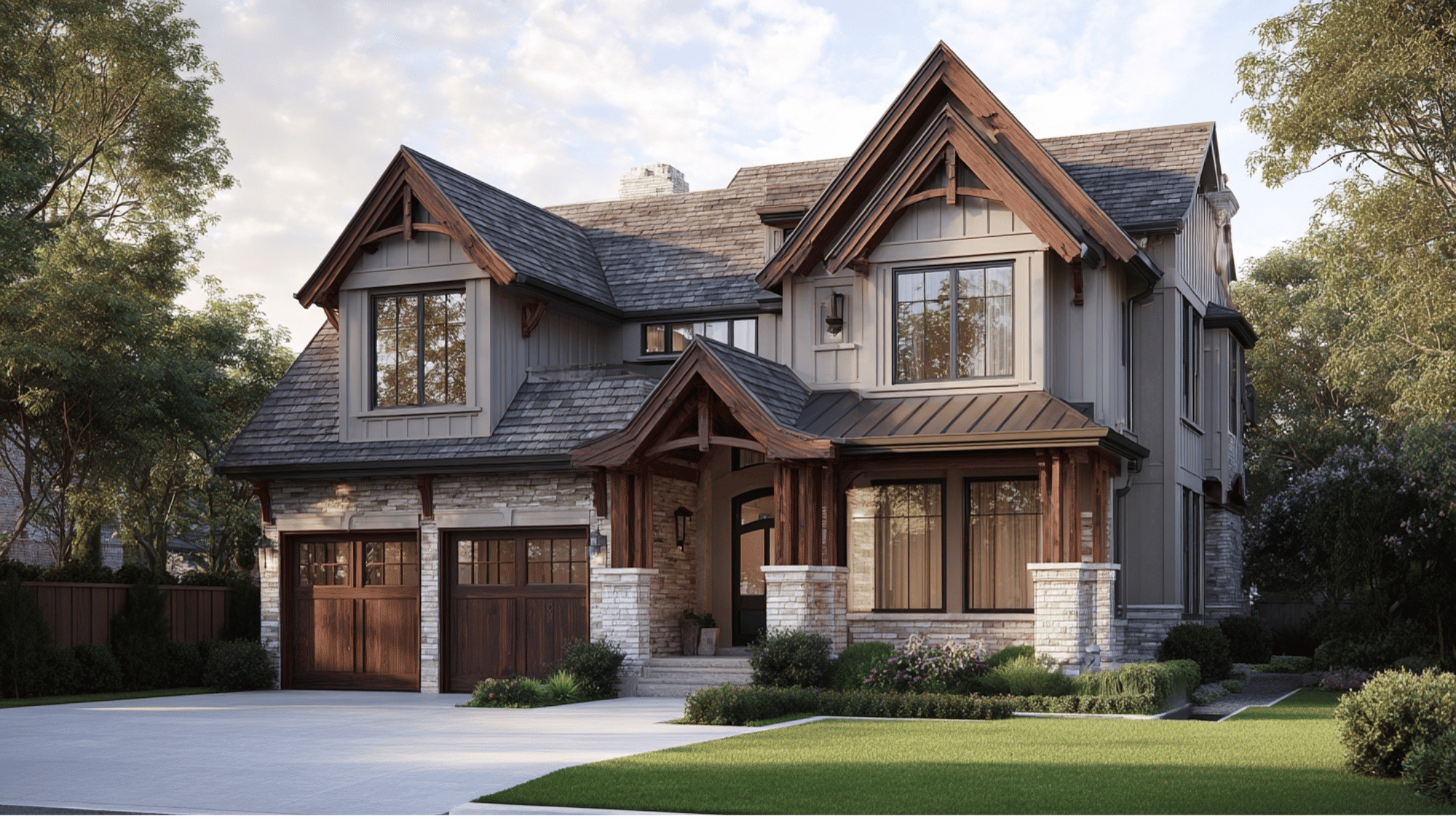
Contemporary materials blend with traditional Victorian elements in their exterior compositions.
Glass panels integrate seamlessly with ornate woodwork sections. Modern fiber-cement boards replicate historic detailing while offering improved durability.
This material diversity adds textural interest while demonstrating how Victorian architecture adapts beautifully to twenty-first-century building technologies.
13. Oversized Modern Windows
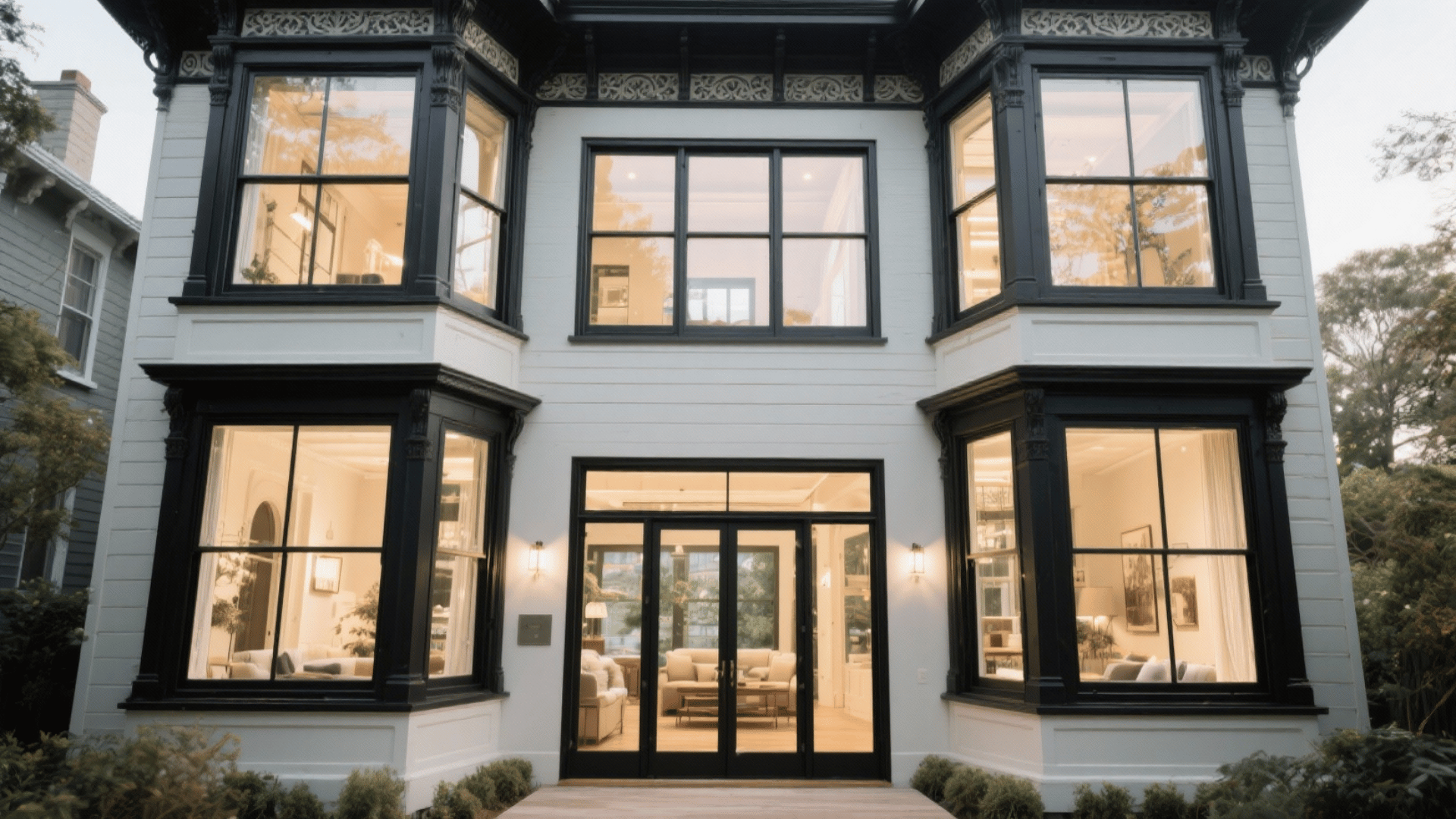
Expansive contemporary window installations replace smaller Victorian originals, flooding homes with natural light.
Black-framed picture windows and sliding glass doors create bold statements against traditional siding. Clerestory windows added to upper gables amplify brightness.
These larger openings modernize Victorian facades while respecting original architectural rhythms and maintaining the home’s historical presence.
14. Flat Roof Additions
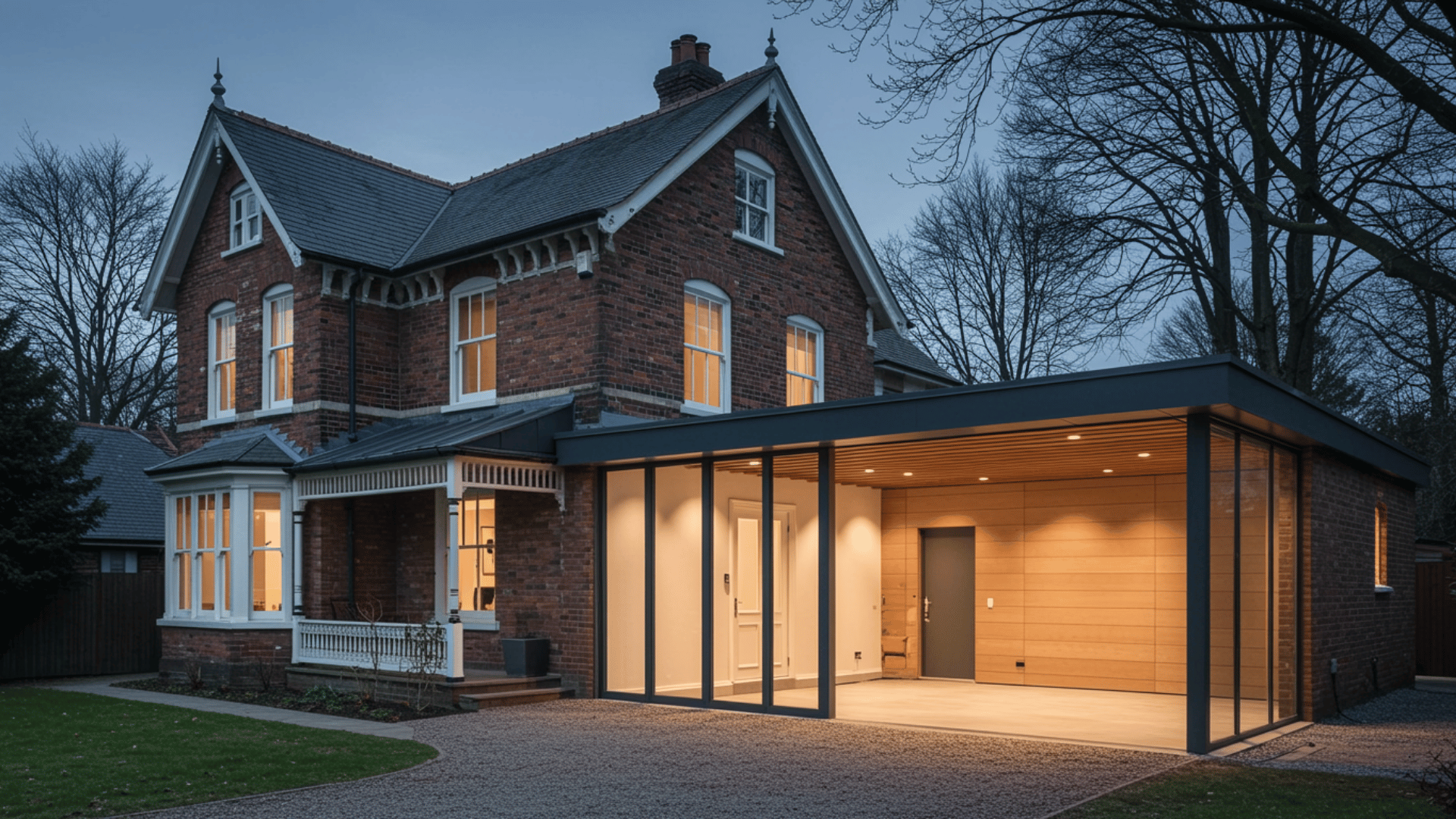
Contemporary flat-roofed extensions provide a striking contrast to Victorian pitched rooflines and ornamental peaks.
These modern additions typically house garages, mudrooms, or covered patios with clean horizontal lines.
The juxtaposition celebrates both architectural eras, creating visual interest while clearly delineating original structure from modern improvements.
15. Streamlined Porch Design
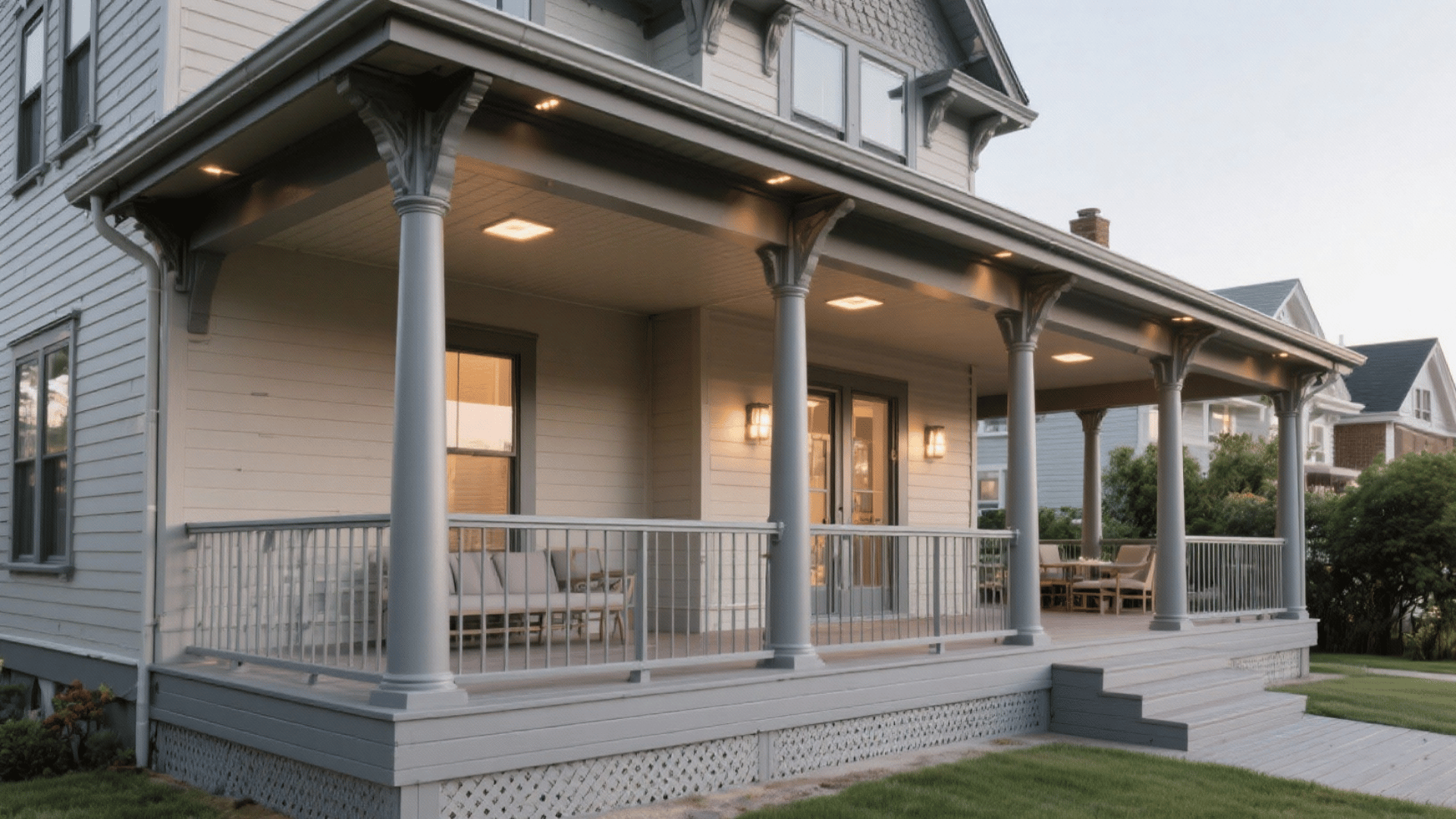
Simplified wraparound porches feature clean-lined railings in metal or cable rather than ornate Victorian spindles.
Tapered craftsman-style columns replace elaborate turned posts, while maintaining generous proportions. Modern composite decking offers low maintenance in neutral tones.
This updated approach preserves the welcoming porch tradition while embracing contemporary aesthetics and practical materials.
16. Vertical Board-and-Batten Siding
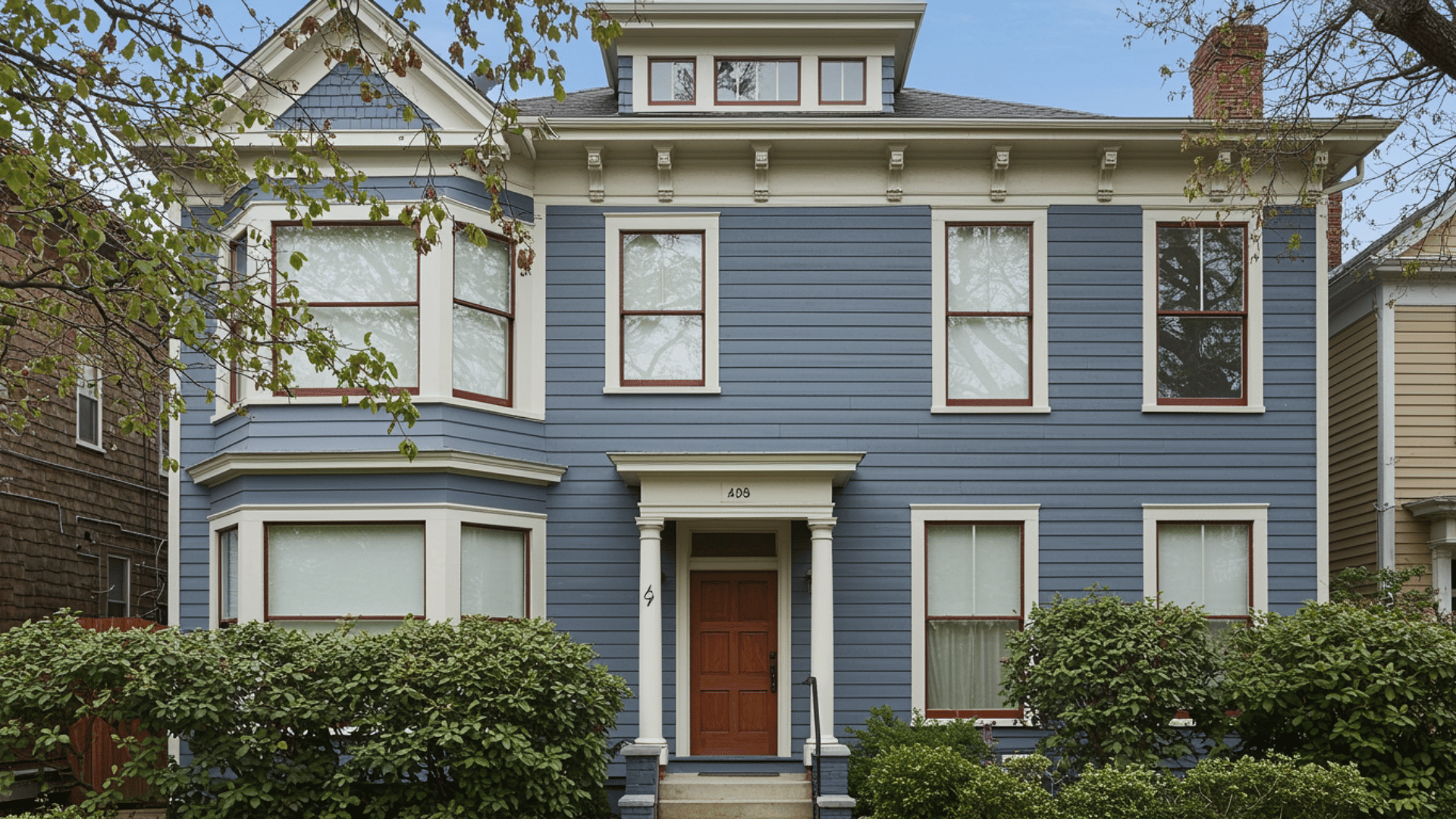
Modern board-and-batten applications provide fresh alternatives to traditional Victorian clapboard or shingle patterns.
Typically executed in single colors, this siding style maintains period scale while simplifying ornamental complexity.
The strong vertical lines enhance Victorian height and drama, proving that simpler surface treatments can honor historic architecture effectively.
17. Metal Roof Modernization
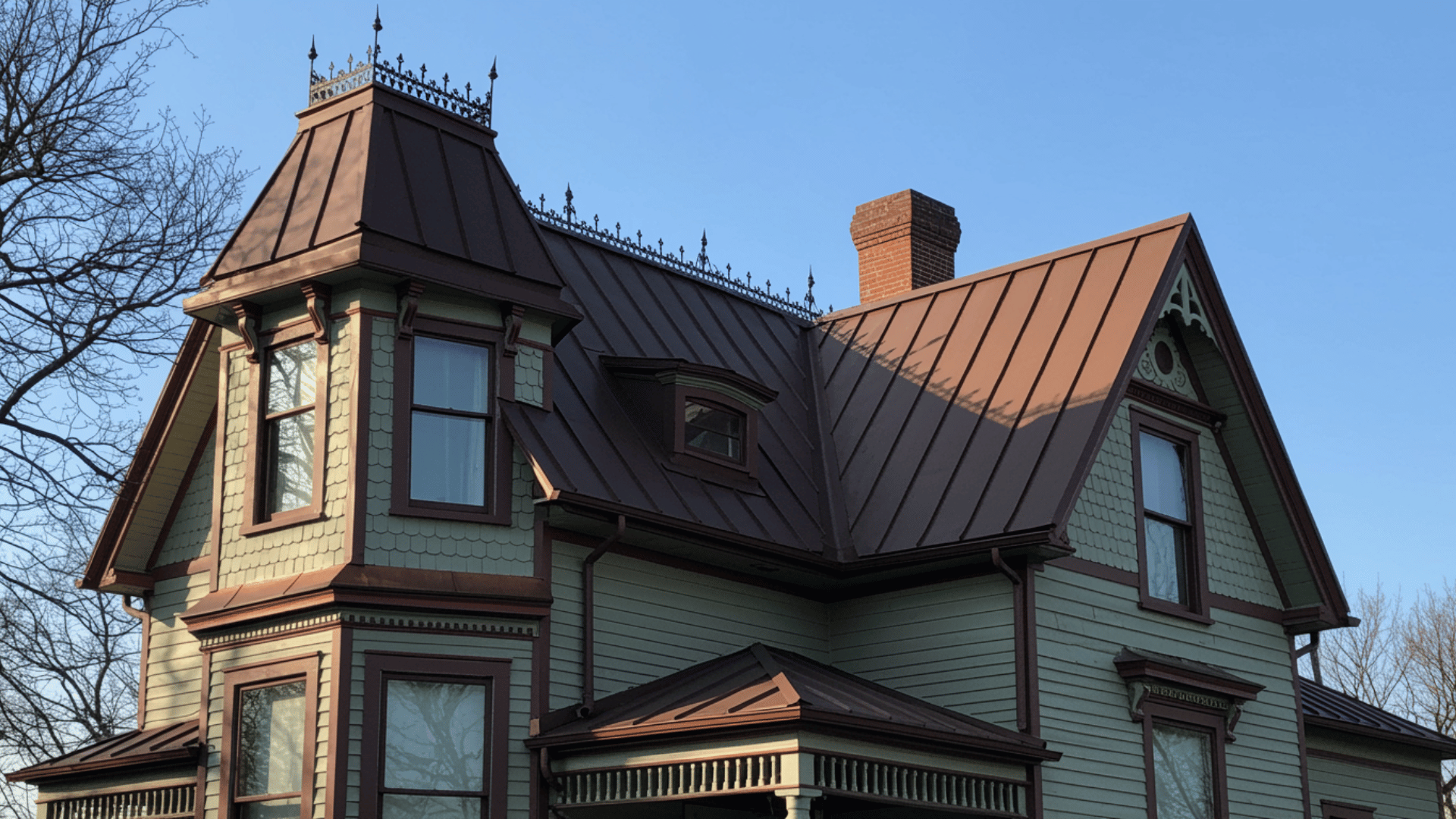
Standing-seam metal roofing in matte black, zinc gray, or weathered copper replaces traditional asphalt shingles.
These contemporary materials follow the Victorian roofline beautifully while offering superior longevity and weather resistance. Metal complements both ornate and Victorian detailing.
The crisp lines and modern finish transform roof planes into architectural features rather than merely functional elements.
18. Geometric Gable Treatments
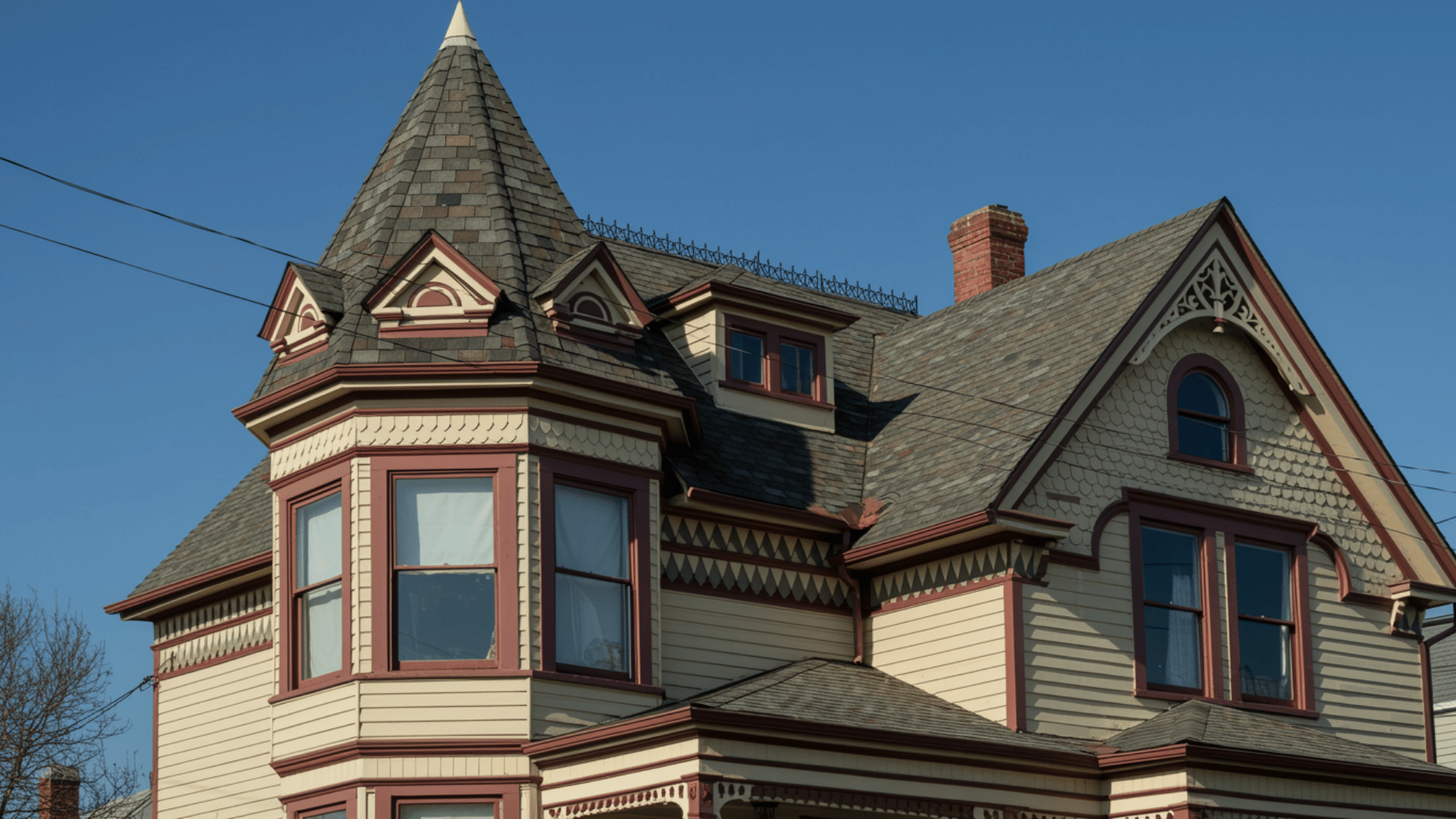
Bold geometric patterns in gable ends replace traditional fish-scale shingles or ornate bargeboards.
Modern designs might feature contrasting horizontal siding, decorative battens in geometric arrangements, or negative space cutouts.
These updated treatments maintain Victorian emphasis on gable decoration while introducing contemporary graphic sensibility. The approach honors tradition through position.
19. Minimalist Color Blocking
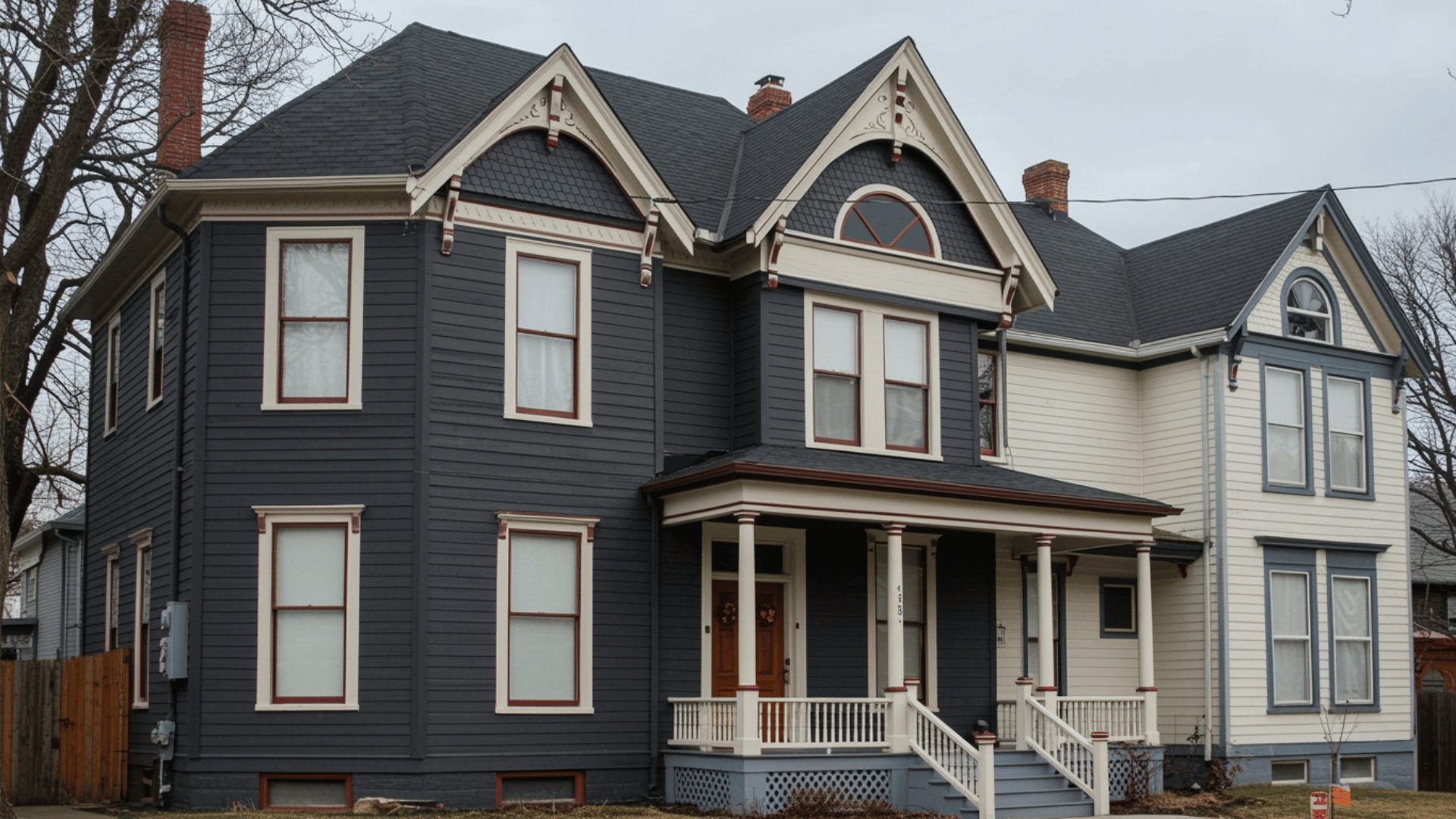
Strategic two-tone color applications create modern visual impact on Victorian facades. Body and trim receive high-contrast treatment, perhaps charcoal walls with white details.
Color transitions follow architectural lines rather than decorative elements, emphasizing form over ornamentation.
This technique respects Victorian structure while applying contemporary color theory principles.
Tips to Keep in Mind While Opting for a Modern Victorian House
Blending Victorian charm with modern living isn’t easy, but it’s totally worth it. Here’s what you need to know before diving into this timeless style.
- Balance ornate and minimal: Victorian homes love details, but don’t go overboard. Mix decorative moldings with clean, simple furniture so your space doesn’t feel cluttered or like a museum.
- Update while respecting history: Keep original features like fireplaces and wood floors, but modernize with updated lighting, plumbing, and energy-efficient windows. Best of both worlds.
- Choose a cohesive color scheme: Victorians weren’t shy about color, but that doesn’t mean chaos. Pick 3-4 colors that work together and stick with them throughout your home.
- Invest in quality materials: Victorian details deserve quality. Cheap reproductions look fake and cheapen the whole aesthetic. Save up for the real deal or quality replicas.
- Don’t forget functionality: High ceilings and bay windows are gorgeous, but think about heating costs, window treatments, and everyday living. Pretty should also be practical.
Conclusion
As we’ve seen throughout this, Victorian house plans offer an extraordinary opportunity to blend architectural heritage with contemporary comfort.
If you’re drawn to the dramatic turrets, intricate woodwork, or the stately presence these homes command, the key is to find a balance between originality and practicality.
Creating a successful modern Victorian home requires careful planning, attention to architectural details, and a clear vision of how you’ll live in the space.
Your dream Victorian home awaits one that respects tradition while confidently accepting the future.