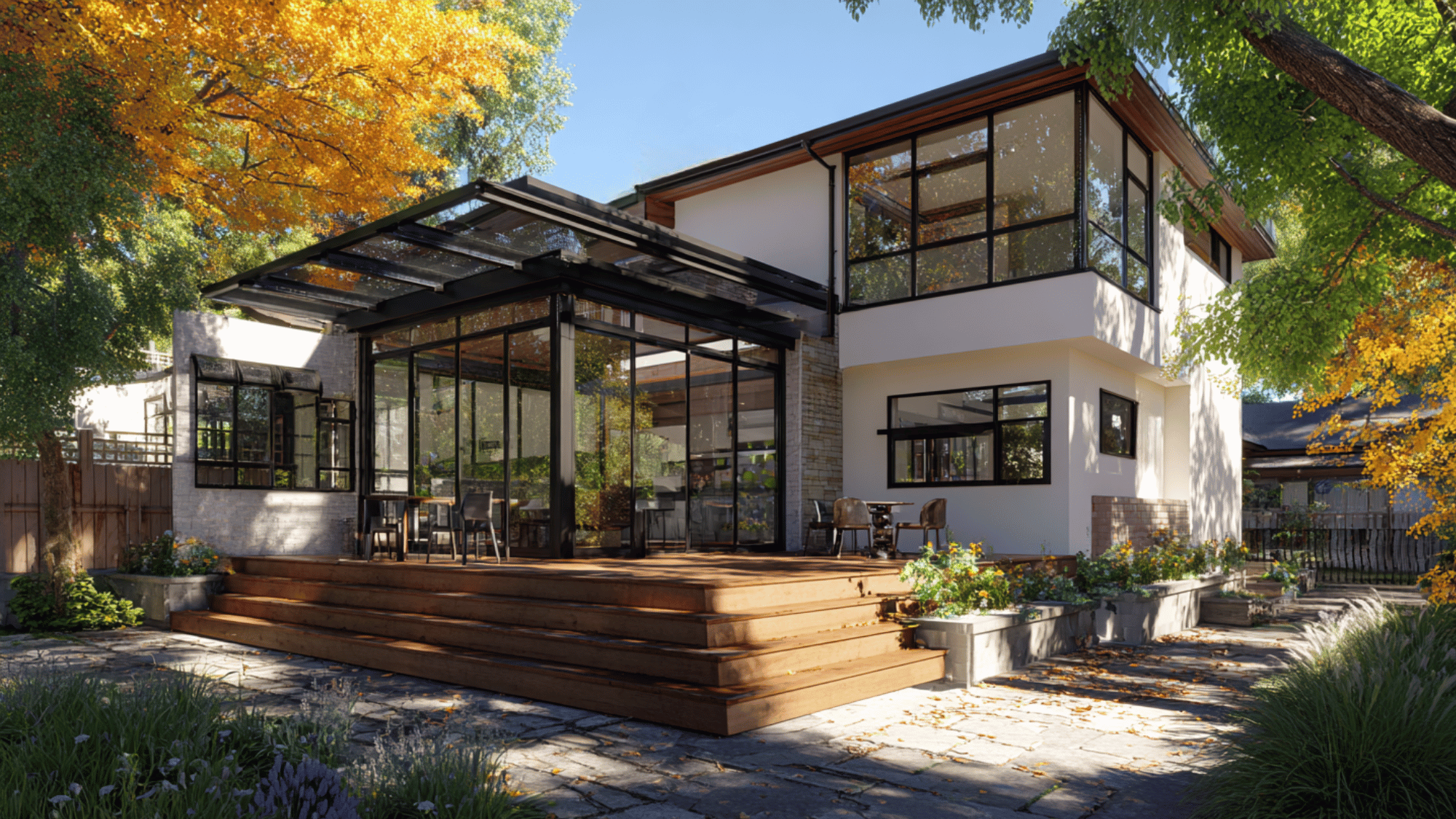
Feeling cramped but not ready to move? A home addition could be the perfect solution.
Instead of searching for a new place, homeowners can expand their existing space to better suit their lifestyle.
A well-planned home addition design provides extra room for family activities or storage while improving functionality. Beyond the practical benefits, it can significantly boost a property’s value for the homeowners.
This blog covers the most popular addition types and inspiring design ideas to help homeowners make the right choice for their space.
What is a Home Addition?
A home addition design is any project that expands or reconfigures a house to create more usable space. It can take two main forms: expansions and conversions.
Expansions involve increasing the home’s footprint, such as adding a new bedroom, bathroom, or second story, while conversions change existing areas like basements, attics, or garages into functional living spaces.
A home addition makes sense when homeowners love their location but need more room for comfort or lifestyle changes.
It’s often a smarter, more personalized investment than buying a new home, especially when factoring in moving costs and market conditions.
Types of Home Additions
Home additions come in many forms, offering options for every budget, lifestyle, and architectural style. Here are popular choices.
1. Room Addition
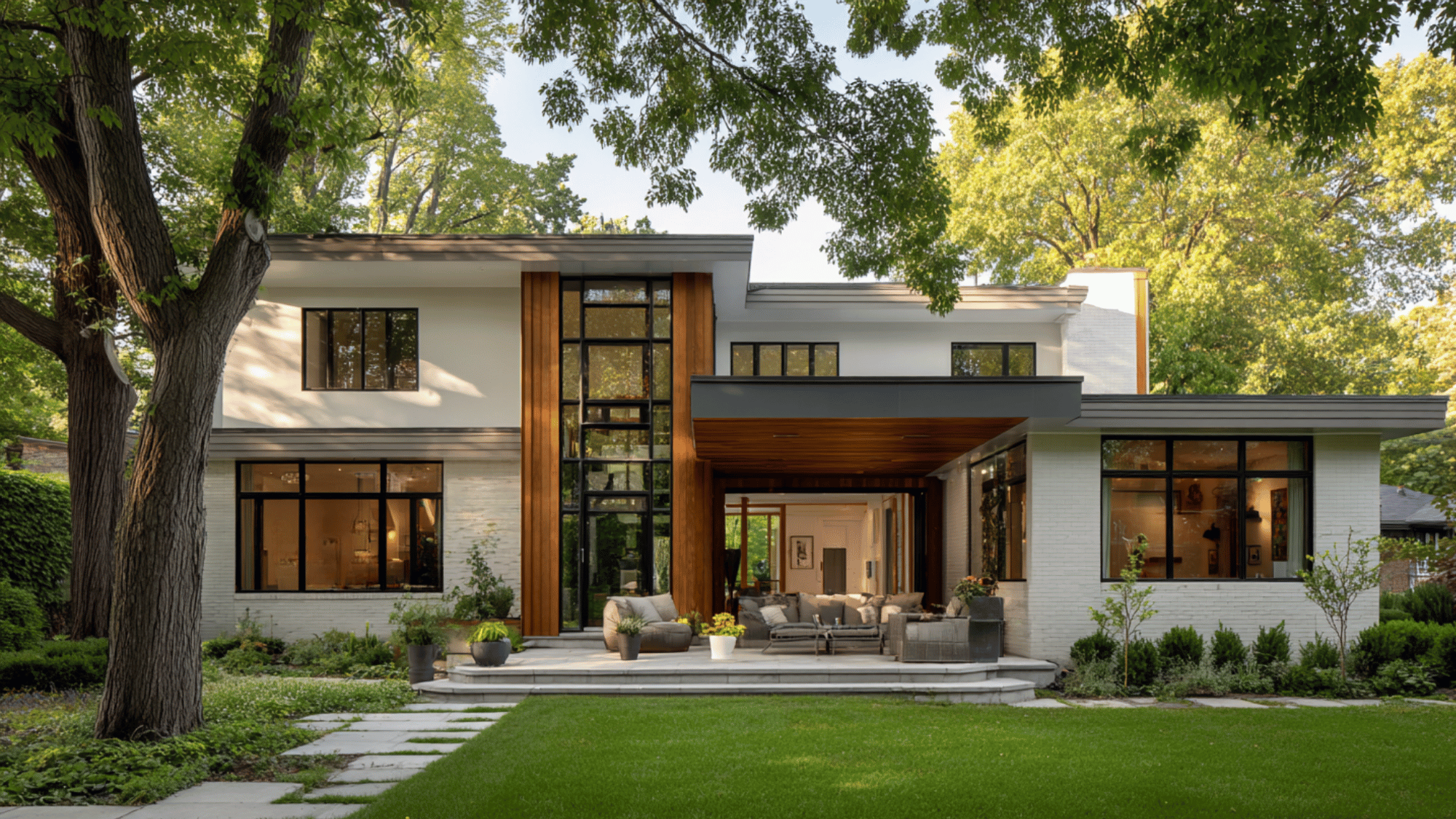
A full room addition involves constructing an entirely new space, such as a family room, guest bedroom, or home office.
This project not only increases your living area but also boosts your home’s overall functionality and resale value. It allows for creative design choices that blend seamlessly with the existing structure.
Ideal for families needing extra room, a full addition offers flexibility in layout, finishes, and purpose, making it one of the most effective ways to expand your living environment.
2. Bump-Out Addition
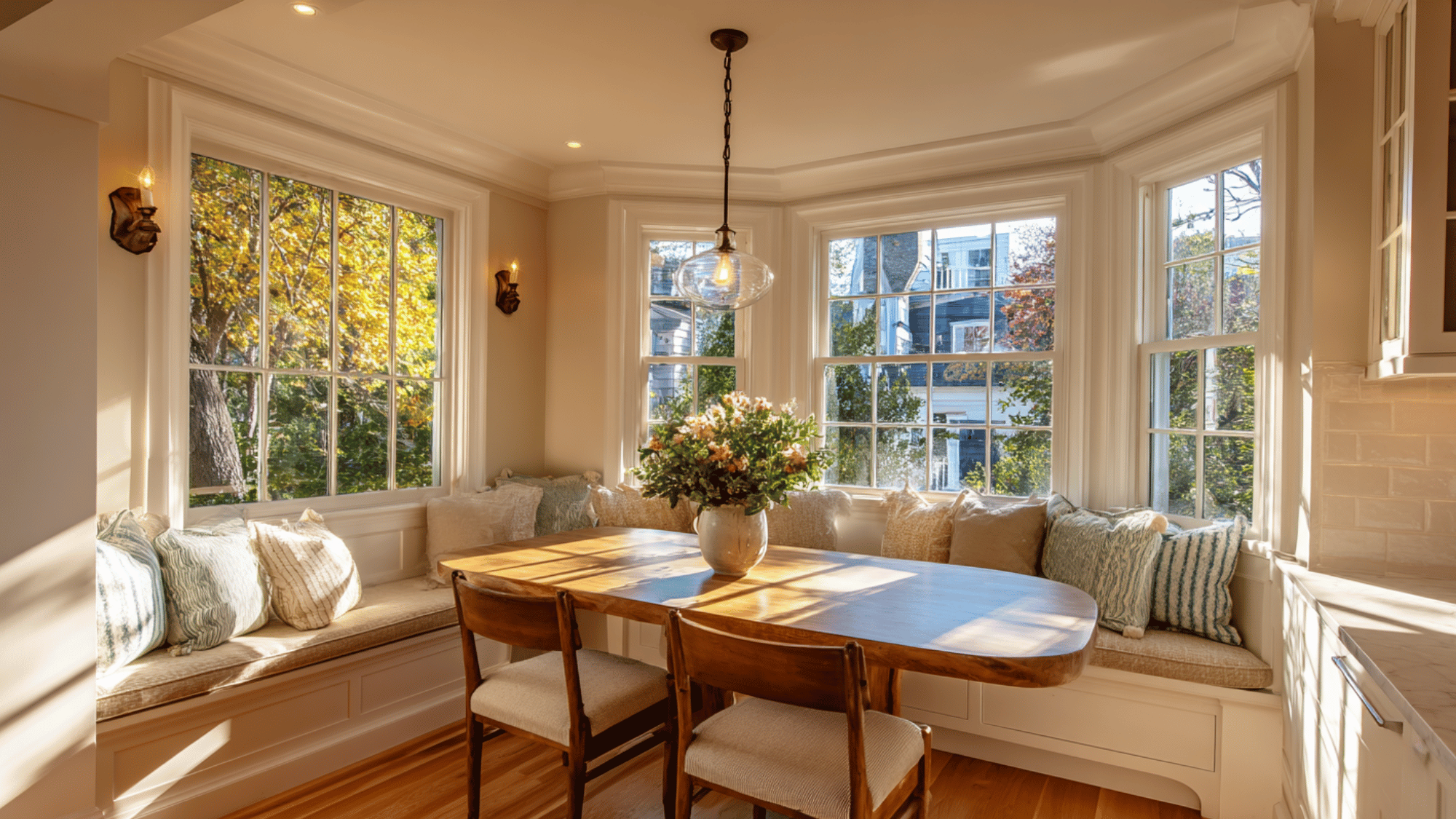
A bump-out extension slightly enlarges an existing room, adding a few extra feet of valuable space without requiring a full-scale addition.
Commonly used in kitchens, bathrooms, or dining areas, it’s a cost-effective upgrade that improves comfort and design flow.
Homeowners often use bump-outs to add built-in seating, storage, or luxury fixtures. Since it maintains the home’s footprint, it’s perfect for amplifying functionality while preserving architectural balance and exterior aesthetics.
3. Second-Story Addition
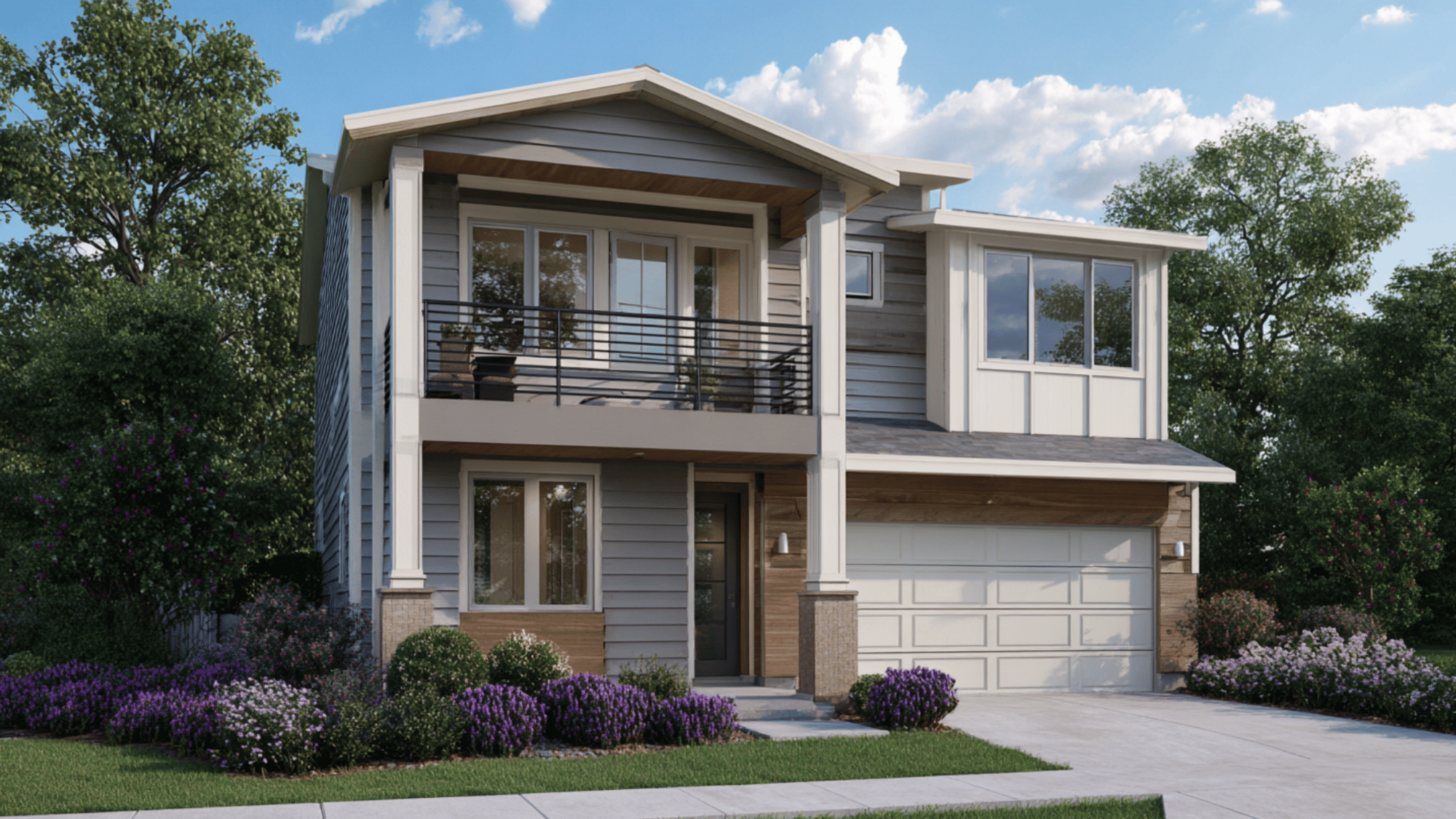
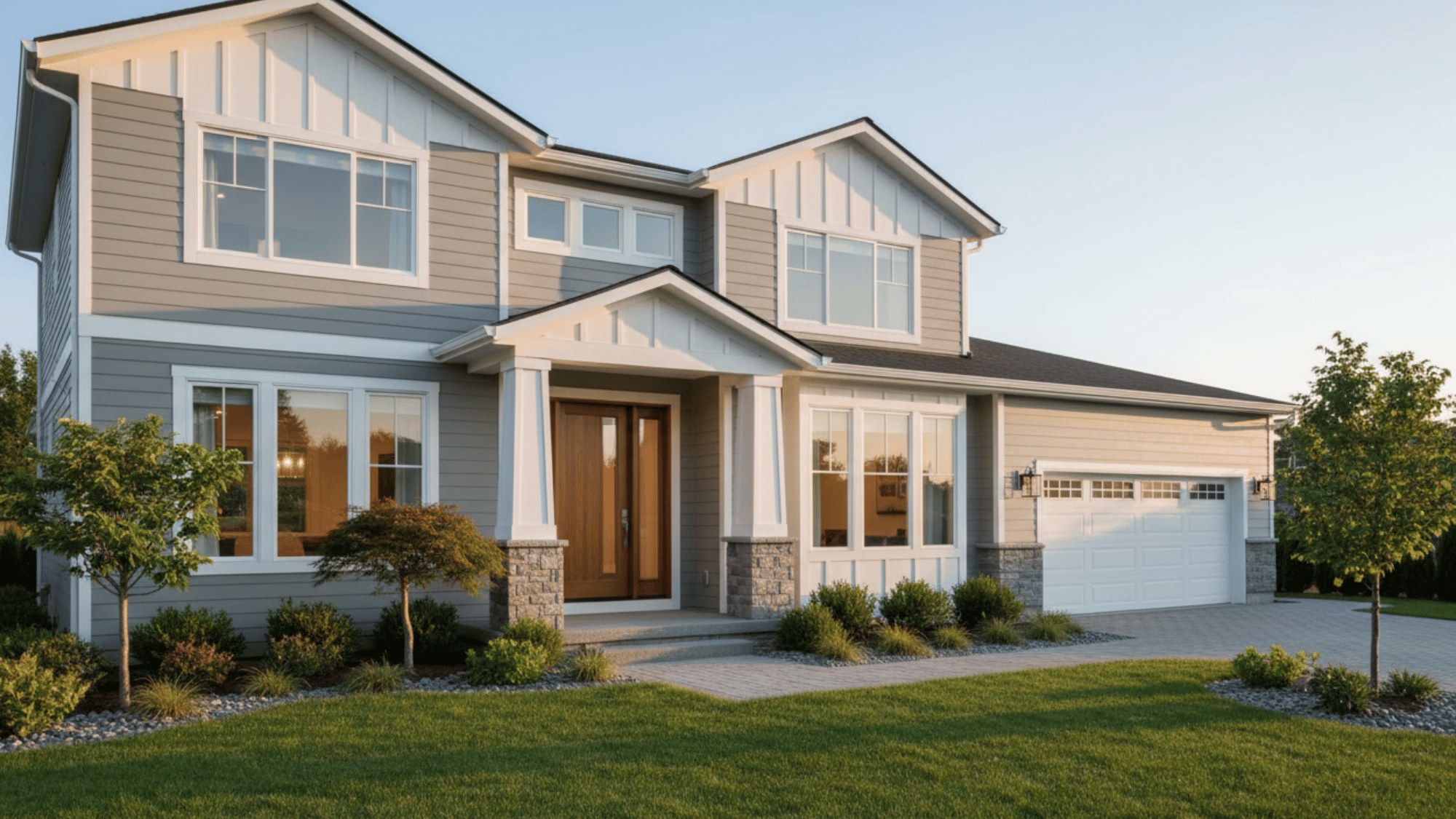
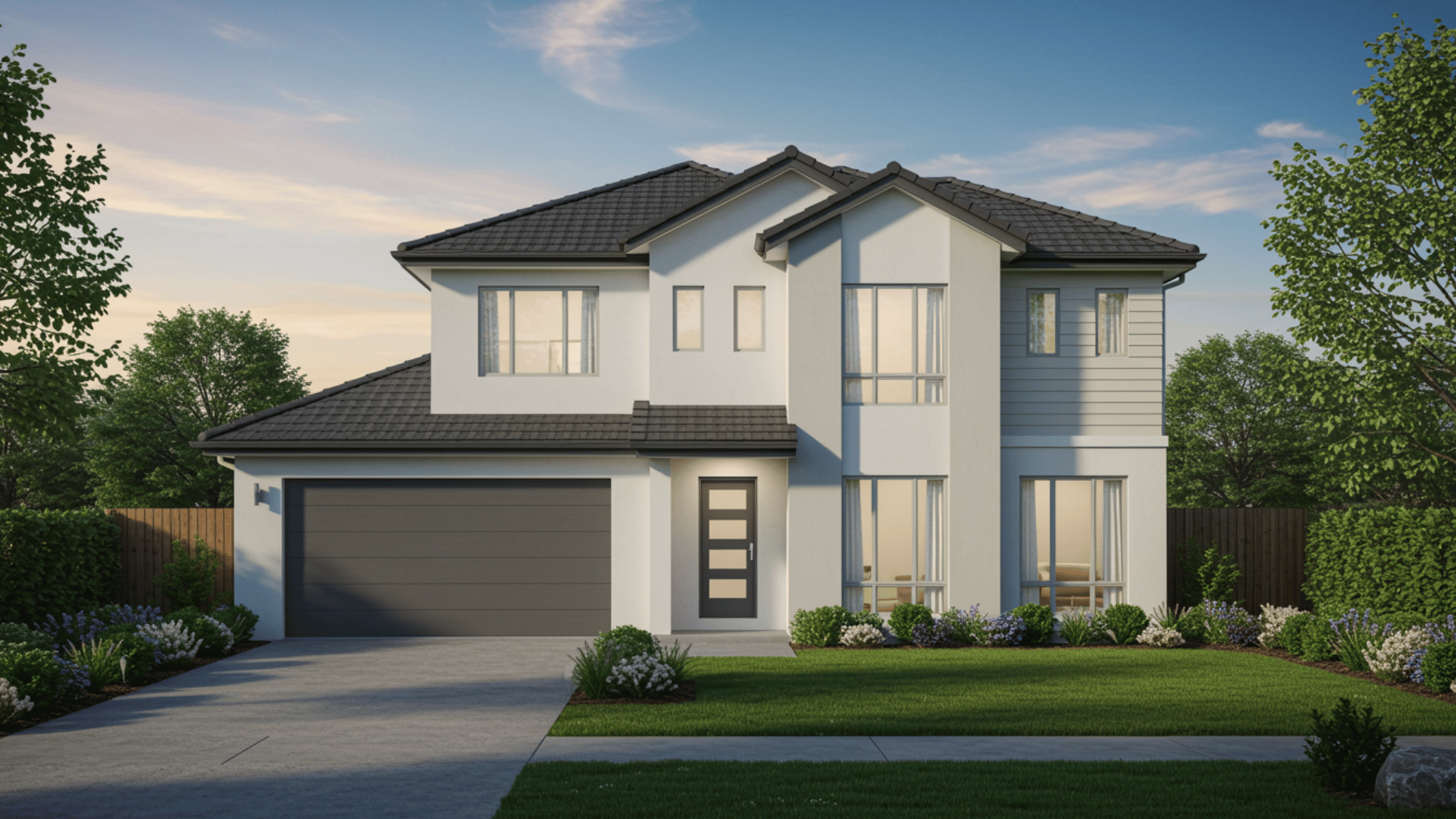
A second-story addition adds a full level to your home, dramatically expanding living space without taking up more land. It’s ideal for small lots or urban settings where horizontal expansion isn’t feasible.
This type of renovation requires careful structural reinforcement to support the added weight.
It allows you to create new bedrooms, bathrooms, or even a master suite, improving privacy, functionality, and overall home value while transforming your home’s profile and design potential.
4. Sunroom Addition
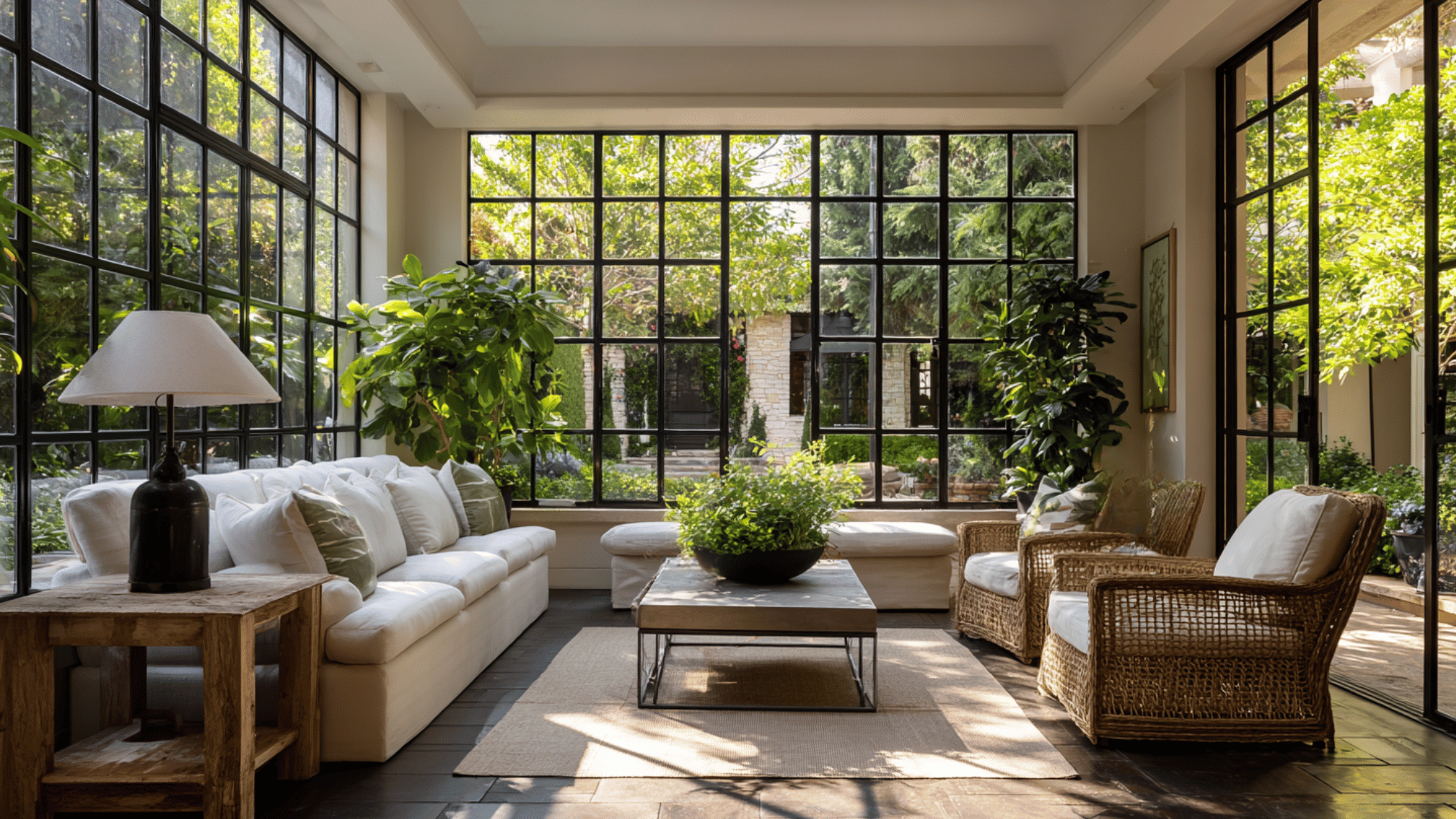
A sunroom addition creates a serene transition between the indoors and outdoors.
Featuring large windows or glass walls, it floods your space with natural light and offers beautiful outdoor views year-round. Depending on insulation, it can serve as a three-season or four-season retreat.
Sunrooms are great for reading, lounging, or entertaining, adding both style and relaxation. Their airy design increases natural brightness while enhancing your home’s overall appeal and livability.
5. Garage Conversion
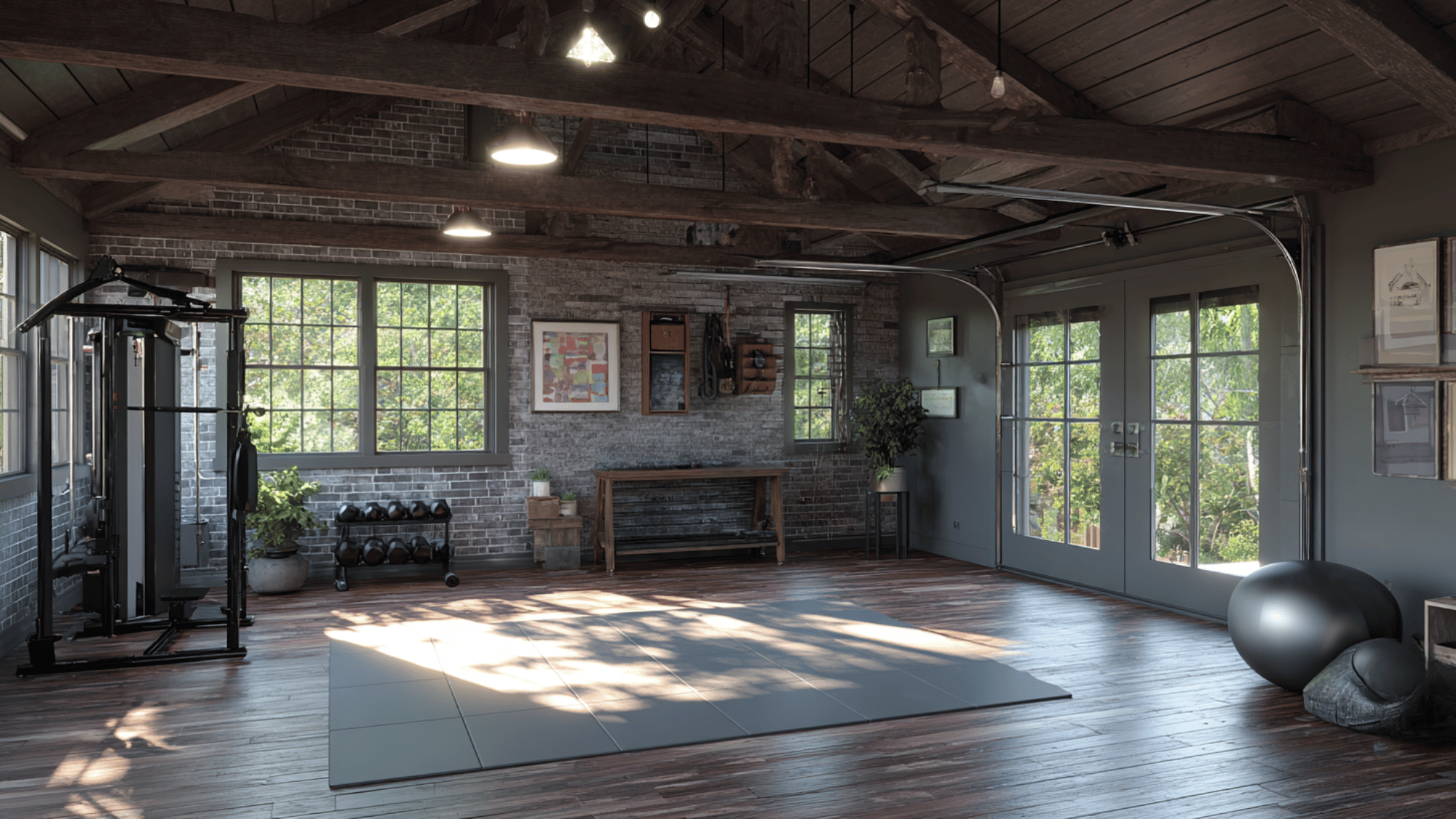
A garage conversion transforms unused square footage into livable space, like a home gym, studio, or guest suite, without the cost of building new walls.
With proper insulation, ventilation, and windows, a garage can become a comfortable, versatile room. This upgrade requires minimal exterior changes, making it one of the easiest and most budget-friendly ways to expand.
It’s a smart solution for homeowners looking to maximize existing structures while improving functionality.
6. Basement Conversion
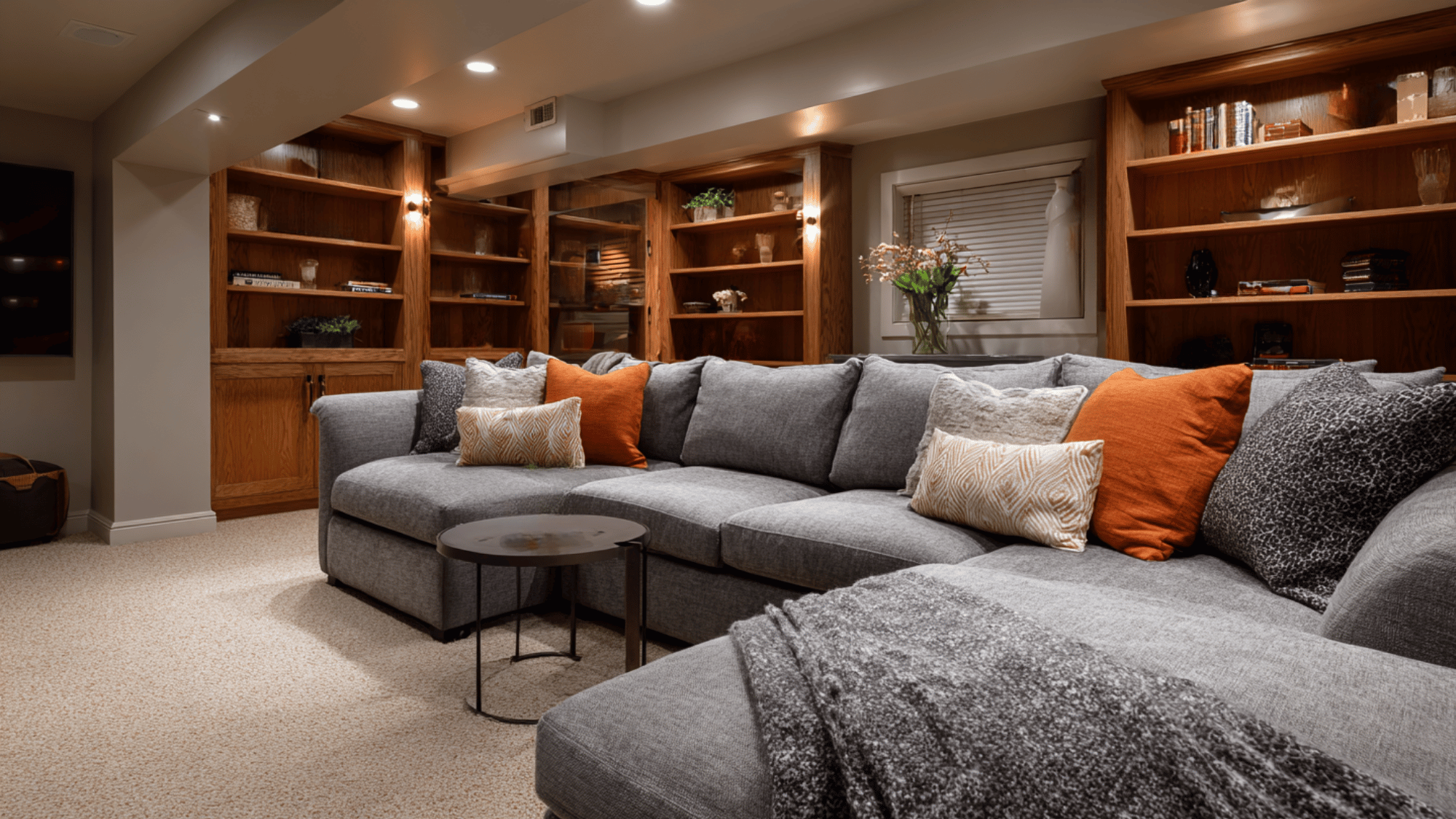
Converting a basement into a livable area adds valuable square footage while making use of underutilized space.
Common changes include home theaters, playrooms, or guest suites. To ensure comfort, proper waterproofing, lighting, and ventilation are essential.
A finished basement enhances both functionality and property value, turning a dark, unused area into a bright, inviting environment. It’s a cost-effective addition that adapts to your lifestyle needs.
7. Attic Conversion
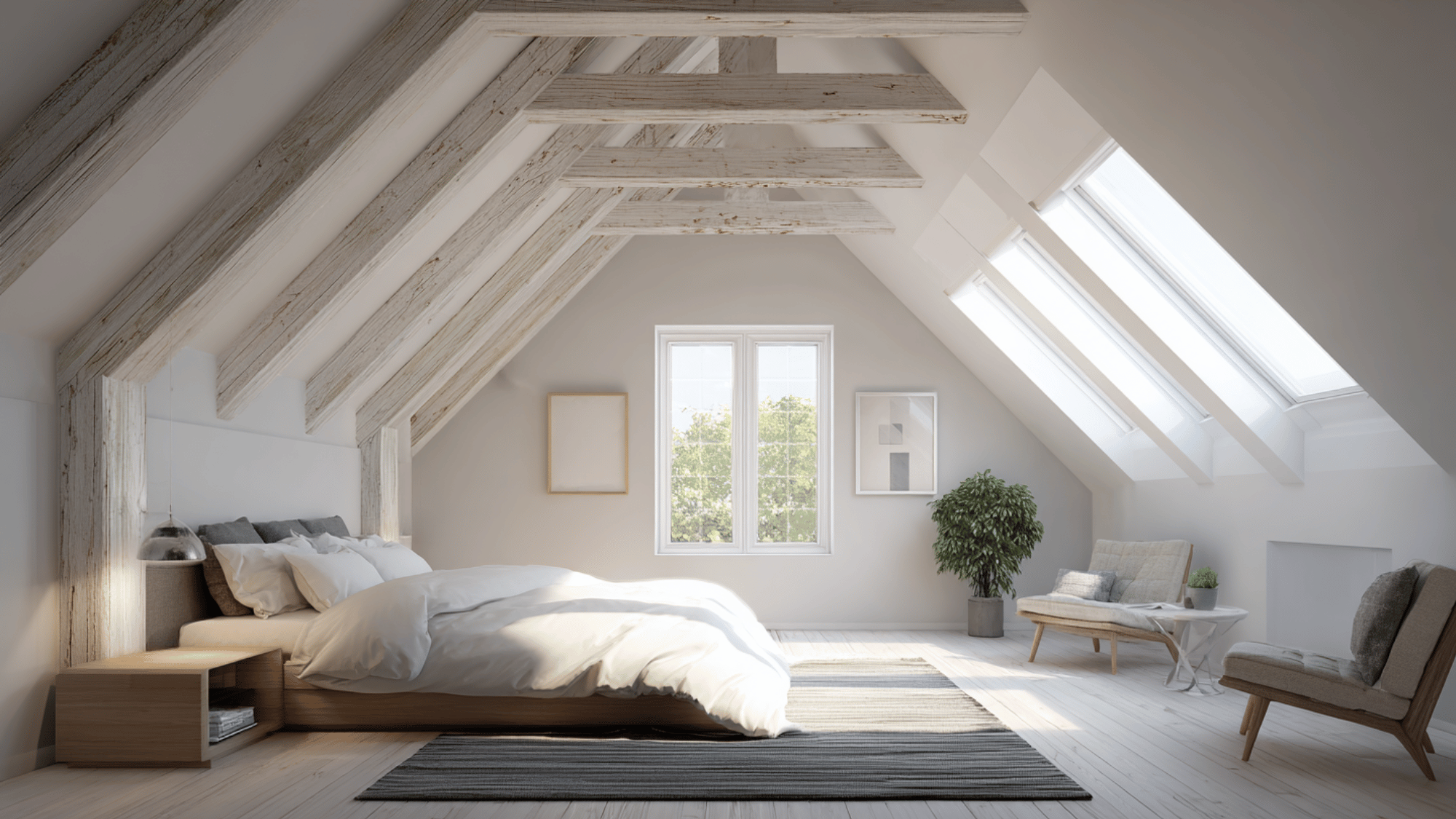
An attic conversion utilizes vertical space, creating an extra bedroom, office, or cozy retreat.
With proper insulation, ventilation, and staircase access, attics can be changed into comfortable, private spaces.
This home addition design is especially appealing for homeowners who want more room without changing their home’s exterior footprint.
8. In-Law Suite Addition
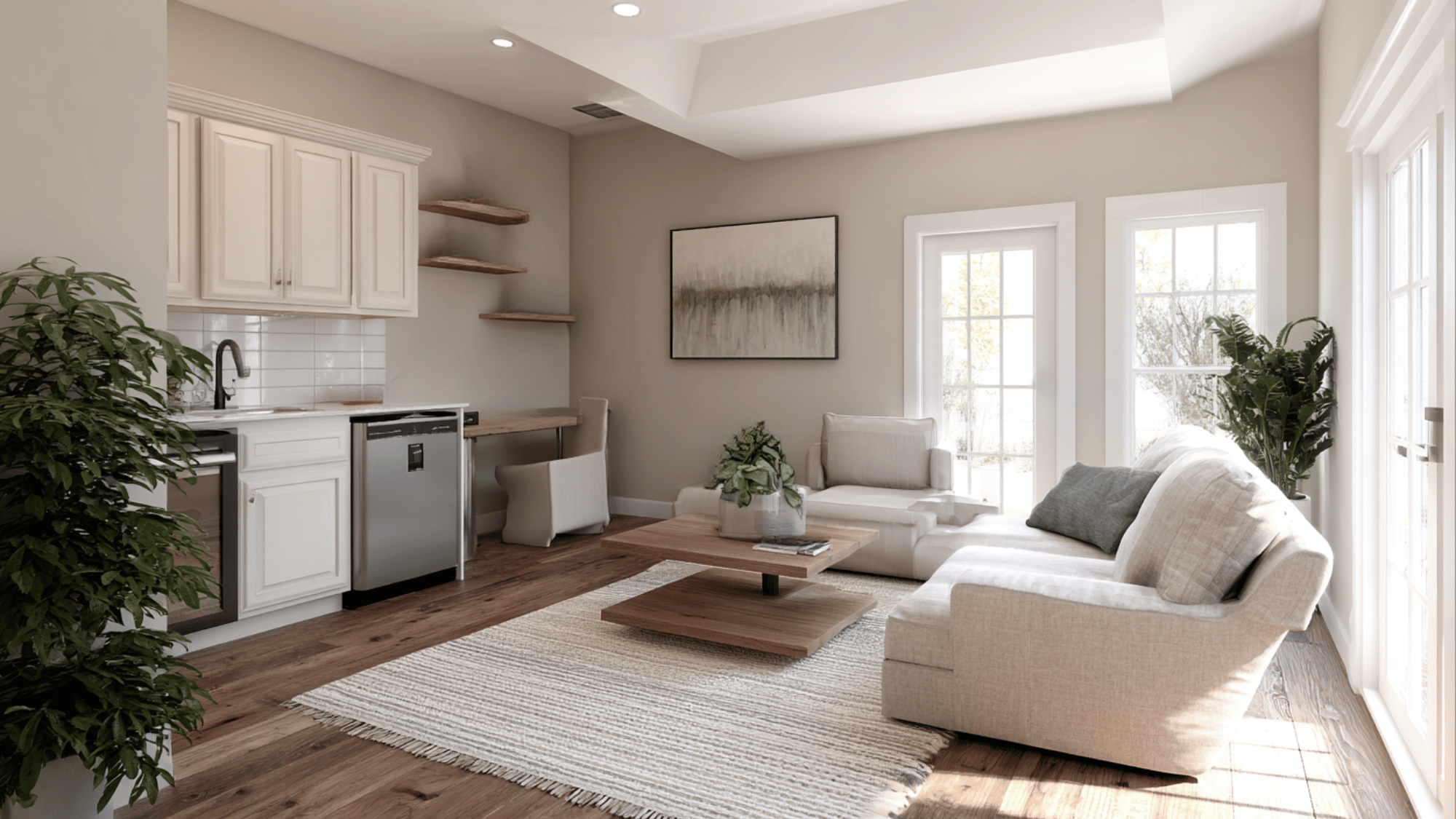
An in-law suite provides independent living quarters for extended family, guests, or renters.
Typically including a bedroom, bathroom, and small kitchenette, it supports multigenerational living while maintaining privacy. These additions can be attached to the main home or built as a separate structure.
They’re also valuable as future retirement spaces or short-term rentals, combining convenience with flexibility and adding long-term property value.
9. Kitchen Expansion
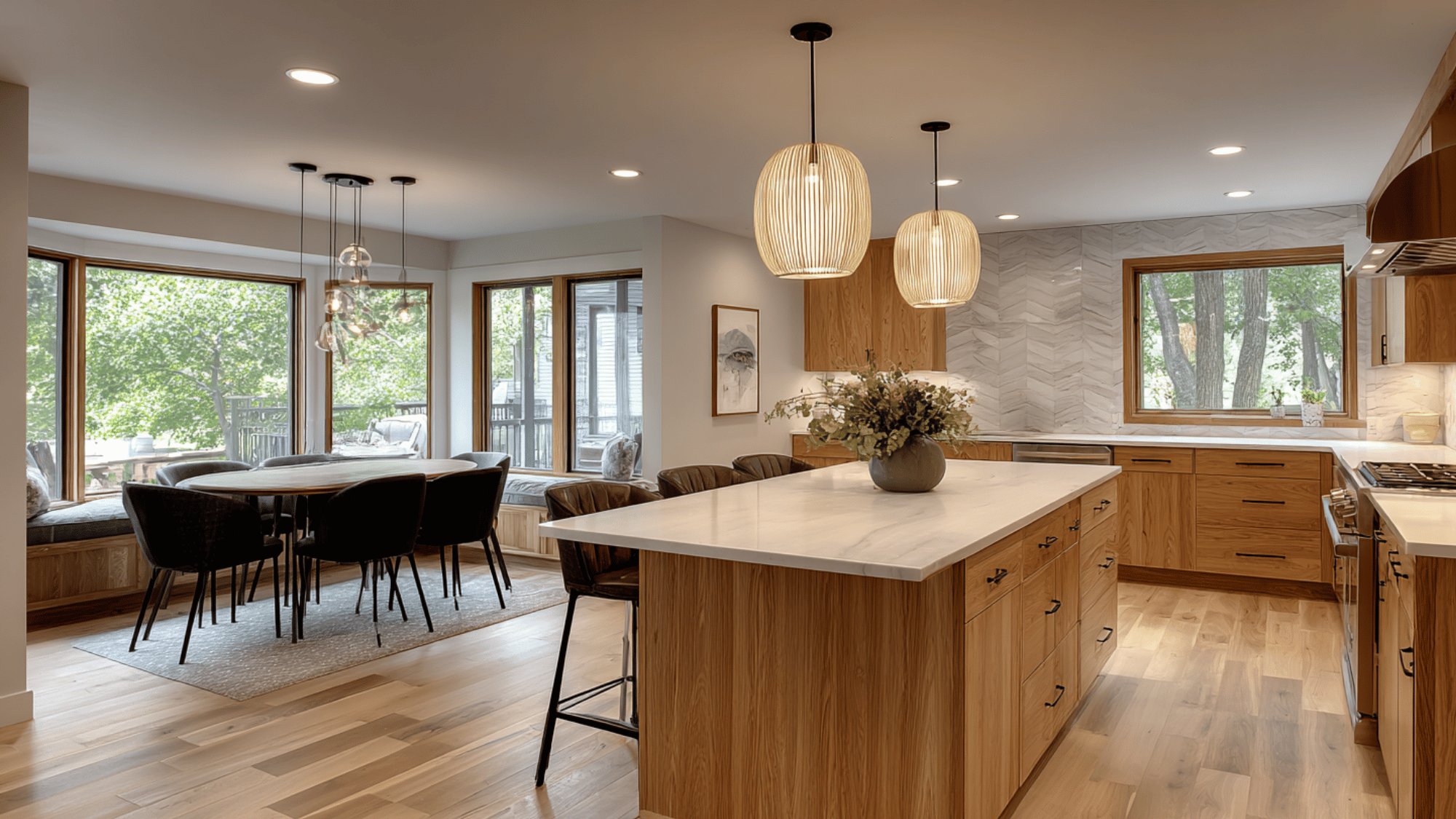
A kitchen expansion enlarges the home’s most social space, allowing more room for movement, dining, and storage.
Whether extending walls, adding a breakfast nook, or introducing a central island, this addition greatly improves flow and usability.
Beyond practicality, it amplifies aesthetics and boosts resale appeal. A thoughtfully expanded kitchen becomes a central gathering area that combines modern functionality with welcoming warmth
10. Bathroom Addition
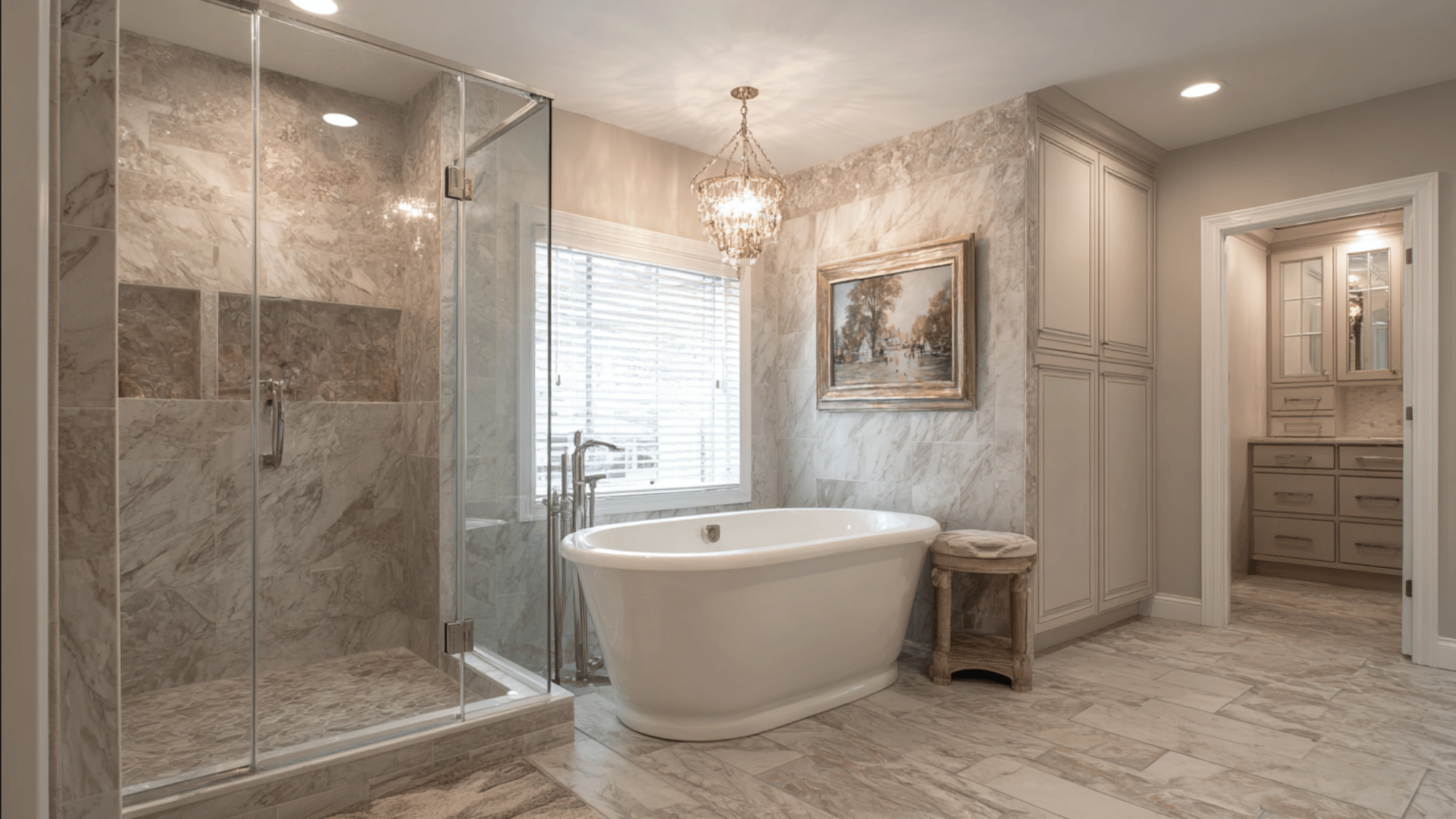
A bathroom addition is one of the most impactful upgrades for comfort and convenience.
It can be used for either a guest powder room or a luxurious master bath; it improves usability and home value. This type of project often involves plumbing rerouting and careful layout planning.
The result is a stylish, functional space that reduces morning congestion and elevates modern living standards.
11. Porch or Veranda Addition
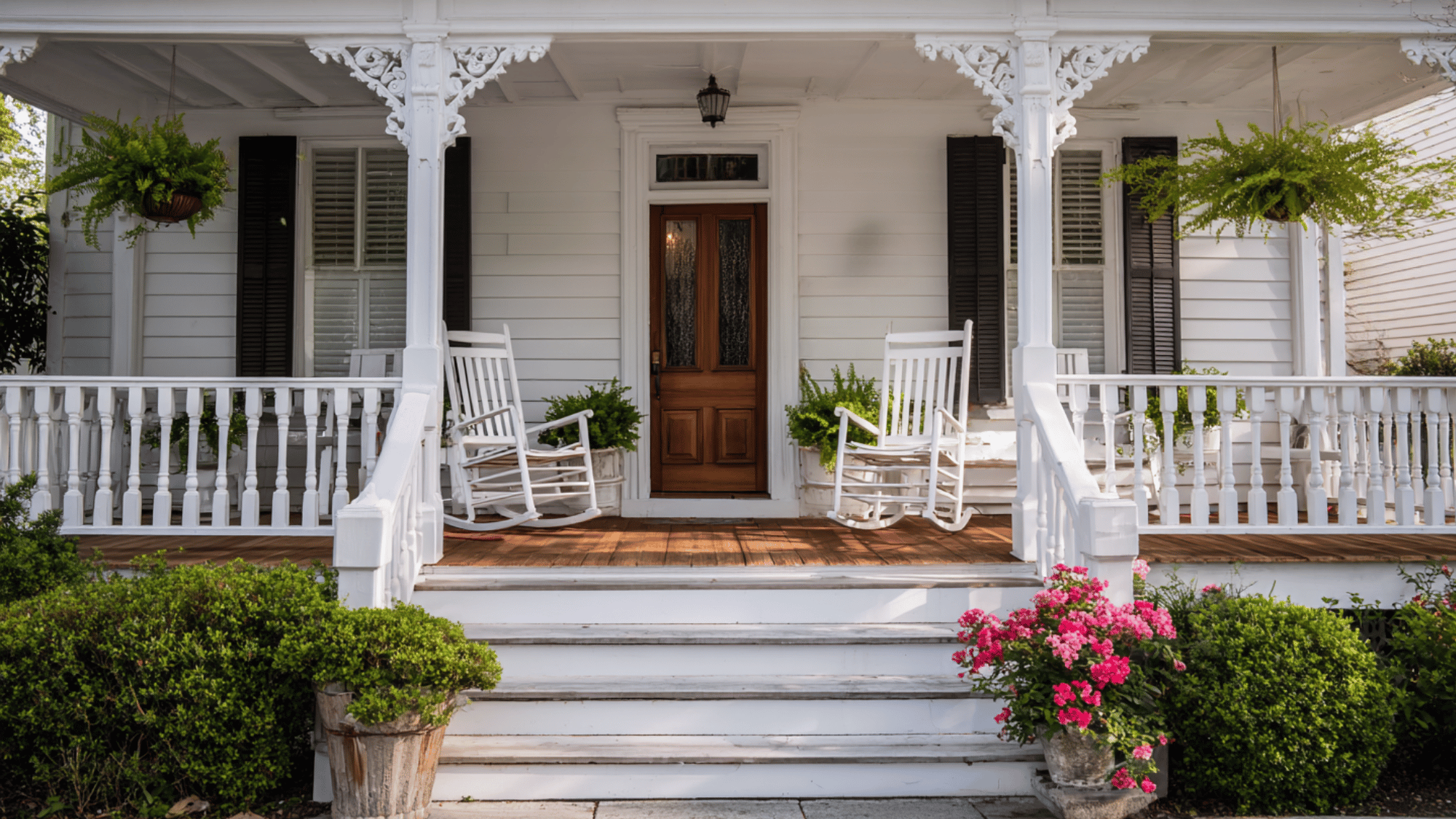
A porch or veranda addition enhances your home’s curb appeal while offering a comfortable space to relax outdoors.
It provides protection from the elements and a cozy transition between indoors and outside.
These additions add charm, warmth, and architectural interest while promoting outdoor enjoyment throughout the year.
12. Mudroom Addition
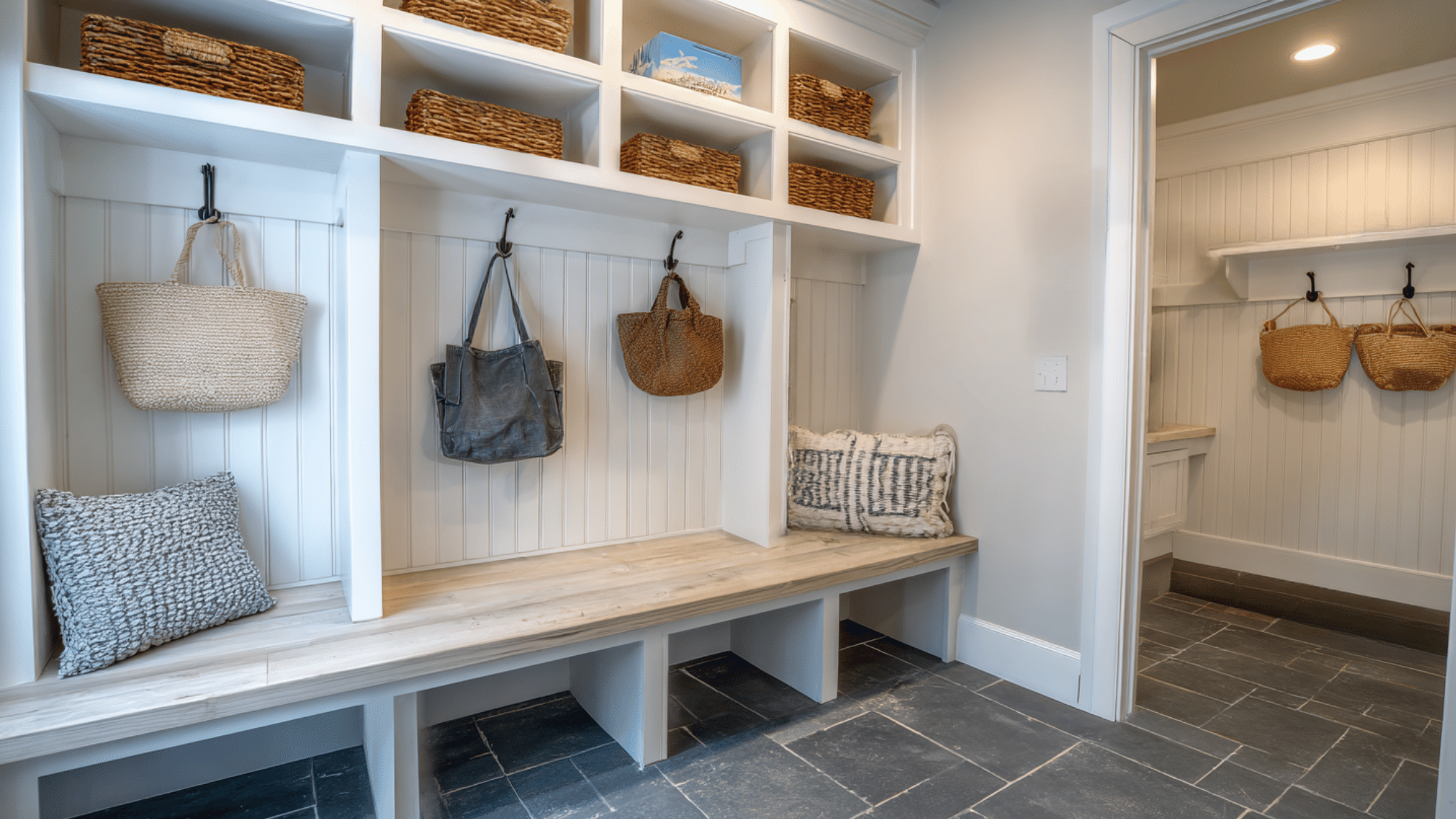
A mudroom serves as a practical buffer between the outdoors and your living space, keeping dirt and clutter contained.
Equipped with benches, cubbies, and durable flooring, it’s perfect for families with kids or pets. This addition improves organization and flow, ensuring a tidy home.
Beyond practicality, it amplifies daily convenience while blending seamlessly with your existing design.
13. Home Office Addition
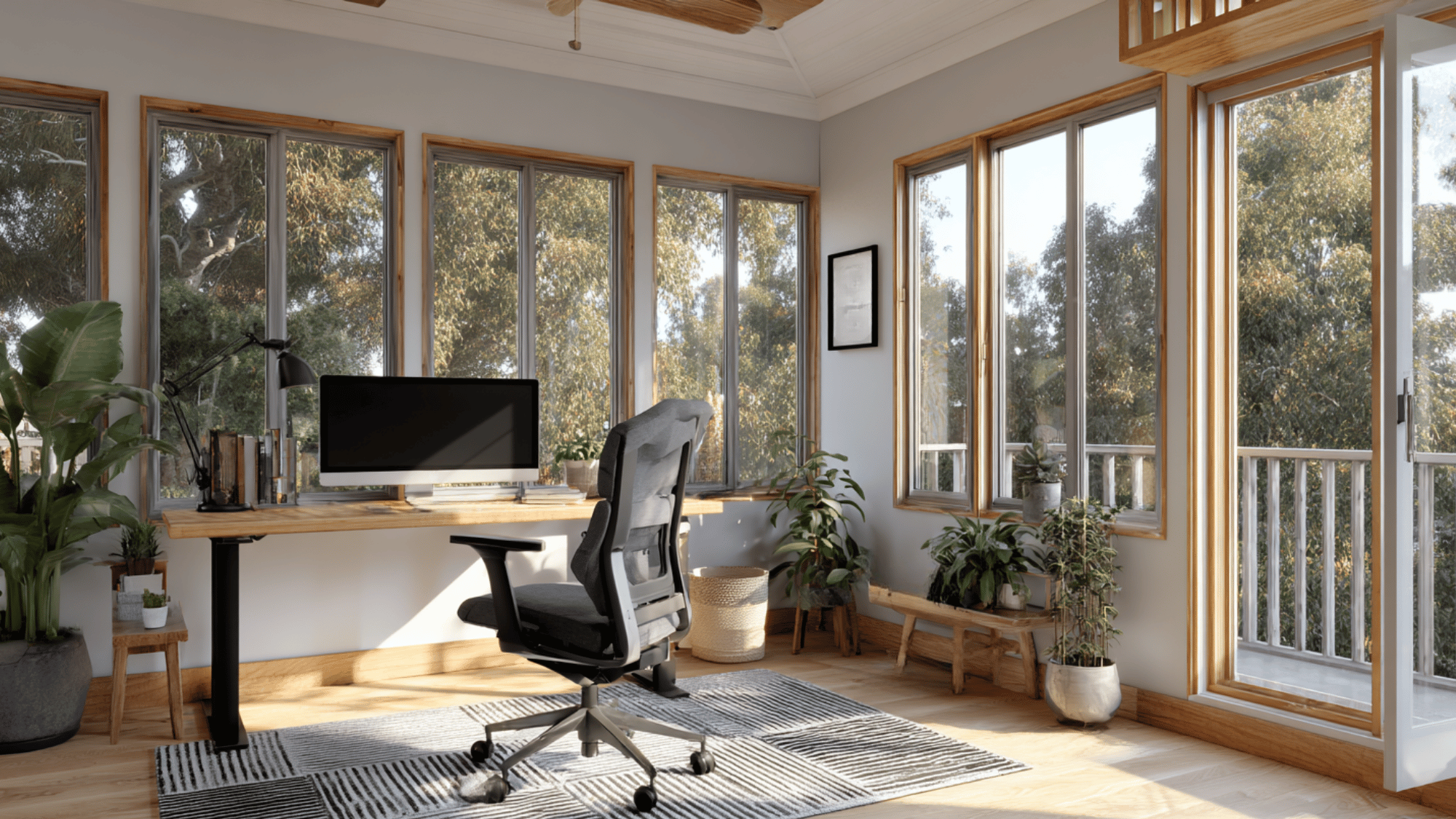
A home office addition creates a quiet, productive environment ideal for remote work or small business needs.
It can be built as a bump-out or detached studio in the backyard for added privacy.
With the right lighting, storage, and ergonomic design, this workspace refines focus and work-life balance. It’s a valuable investment for modern homeowners.
14. Dormer Addition
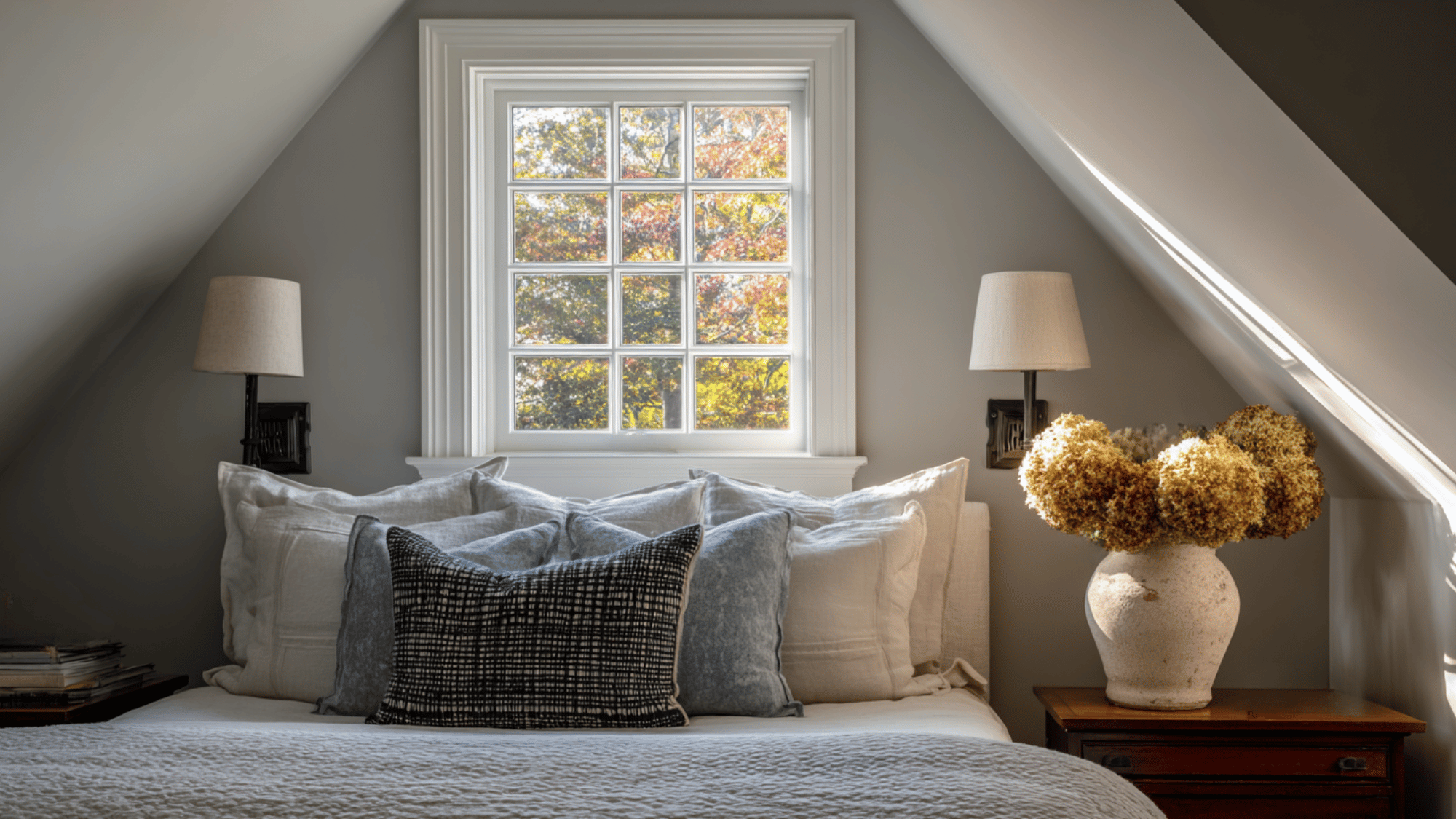
A dormer addition enhances upper-floor rooms by adding height, natural light, and usable space.
Built into sloped roofs, dormers expand cramped attics or lofts into functional, well-lit areas. They improve ventilation, aesthetics, and overall architectural balance.
This smaller-scale project adds visual interest to your home’s exterior while increasing comfort inside.
15. Deck or Patio Addition
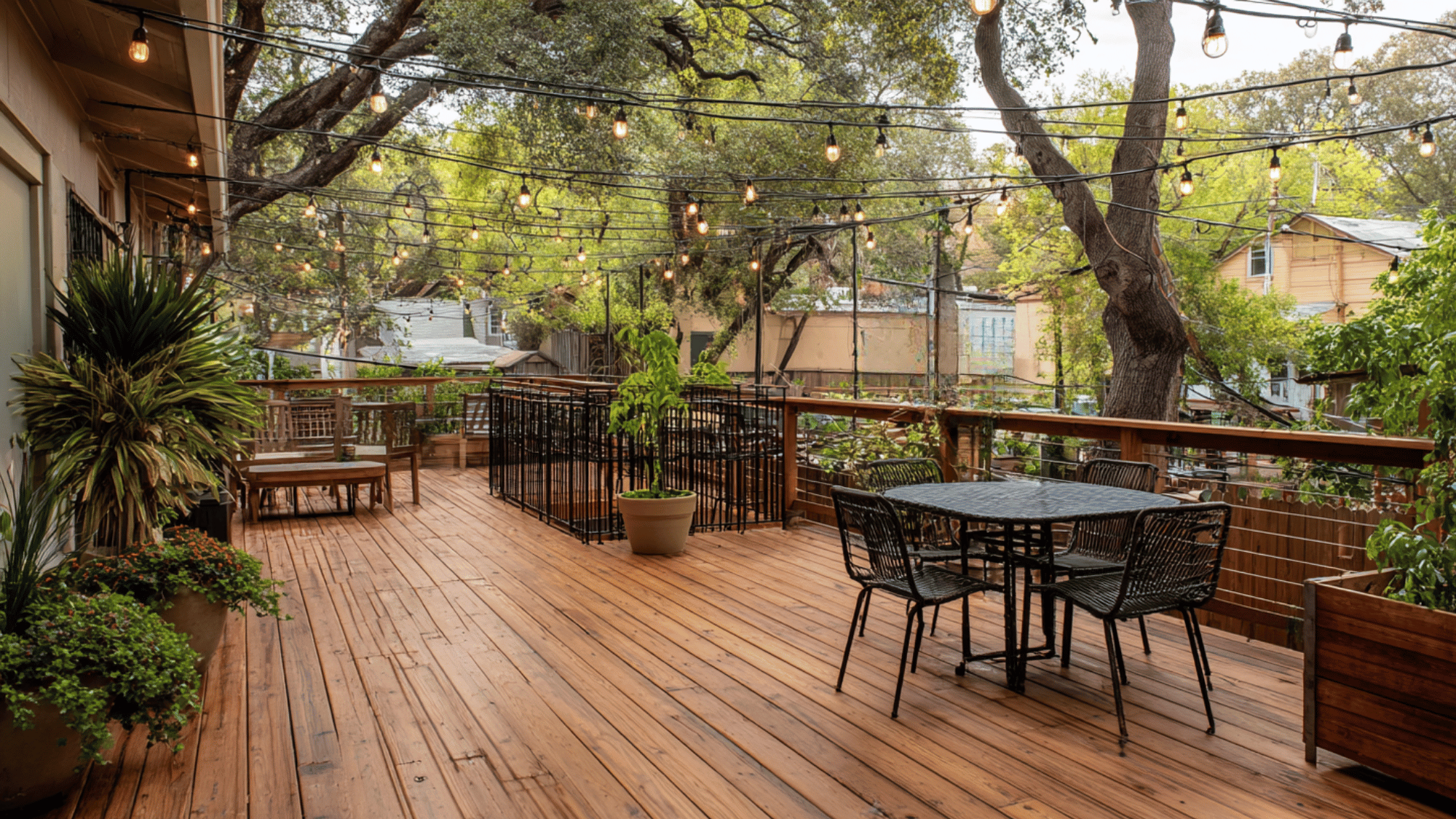
A deck or patio addition extends your living space outdoors, creating a perfect spot for dining, relaxing, or entertaining.
It can be constructed from wood, composite, or stone, and it blends indoor comfort with natural surroundings.
These additions to lifestyle appeal and home value offer a connection to fresh air and sunshine.
Key Tips for Designing Your Home Addition
A well-thought-out home addition makes sure your new space feels cohesive, comfortable, and perfectly integrated with your existing home.
- Match Architectural Style: Keep design elements consistent with your home’s original architecture to make sure the new addition blends naturally.
- Choose Complementary Materials: Use similar siding, roofing, and trim colors for a seamless transition between the old and new structures.
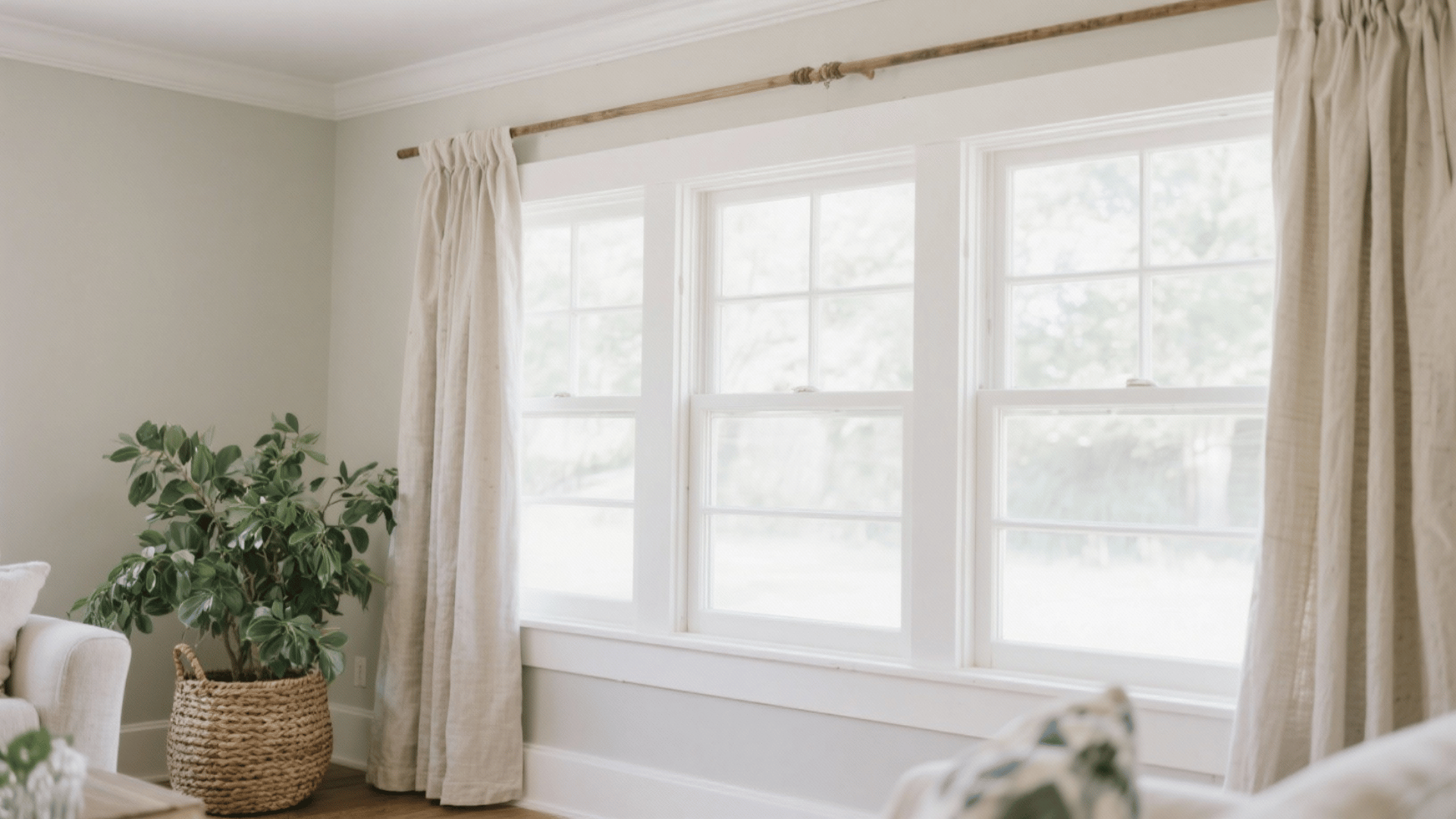
- Maximize Natural Light: Add large windows, skylights, or glass doors to brighten interiors and create a sense of openness and airiness.
- Plan Open Floor Layouts: Create smooth flow between rooms for functionality, flexibility, and modern appeal in daily living.
- Consult Professionals Early: Work with architects or designers to balance aesthetics, structure, and budget for the best design outcome.
Budget and Planning Considerations
Understanding cost variables and potential contingencies helps homeowners make informed decisions while avoiding budget overruns and project delays.
| Planning Factor | Key Details |
|---|---|
| Cost Variables | Expenses fluctuate based on addition type, square footage, and project complexity throughout construction phases. |
| High-Cost Projects | Second-story expansions and in-law suites require substantial investment due to structural and system upgrades needed. |
| Budget-Friendly Options | Bump-outs, sunroom conversions, and garage transformations offer affordable alternatives for gaining additional living space. |
| Primary Cost Drivers | Material selection, skilled labor rates, permit fees, and architectural design specifications significantly impact final expenses. |
| Project Duration | Construction timelines range from several weeks for minor additions to multiple months for extensive renovations. |
| Contingency Buffer | Allocate 10–15% extra funding for unforeseen costs like material substitutions, structural surprises, or design modifications. |
Navigating Permits and Local Regulations
Before starting a home addition, it’s essential to secure all necessary permits to ensure compliance with local safety, zoning, and construction regulations.
Building codes govern key aspects like structural integrity, electrical systems, and plumbing, helping ensure that the home addition design is both safe and durable.
Skipping these requirements can lead to costly fines, delays, or even the need to rebuild completed work.
Working with licensed professionals such as architects and contractors simplifies the process, as they understand how to handle applications, approvals, and inspections efficiently.
By maintaining proper documentation and adhering to local laws, homeowners can enjoy a smooth, stress-free construction experience while creating a beautiful and legally sound expansion of their living space.
Conclusion
A well-planned home addition offers more than just extra square footage it creates new possibilities for comfort, connection, and personal expression.
Whether adding a cozy in-law suite, a spacious kitchen bump-out, or a light-filled sunroom, each project enhances daily living while increasing property value.
From budgeting to choosing the right professionals, every step brings them closer to a more functional and beautiful home.
Now is the perfect time to start planning, setting goals, and imagining what’s possible.