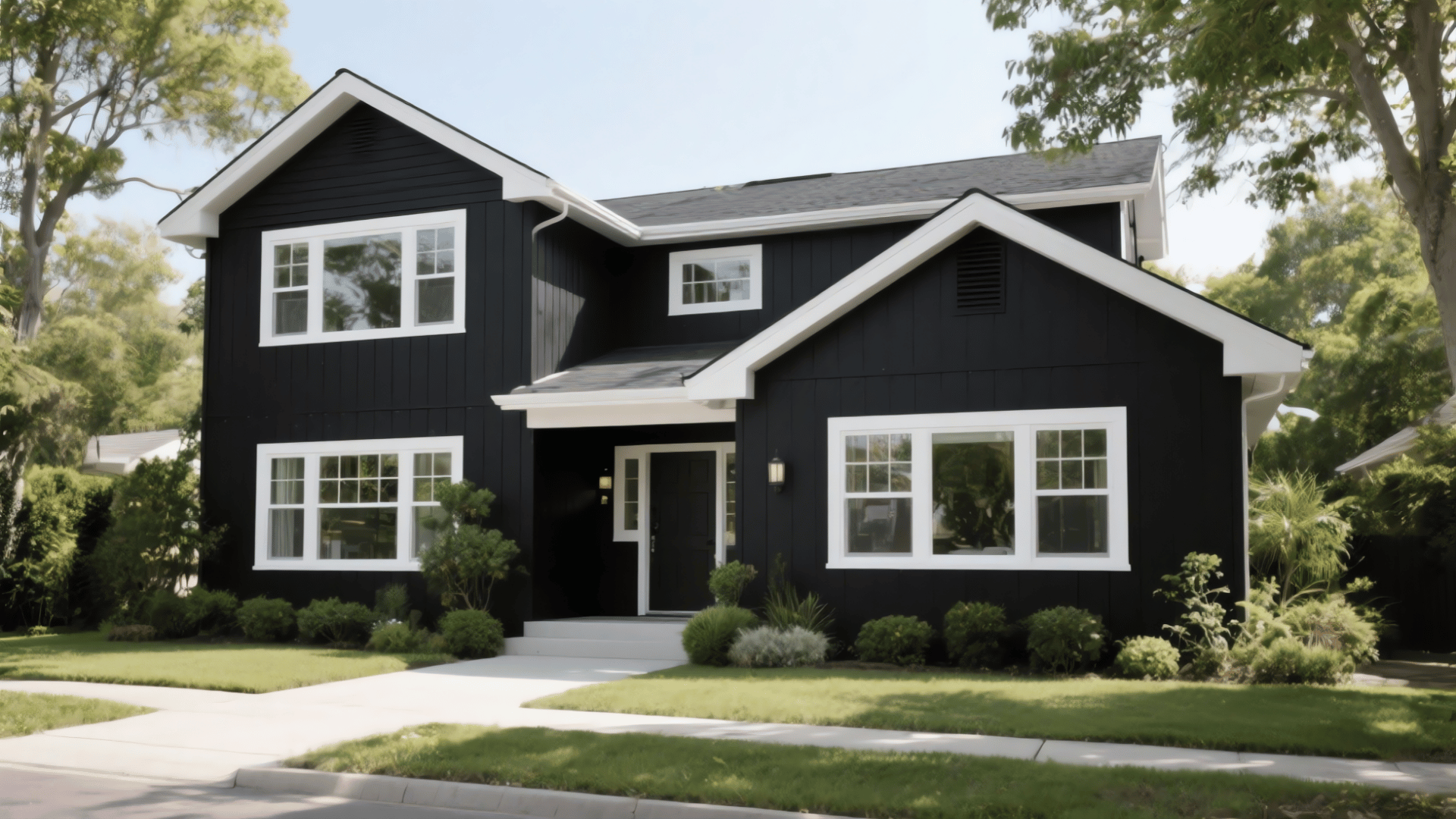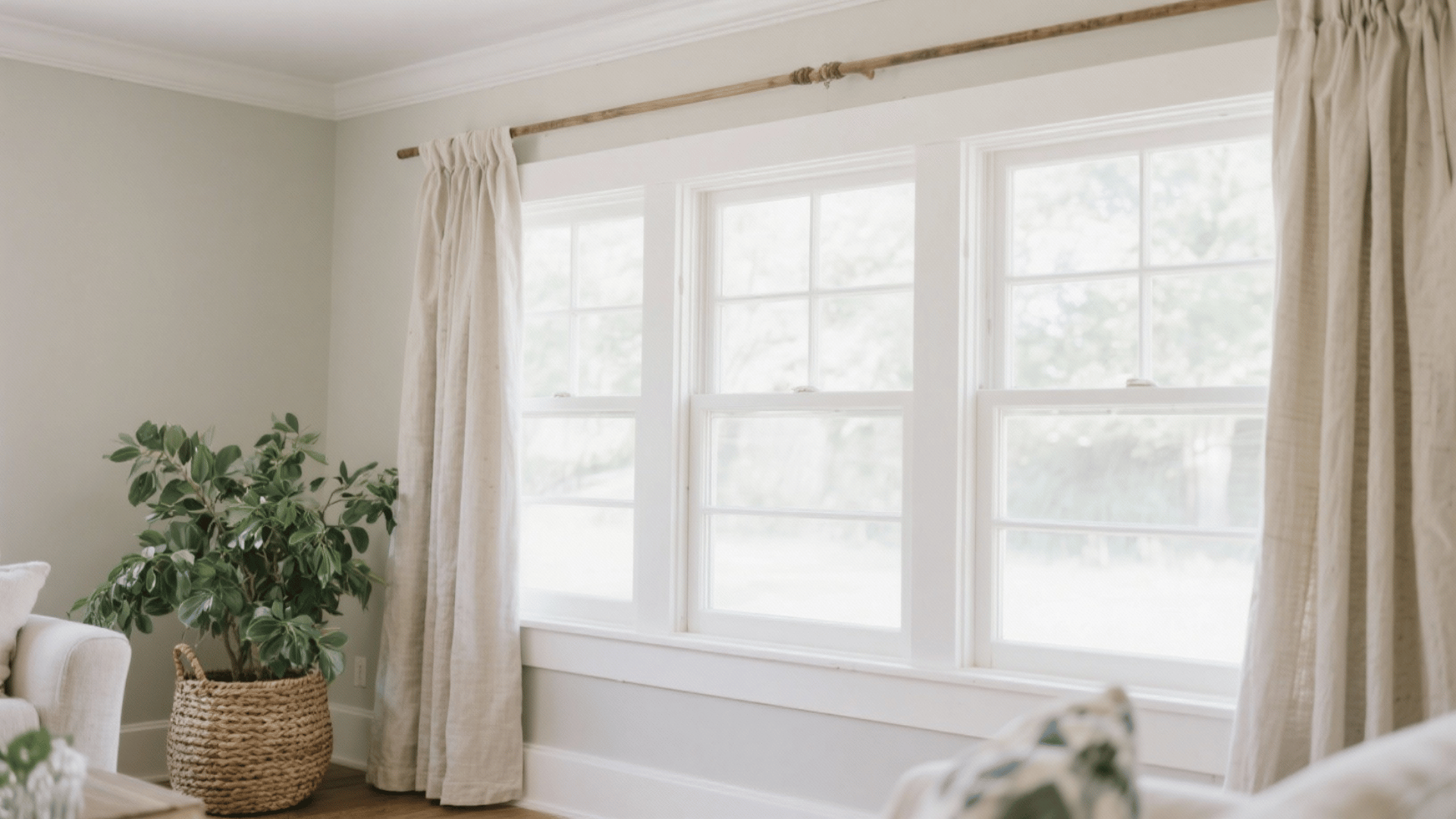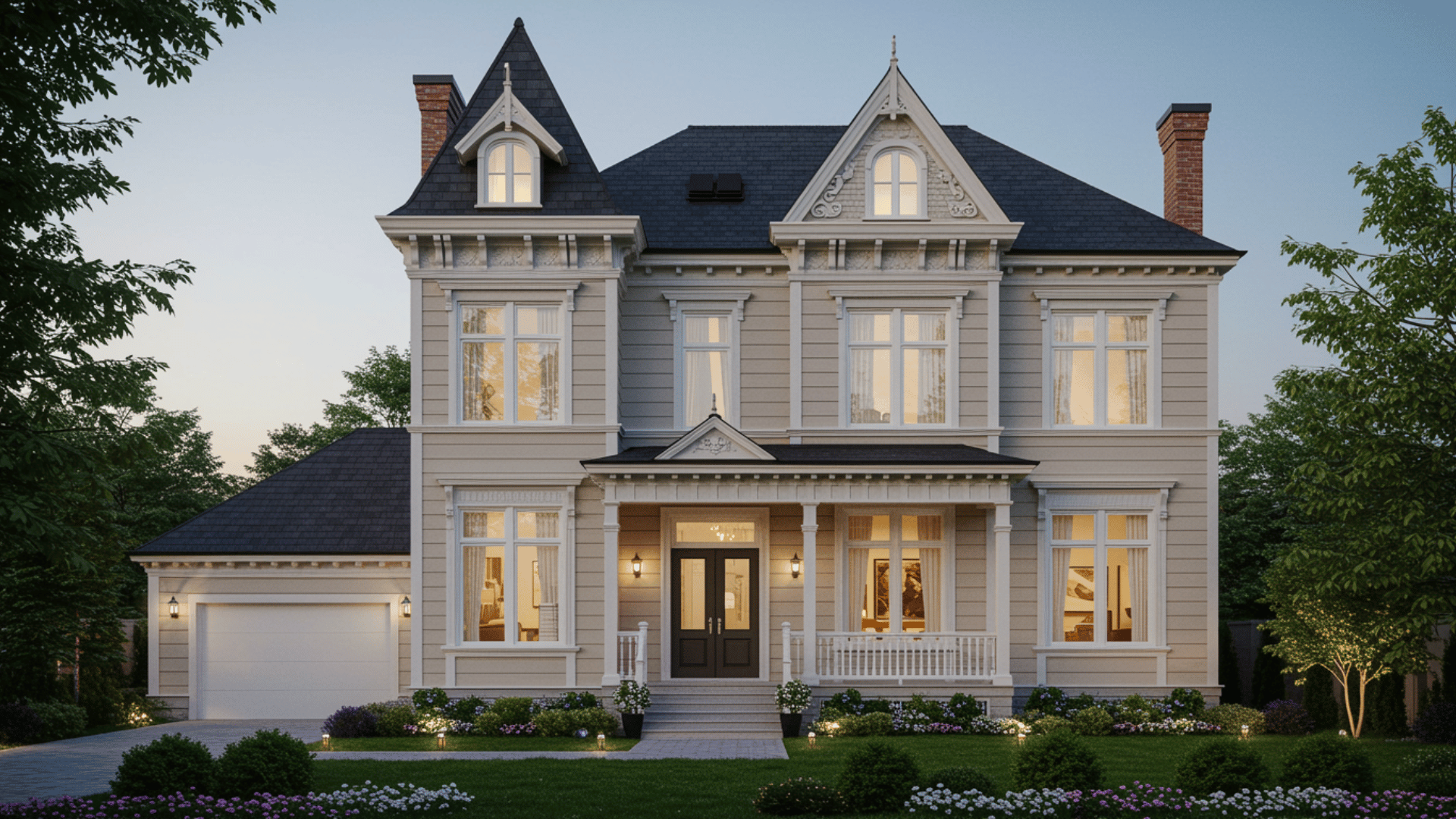

Choosing the right materials for your home’s exterior is an important decision.
The right choice can improve how your house looks, protect it from the elements, and even boost its value.
With so many home siding options available, it can be hard to know which one fits your needs best. Each type has its own strengths, costs, and upkeep requirements.
Learning about the best siding for your house can help you make a smart choice that lasts for years.
This blog will walk you through the best siding for a house, so you can feel confident in your next home improvement project.
The Role of Home Siding in Your Home
Siding is what gives a home its first layer of protection and allure.
It helps guard against wind, rain, sunlight, and temperature changes, keeping the inside safe and comfortable.
A well-chosen siding material also helps your home stay strong and in good shape for many years.
Beyond protection, siding adds color, texture, and personality to your house. The right style can make a home look warm and inviting or sleek and modern.
It’s one of the easiest ways to boost curb appeal and make your property stand out.
From bold colors to natural tones, siding can completely transform how a home looks and feels, blending beauty with lasting strength.
Top Home Siding Options to Consider for Your House
There are many types of siding to choose from, each offering its own look, cost, and benefits. Understanding the most popular home siding options can help you decide which material fits your home’s style, budget, and long-term needs:
1. Vinyl Siding
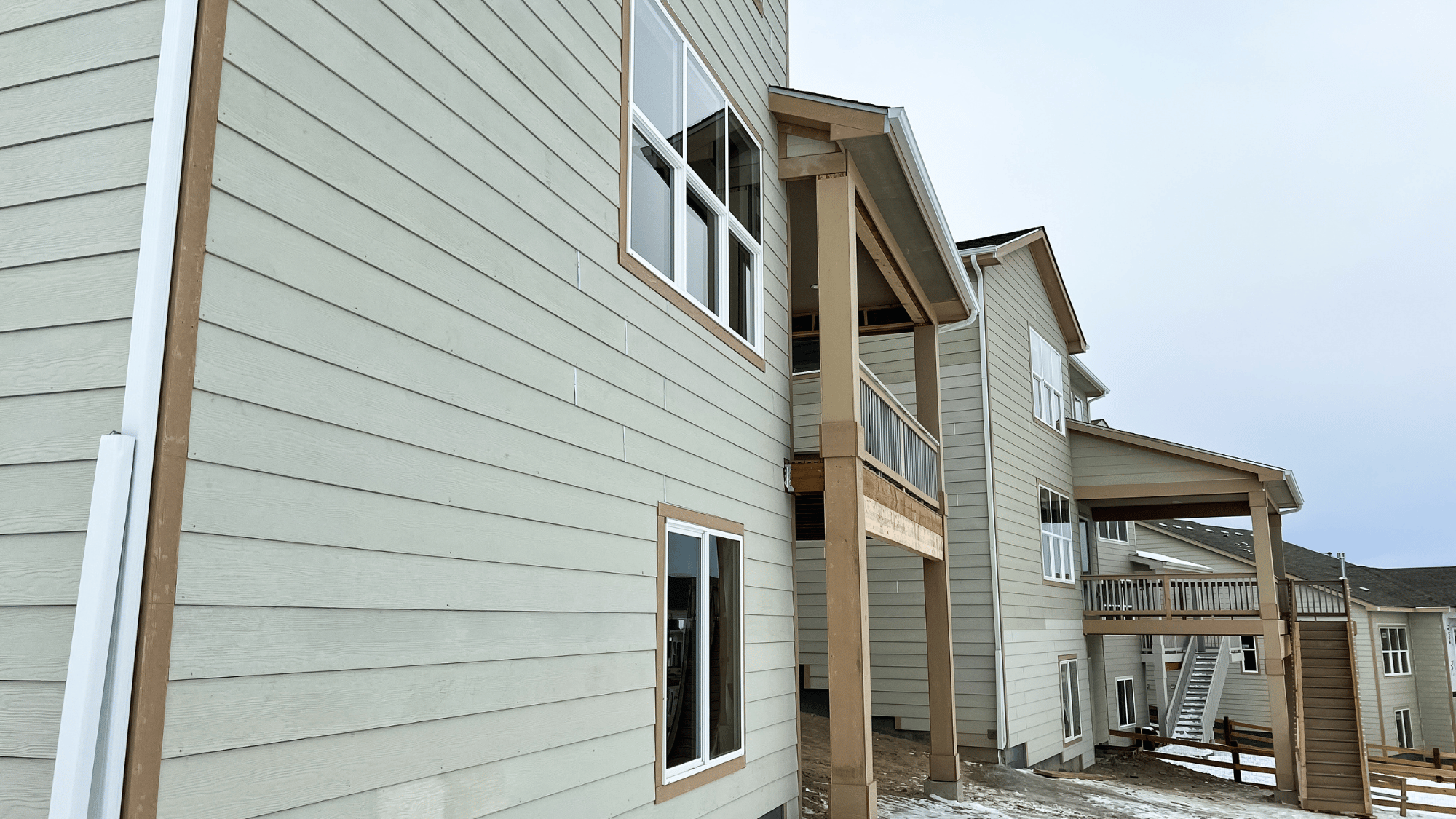
Vinyl siding is a flexible plastic material available in many colors and textures.
It can look like wood or stone, making it a great choice for different home styles. Its panels snap together easily, allowing for quick installation.
Vinyl is also very popular in neighborhoods where homeowners want a clean, smooth finish that requires minimal attention.
- Pros: Inexpensive option, wide color variety, easy to install
- Cons: Can fade over time, not very strong, may warp in heat
2. Fiber Cement Siding
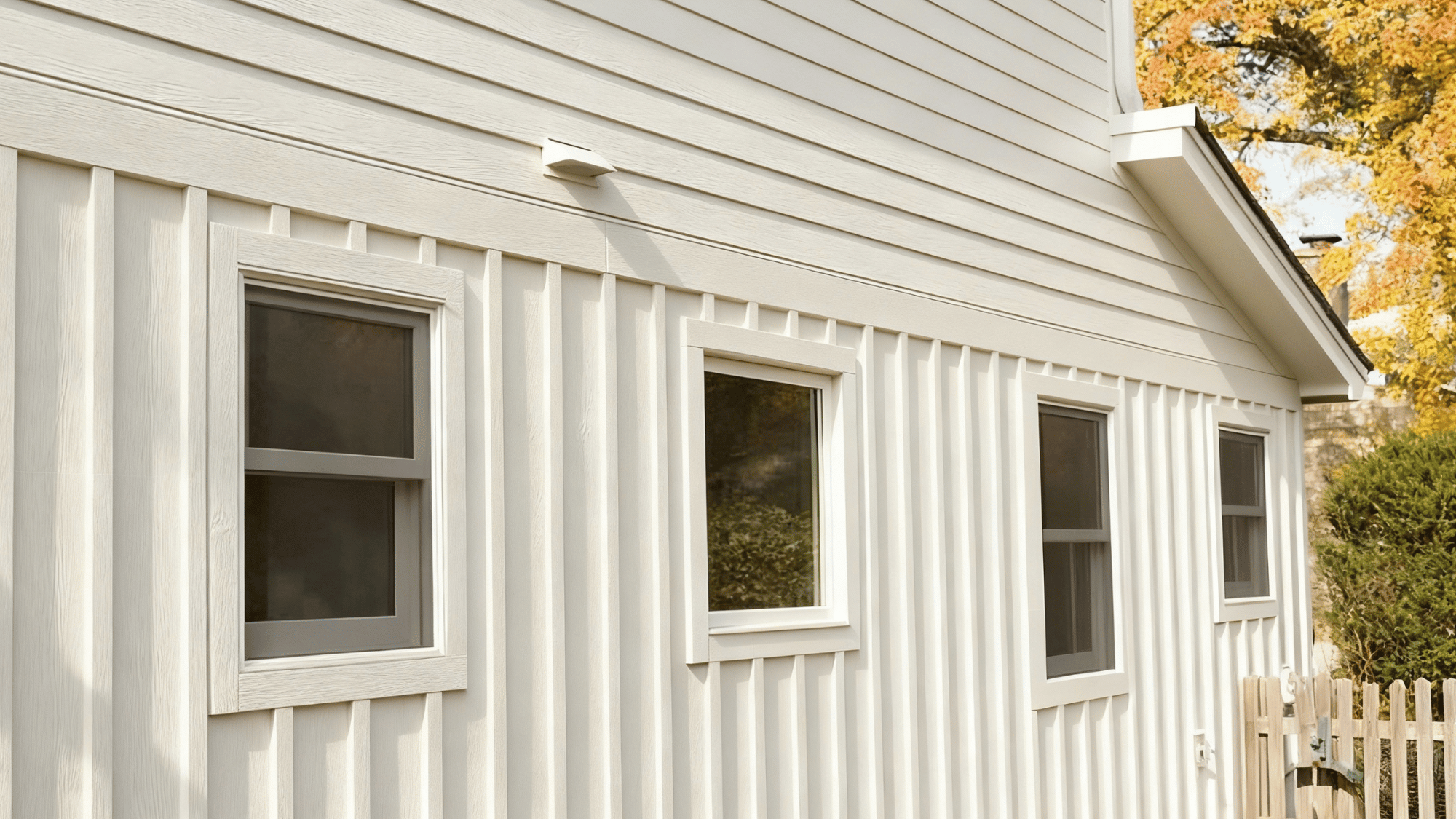
Fiber cement siding is made from a mix of cement, sand, and fibers.
It can mimic the look of wood, stucco, or stone with a more solid feel. It’s often used on modern and craftsman-style homes.
The smooth or textured surface adds character while staying consistent in color. It’s known for giving homes a bold, polished appearance.
- Pros: Very durable, fire-resistant, holds paint well
- Cons: Heavy material, higher labor cost, can crack if hit hard
3. Wood Siding
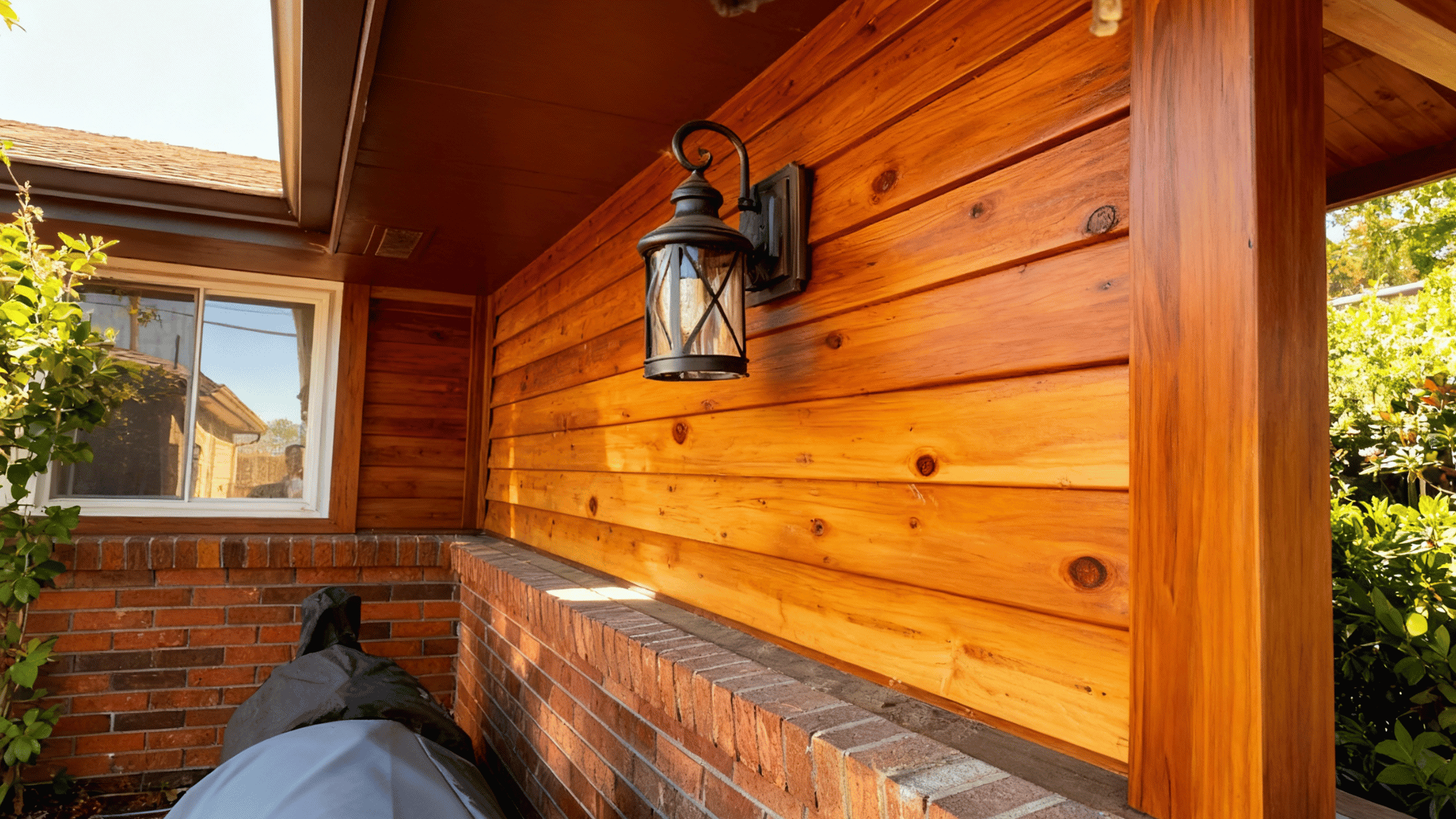
Wood siding brings a natural, warm appeal to any house. It’s available in shingles, shakes, or horizontal boards made from woods like cedar or pine.
Each piece has unique grain patterns that add personality to the home.
Many people choose wood for cottages, cabins, or traditional houses because of its timeless, handcrafted look.
- Pros: Renewable resource, easy to repair, beautiful texture
- Cons: Needs frequent sealing, attracts insects, can rot if wet
4. Brick Siding
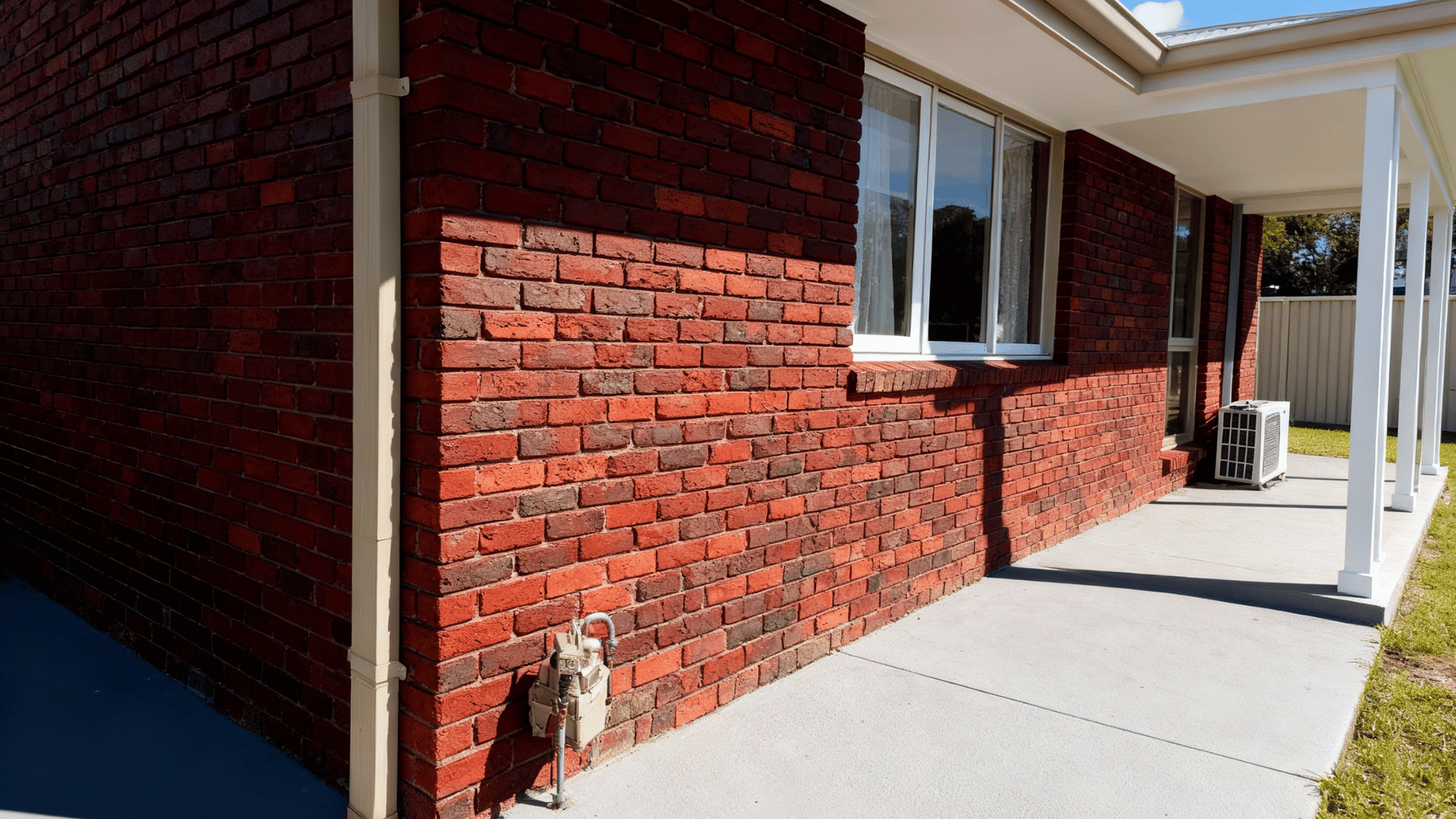
Brick siding is made from natural clay and adds a traditional, timeless feel to homes.
It’s known for its deep, rich colors and textured surface. Bricks can be arranged in various patterns to create visual interest.
It’s a popular choice for colonial and ranch-style homes where strength and elegance matter.
- Pros: Extremely durable, low maintenance, great sound insulation
- Cons: Expensive to install, limited color options, hard to repair
5. Natural Stone Siding
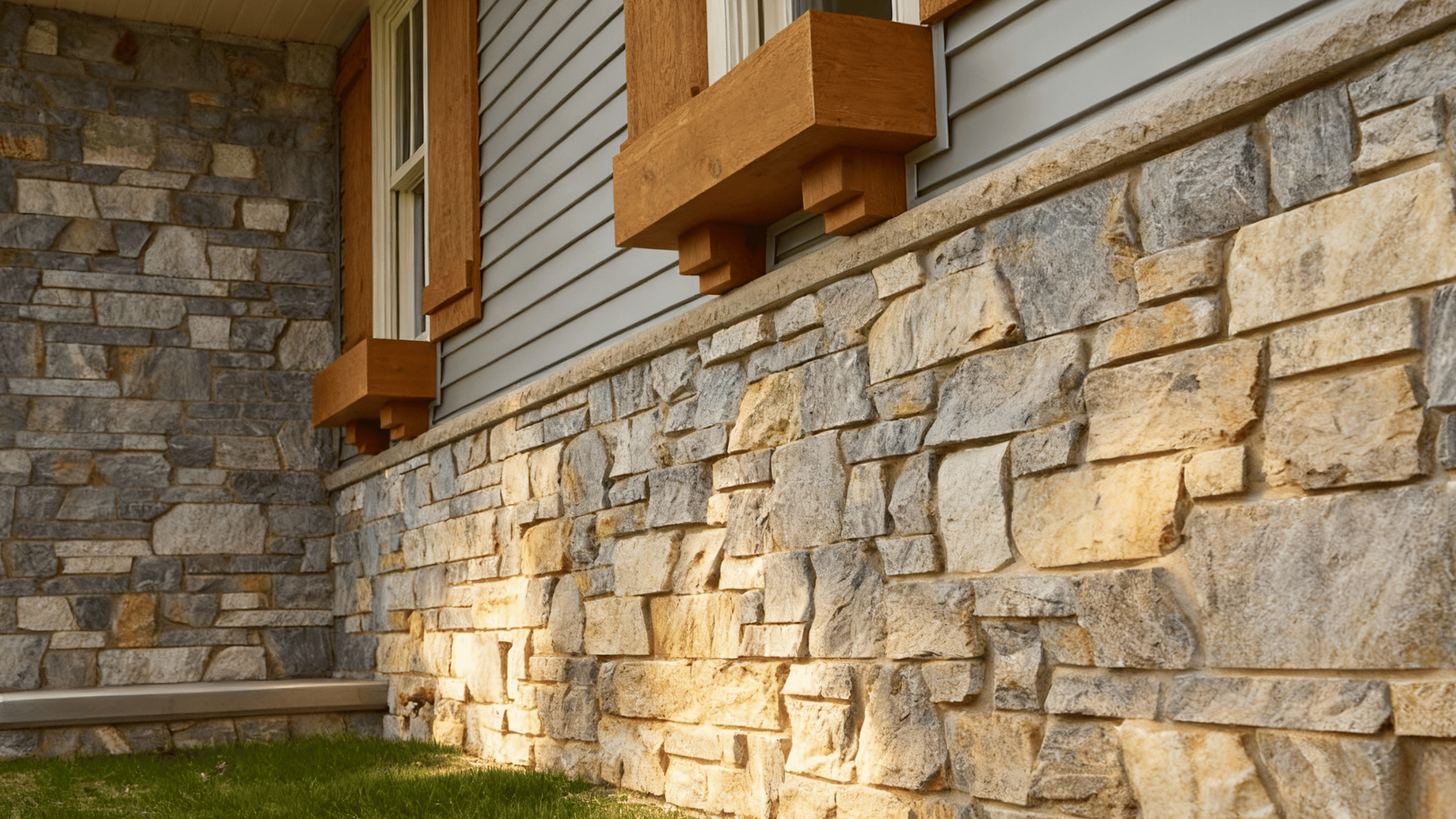
Natural stone siding is made from genuine stone pieces cut for building use.
Each stone has unique shades and shapes, giving homes a custom, elegant look. It’s often used on high-end or historic homes because of its lasting beauty.
The natural texture adds depth and character that never goes out of style.
- Pros: Long lifespan, unique texture, adds property value
- Cons: Heavy material, expensive, difficult installation
6. Stucco Siding
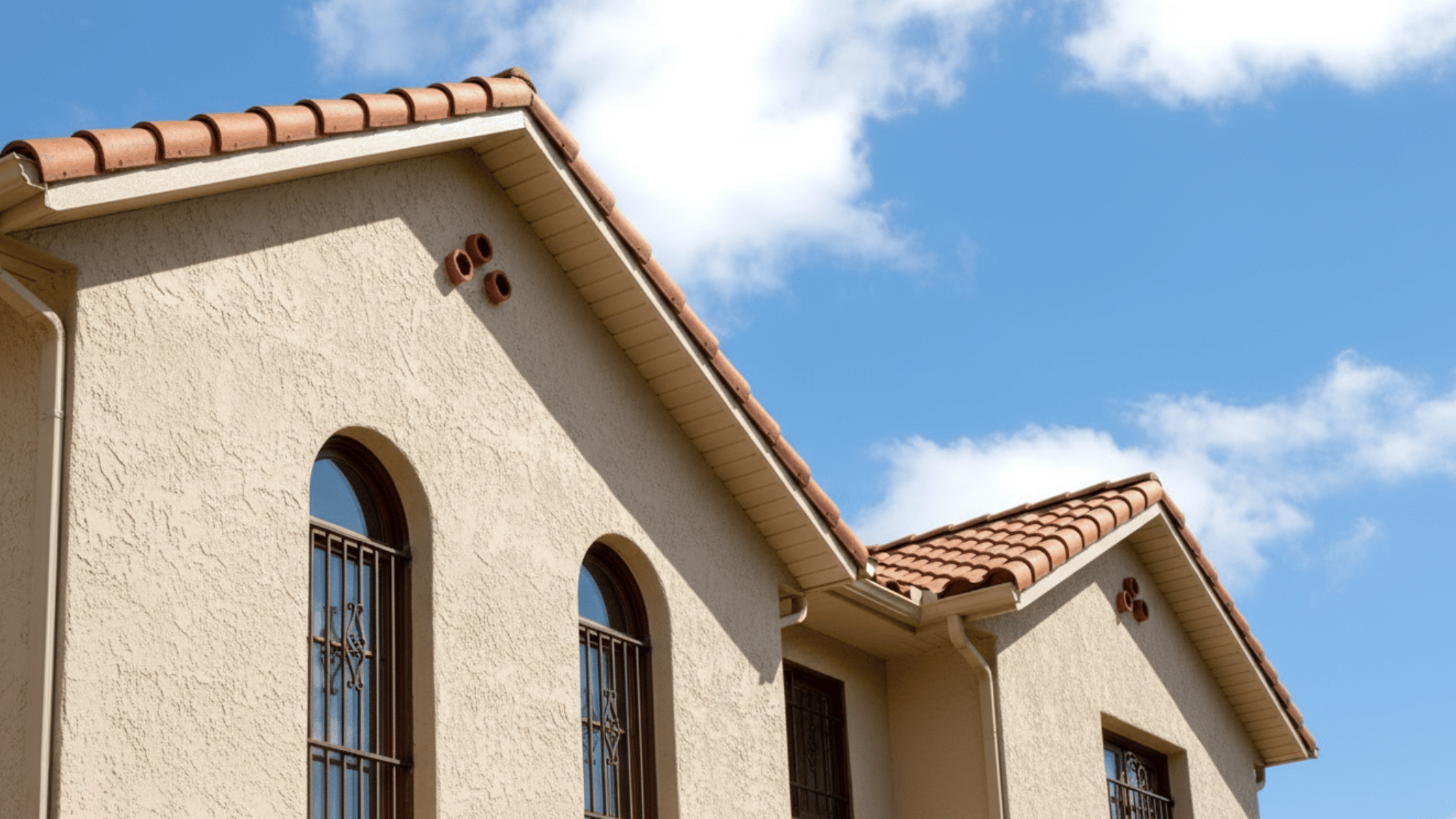
Stucco siding is created from cement, sand, and lime, applied in layers for a smooth or textured surface.
It’s a common choice in warm, dry regions and works well with Spanish or Mediterranean designs.
The seamless finish gives homes a soft and inviting look that complements many exterior styles.
- Pros: Great insulation, fire-resistant, customizable texture
- Cons: Can crack in wet climates, needs expert application, limited color choices
7. Composite Siding
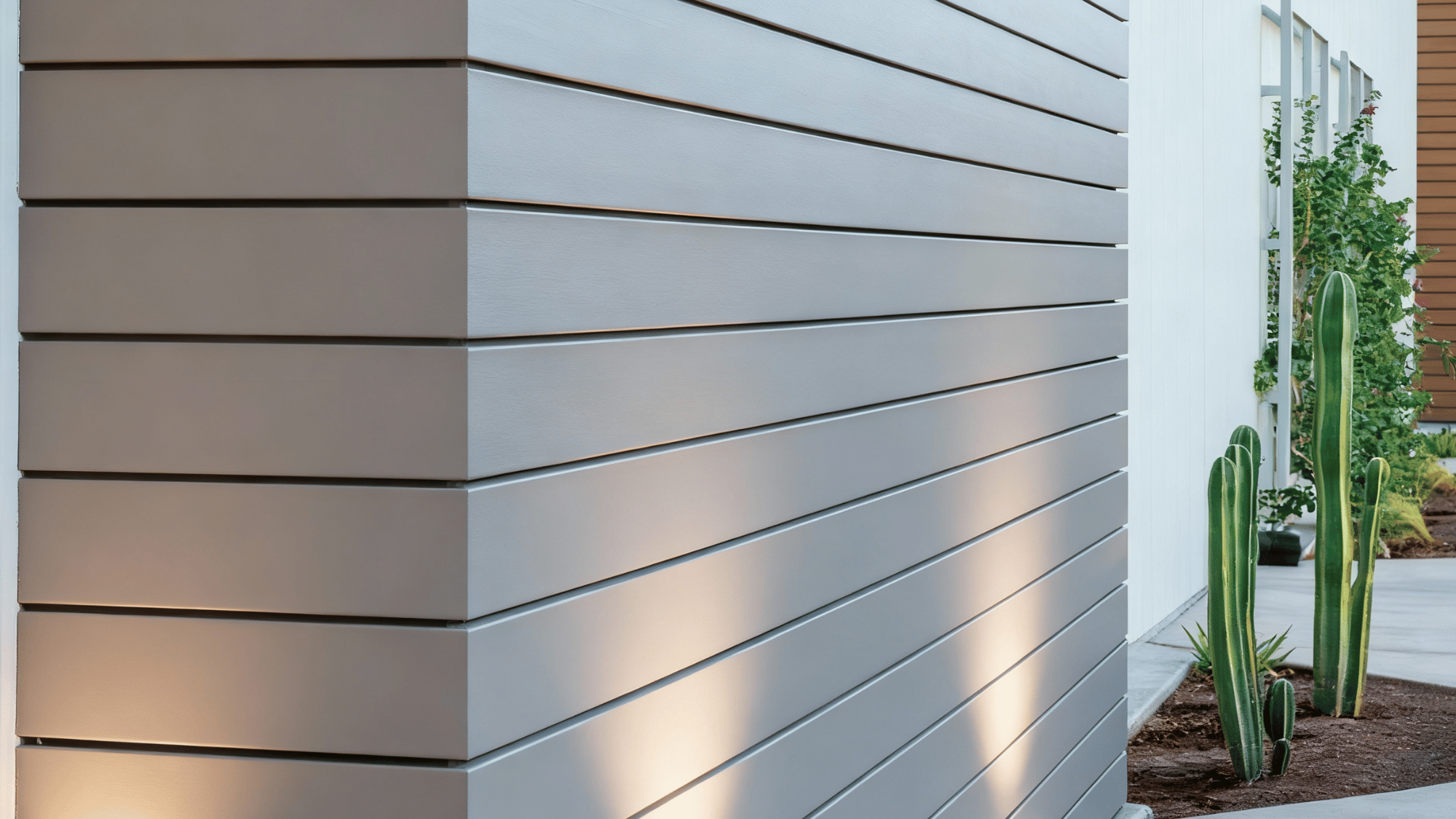
Composite siding combines different materials like wood fibers, resin, and plastic.
It’s engineered to look like wood but with added toughness. It comes in large panels that can be painted or textured to match your style.
Homeowners like it for its clean lines and ability to handle different weather conditions.
- Pros: Weatherproof, easy to clean, flexible design
- Cons: Can fade over time, costs more than vinyl, not fully recyclable
8. Metal Siding
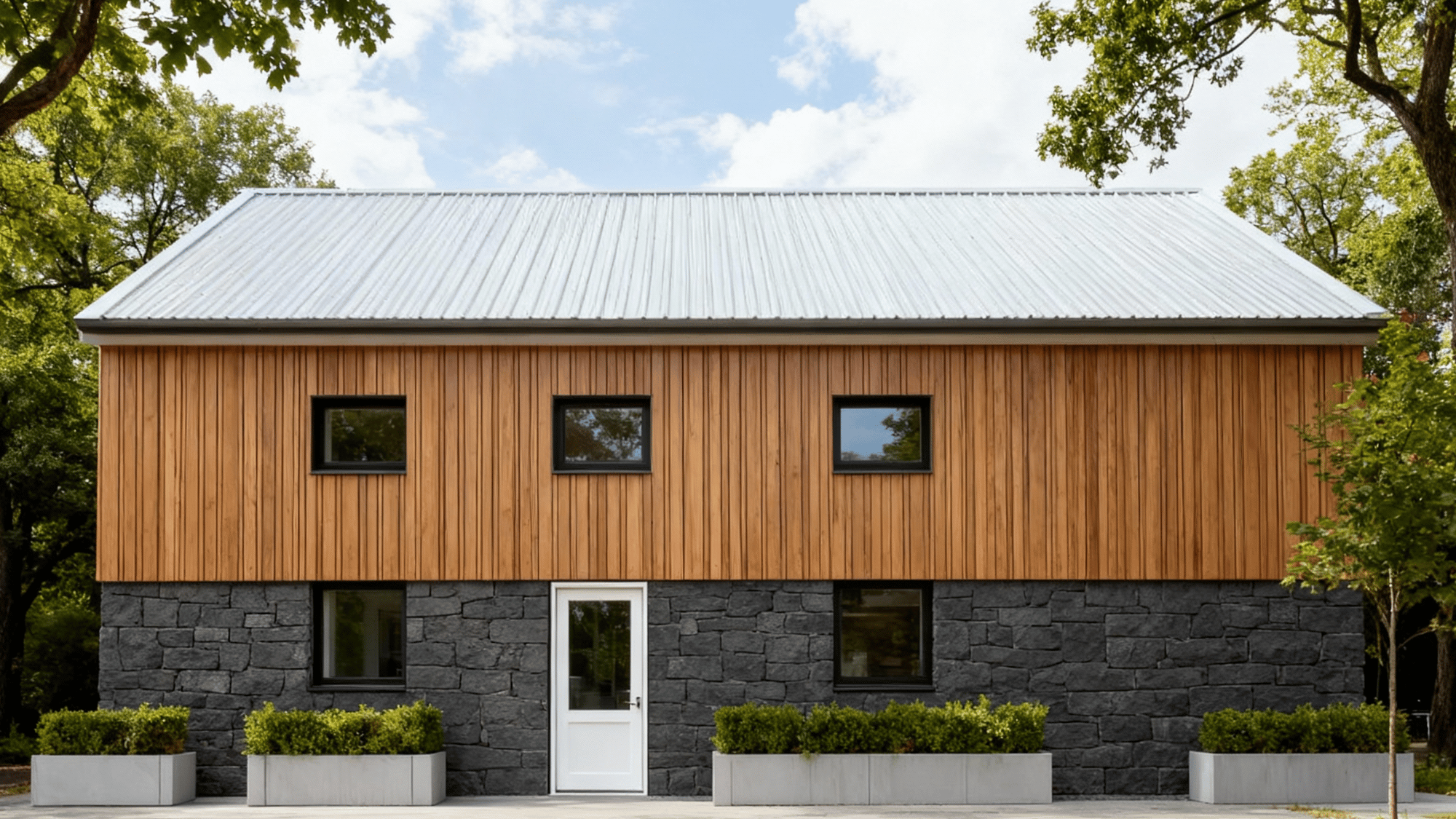
Metal siding, often made from aluminum or steel, offers a clean, modern look.
It’s used in both residential and commercial buildings for its smooth panels and sharp lines. I
t’s available in many finishes, including matte, gloss, and brushed metal, allowing for creative exterior designs. The material gives homes a strong, contemporary character.
- Pros: Long-lasting, non-flammable, resists pests
- Cons: Can dent easily, may rust in salty air, noisy in rain
9. Glass Siding Panels
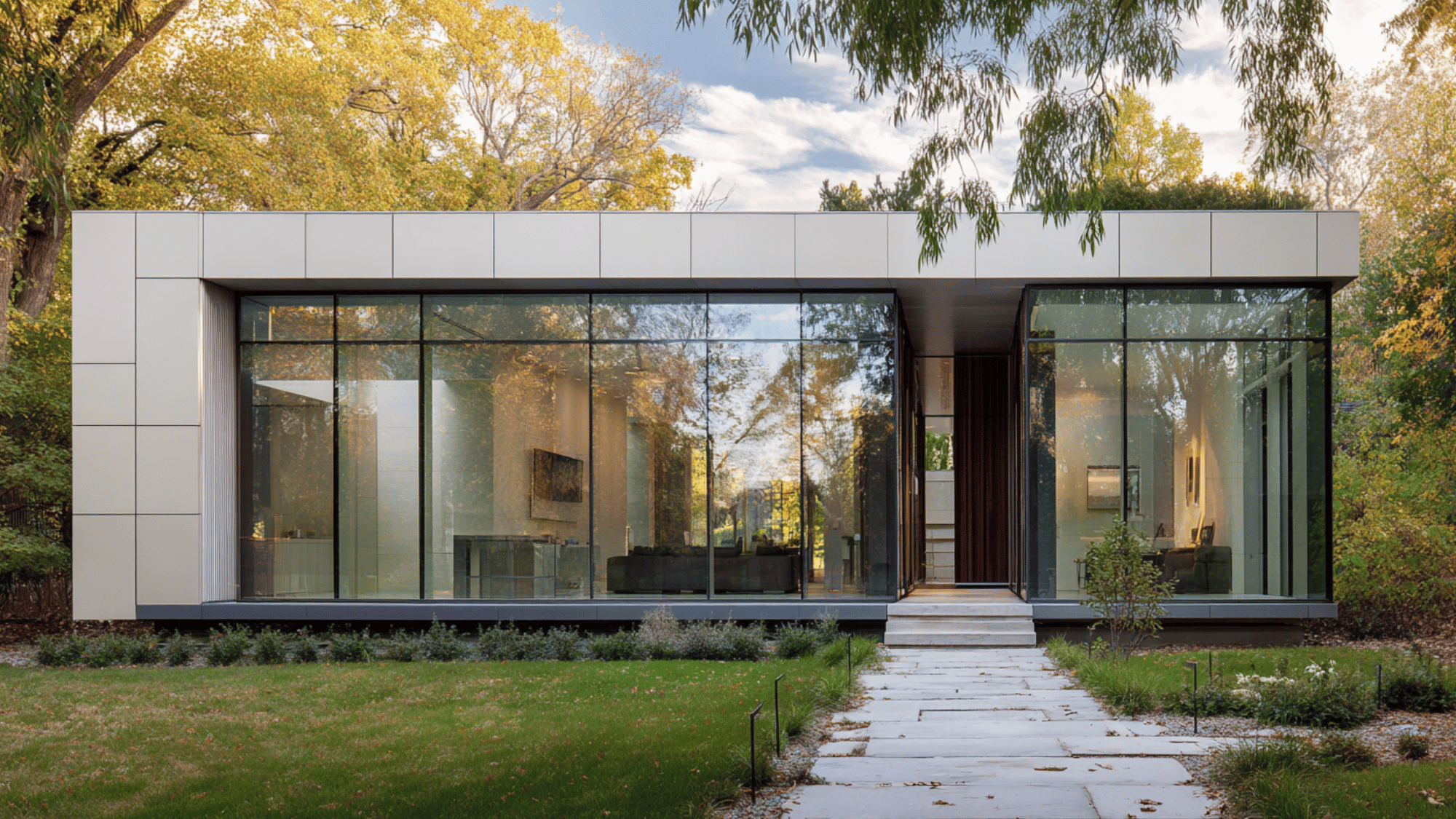
Glass siding panels are used in modern and luxury homes for their reflective, sleek surfaces.
They bring in natural light and create a clean, open feel. These panels are usually framed with metal and can be tinted for privacy.
They’re often featured on accent walls or as part of mixed-material designs.
- Pros: Stylish look, brightens interiors, easy to clean
- Cons: Expensive, fragile if hit, requires expert installation
10. Board and Batten Siding
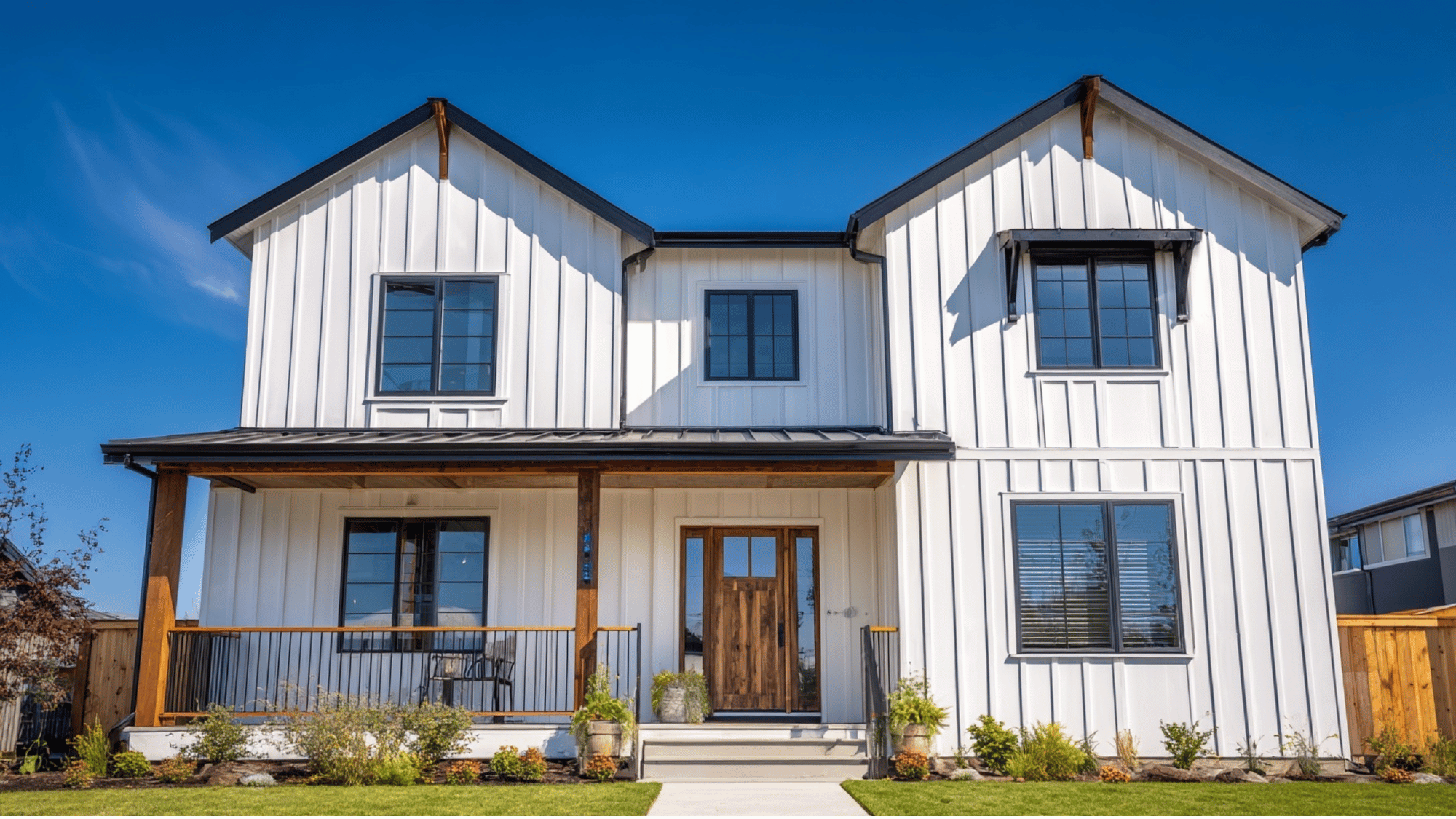
Board and batten siding features wide vertical boards with thin battens covering the seams.
It’s often used on farmhouses and modern homes for its bold, clean lines. The tall panels make homes appear taller and more structured.
It offers a mix of rustic and contemporary appeal in one look.
- Pros: Unique vertical design, adds visual height, durable setup
- Cons: Time-consuming to install, more materials required, harder to replace sections
11. Aluminum Composite Panels
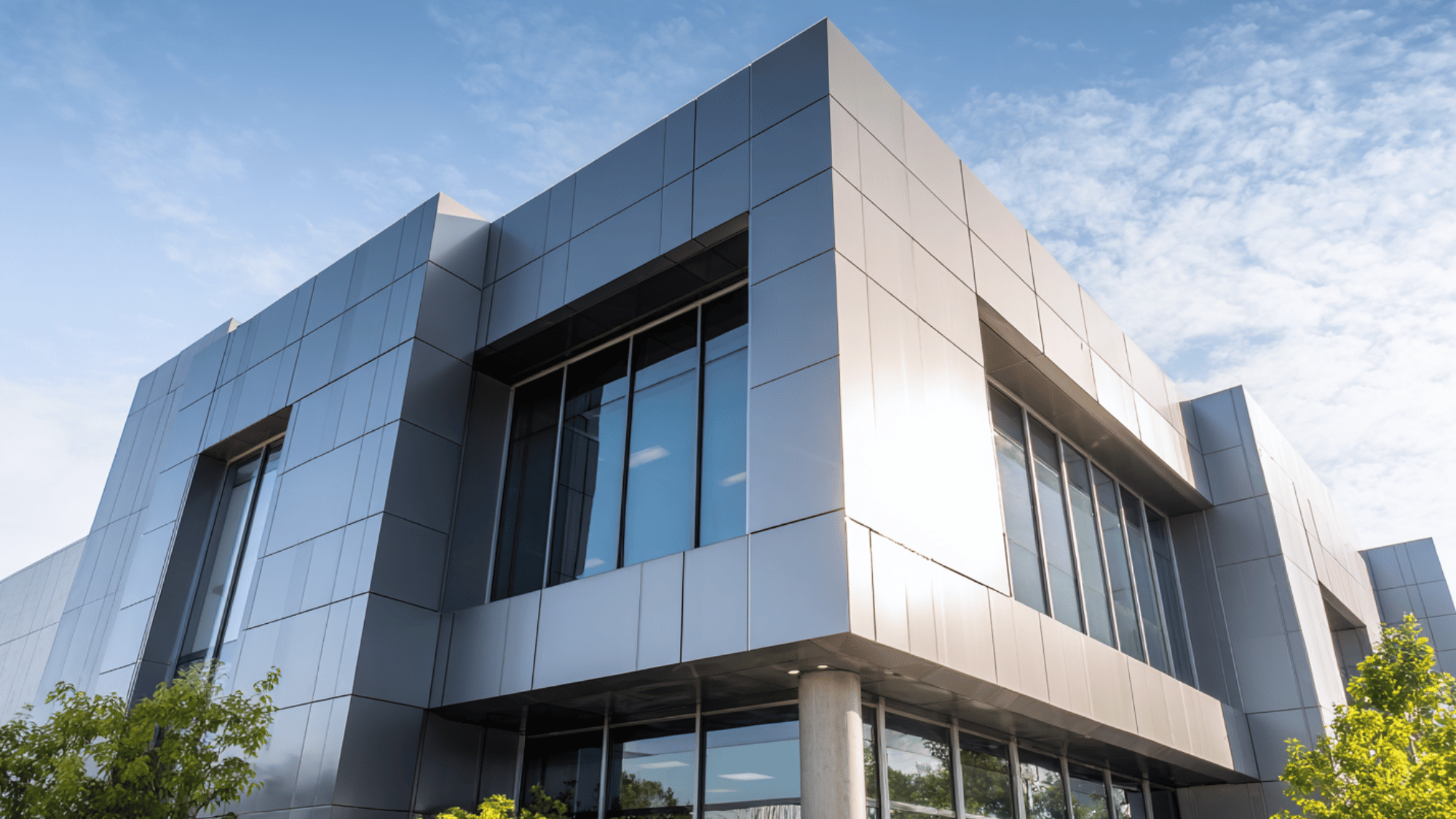
Aluminum composite panels are made from two aluminum sheets with a plastic or foam core.
They’re known for their flat, smooth surfaces and are often used in modern designs.
The panels can be bent or shaped easily, allowing for custom architectural features. They give a sleek, futuristic look to home exteriors.
- Pros: Lightweight, corrosion-resistant, modern appeal
- Cons: Costly material, dents under pressure, limited traditional styles
12. Ceramic Tile Siding
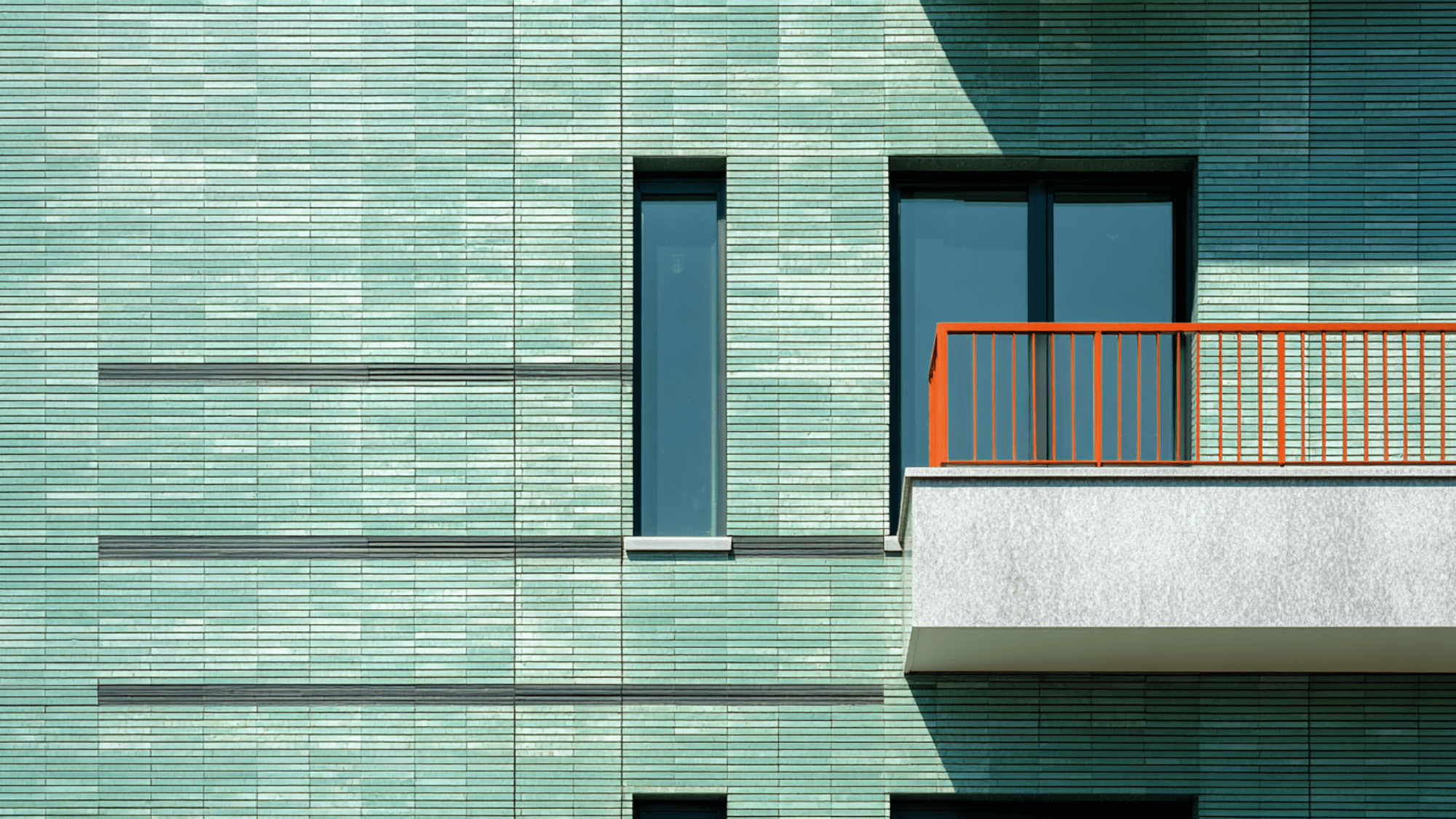
Ceramic tile siding adds color and creativity to exterior walls.
Tiles can be glossy, matte, or textured, allowing for many design combinations. This siding is common in artistic and contemporary homes that value visual impact.
It brings a mix of durability and decorative appeal to any property.
- Pros: Heat-resistant, long-lasting, vibrant appearance
- Cons: Labor-intensive to install, expensive, and hard to replace broken tiles
13. Engineered Wood Siding
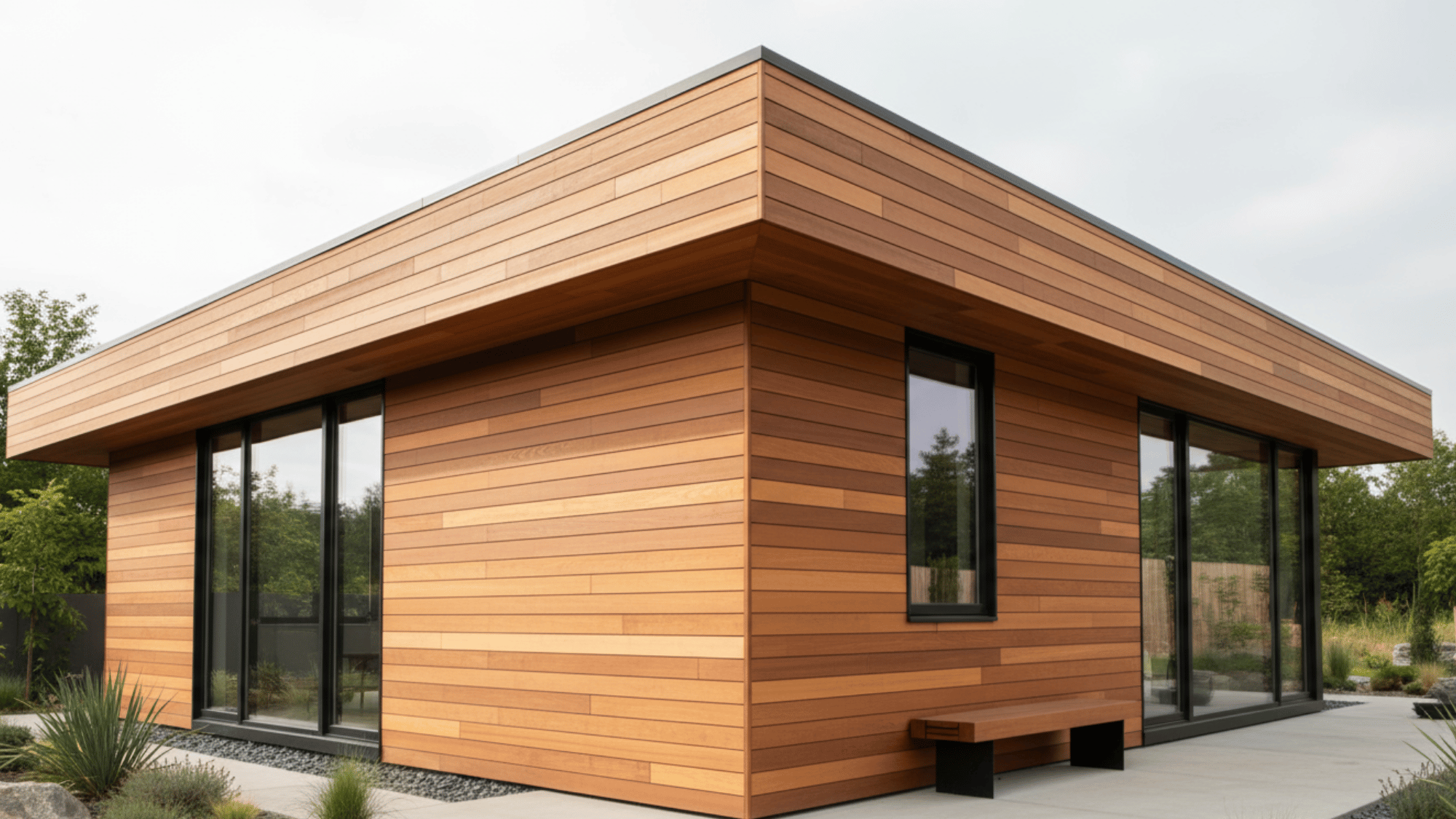
Engineered wood siding blends wood fibers with resin to form strong, uniform panels.
It looks just like real wood but is smoother and lighter. This siding comes prefinished in many colors, making it convenient for homeowners.
It’s a great option for those who want a classic wood look without the same level of care required for real lumber.
- Pros: Lightweight, eco-friendly, consistent finish
- Cons: Can swell if moisture enters, limited color options, not as natural as wood
14. Shingle (Shake) Siding
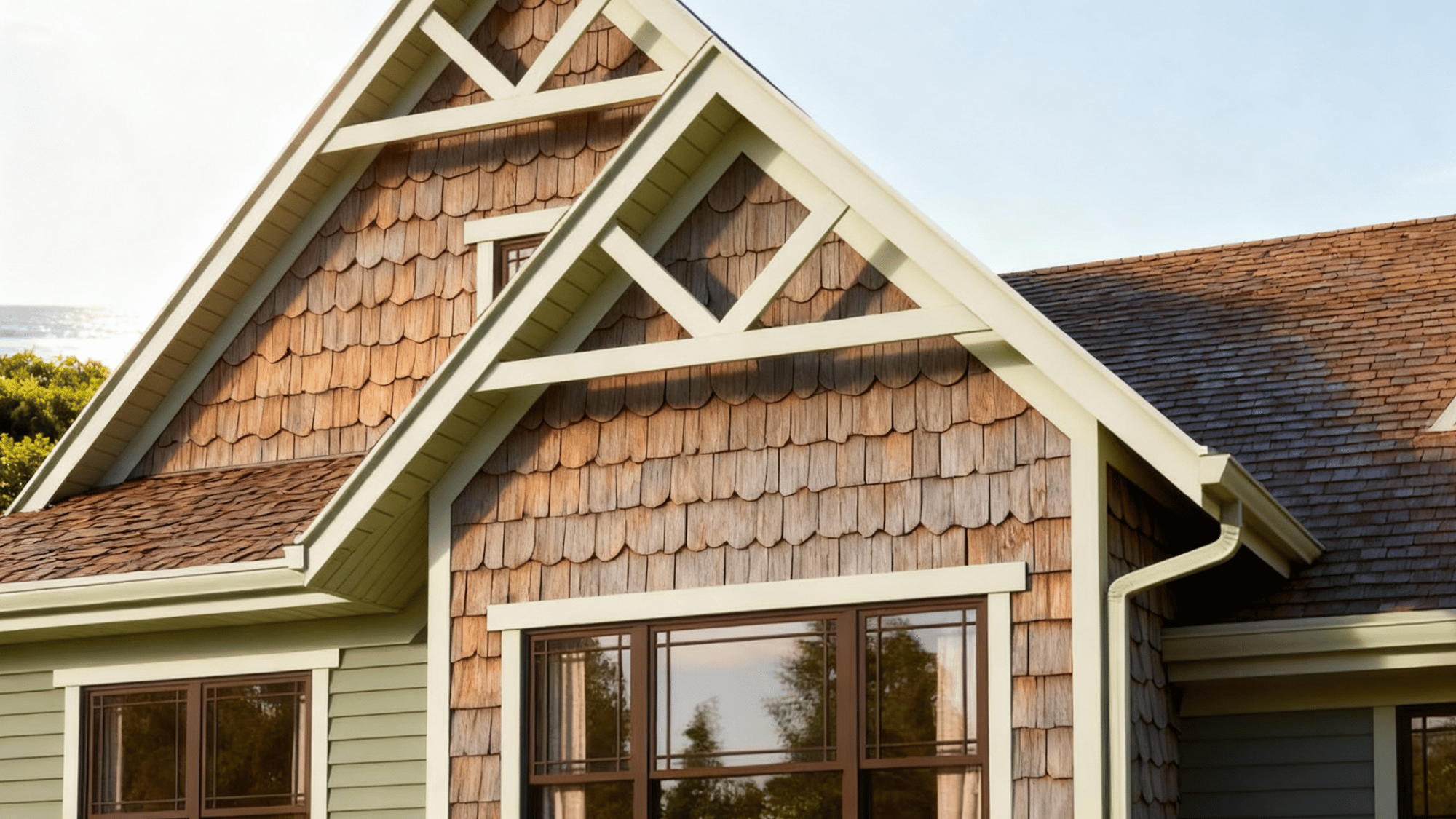
Shingle or shake siding uses small, overlapping pieces for a textured, layered look.
Often made from cedar, it adds warmth and character to coastal or cottage-style homes. The uneven pattern makes it stand out from flat-paneled designs.
Its appeal lies in its handcrafted appearance and natural feel.
- Pros: Excellent detail, natural insulation, blends with many styles
- Cons: Needs frequent cleaning, can host mold, higher labor costs
15. Log Siding
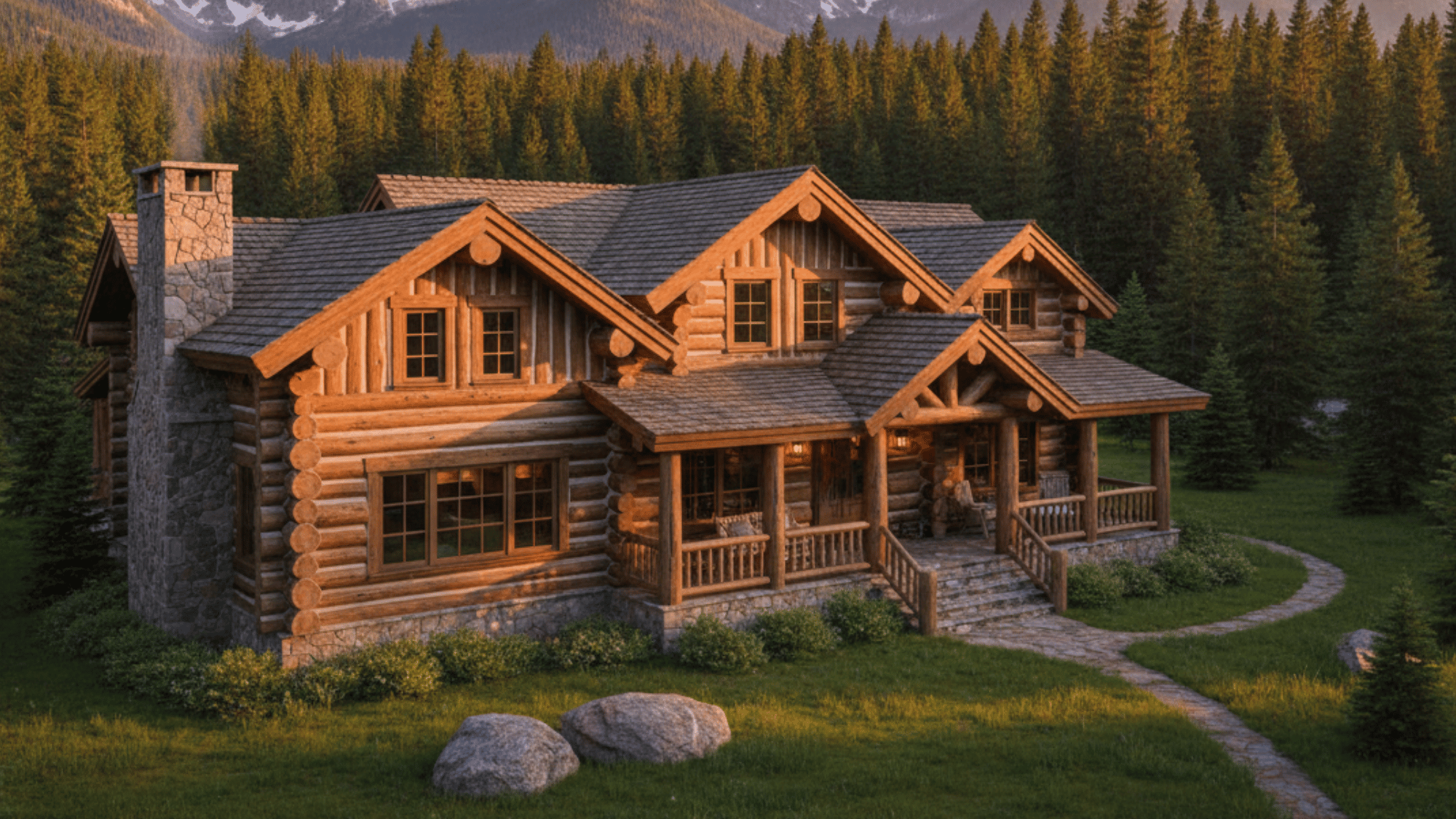
Log siding gives the cozy delight of a cabin without needing full log walls.
It’s shaped from real or engineered wood to look like stacked logs. This siding is perfect for mountain or lakeside homes that want a rustic, natural touch.
The rounded shape adds depth and warmth to any exterior.
- Pros: Beautiful rustic style, natural insulation, renewable resource
- Cons: Attracts insects, needs sealing, not ideal for humid areas
Factors to Consider When Choosing the Best House Siding
Before you choose siding for your home, it’s important to think about how each material performs over time. Considering these key factors will help you find siding that fits your home:
1. Durability and Lifespan: Pick siding that withstands local weather and lasts for years with minimal repairs.
2. Maintenance Needs: Low-maintenance options like vinyl or metal need simple cleaning, while wood requires painting or sealing.
3. Energy Efficiency: Insulated siding helps control indoor temperature and reduces energy bills year-round.
4. Cost and Budget: Balance upfront costs with long-term value; durable siding often saves on future maintenance.
5. Appearance and Style: Select colors and textures that match your home’s design and boost curb appeal.
Cost Breakdown: Affordable vs. Premium Siding Options
The cost of siding depends on the material, labor, and how long it lasts. Some types are budget-friendly and easy to install, while others cost more because of their quality and appearance.
| Category | Siding Type | Price Range (per sq ft installed) | Suitable Climate Regions |
|---|---|---|---|
| Affordable | Vinyl Siding | $3 – $8 | Coastal and moderate climates |
| Engineered Wood Siding | $4 – $9 | Humid and temperate regions | |
| Board and Batten Siding | $4 – $9 | Temperate or dry regions | |
| Metal Siding | $5 – $10 | Hot, dry, or windy areas | |
| Composite Siding | $5 – $10 | Humid or mixed climates | |
| Stucco Siding | $6 – $10 | Hot and dry climates | |
| Mid-Range | Wood Siding | $7 – $13 | Mild or dry climates |
| Fiber Cement Siding | $7 – $13 | Cold and coastal regions | |
| Shingle (Shake) Siding | $8 – $14 | Coastal or cool climates | |
| Log Siding | $8 – $14 | Mountain or forest regions | |
| Aluminum Composite Panels | $9 – $15 | Urban, coastal, or windy areas | |
| Premium | Brick Siding | $15 – $25 | Cold and dry regions |
| Ceramic Tile Siding | $15 – $30 | Warm or artistic urban climates | |
| Natural Stone Siding | $25 – $50 | Hot and sunny climates | |
| Glass Siding Panels | $25 – $60 | Mild and sunny regions |
The costs in the above table may vary depending on the time of the year, the place, labo,r and any other additional costs.
Maintenance Tips for Long-Lasting Siding
Taking care of your siding helps it last longer and keeps your home looking beautiful. Regular maintenance prevents costly repairs and keeps your house protected from the elements.
- Clean Your Siding Regularly: Wash your siding at least once or twice a year with mild soap and water. This removes dirt, mold, and grime that can wear down the surface over time.
- Inspect for Damage: Look for cracks, chips, or loose panels every few months. Fixing small issues early stops water and pests from getting behind the siding.
- Keep Gutters and Downspouts Clear: Clogged gutters can let water spill onto your siding, causing stains and damage. Cleaning them often keeps water flowing away from your home properly.
- Repaint or Reseal When Needed: Wood and fiber cement siding need a new coat of paint or sealant every few years. This protects against moisture, sun damage, and color fading.
- Trim Trees and Bushes: Branches that touch your siding can scratch or dent it during windy days. Keep plants trimmed to allow air to circulate and prevent damage.
- Check Caulking Around Windows and Doors: Old or cracked caulking lets water and air leak inside. Replace it when needed to keep your home dry and energy-efficient.
Conclusion
Updating your home’s siding is one of the best ways to increase its value and protect it from weather damage.
New siding can completely refresh your home’s exterior, improving energy efficiency and lasting for decades with proper care.
Don’t forget to schedule regular inspections to keep it in great shape.
If you’re ready to refresh your home’s exterior, contact a trusted siding professional to discuss the best options for your budget and long-term goals.