
Arranging living room furniture can seem simple, but it often shapes how the whole space feels.
The way pieces are placed can change the mood, comfort, and flow of the room.
Every home has a unique layout, so finding what works best takes thought and care. With a few smart choices, any living area can look more balanced and welcoming.
This blog looks at the idea of arranging living room furniture and explains how to make it work in any space.
Why the Right Layout Makes a Difference
The way furniture is arranged in a living room can completely change how the space feels and functions.
A thoughtful layout helps people move easily, encourages conversation, and makes the room more comfortable to use every day.
Poor placement can make a space feel crowded or awkward, even if the furniture itself looks nice. The right layout creates balance, flow, and a welcoming mood.
It also helps highlight key features, like windows, fireplaces, or artwork.
Good arrangement isn’t just about style; it’s about making the space work well for daily life.
Rules for Arranging Living Room Furniture
Creating a harmonious living room layout requires understanding fundamental principles that balance function, flow, and visual appeal effectively.
1. Choose a Focal Point
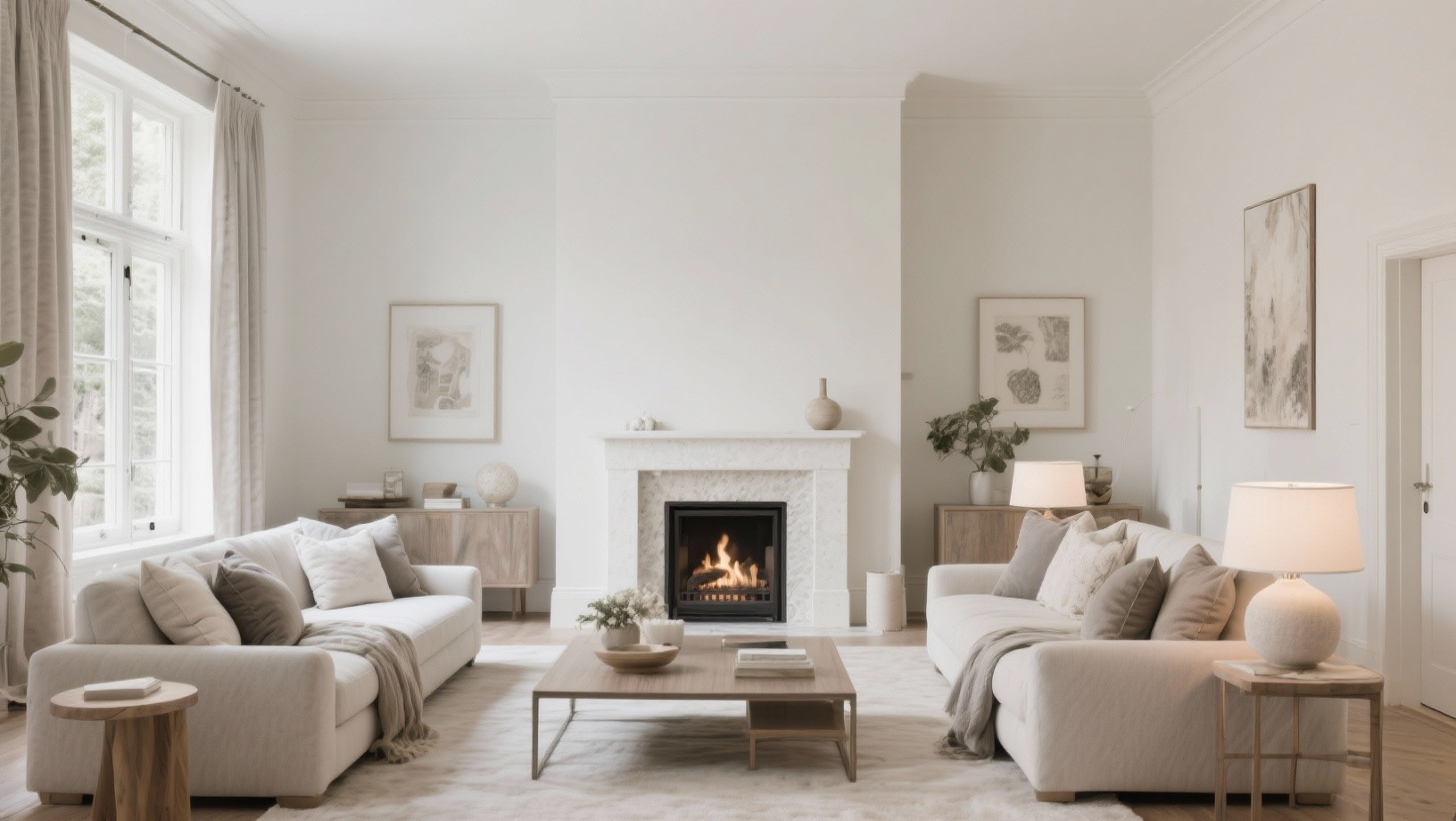
Identify your room’s main attraction, a large window or a television, serving as an anchor around which all furniture is arranged, creating layouts.
Every successful living room needs a clear focal point that draws the eye and gives the space purpose and direction immediately upon entering.
Adding artwork or a striking fireplace around this area enhances its impact, making the focal point feel intentional and visually captivating from all angles.
2. Don’t Push Furniture
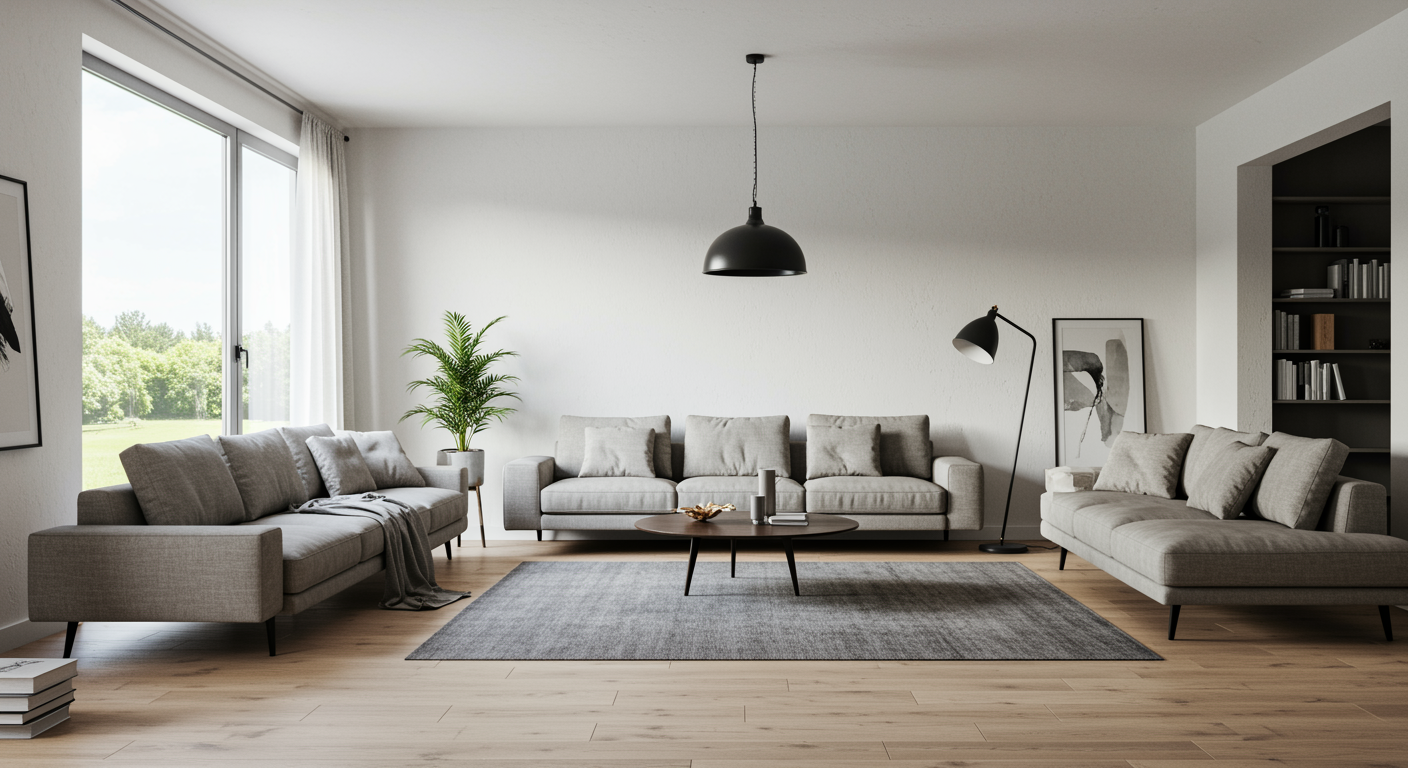
Pull sofas away from walls by 3–12 inches, creating breathing room and making rooms feel larger rather than cramped against perimeters.
This floating technique creates dimension while allowing air circulation behind furniture, preventing wall damage from constant contact with upholstery rubbing surfaces repeatedly.
This approach also encourages better conversation flow and adds depth to the overall layout, giving a more open and stylish appearance instantly.
3. Determine TV Placement
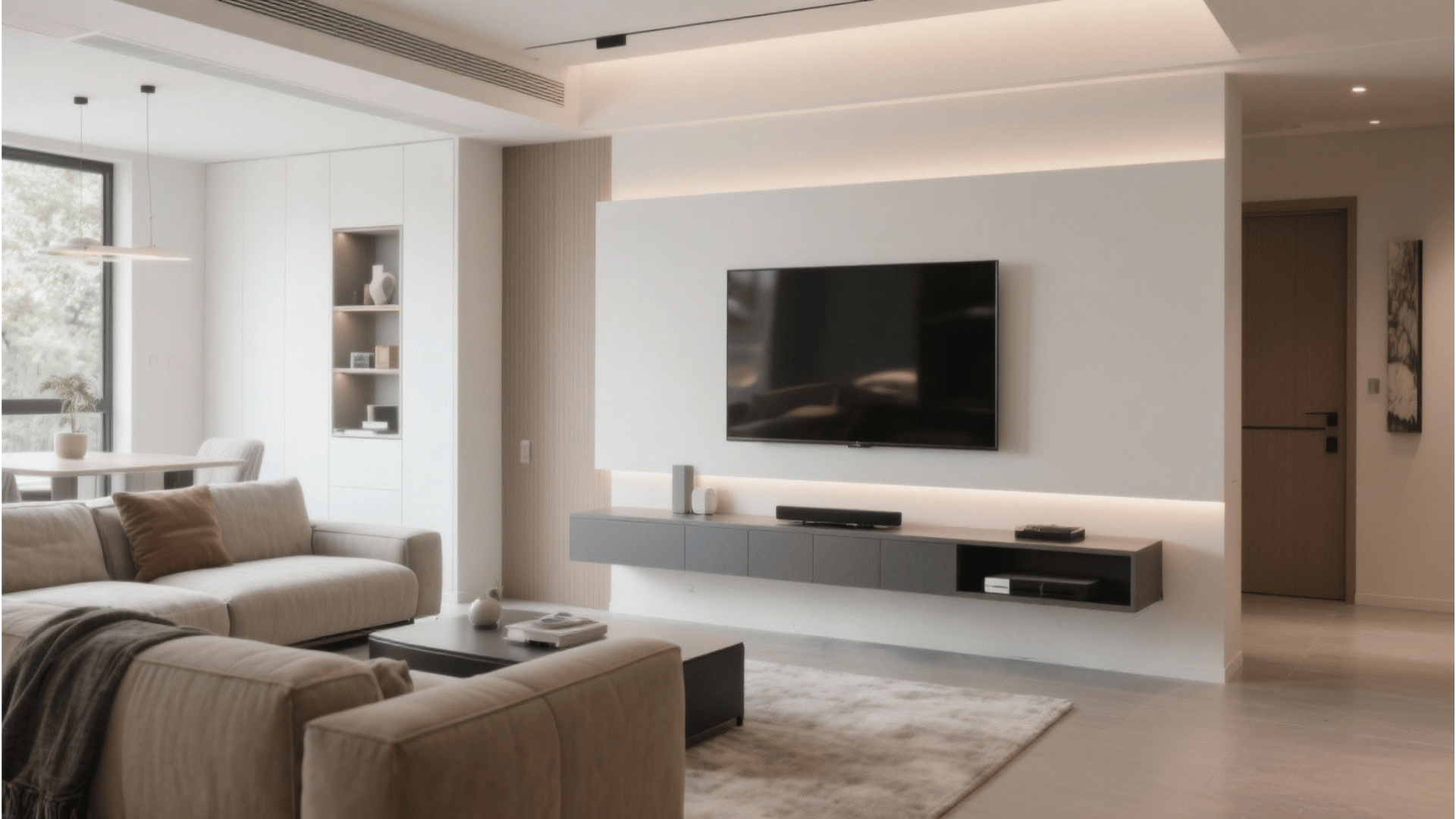
Position the television at a comfortable viewing height and distance from seating, while ensuring minimal glare from windows.
The screen center should sit at eye level when you’re seated, typically 42 inches from the floor for optimal ergonomic viewing comfort during extended use.
Consider adding a swivel mount to allow flexibility for different viewing angles, enhancing both comfort and functionality for multiple seating arrangements effectively.
4. Create Conversation Areas
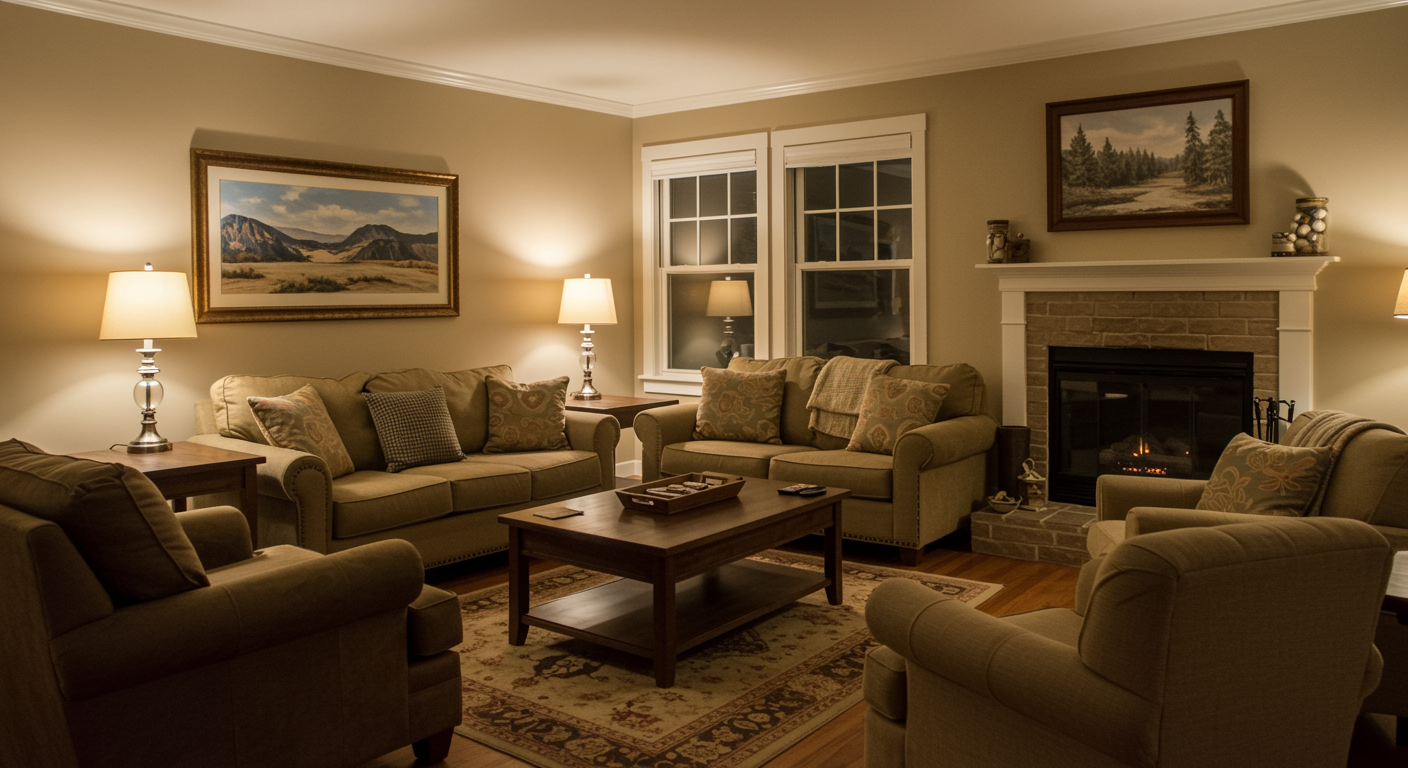
Arrange seating within 8 feet of each other, enabling easy conversation without shouting across rooms during family time together regularly.
This intimate distance allows people to hear each other clearly and maintain comfortable eye contact without straining voices or feeling too far apart during discussions.
Adding a coffee table or ottoman in the center promotes interaction, creating a warm, inviting atmosphere ideal for gatherings and relaxed conversations.
5. Balance the Room
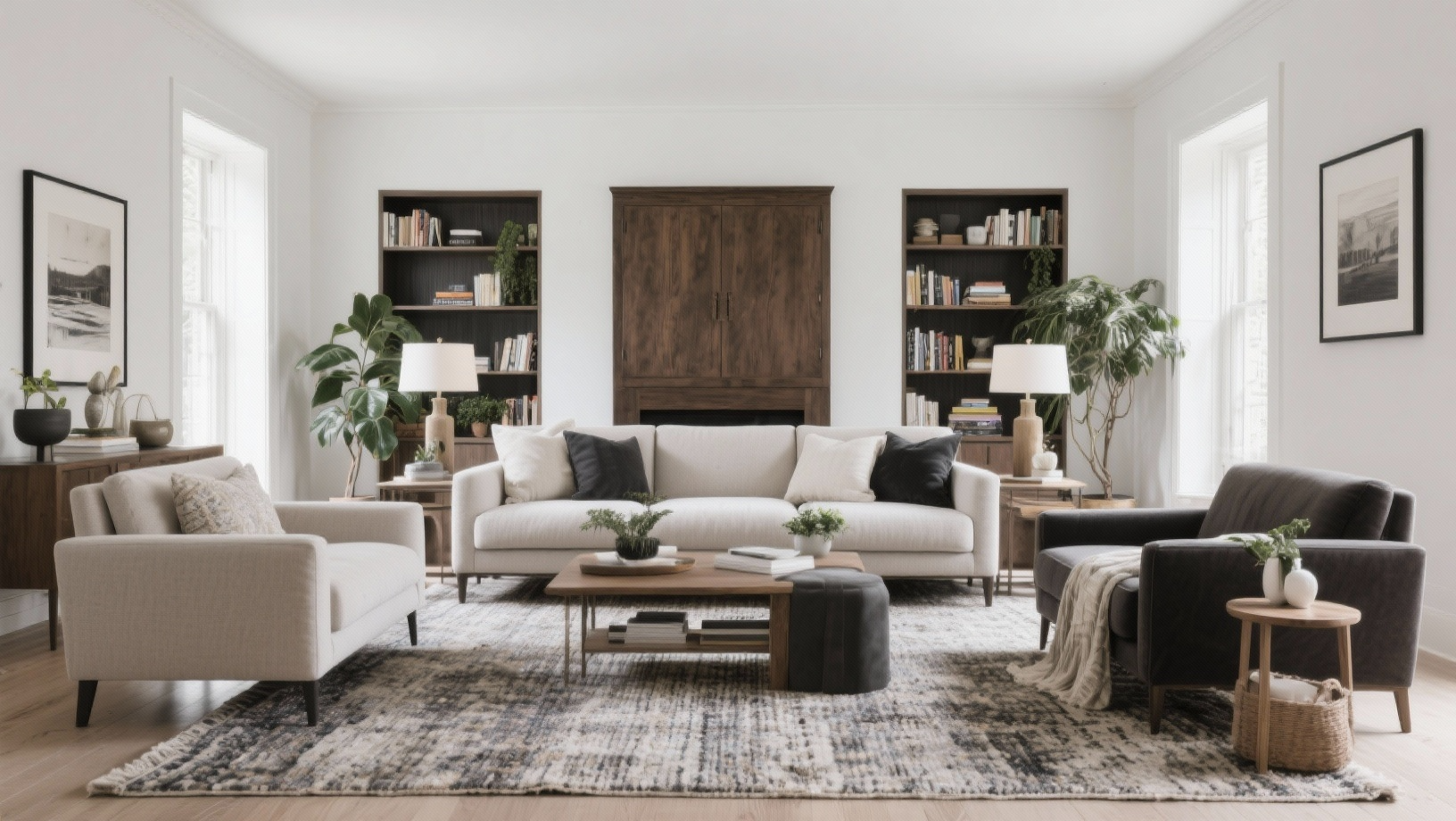
Distribute visual weight evenly by placing large pieces like sofas opposite substantial items like bookcases, preventing lopsided, awkward feelings.
Balance doesn’t require perfect symmetry but needs visual equilibrium, where one heavy piece doesn’t overwhelm an entire side, creating uncomfortable spatial tension constantly.
Accents like plants, lamps, or side tables can help achieve subtle harmony, ensuring every corner of the room feels cohesive and visually grounded.
6. Define Traffic Paths
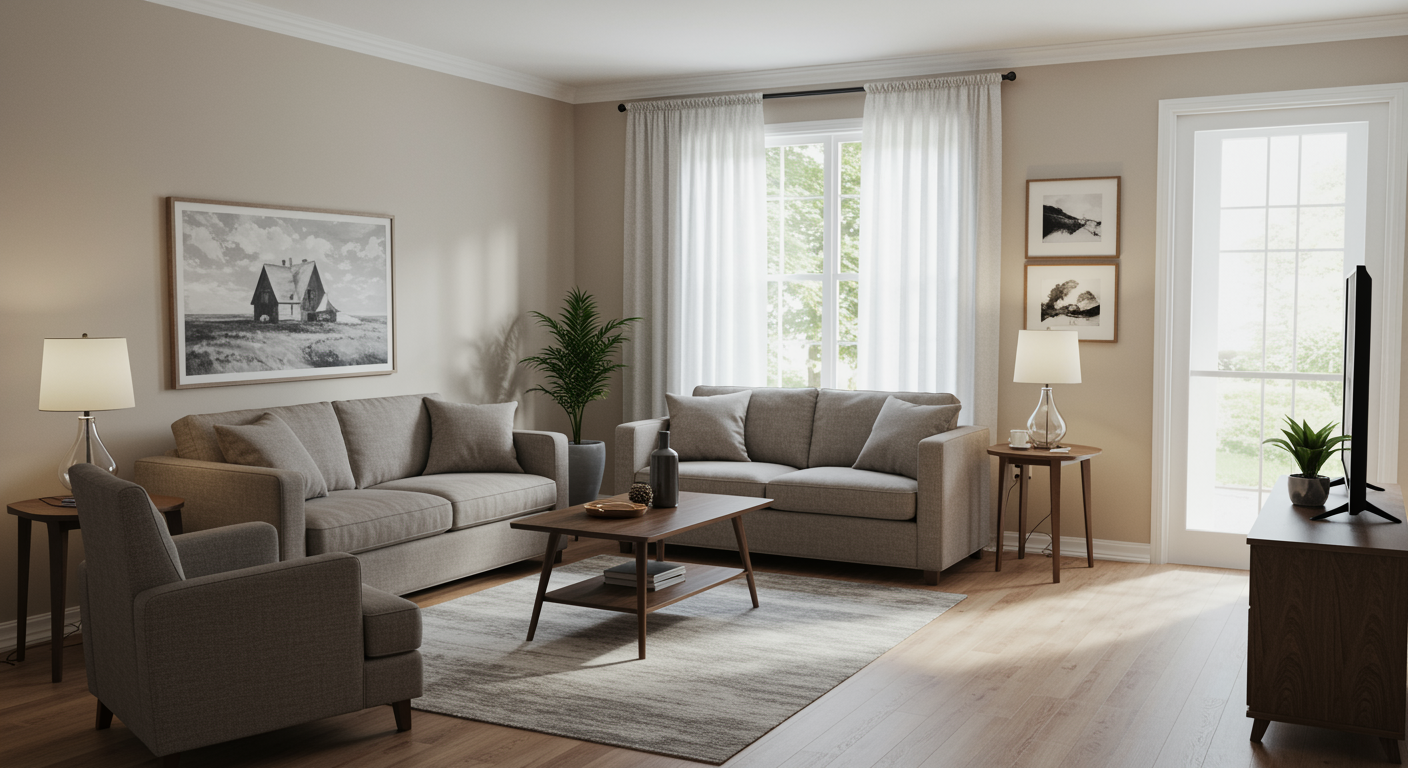
Maintain clear walkways at least 30 inches wide, allowing people to move through spaces without constantly climbing furniture or squeezing through tight gaps.
Major pathways between rooms should measure 36 inches wide, while minor paths within the living room can be slightly narrower without causing inconvenience daily.
This thoughtful spacing improves accessibility for everyone and prevents clutter, making the room feel calm, organized, and easy to navigate effortlessly each day.
7. Anchor with Rugs
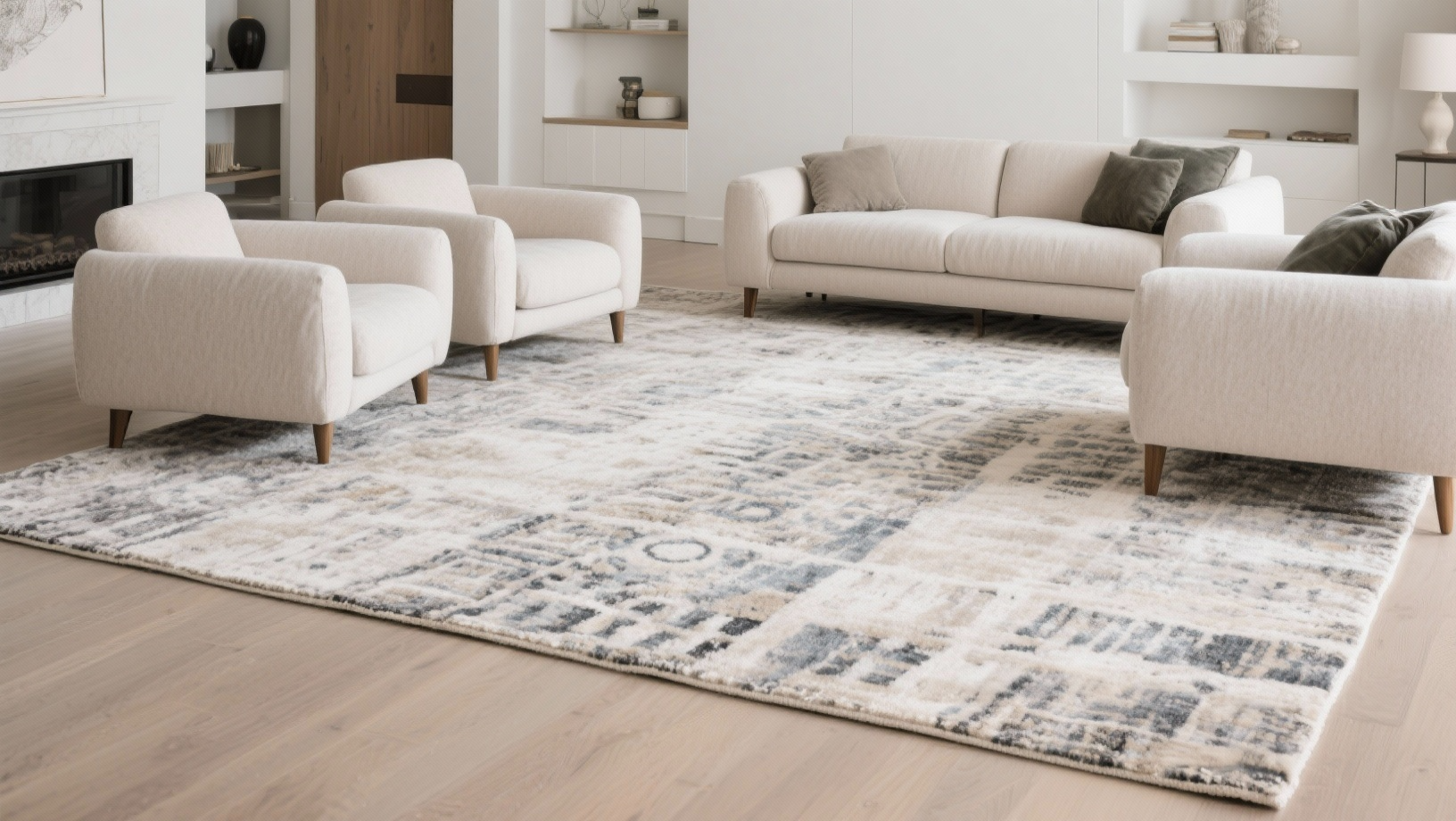
Use area rugs to define seating zones with front furniture legs resting on rugs, creating groupings that feel intentional rather than randomly scattered everywhere.
The rug should be large enough that all front legs of sofas and chairs rest on it, creating unified arrangements that visually tie furniture pieces together.
Choosing the right texture and color further enhances comfort and cohesion, blending seamlessly with your décor to elevate the room’s warmth and design appeal.
8. Consider Lighting Needs
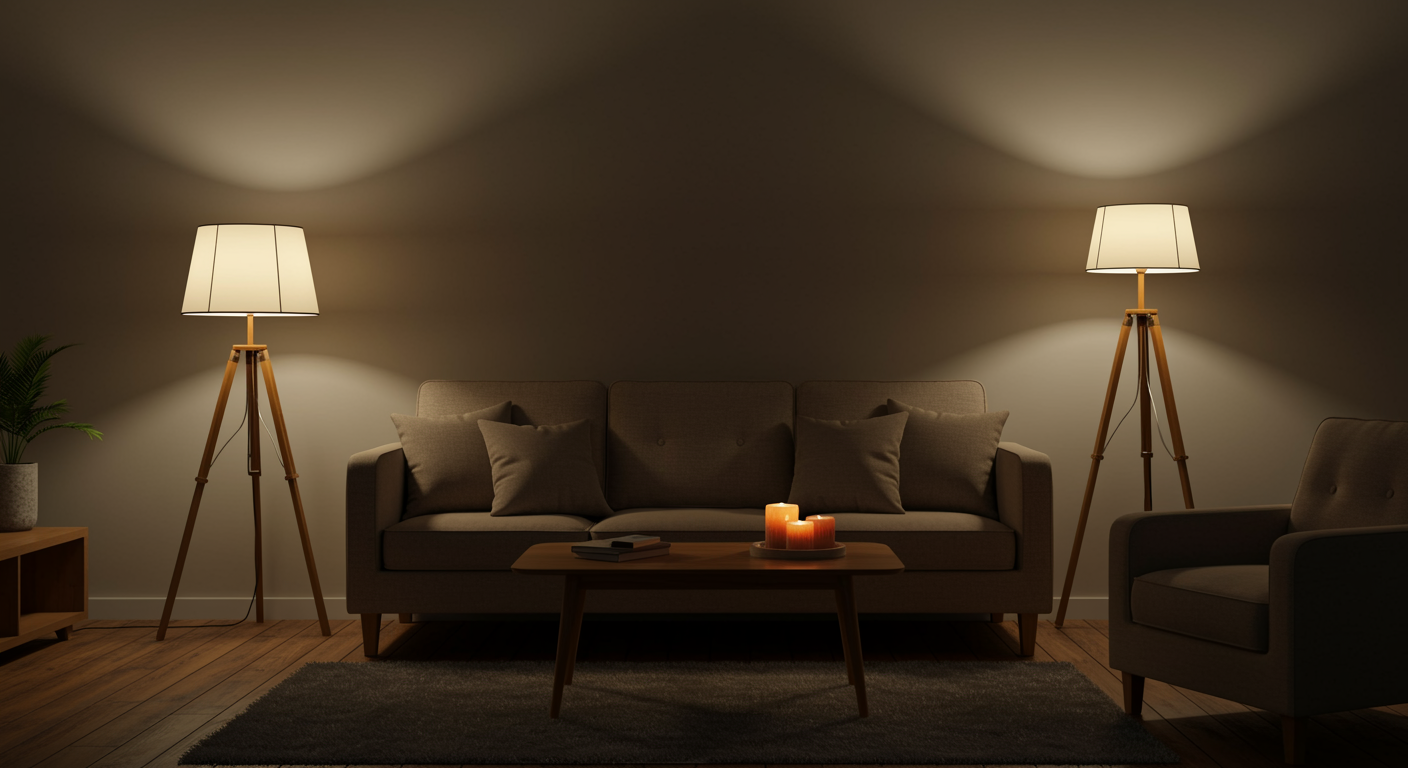
Place floor lamps or table lamps near seating for reading tasks since overhead lighting alone creates harsh shadows and inadequate illumination for work.
Layer multiple light sources at different heights throughout the room, creating ambient, task, and accent lighting that adapts to various activities and times of day.
Dimmer switches or smart bulbs can adjust brightness levels easily, allowing you to set moods ranging from cozy evenings to vibrant social gatherings instantly.
9. Think About Scale
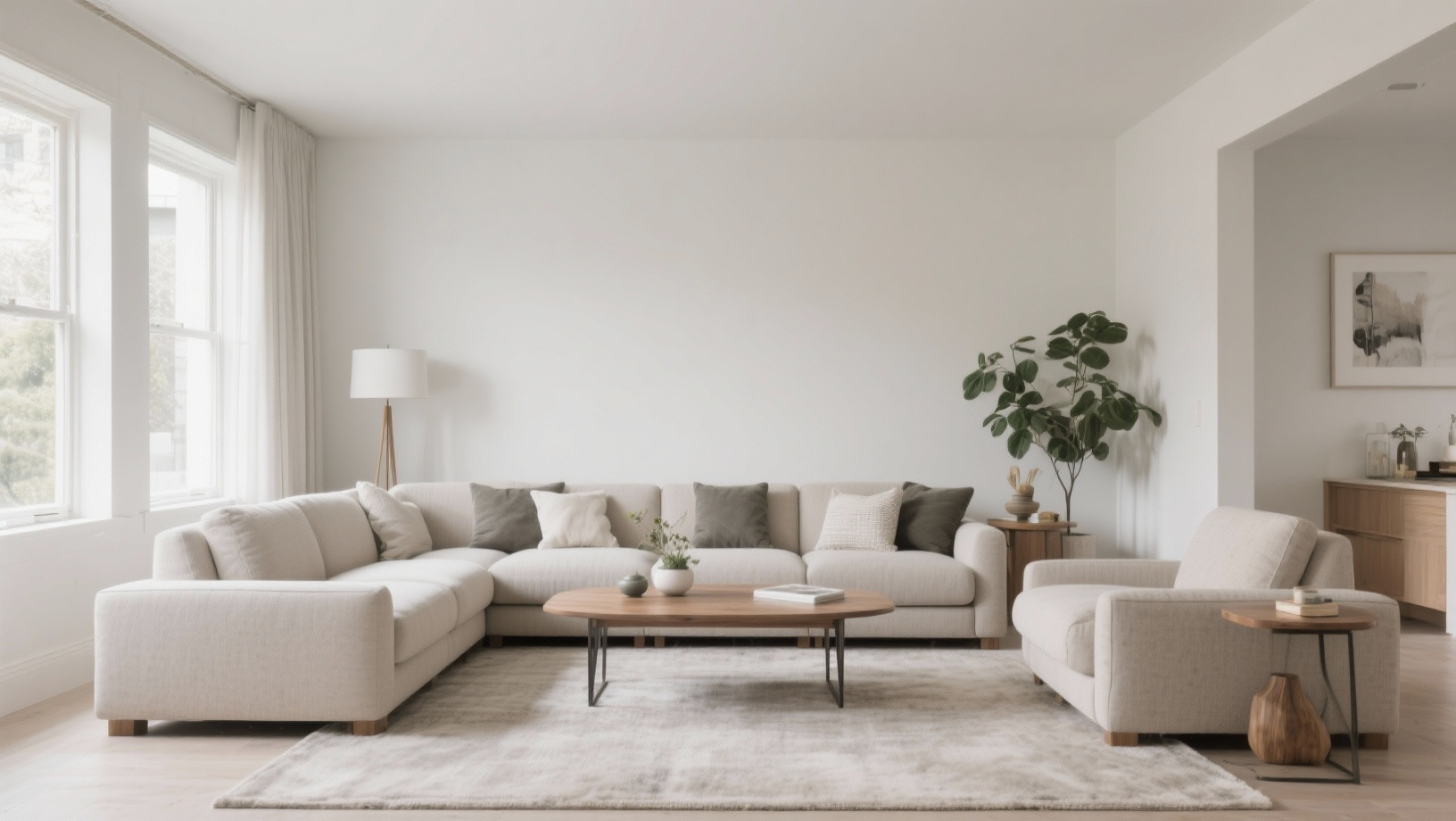
Choose furniture proportional to room size, avoiding oversized pieces that overwhelm small spaces or tiny furniture that disappears in large rooms, looking lost.
A large sectional that works beautifully in a spacious living room will completely overwhelm a compact apartment, making it feel cramped and uncomfortable immediately.
Mixing various furniture heights and shapes maintains interest while preserving harmony, ensuring the space feels dynamic without appearing overcrowded.
10. Vary Furniture Heights
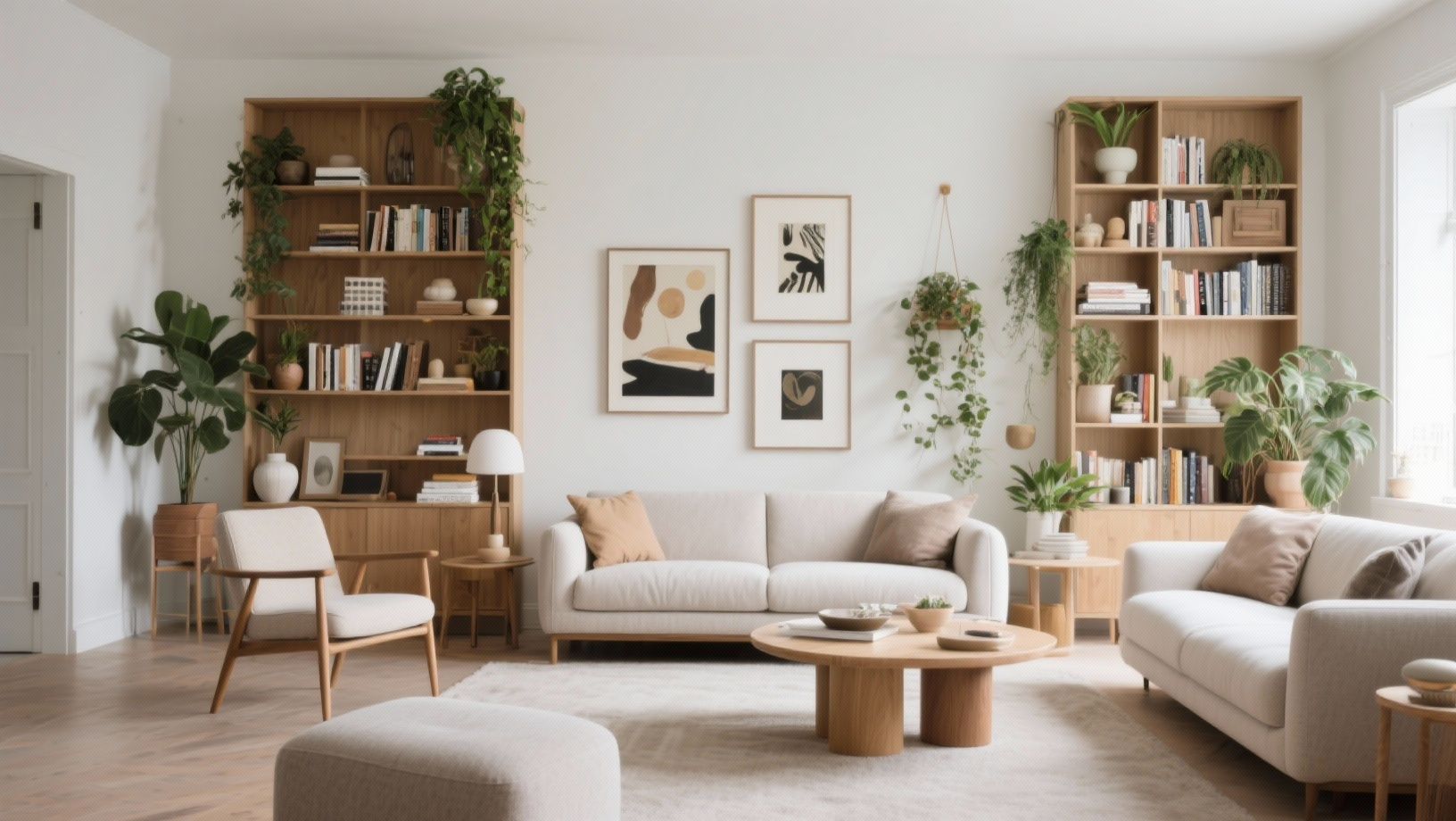
Mix tall bookcases with low sofas and mid-height chairs, creating interest through changes, preventing monotonous arrangements that feel boring.
The varying heights guide eyes around the room, creating compositions that feel designed rather than everything sitting at one predictable horizontal plane throughout.
Combining heights adds dimension, texture, and movement, resulting in a visually dynamic and balanced living space.
11. Maximize Natural Light
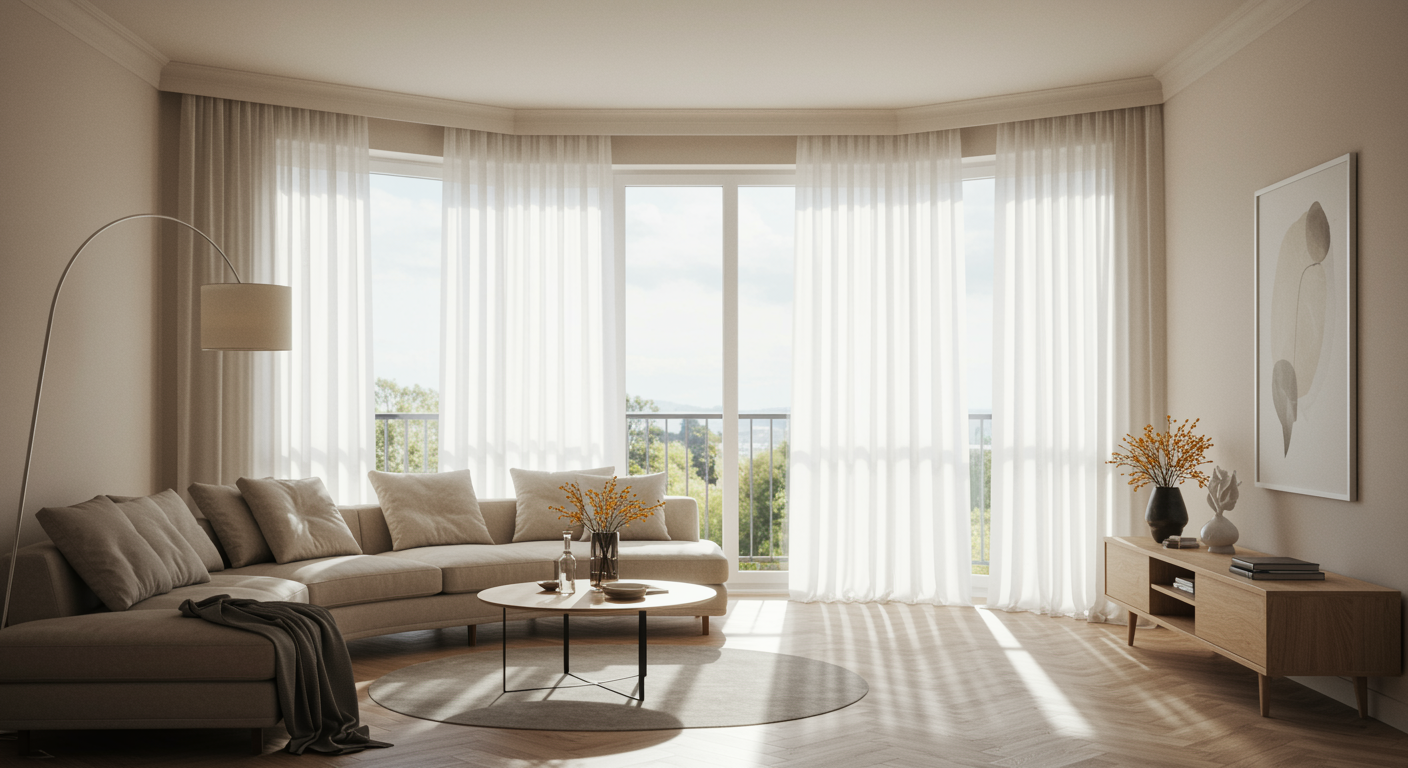
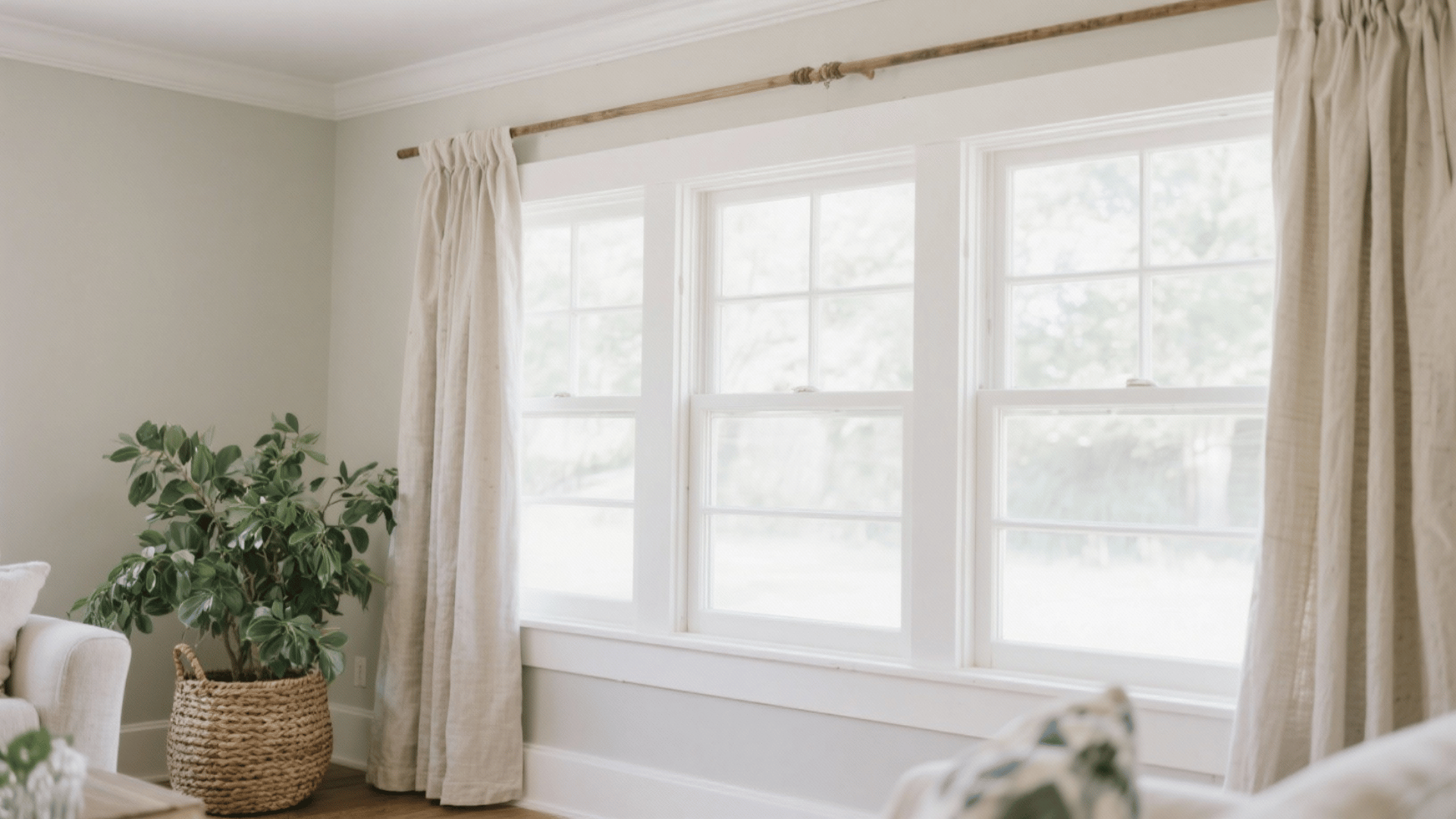
Avoid blocking windows with tall furniture, keeping pathways to light sources clear, and allowing sunshine to reach throughout rooms, improving mood.
Natural light makes spaces feel larger, more inviting, and healthier while reducing dependence on artificial lighting during daytime hours.
Improving sunlight exposure also boosts energy levels and complements interior colors, adding warmth and vibrancy naturally.
12. Plan for Flexibility
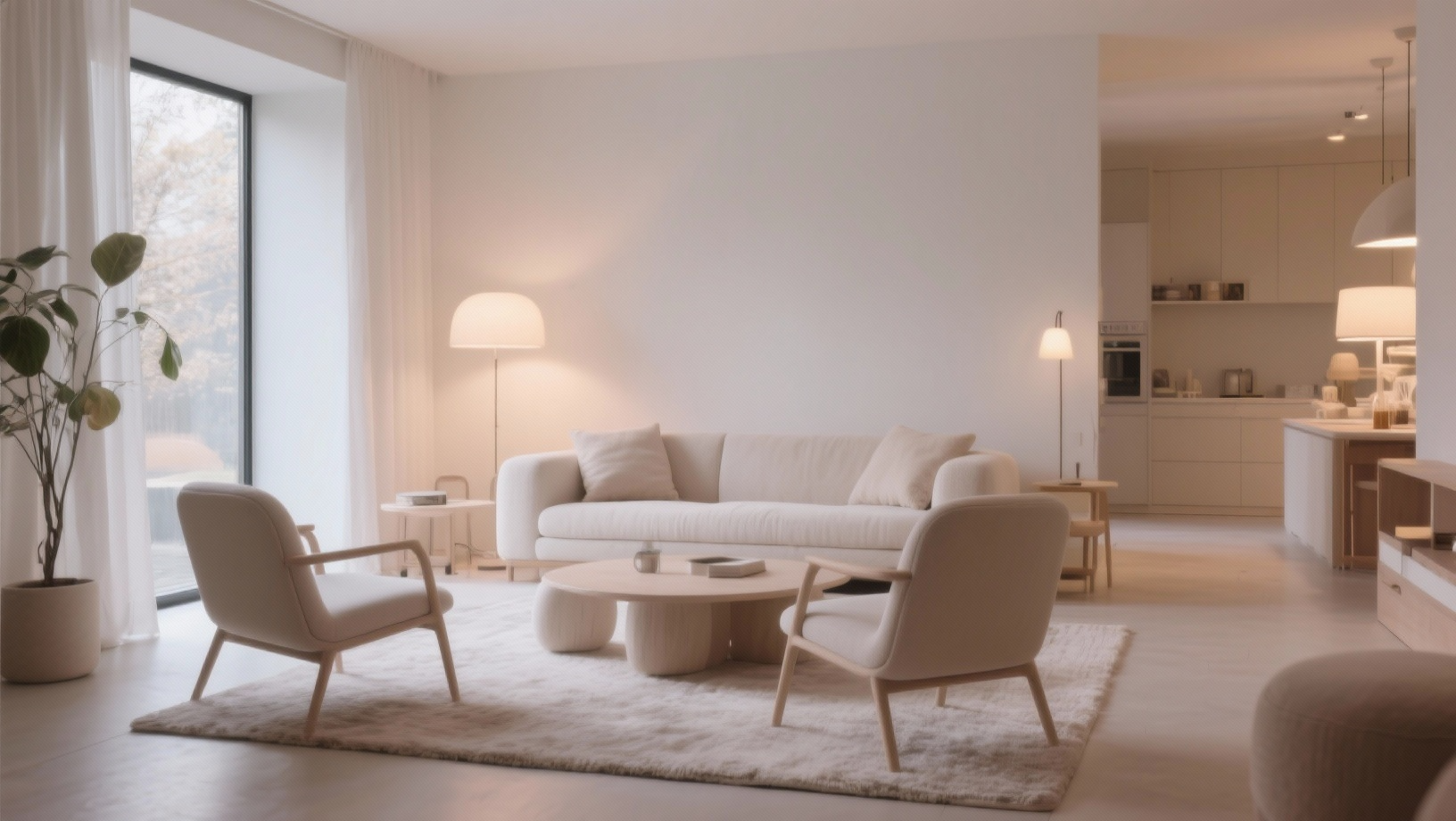
Choose lightweight occasional chairs or ottomans that move easily when extra seating is needed for parties or gatherings beyond normal family capacity.
Furniture on casters allows quick rearrangement, adapting spaces to different occasions without requiring help moving heavy pieces that strain backs and damage floors.
Versatile arrangements keep your living room adaptable, ensuring comfort for any event or guest configuration.
Furniture Placement Mistakes that Disrupt Living Room Flow
Learning how to arrange living room furniture successfully means avoiding these frequent errors that undermine comfort and functionality in shared living spaces.
- Blocking Traffic: Furniture placement creates obstacles, forcing people to squeeze through tight spaces or detour around pieces, disrupting natural movement constantly.
- Ignoring Scale: Oversized furniture overwhelms small rooms while tiny pieces disappear in large spaces, looking insignificant and failing to anchor areas.
- Pushing Everything: Placing all furniture against walls wastes central space, making rooms feel disconnected rather than creating cohesive seating arrangements.
- Forgetting Lighting: Inadequate lamps near seating create harsh shadows and eye strain, making reading or detailed tasks difficult during evening hours.
- Overloading Rooms: Too much furniture creates cluttered, cramped spaces, preventing comfortable movement and making rooms feel smaller than their actual dimensions.
- Neglecting Function: Prioritizing appearance over practical use results in beautiful rooms that don’t actually serve your family’s daily living needs effectively.
Living Room Setup Ideas
Strategic furniture placement changes any living room into a functional, inviting space that encourages conversation and comfort
1. Classic Symmetrical Arrangement
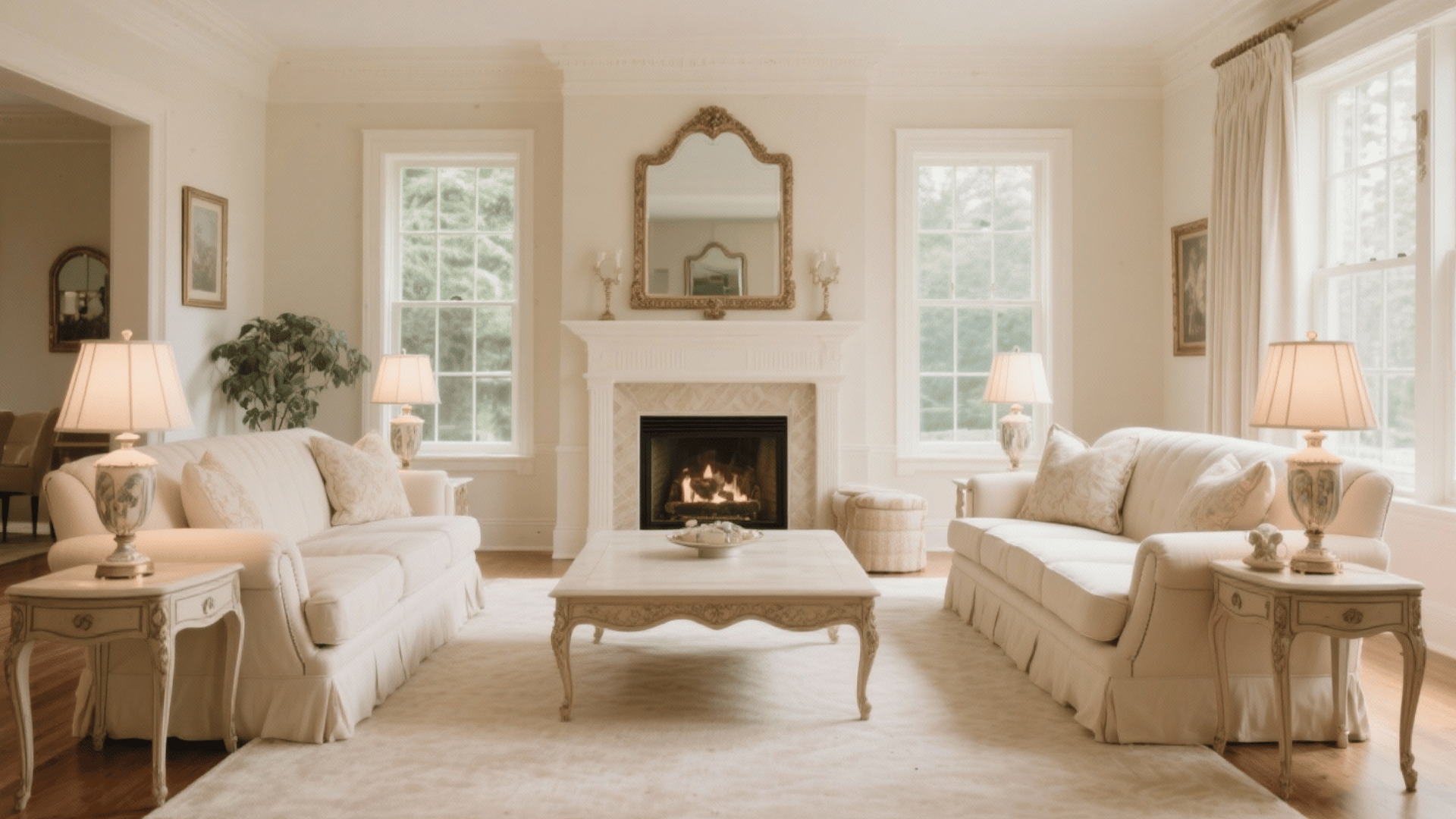
Position matching sofas facing each other across a coffee table with identical end tables and lamps, creating formal, balanced layouts perfect for traditional homes.
This mirror-image approach brings order and elegance to living spaces where entertaining guests matters more than casual family lounging daily.
The symmetry creates calm, predictable spaces that feel sophisticated and intentionally designed rather than haphazardly arranged over time.
2. L-Shaped Sectional Configuration
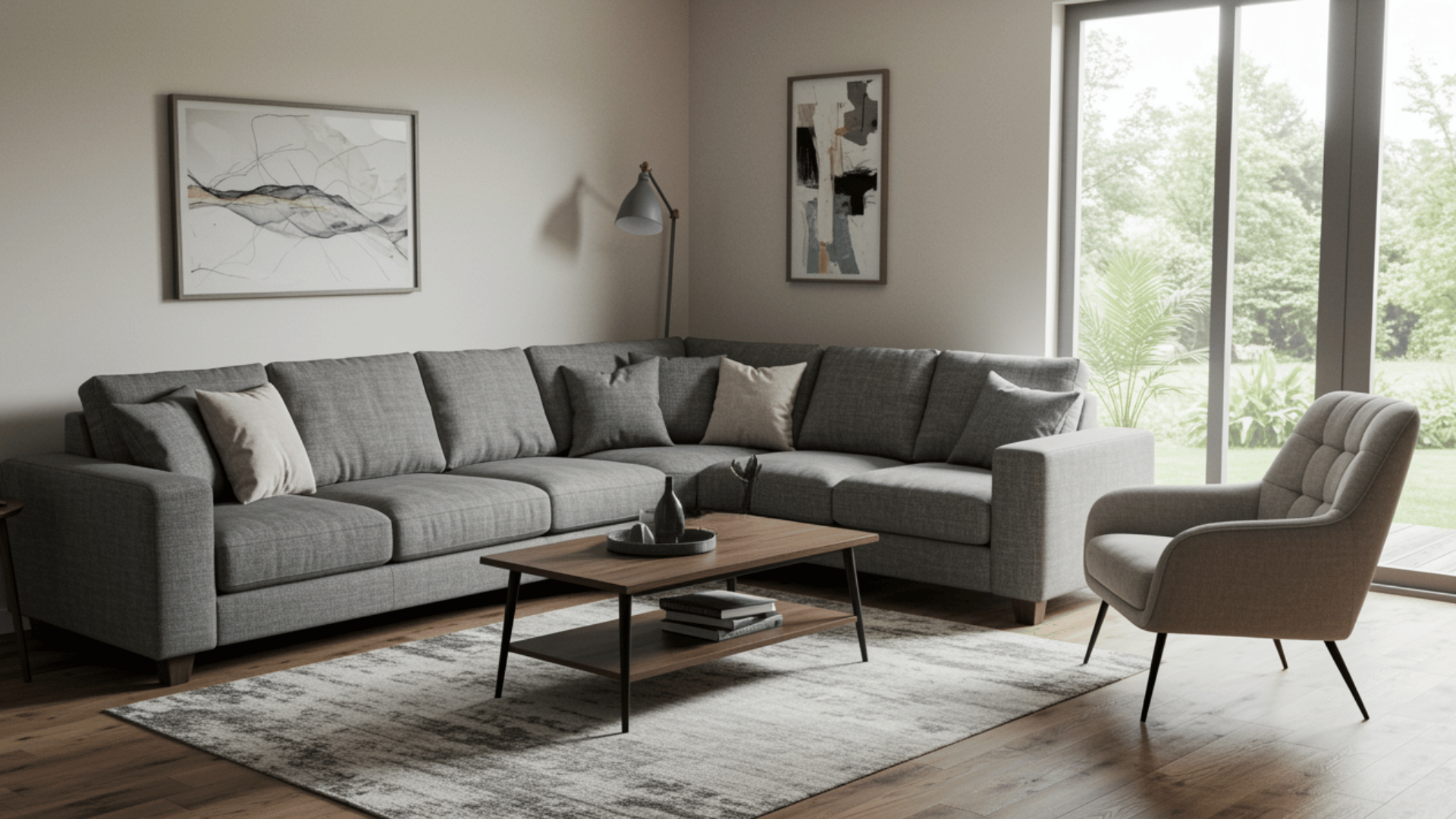
Anchor your room’s corner with a sectional sofa, creating an L-shape that maximizes seating without filling the entire room with separate pieces.
This efficient layout works wonderfully in small to medium living rooms where you need substantial seating capacity but limited floor space is available.
The sectional’s continuous line creates natural conversation zones, while the open end maintains pathways for daily traffic flow throughout the room.
3. Floating Furniture Island
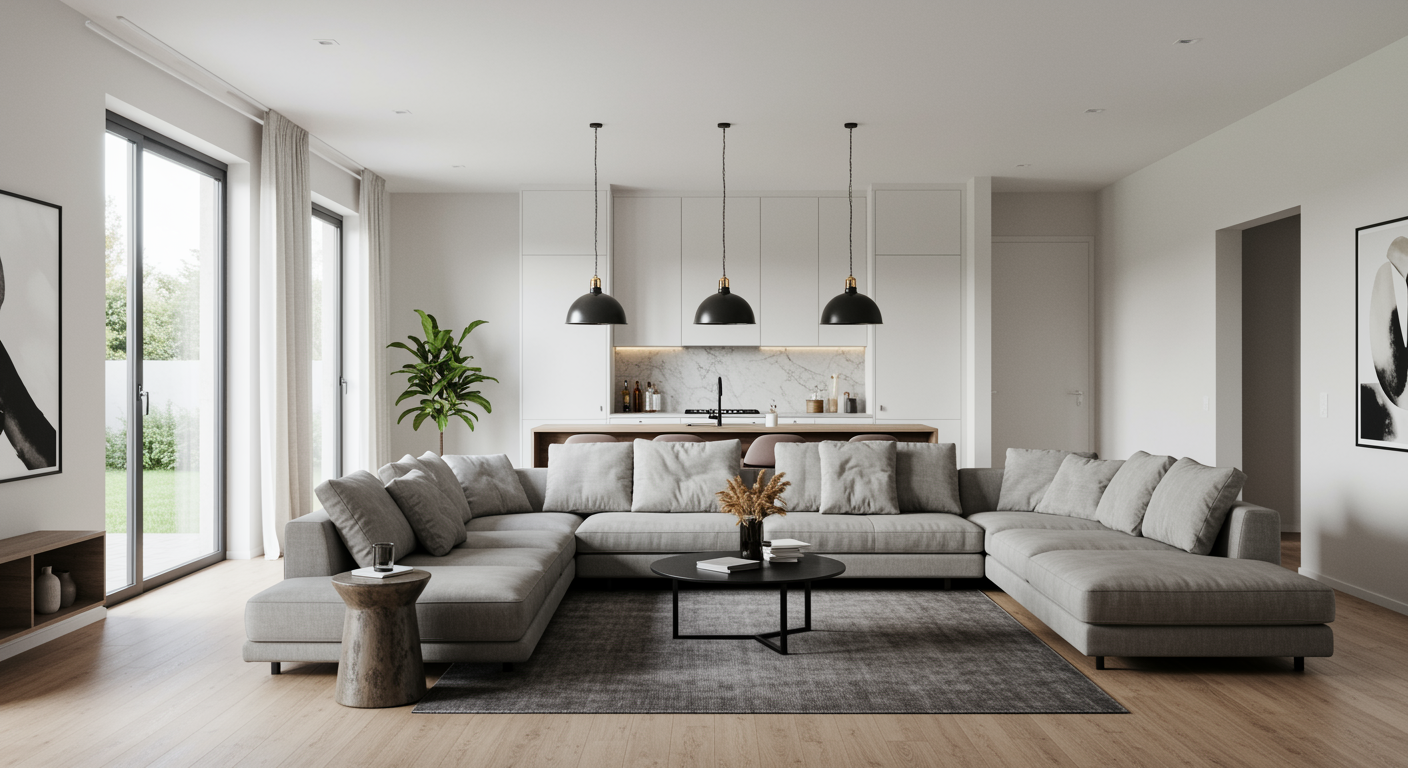
Pull your sofa away from the walls into the room’s center, creating a furniture island with space to walk completely around all sides.
This approach works brilliantly in large living rooms or open-concept spaces where the living area lacks defined walls on all sides.
Add a console table behind the sofa for lamps, decor, and a visual anchor separating the living space from adjacent areas.
4. Fireplace-Focused Layout
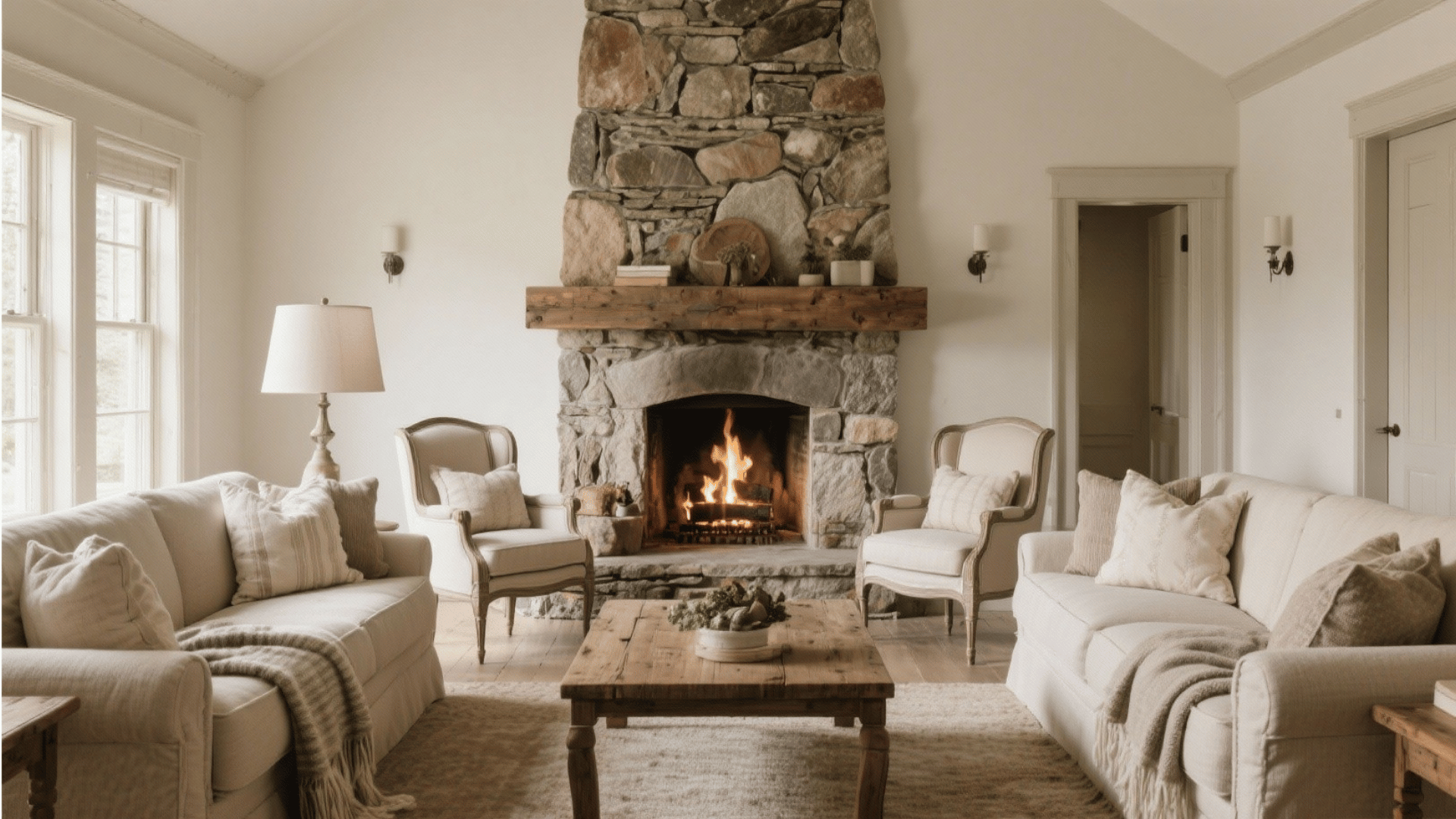
Orient all seating to face your fireplace as the room’s obvious focal point, creating cozy arrangements perfect for homes where the hearth serves as the main attraction.
Position the sofa directly facing the fireplace with chairs angled on either side forming a U-shape that welcomes everyone into the warm, inviting space.
This traditional living room layout feels natural since fireplaces have anchored gathering spaces for centuries throughout human history and domestic life.
5. TV-Centric Entertainment Setup
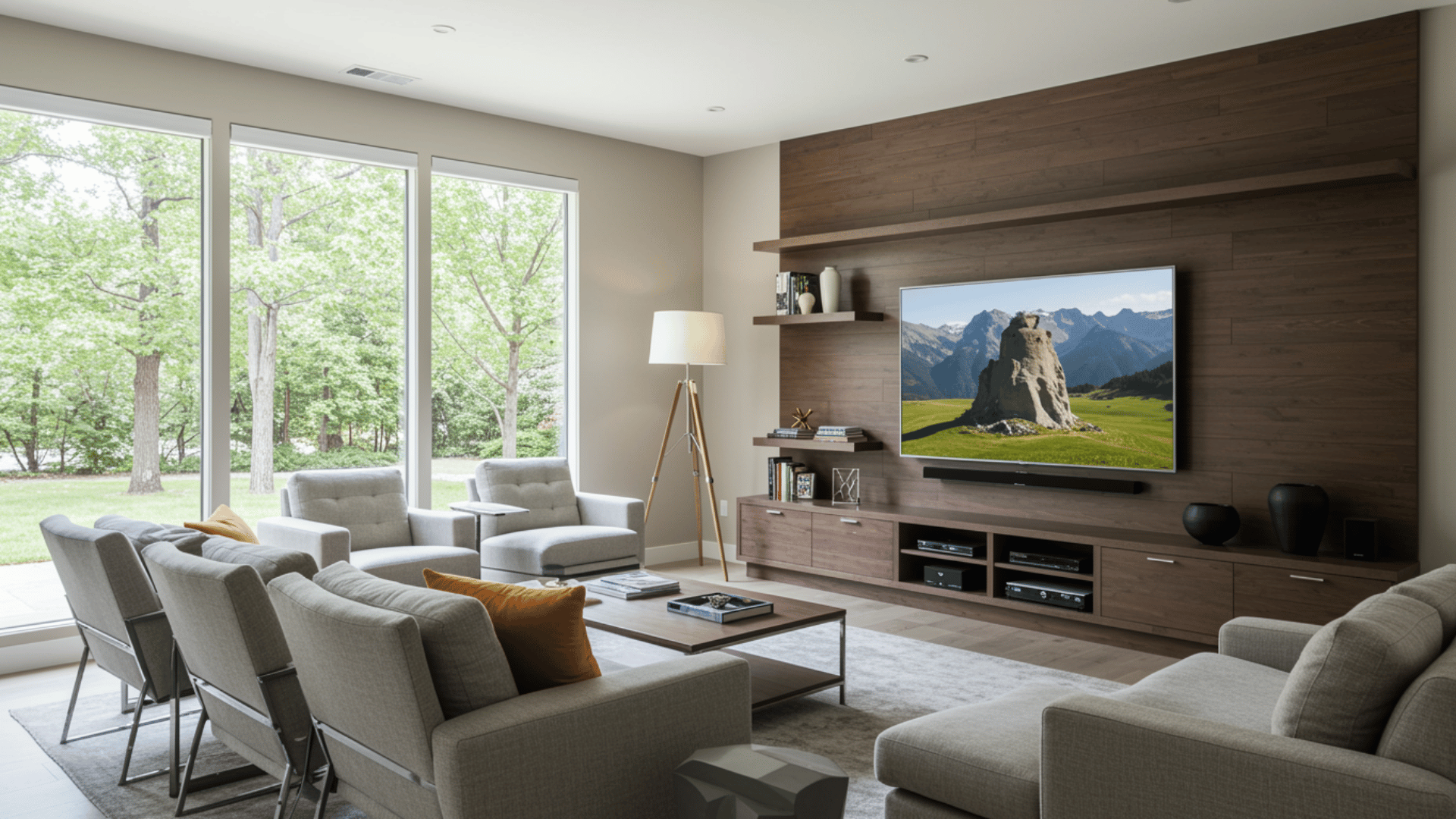
Design your entire layout around television viewing when this is your family’s primary living room activity during evenings and weekends, regularly together.
Position the sofa directly facing the TV at an appropriate viewing distance with additional chairs angled slightly for comfortable neck positions during extended watching.
This practical approach acknowledges how modern families actually use living spaces rather than forcing impractical formal arrangements nobody wants or uses regularly.
6. Conversation Circle Arrangement
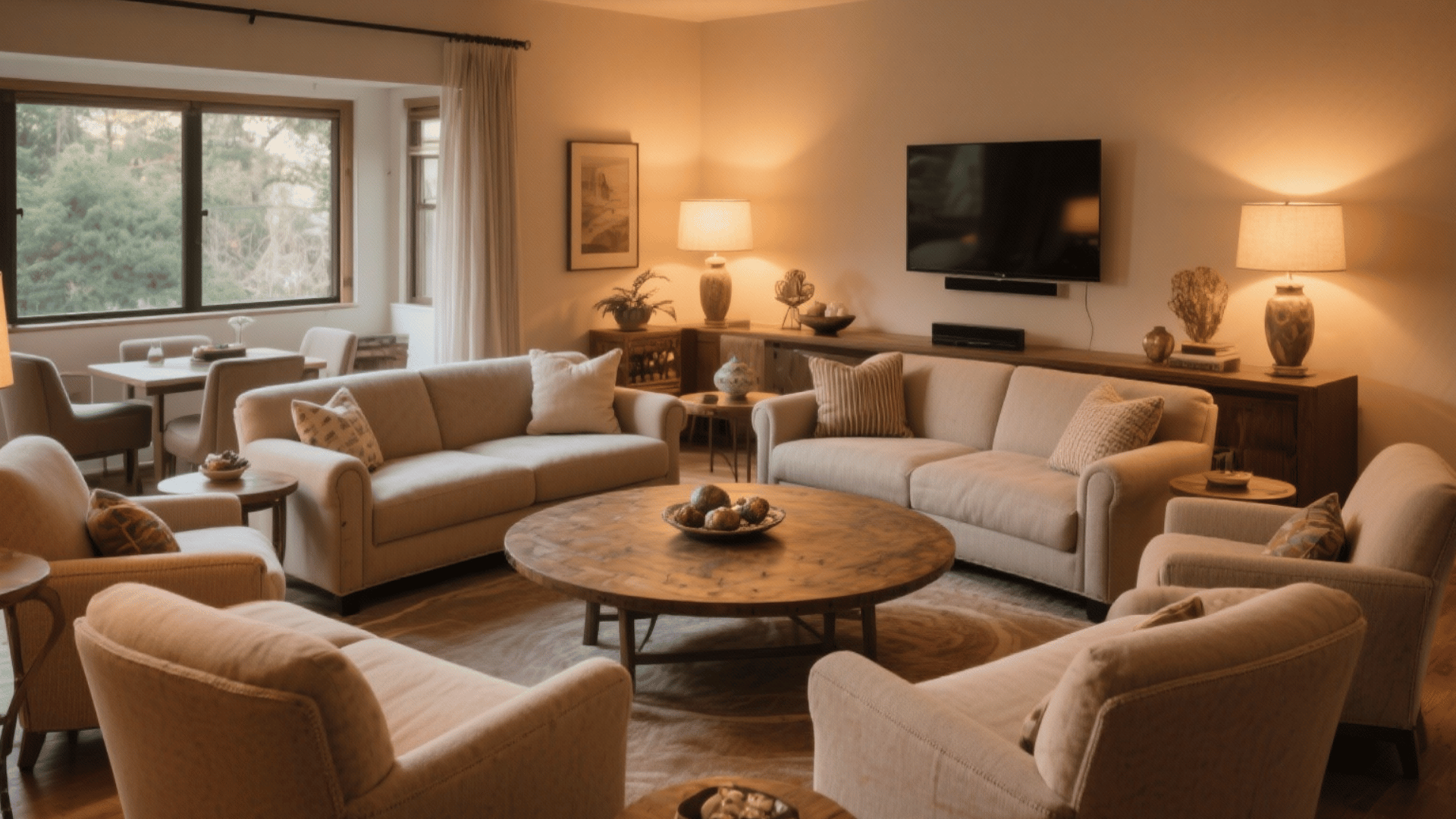
Create a circular seating pattern using sofas and chairs positioned so everyone faces the center, encouraging discussion rather than passive television watching.
This setup works beautifully for families who value face-to-face interaction or homes where entertaining guests regularly makes conversation a priority over entertainment.
The circular pattern feels democratic and inclusive rather than hierarchical, with better or worse seats commanding attention or importance within the space.
7. Multi-Functional Zone Division
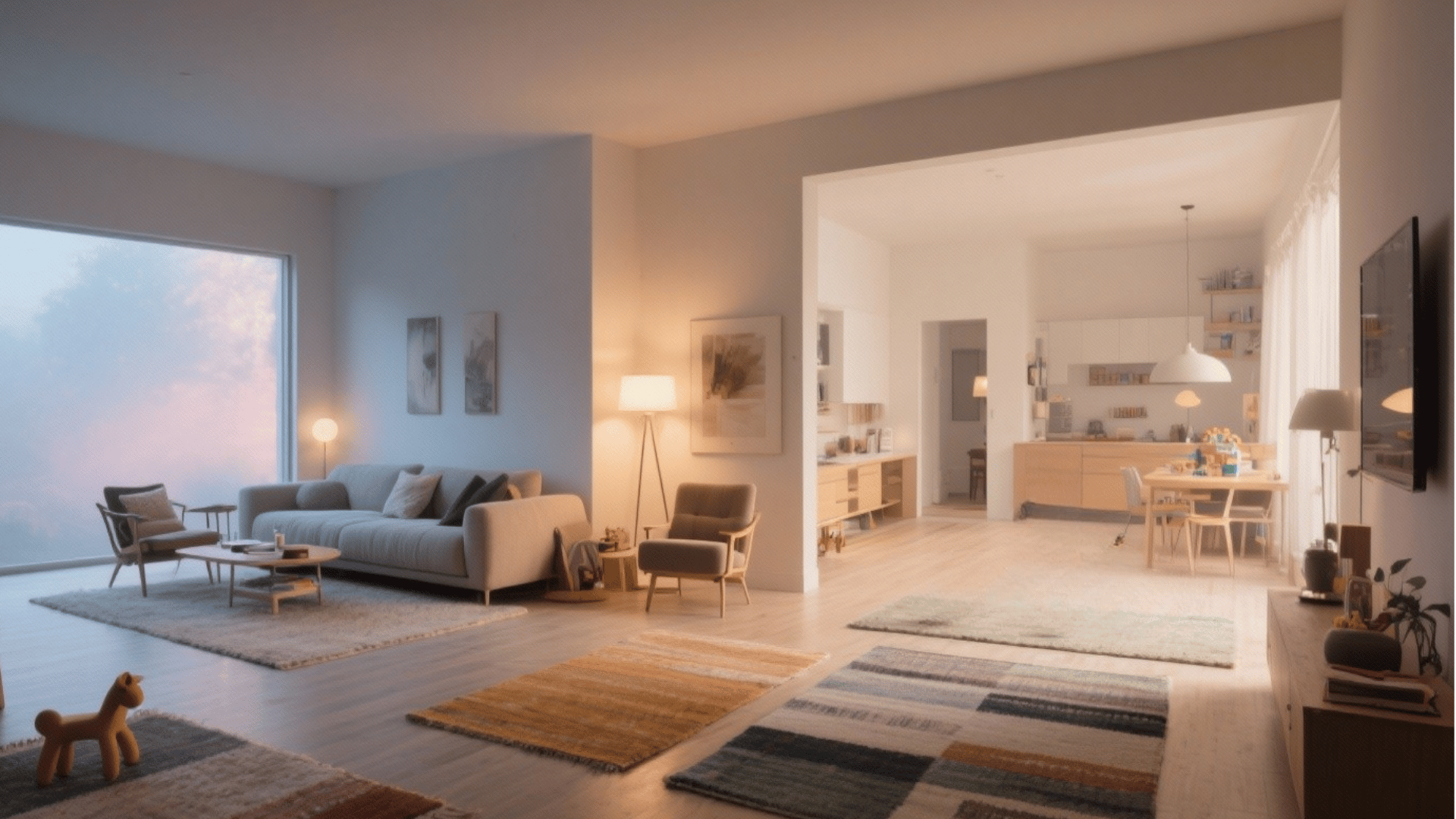
Divide large open living spaces into multiple zones for different activities like conversation, reading, media viewing, or children’s play, using furniture placement strategically.
Position a sofa as a room divider with its back toward one zone and its front facing another, creating natural separation without permanent walls.
This approach gives large spaces definition and purpose rather than feeling like vast, undefined areas lacking direction or clear function throughout.
8. Corner-Anchored Arrangement
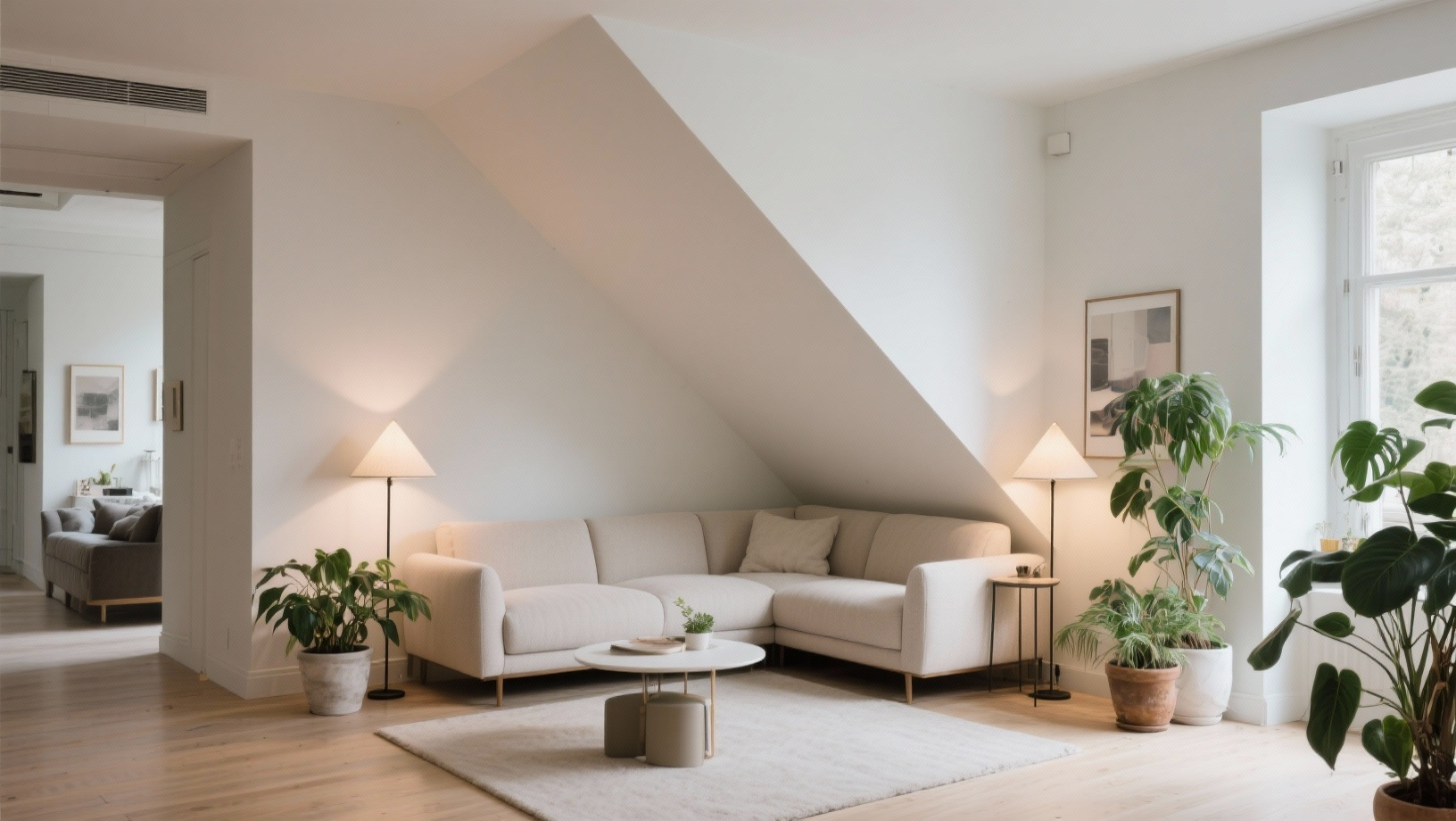
Utilize your room’s corner by angling a sofa or sectional diagonally across it, creating interesting geometry that breaks up boxy room shapes naturally.
This unexpected placement adds visual interest while often improving traffic flow by opening up walking paths along walls that corner furniture would otherwise block.
The angled orientation creates two triangular spaces flanking the sofa, perfect for floor lamps, plants, or decorative elements filling awkward corners beautifully.
9. Peninsula Seating Configuration
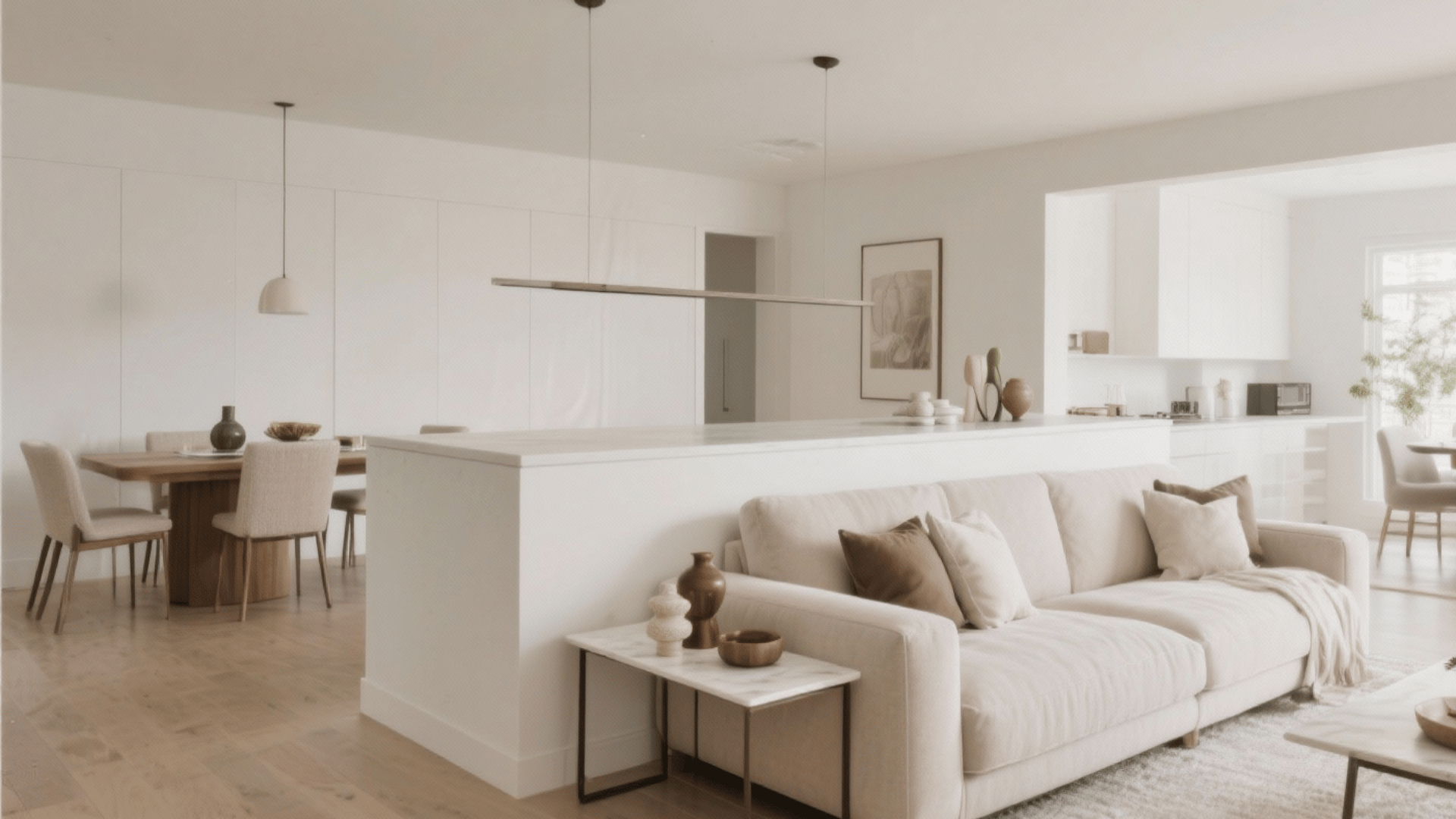
Extend a sofa perpendicular from a wall like a peninsula jutting into the room, creating a natural division between living areas and adjacent spaces.
This layout works perfectly in open-concept homes where the living room flows into dining areas or kitchens without distinct walls providing clear boundaries.
The peninsula sofa creates a soft barrier, suggesting separate zones without completely blocking sightlines or making spaces feel closed off and isolated from each other.
To Conclude
Mastering how to arrange living room furniture changes ordinary rooms into beautiful spaces your family actually wants to use for entertainment, and quality time together daily.
Take time to experiment with different living room layouts using planning tools before moving heavy pieces, to avoid exhausting furniture wrestling matches.
Success comes from balancing style with practical functionality, creating rooms that look beautiful while genuinely supporting how your family lives, plays, and relaxes together.
Ready to rearrange your living room?
Measure carefully, plan your layout, and don’t be afraid to try unconventional arrangements that work specifically for your family’s unique needs.