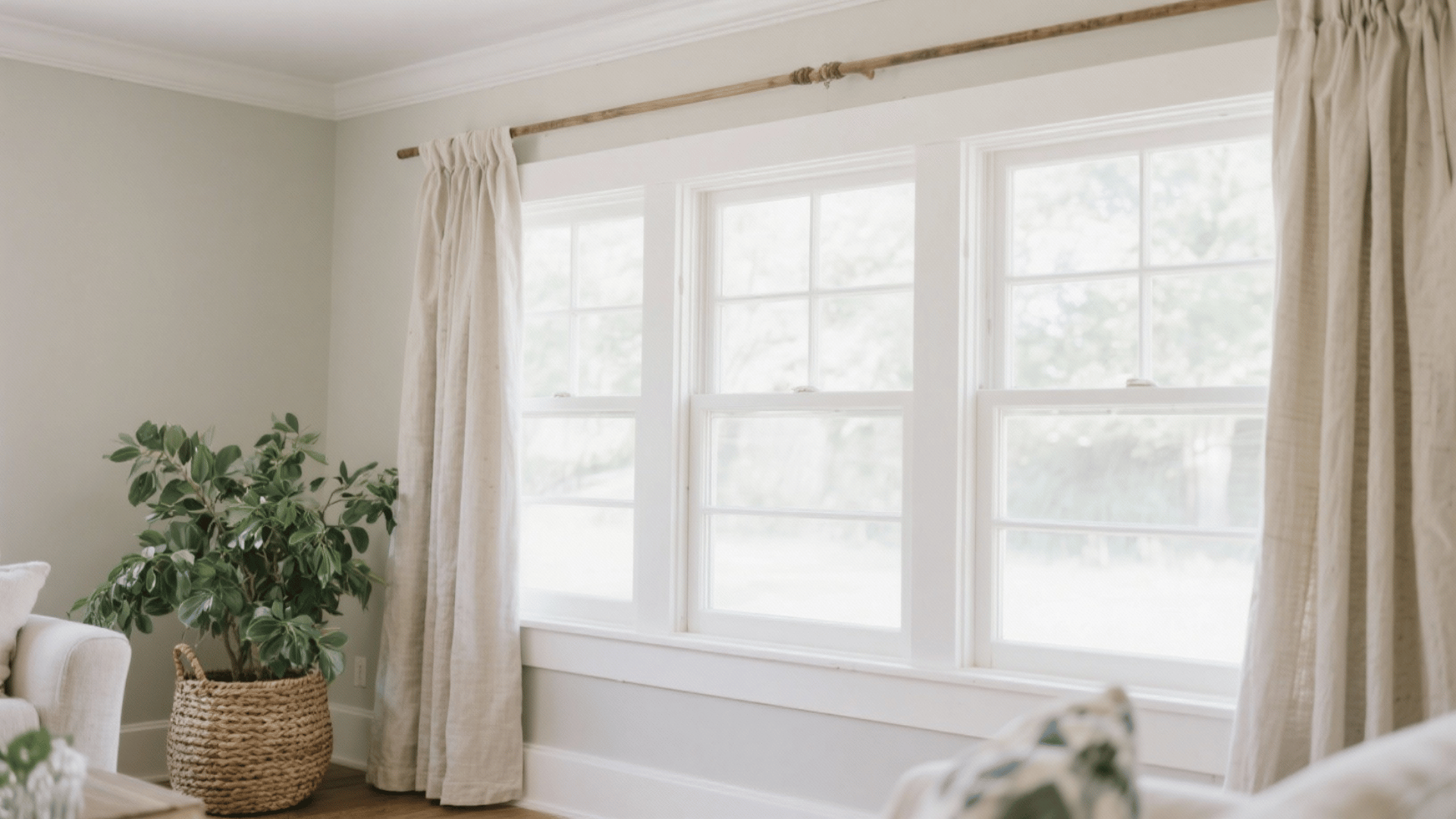
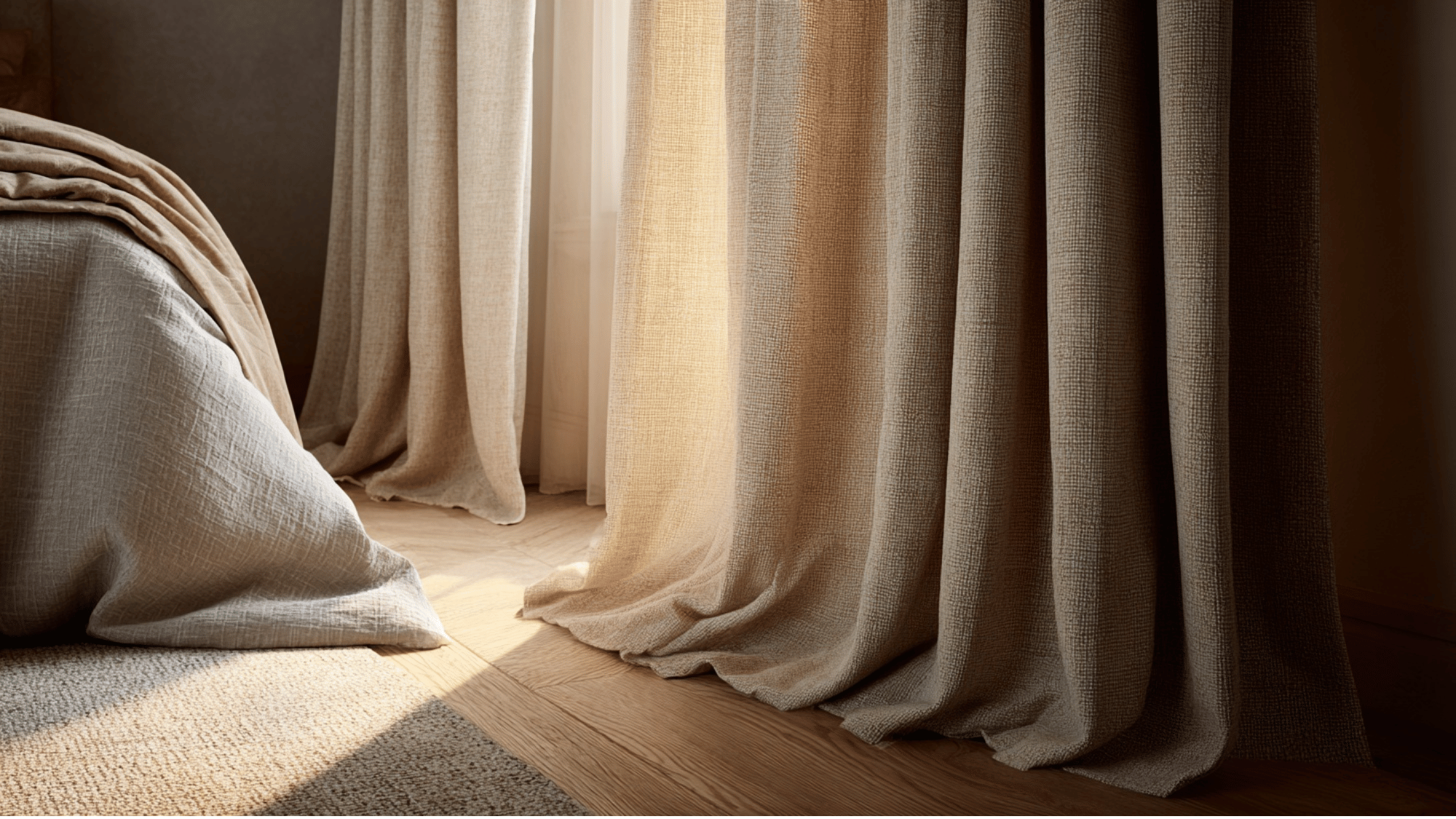
Picking curtains sounds simple, right? Most folks grab whatever looks good on the rack. They hang them up, step back, and realize something’s off.
The room feels awkward. The windows look strange. Those beautiful curtains just don’t work the way they imagined.
Too short? The space feels unfinished. Too long? It’s messy and odd. But get it just right, and suddenly the room pulls together like magic.
Choosing the perfect curtain lengths isn’t complicated once someone knows the basic rules. This guide breaks down exactly what length works for each room in the house.
What are Standard Curtain Lengths?
Most curtain panels come in five standard lengths: 63, 84, 96, 108, and 120 inches. These measurements represent the height from the top of the panel to the bottom hem.
The 63-inch length works great for smaller windows and casual spaces.
The 84 and 96-inch options fit most standard 8-foot ceilings perfectly. For taller windows or high ceilings, 108 and 120-inch panels do the job beautifully.
Width-wise, curtain panels mostly measure 48 or 54 inches across. But what we typically miss is that’s per panel, not per window. Most people hang two panels per window for a full, finished appearance.
Knowing these standard sizes helps narrow down choices quickly. It saves time and prevents ordering mistakes.
How to Measure for Curtain Length
Getting curtain measurements right the first time saves money and frustration. The process is straightforward, but small details matter.
Measuring from the rod to where the curtain should end determines the perfect length every single time.
- Step 1: Mount the curtain rod first, or mark its location. Rods typically sit 4 to 6 inches above the window frame.
- Step 2: Use a metal tape measure for accuracy. Fabric ones can stretch and give wrong numbers.
- Step 3: Measure from the bottom of the rod to the desired endpoint. Don’t measure from the rings or clips.
- Step 4: For floor-length curtains, subtract half an inch so the fabric doesn’t drag on the ground.
- Step 5: Measure each window separately. Floors and ceilings aren’t always level throughout a house.
Choosing the Right Curtain Length for Every Room and Style
Different rooms need different curtain lengths. Function matters just as much as style. What works beautifully in a living room might look completely wrong in a kitchen or bathroom.
1. Living Rooms
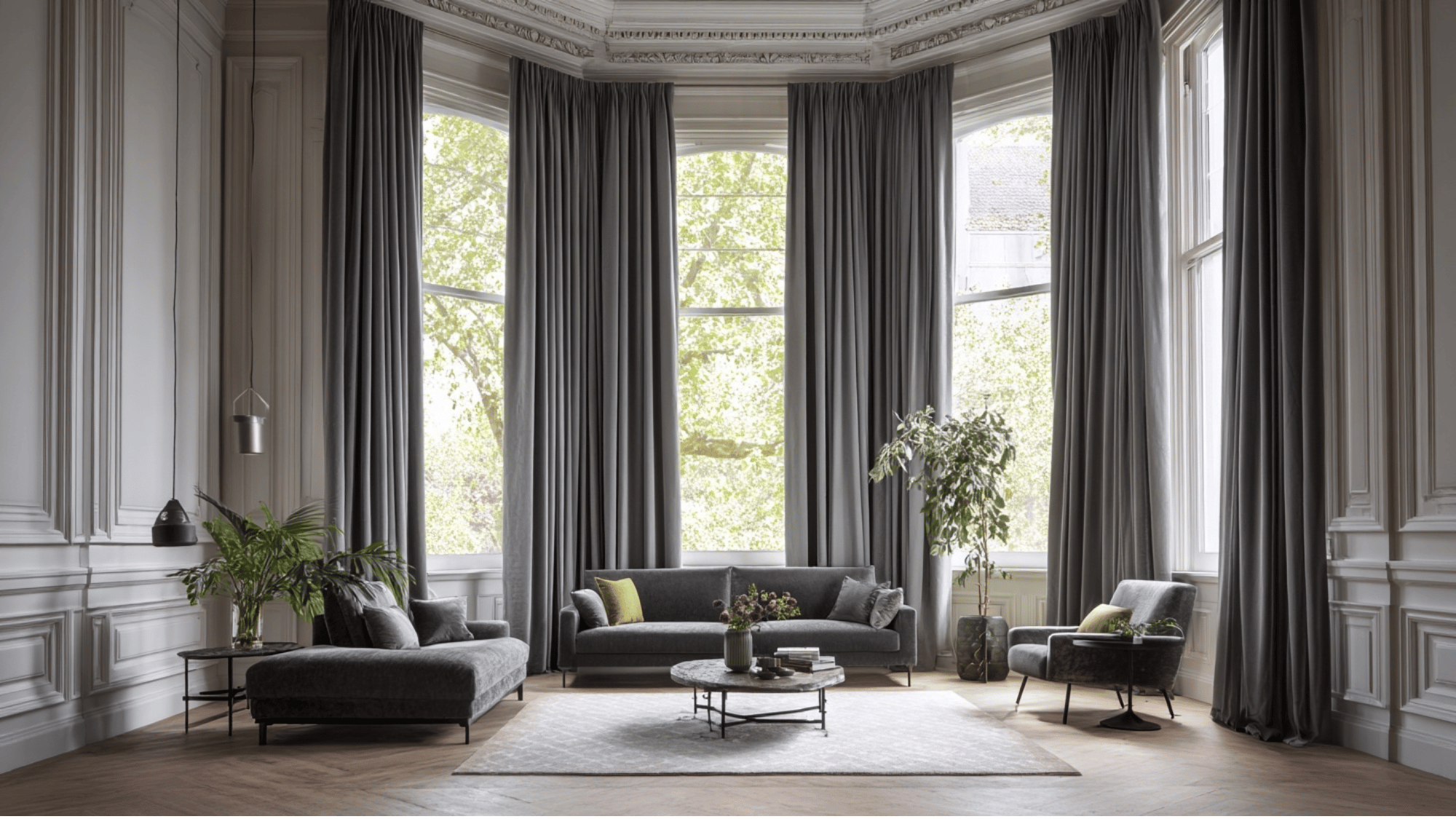
Living rooms deserve the drama of floor-length curtains. These panels create height and elegance while framing views perfectly.
The fabric should hover about half an inch above the floor, never bunching or dragging. This length makes ceilings feel taller and windows more grand.
- Best-Suited Style: Pinch pleat or grommet
- Right Length: 84 to 108 inches
- Complementing Fabric: Linen, velvet, or silk blends
2. Bedrooms
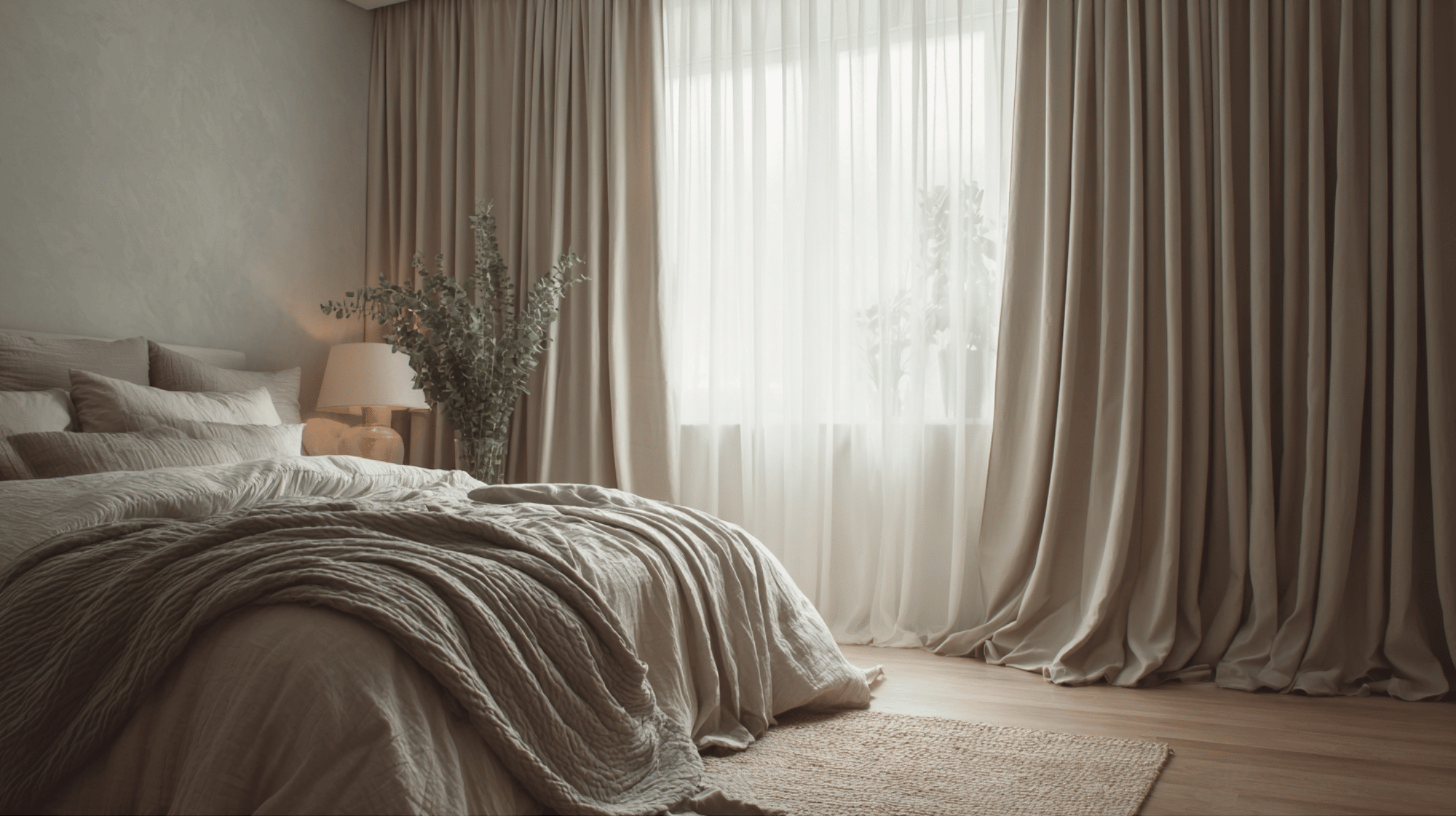
Bedrooms call for full floor-length curtains that pool slightly for extra luxury. This length provides maximum privacy and blocks light effectively.
The generous fabric creates a cozy, intimate feeling that shorter curtains just can’t match. Plus, longer panels muffle outside noise better.
- Best-Suited Style: Rod pocket or back tab
- Right Length: 84 to 96 inches
- Complementing Fabric: Blackout fabric, cotton, or thermal-lined materials
3. Kitchens
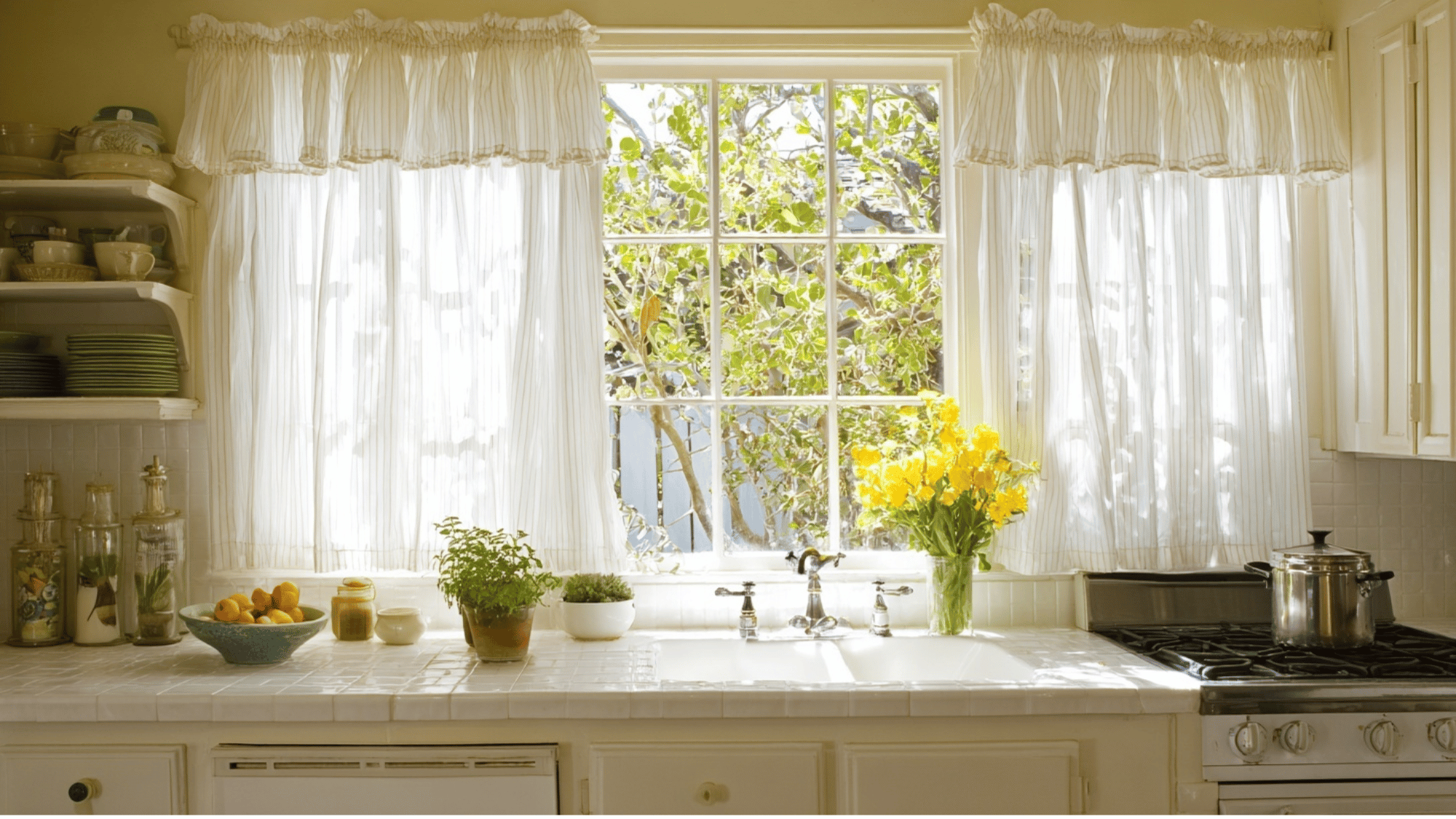
Kitchens need shorter, practical curtains that stay clear of counters and sinks. Ending at or just below the window sill keeps fabric away from cooking messes and water splashes.
Shorter lengths also let in more natural light, which kitchens always need for meal prep and cleaning tasks.
- Best-Suited Style: Café curtains or valances
- Right Length: 24 to 36 inches
- Complementing Fabric: Cotton, polyester blends, or easy-care synthetics
4. Bathrooms
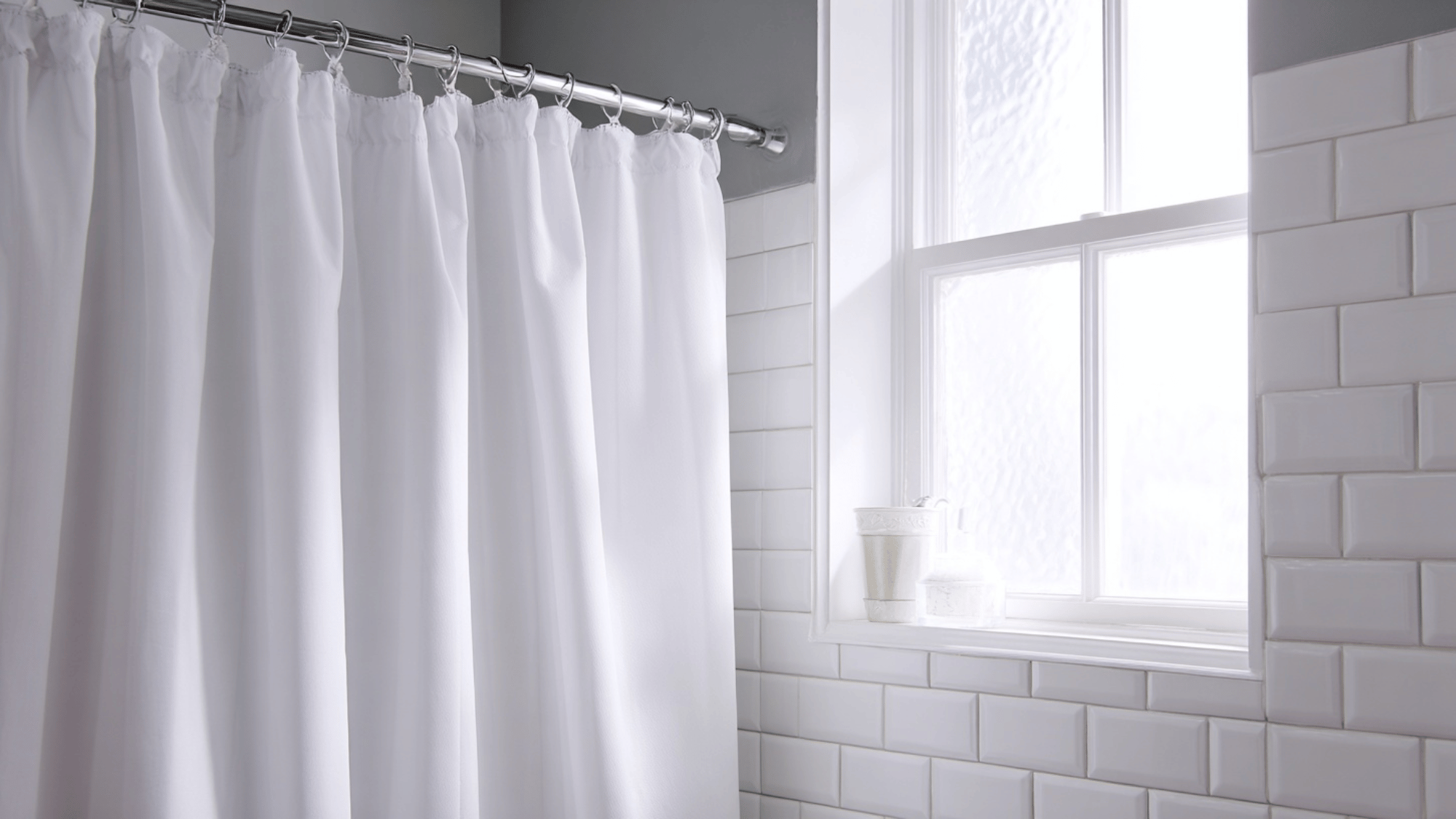
Bathrooms require moisture-resistant curtains ending right at the sill. This length protects fabric from shower steam and sink splashes while maintaining privacy.
Shorter panels dry faster and resist mildew better than longer options. They’re also easier to wash frequently.
- Best-Suited Style: Tension rod or simple rod pocket
- Right Length: 45 to 54 inches
- Complementing Fabric: Polyester, vinyl, or water-resistant synthetic blends
5. Dining Rooms and Other Spaces
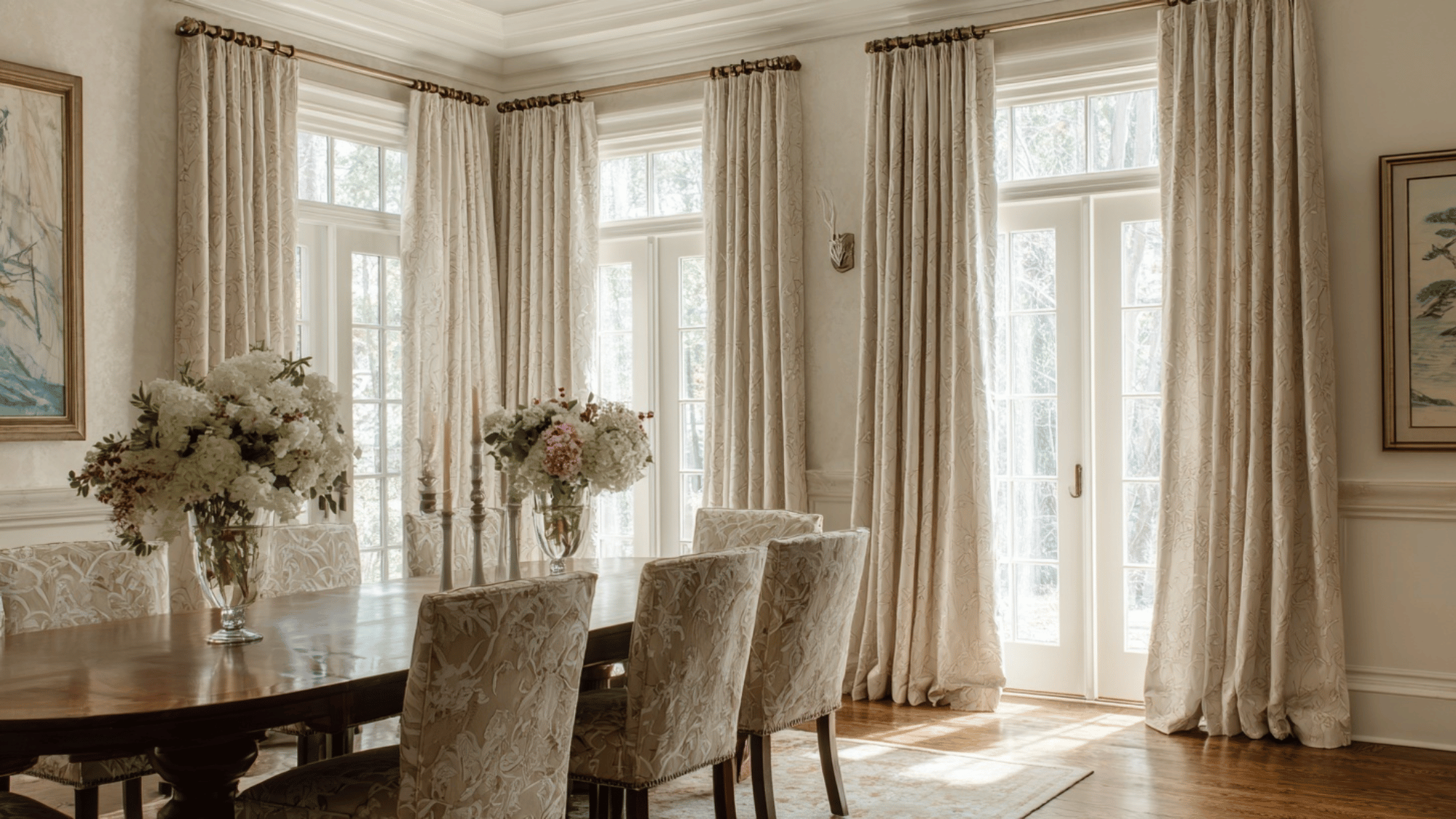
Dining rooms offer flexibility depending on the room’s formality and window placement. Formal dining spaces look stunning with floor-length panels that add a touch of class.
Casual eating areas can go shorter if windows sit near furniture. Home offices, entryways, and dens follow similar guidelines based on function.
- Best-Suited Style: Tailored panels or decorative tiebacks
- Right Length: 63 to 108 inches (varies by need)
- Complementing Fabric: Medium-weight cotton, linen, or patterned textiles
The Role of Curtain Fabric Thickness on Desired Length
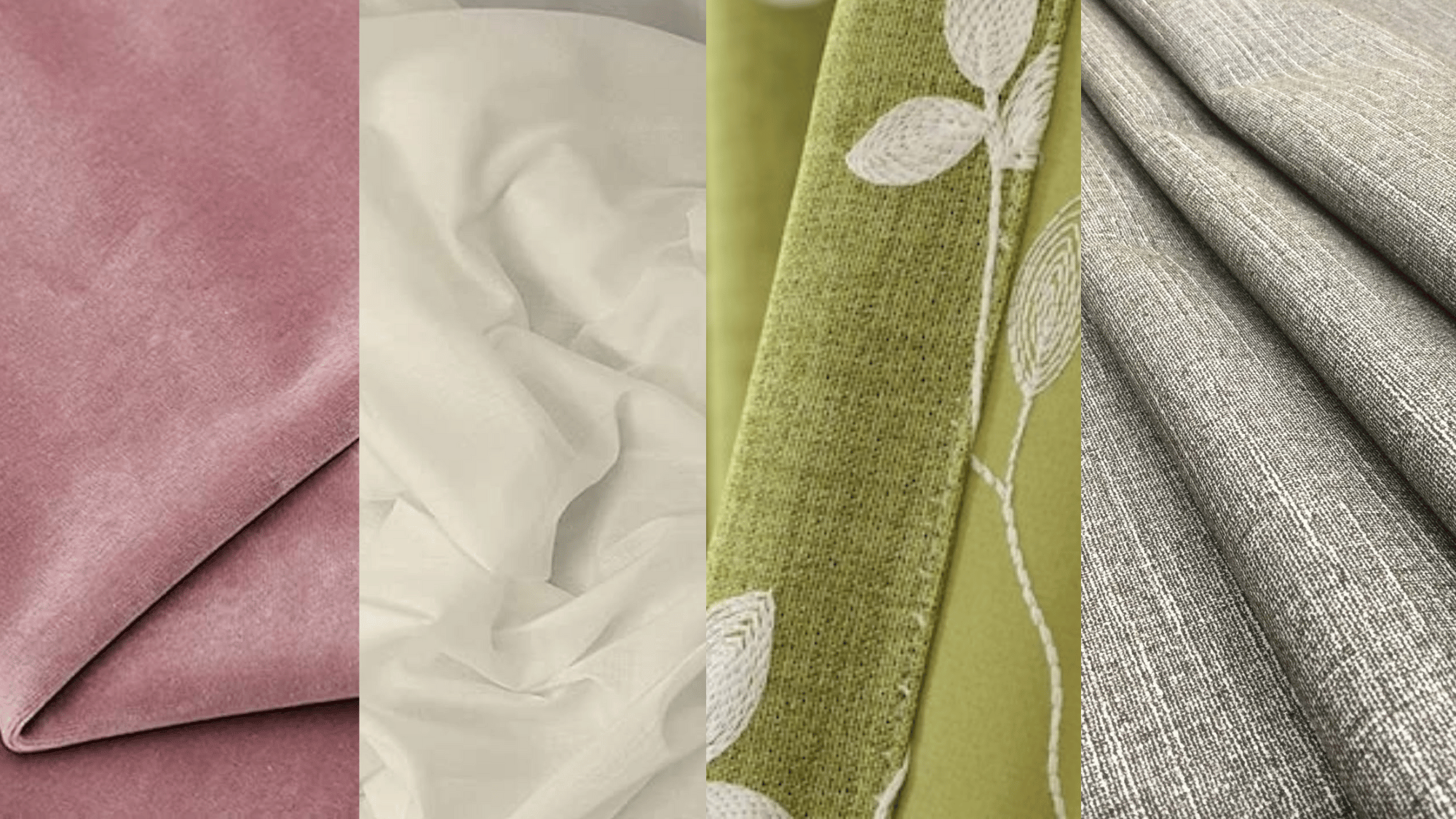
Fabric weight affects how curtains hang and which length looks best. Heavy materials like velvet and brocade drape beautifully to the floor. They hold their shape and create clean, elegant lines without looking messy.
Lightweight fabrics such as sheer cotton or voile behave differently. They puddle nicely on the floor for a romantic look. But they can also appear wrinkled and unkempt if too long.
Medium-weight fabrics offer the most versatility. Linen and cotton blends work well at any length. They maintain structure without feeling stiff or formal.
Thicker fabrics need precise measurements. Even an inch too long creates unwanted bunching at the bottom.
Custom vs. Standard Curtain Lengths
Standard curtains work perfectly for most windows, but some situations call for custom lengths.
| Feature | Standard Curtains | Custom Curtains |
|---|---|---|
| Best For | Typical 8-ft ceilings and standard window sizes | Odd-sized or floor-to-ceiling windows, bay windows and unique layouts |
| Fit | Ready-made; may not align perfectly with every window | Tailored to exact measurements for a polished look |
| Cost | More affordable; widely available | Higher cost, though semi-custom online options are narrowing the gap |
| Timeline | Quick delivery; off-the-shelf | Longer lead time for fabrication |
| Design Flexibility | Limited styles and lengths | Fully customizable fabrics, lengths, and finishes |
Seasonal Curtain Length Adjustments and Care Tips
Curtains need adjustments throughout the year as homes settle and seasons change. Temperature shifts cause fabrics to expand or contract slightly.
Regular maintenance keeps curtains looking fresh and hanging properly.
- Check the curtain hems every few months. Floors and rods can shift as houses settle, changing how panels hang.
- Switch to lighter fabrics in summer for better airflow. Heavy drapes trap heat and make rooms feel stuffy.
- Rotate to thermal or blackout curtains in winter. These thicker options insulate windows and reduce heating costs.
- Steam or iron curtains after washing to restore proper length. Fabrics often shrink slightly during cleaning cycles.
- Vacuum curtains monthly using the upholstery attachment. Dust buildup weighs fabric down and affects how it drapes.
- Rehang panels after deep cleaning to ensure they still reach the desired endpoint correctly.
To Conclude
Curtain length changes a room from average to amazing. Those few inches make all the difference in how polished and pulled-together a space feels.
Getting it right doesn’t require professional help or expensive mistakes.
Measure carefully, consider the room’s purpose, and choose lengths that match both function and style. Standard sizes work for most situations, but custom options exist when needed.
The perfect curtains frame windows beautifully while serving practical needs. So grab that tape measure and find the ideal length. Those windows are waiting for their perfect finish.