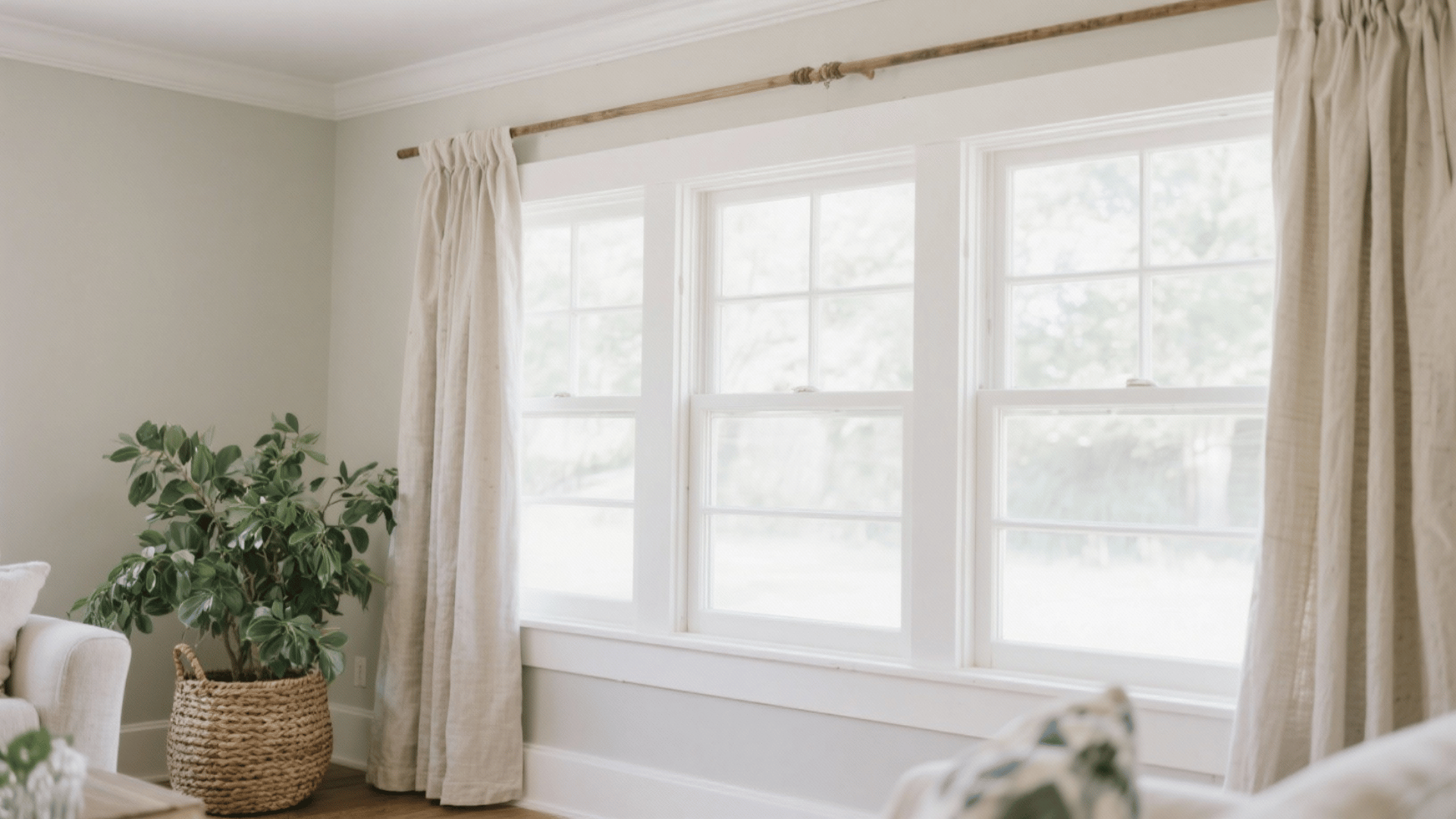

Want to turn your boring shelves into eye-catching displays that showcase your style?
Learning how to decorate shelves turns empty spaces into beautiful focal points throughout your home.
Shelf styling is about more than decoration; it’s finding the right mix of function and creativity so your shelves look intentional, not cluttered.
Even when arranging books, plants, photos, or small objects, simple techniques can make your setup feel balanced and natural.
Here’s how to get started with easy styling tips that make any shelf look polished and organized.
How to Create Balance When Styling Shelves
Successful shelf styling relies on understanding visual balance, creating layers, and mixing different heights, textures, and colors that work together harmoniously.
The rule of thirds divides shelves into three sections, helping you place items in visually pleasing arrangements rather than centering everything awkwardly.
Varying heights creates interest by preventing flat, boring displays where everything sits at the same level across the shelf.
Negative space matters just as much as filled space, giving the eyes places to rest and preventing an overwhelming, cluttered appearance.
Grouping items in odd numbers, like 3 or 5, naturally looks more appealing to the human eye than even arrangements when learning to decorate shelves effectively.
Gather Your Decorating Essentials
| Category | Items to Collect |
|---|---|
| Books | Hardcovers and paperbacks in various sizes |
| Decorative Objects | Vases, bowls, sculptures, candlesticks |
| Natural Elements | Plants, branches, shells, stones, driftwood |
| Personal Items | Photos, collections, heirlooms |
| Storage Boxes | Decorative boxes and bins in coordinating colors |
| Artwork | Small framed prints, paintings, or drawings |
| Lighting | LED candles |
| Textiles | Small decorative trays, runners, or fabric backing |
Step-by-Step Process of Decorating Shelves
Change plain shelving into stylish displays using simple arrangement techniques that showcase your personality and treasured possessions beautifully.
Step 1: Empty and Clean Your Shelves
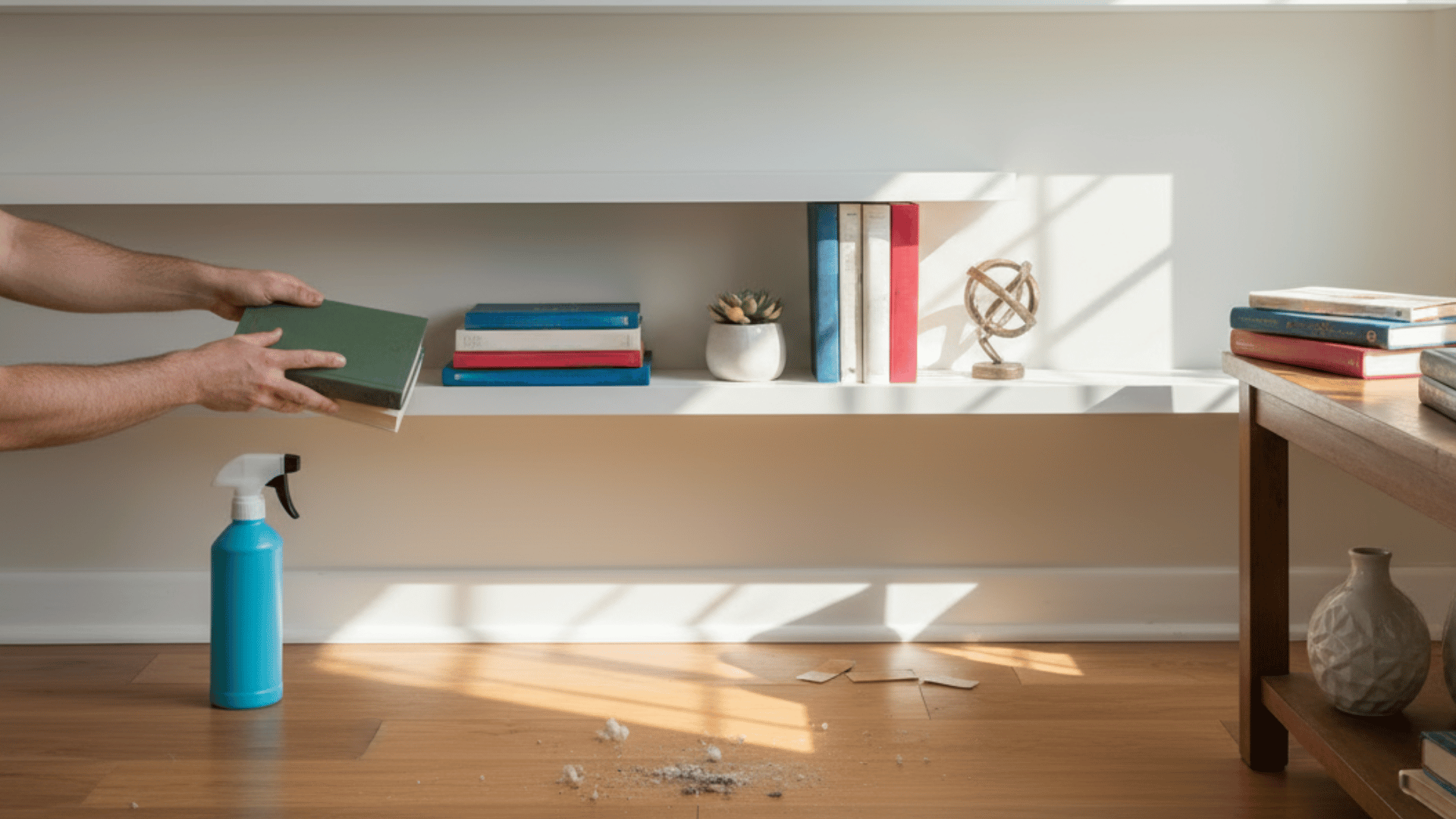
Remove everything currently sitting on your shelves and place items on a nearby table or floor for sorting and evaluation.
Wipe down all shelf surfaces thoroughly using an appropriate cleaner, removing dust, grime, and sticky residue that accumulated over time.
Assess each item honestly, deciding what deserves display space and what should be stored elsewhere or donated to declutter effectively.
Step 2: Sort Items by Category and Size

Group similar objects together, creating piles of books, plants, decorative pieces, photos, and functional items you want to display.
Organize books by size, color, or subject matter, depending on which sorting method appeals to your style preferences and room style.
Arrange decorative objects by height, separating tall pieces from medium and small items for easier placement during the styling process.
Step 3: Create Anchor Points with Larger Items
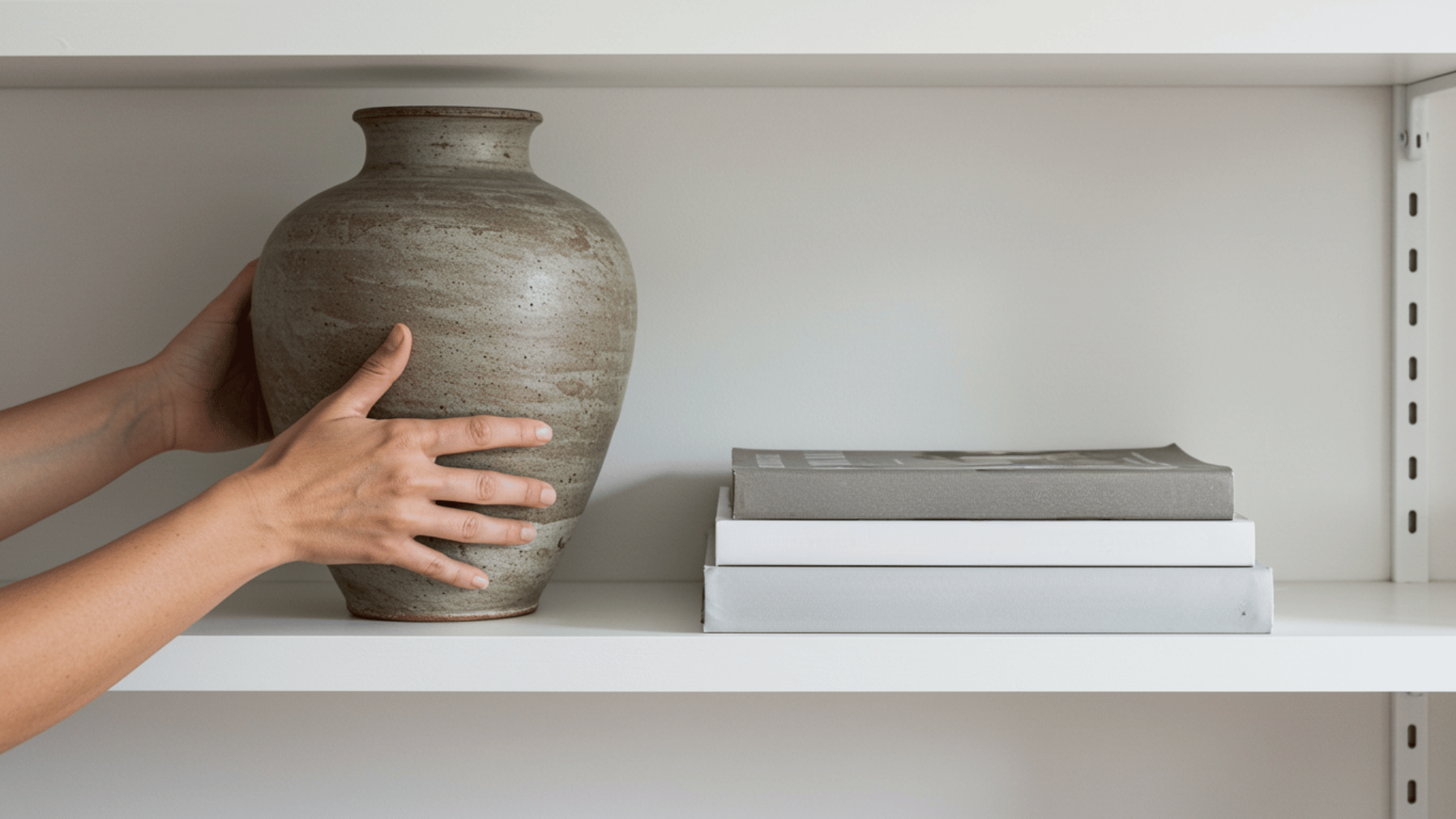
Place your largest, most substantial pieces first on each shelf, using them as anchor points that ground the entire bookshelf decor arrangement.
Position tall vases, large books stacked horizontally, or significant decorative objects at varying points rather than all on one side.
These anchors create visual heaviness and structure, preventing displays from looking too lightweight or unbalanced across the shelving unit.
Step 4: Add Medium-Sized Decorative Elements
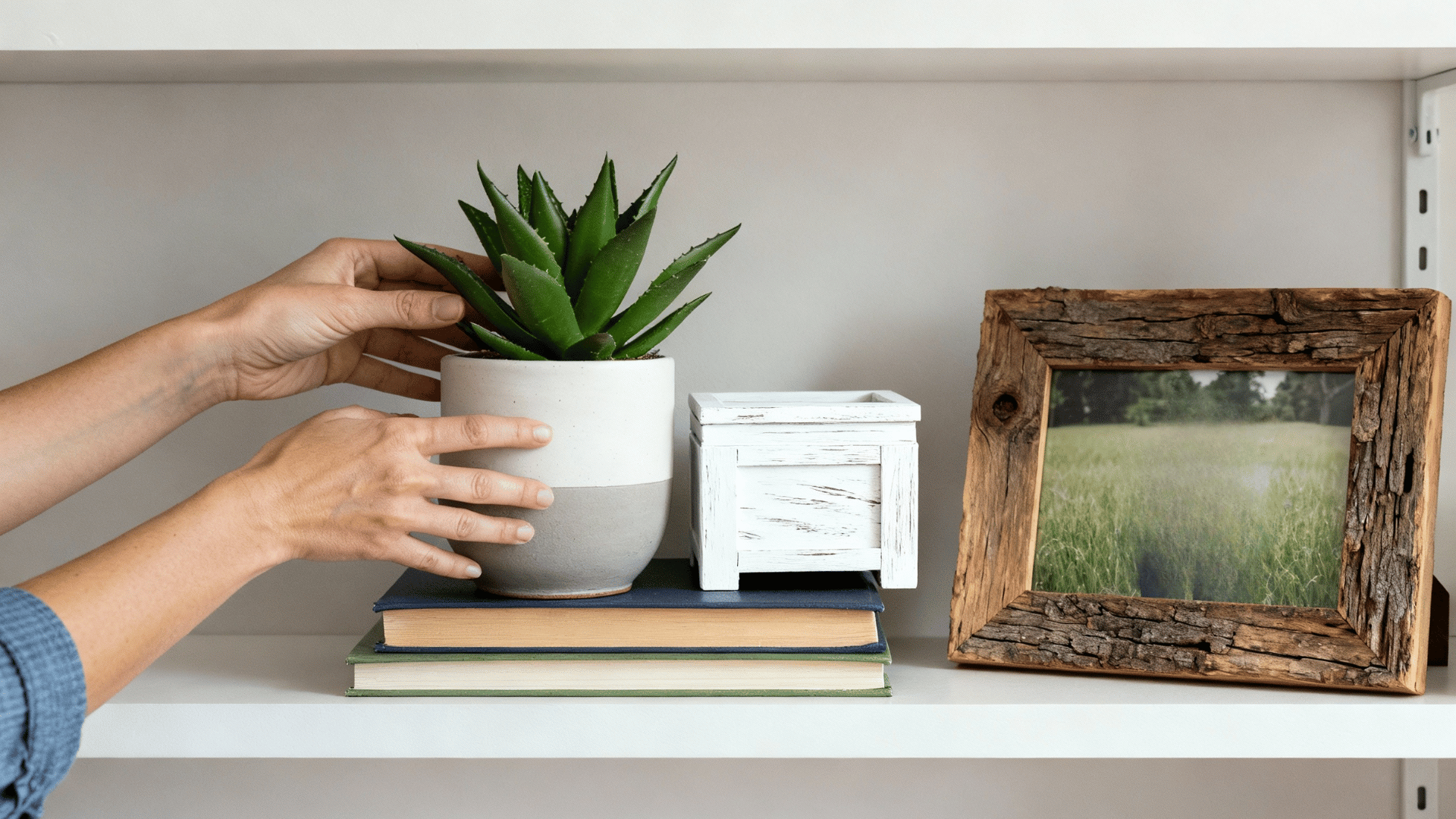
Fill in areas around your anchor pieces with medium-sized objects like small plants, photo frames, decorative boxes, or grouped candles.
Vary the placement by setting some items directly on shelves while others on small stacks of books for dimensional interest.
Mix different textures and materials, combining smooth ceramics with rough natural elements and shiny metals with matte finishes for visual variety.
Step 5: Layer in Small Accent Pieces
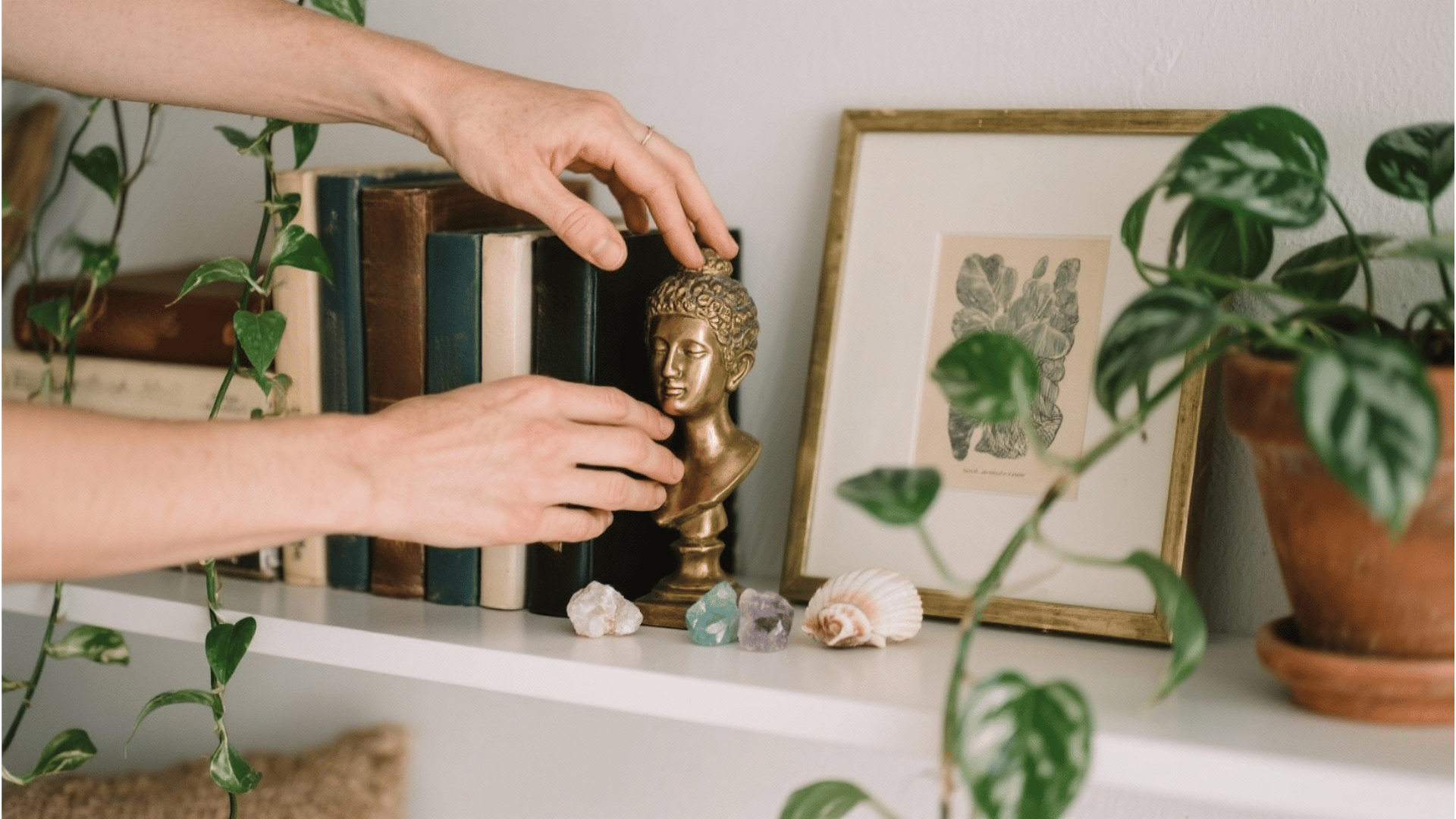
Add finishing touches with smaller decorative items like small sculptures, crystals, shells, or cherished trinkets that add personality and detail.
Lean small artwork or photos against the wall behind other objects, creating layered depth rather than flat, one-dimensional displays.
Tuck small plants or trailing greenery among books and objects, softening hard edges and adding living elements to your bookshelf decor composition.
Once you’ve finished arranging, step back and review; small adjustments can make a big difference.
Mistakes That Make Shelves Look Cluttered
Knowing common pitfalls helps you create beautiful displays when learning to decorate shelves without frustrating trial-and-error.
- Overcrowding Shelves: Leave negative space, allowing eyes to rest and items to stand out individually.
- Matching Everything: Mix different styles, eras, and materials, creating interesting contrast rather than bland uniformity.
- Ignoring Height Variation: Stack books horizontally, use risers, and vary object heights, preventing flat, boring arrangements.
- Forgetting Functionality: Keep frequently used items accessible rather than burying them behind purely decorative objects.
- Centering Everything: Offset items using the rule of thirds, creating dynamic, intentional compositions with visual flow.
Easy Shelf Styling Formulas for Any Room
Change your cluttered shelves into magazine-worthy displays using simple styling techniques that work in every space beautifully.
Formula 1: Stacked Books with Object on Top
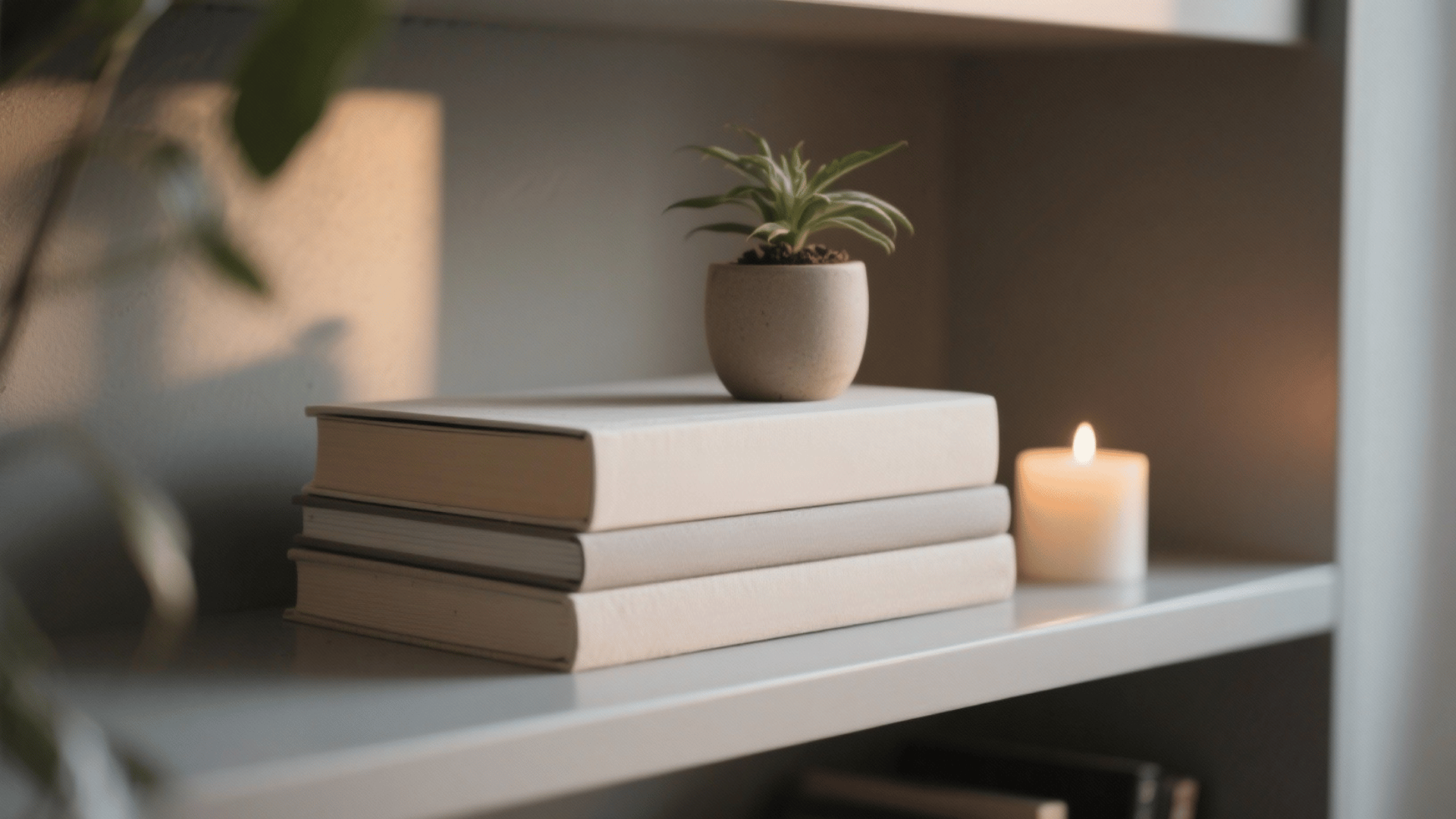
Stack two or three books flat on your shelf with the largest book on the bottom and the smallest on top.
Place something pretty on top of the book stack, like a small plant, candle, bowl, or decorative object you love.
The books create a little platform that makes everything look more interesting and put-together when you’re figuring out how to decorate shelves in your home.
Formula 2: Leaning Art with Things in Front
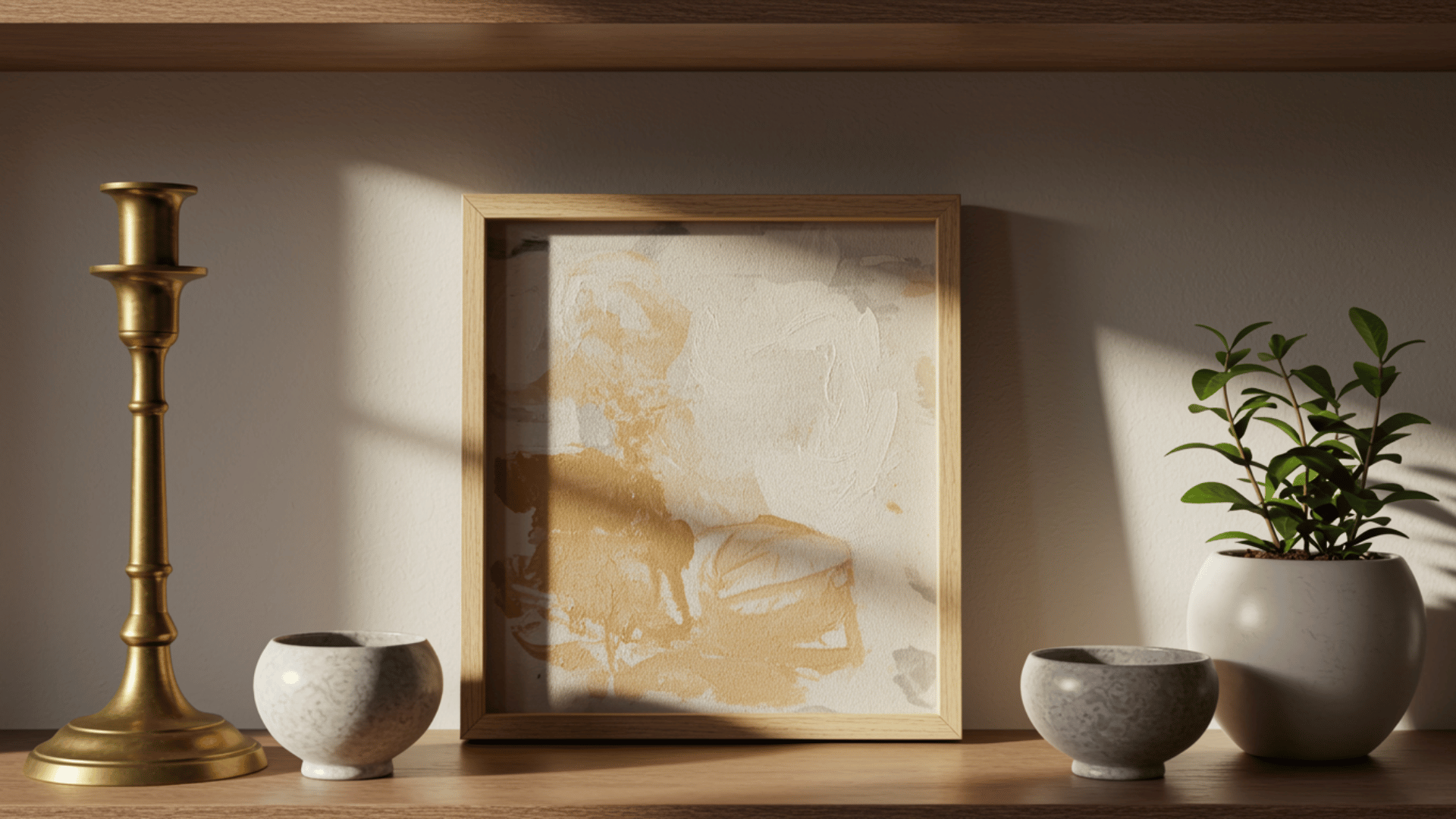
Lean a framed picture or piece of art against the back wall of your shelf so it tilts slightly backward.
Put one to three smaller objects in front of the leaning art at different heights so you can see everything clearly.
Choose things with different shapes, like tall candlesticks, round bowls, or small plants that go well with the art colors.
Formula 3: Standing Books with Bookends
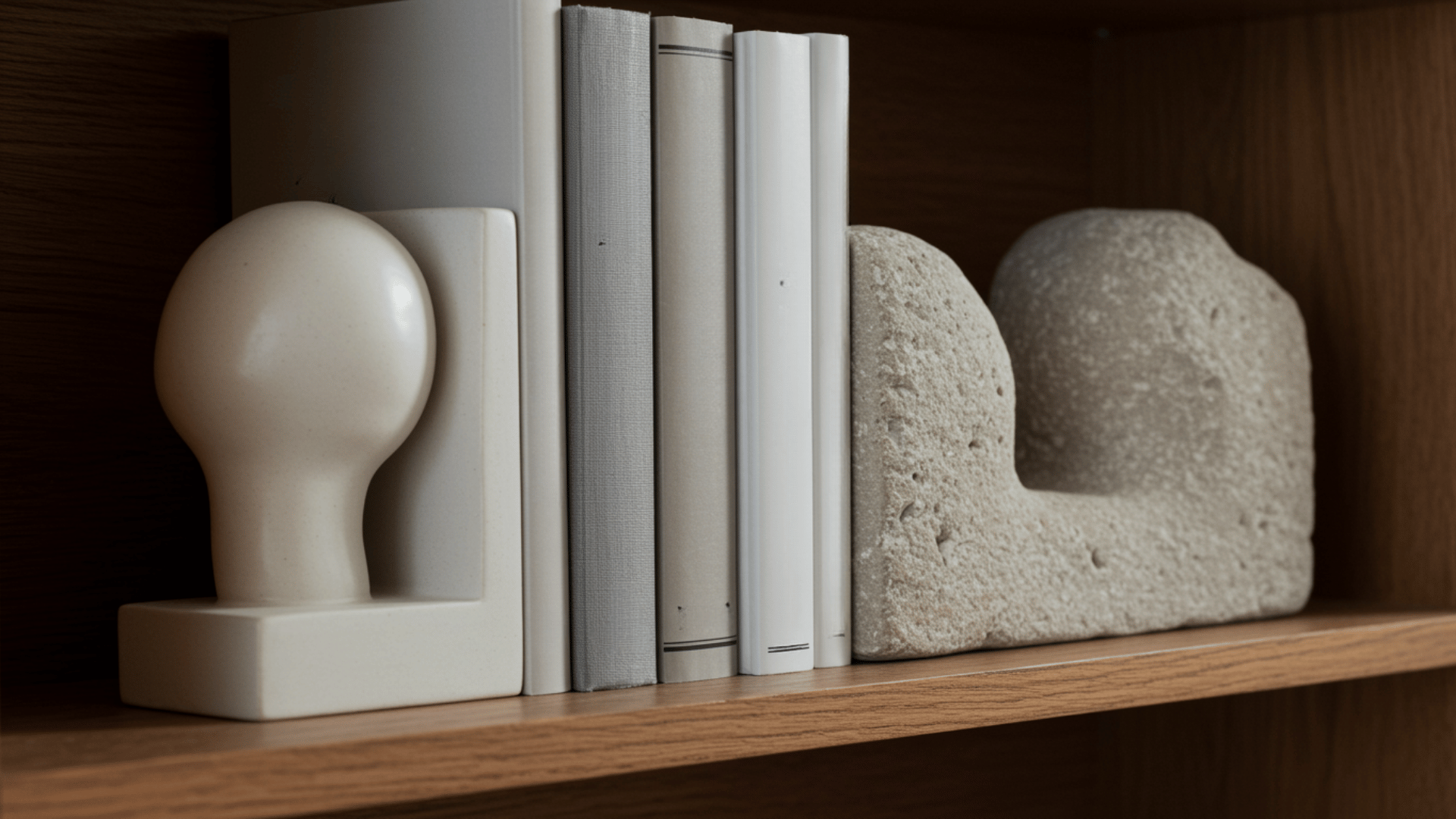
Stand three to five books upright on your shelf like they would sit in a library or bookstore display.
Put a heavy decorative object or real bookend on each side to hold the books up and create a stopping point.
Choose bookends with interesting shapes or textures like stone sculptures, wooden blocks, or pretty ceramic pieces that add personality.
Formula 4: Match Both Sides Evenly
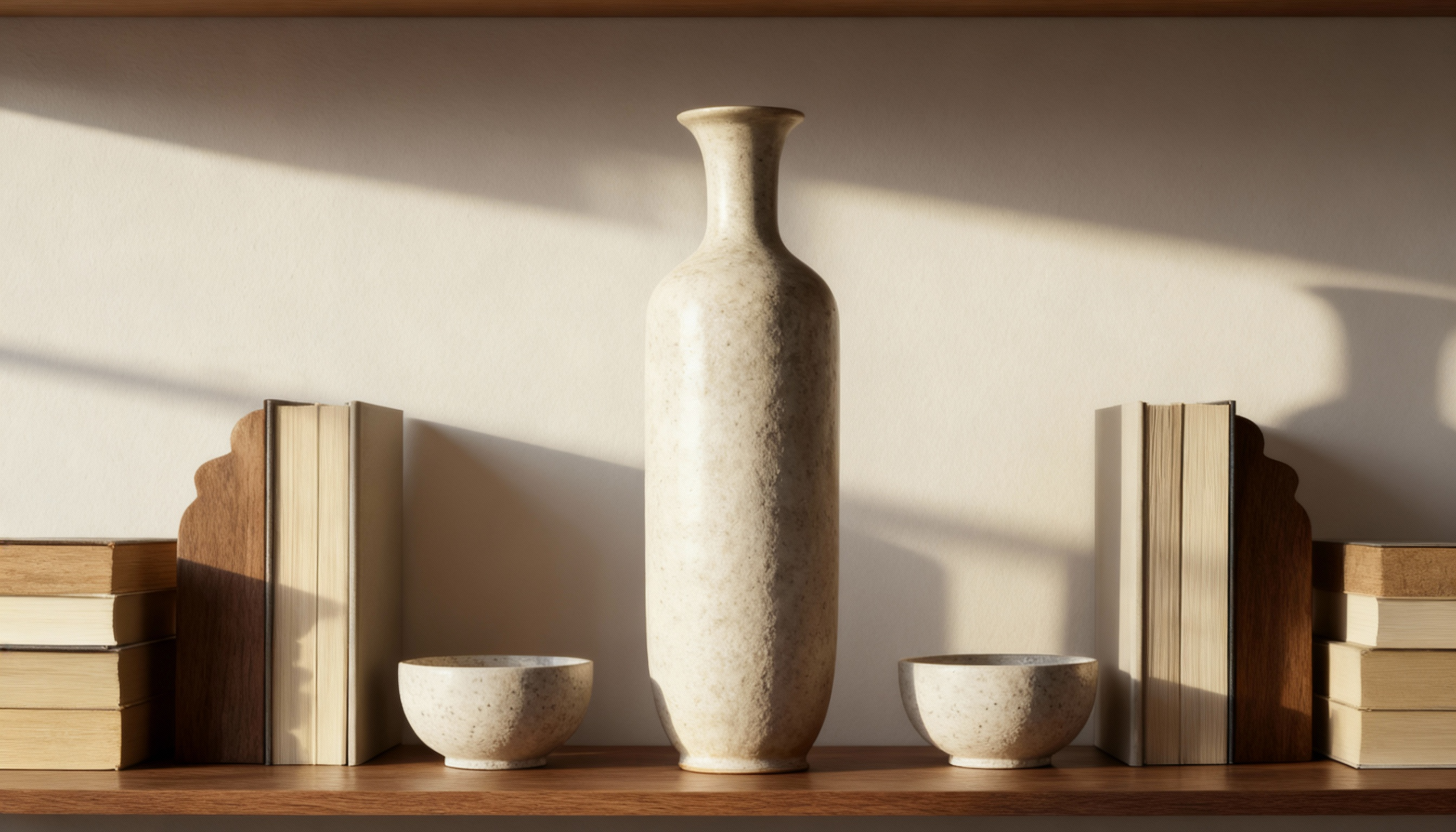
Pick a tall object to put in the center of your shelf as the main focus point. Place matching or similar items on both the left and right sides at the same height to create balance.
Keep both sides looking nearly the same but not exactly identical, so it feels relaxed rather than too stiff or formal.
This balanced approach makes shelves look calm and organized, working especially well for people who like neat, symmetrical displays in their homes.
Shelf Styling Tips
These practical guidelines help you master shelf decorating with confidence and create arrangements that look professionally styled.
- Color Coordination: Limit your color palette to three main colors, preventing chaotic, overwhelming appearances across displays.
- Texture Mixing: Combine smooth, rough, shiny, and matte surfaces, adding dimensional interest and tactile variety throughout arrangements.
- Odd Number Groupings: Arrange items in groups of three, five, or seven, creating naturally pleasing visual clusters.
- Regular Editing: Remove and rotate items seasonally, keeping displays fresh and preventing dust accumulation on forgotten pieces.
Conclusion
Mastering shelf decorating transforms bare shelves into beautiful displays that showcase your personality while keeping items organized and accessible.
The process combines practical organization with creative styling, using simple formulas that anyone can follow regardless of design experience.
Start by gathering diverse items, create anchor points with larger pieces, then layer in medium and small objects while maintaining adequate spacing throughout.
Ready to style your shelves beautifully? Gather your favorite items, follow these steps, and create displays that make your home feel curated and complete.