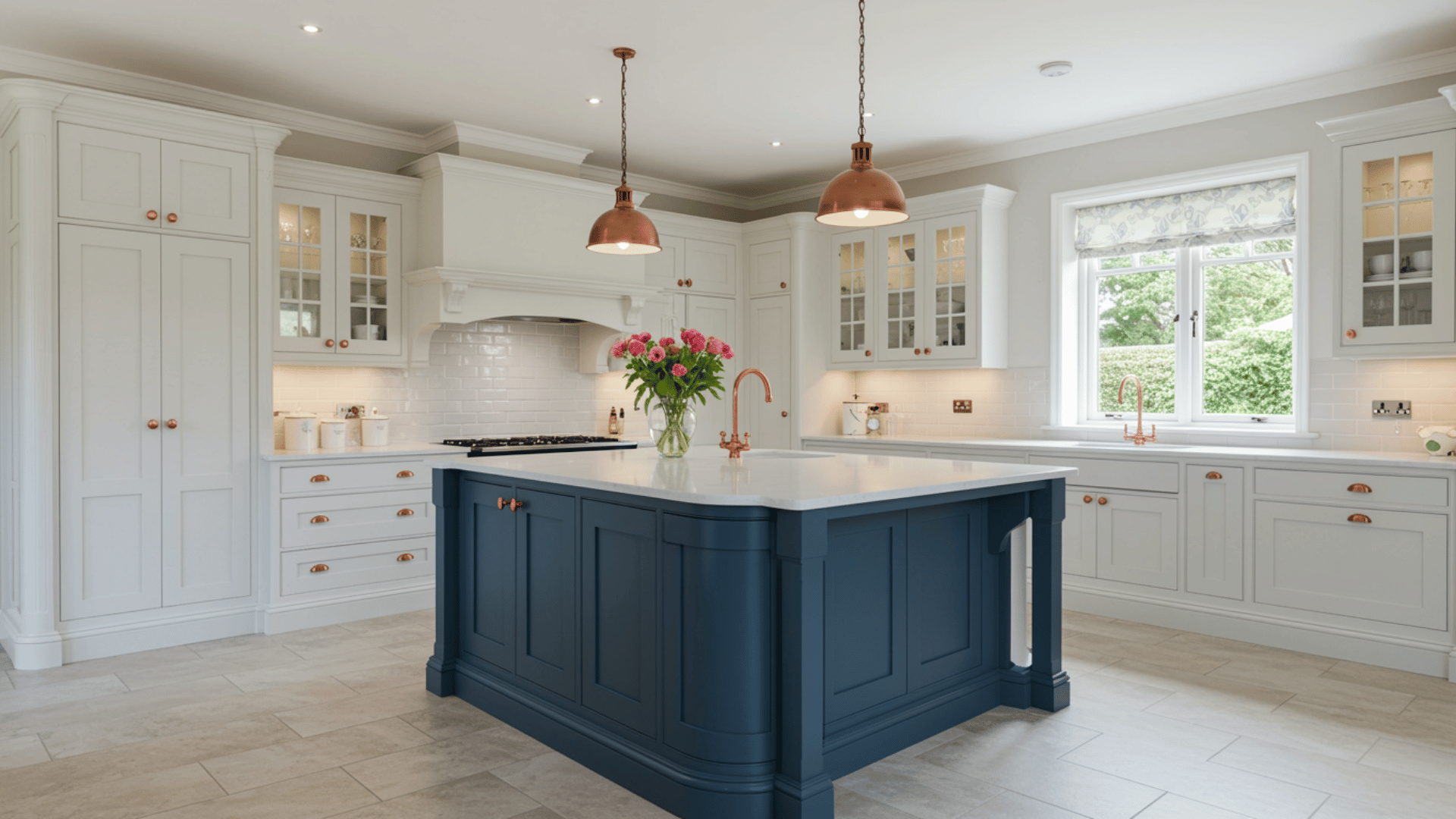
Designing a kitchen island is about more than just adding style or storage. The space around it plays a big role in how comfortable and useful the kitchen feels.
Too little room can make it hard to move, cook, or open cabinets. Too much space can make the layout feel awkward and less efficient.
Understanding kitchen island spacing helps create a balanced design that works well for daily use.
With the perfect clearances, it becomes easier to cook, clean, and connect with others.
This article explains the key spacing requirements to help plan a kitchen island that fits the room and supports an easy flow.
How the Kitchen Triangle Shapes Workflow
The kitchen work triangle concept connects your sink, stove, and refrigerator with imaginary lines, creating efficient movement patterns for cooking and food preparation.
Traditional kitchen design places these three essential work zones within 4 to 9 feet of each other, allowing cooks to move between tasks without excessive walking or wasted steps.
Islands affect this triangle by either improving flow when properly positioned or disrupting it when placed incorrectly in traffic paths or work zones.
Kitchen island spacing requirements must ensure clear, unobstructed paths between these primary work areas, without barriers that slow cooking.
Modern open-concept kitchens expand beyond the traditional triangle to include multiple work zones.
Standard Kitchen Island Dimensions
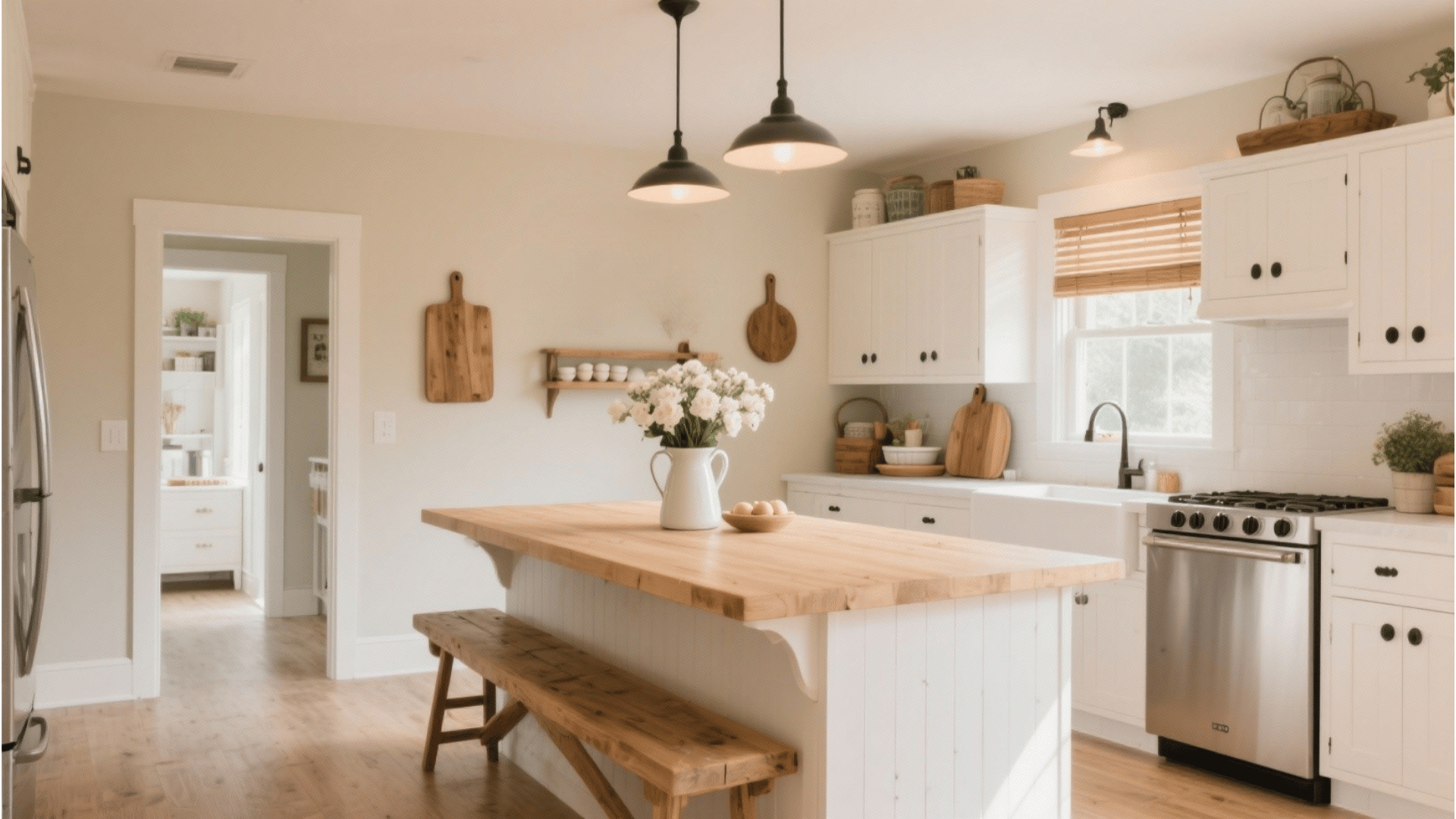
Standard kitchen island dimensions provide essential guidelines for creating functional, proportionate spaces that enhance your kitchen’s traffic flow and design.
| Island Type | Width | Depth | Height | Seating Capacity |
|---|---|---|---|---|
| Small Island | 24-36 inches | 36-48 inches | 36 inches | 2 seats |
| Medium Island | 36-48 inches | 48-60 inches | 36 inches | 3-4 seats |
| Large Island | 48-60 inches | 60-72 inches | 36 inches | 4-6 seats |
| Extra Large Island | 60+ inches | 72+ inches | 36 inches | 6+ seats |
| Bar Height Island | 24-48 inches | 36-60 inches | 42 inches | 2-4 seats |
| Counter Height (Seating Overhang) | N/A | 15-18 inch overhang | 36 inches | Varies |
Essential Kitchen Island Clearances
Proper spacing between your island and elements creates safe, efficient kitchens where multiple people can work comfortably without colliding or blocking each other constantly.
- Distance from Sink: Maintain a 36-48-inch gap, allowing comfortable dishwashing while others pass behind without awkward maneuvering or collisions.
- Distance from Stove: Keep 42-48 inches spacing, preventing burns from hot pots while providing adequate room for pot handles to extend.
- Distance from Refrigerator: Allow 42-48 inches of gap, enabling refrigerator doors to open fully without hitting island corners or edges blocking access.
- Distance from Dishwasher: Provide 42 inches minimum spacing, ensuring dishwasher door drops completely open without striking the island or obstructing traffic flow.
- Distance from Cabinets: Maintain 42-48 inches between island and perimeter cabinets, allowing cabinet doors and drawers to open simultaneously without interference.
- Distance from Doorways: Keep 36 inches minimum from doorways, ensuring easy entry and exit without constantly waying through tight spaces or awkward angles.
Designing Considerations for Kitchen Remodel
Kitchen remodeling requires careful planning to balance style, budget constraints, and personal lifestyle needs for optimal results.
1. Traffic Flow Spaces
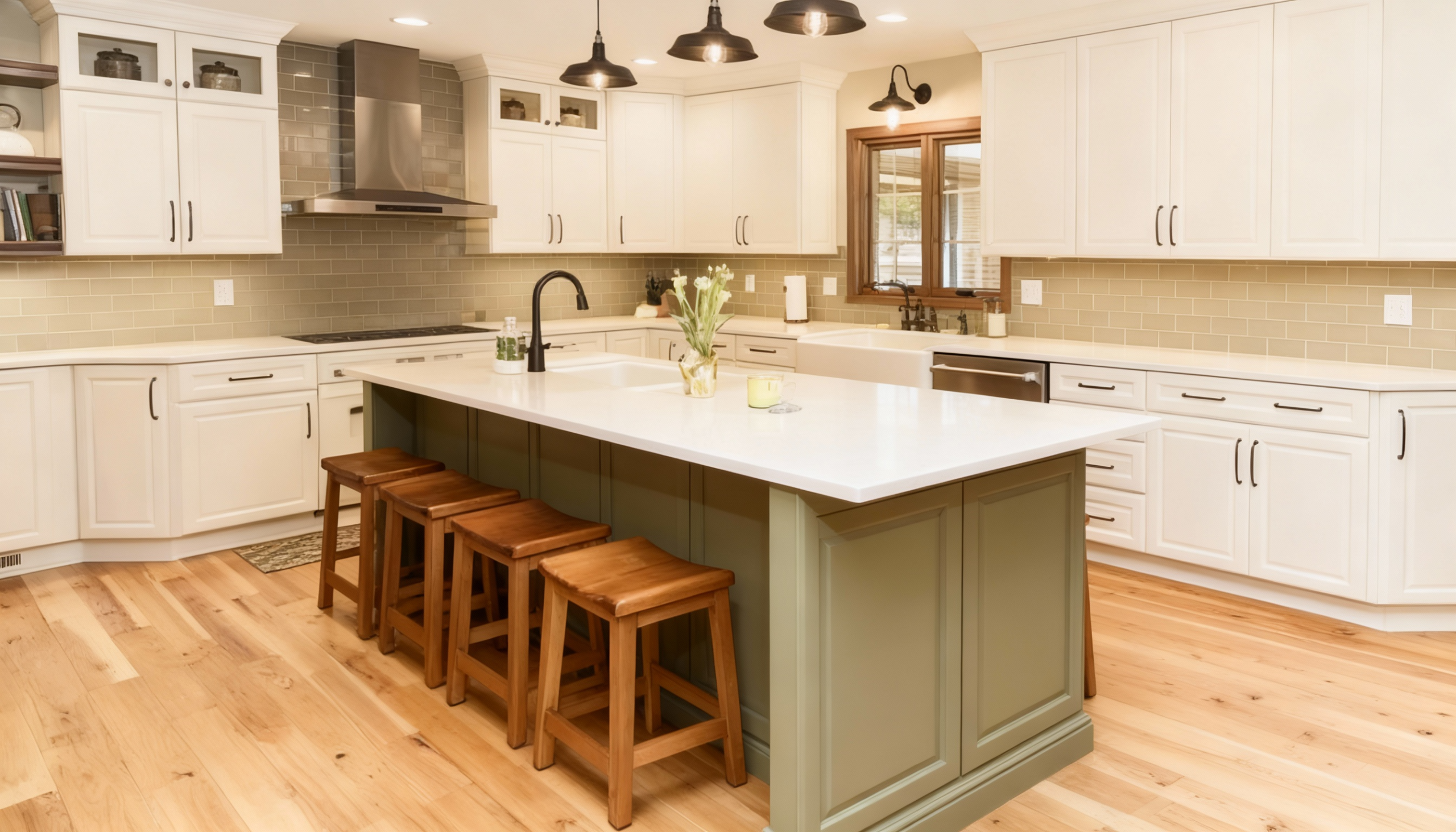
Analyze how people naturally move through your kitchen during meal preparation, serving, and cleanup to avoid placing islands in main traffic paths.
Consider where family members enter from adjacent rooms, how they access the refrigerator for snacks, and typical movement patterns during busy morning routines.
Islands should enhance circulation rather than creating obstacles that force awkward detours or bottlenecks during peak usage times.
2. Seating Requirements
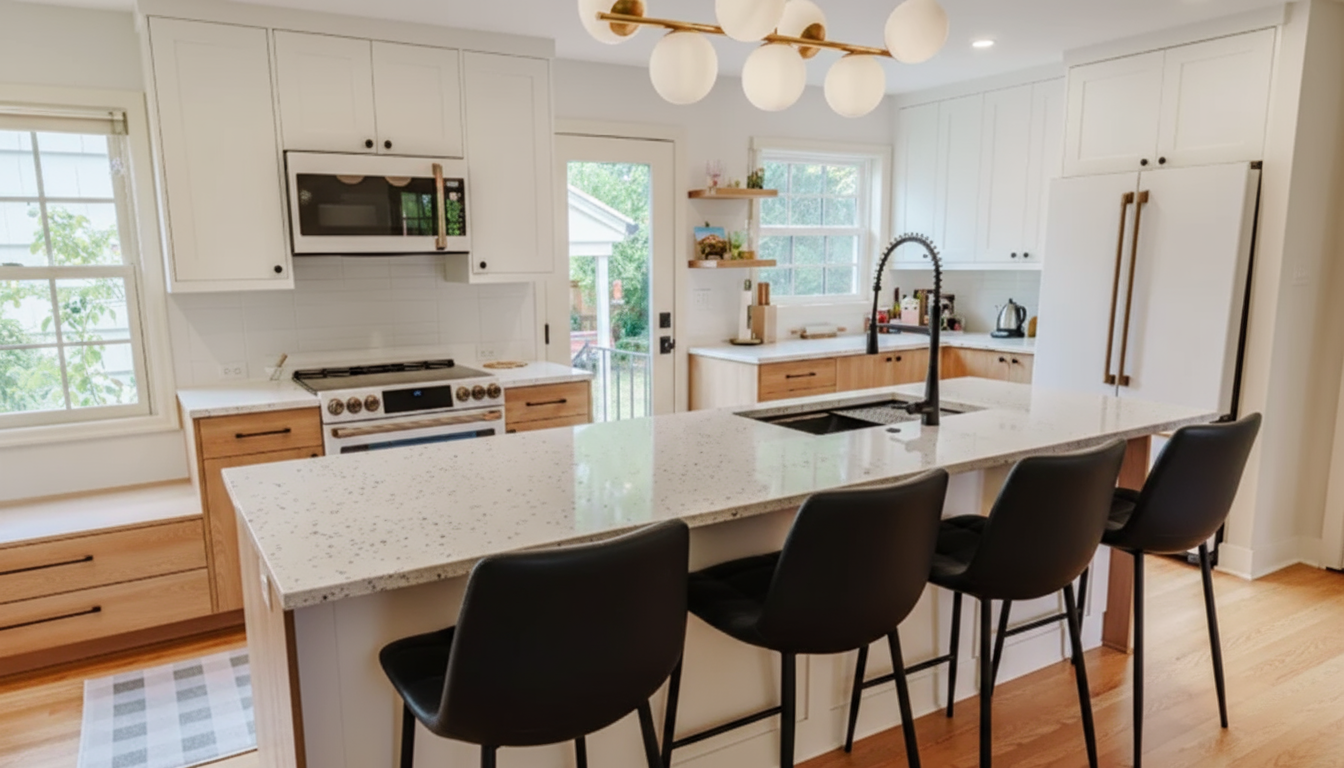
Determine how many people need regular seating at your island for casual meals, homework sessions, or social gatherings while cooking together.
Standard counter-height seating requires 24 inches of width per person, while bar-height stools need slightly less horizontal space but more knee clearance underneath.
Consider even if you want seating on one side only or wrapping around corners, as this affects island size and overall kitchen island spacing requirements.
3. Storage Integration
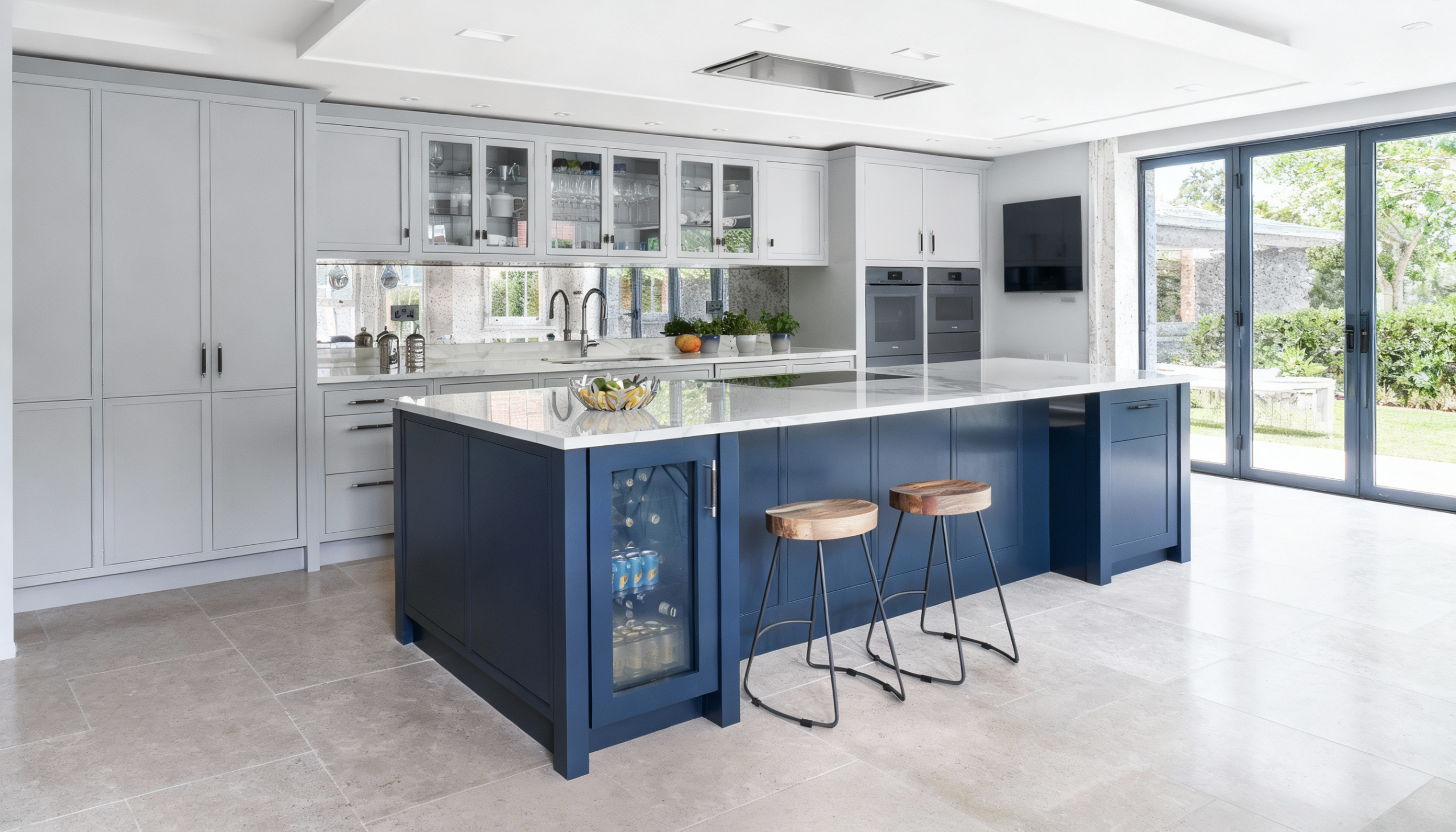
Plan island storage based on what you’ll keep there: dishes, pots, small appliances, or pantry items that require specific cabinet configurations.
Deep drawers work better for heavy cookware, while standard cabinets suit lighter items, and specialized organizers maximize space for specific items like spices or baking sheets.
Consider even if you want open shelving for display and easy access, or closed cabinets that hide clutter from view in open-concept layouts.
4. Appliance Placement
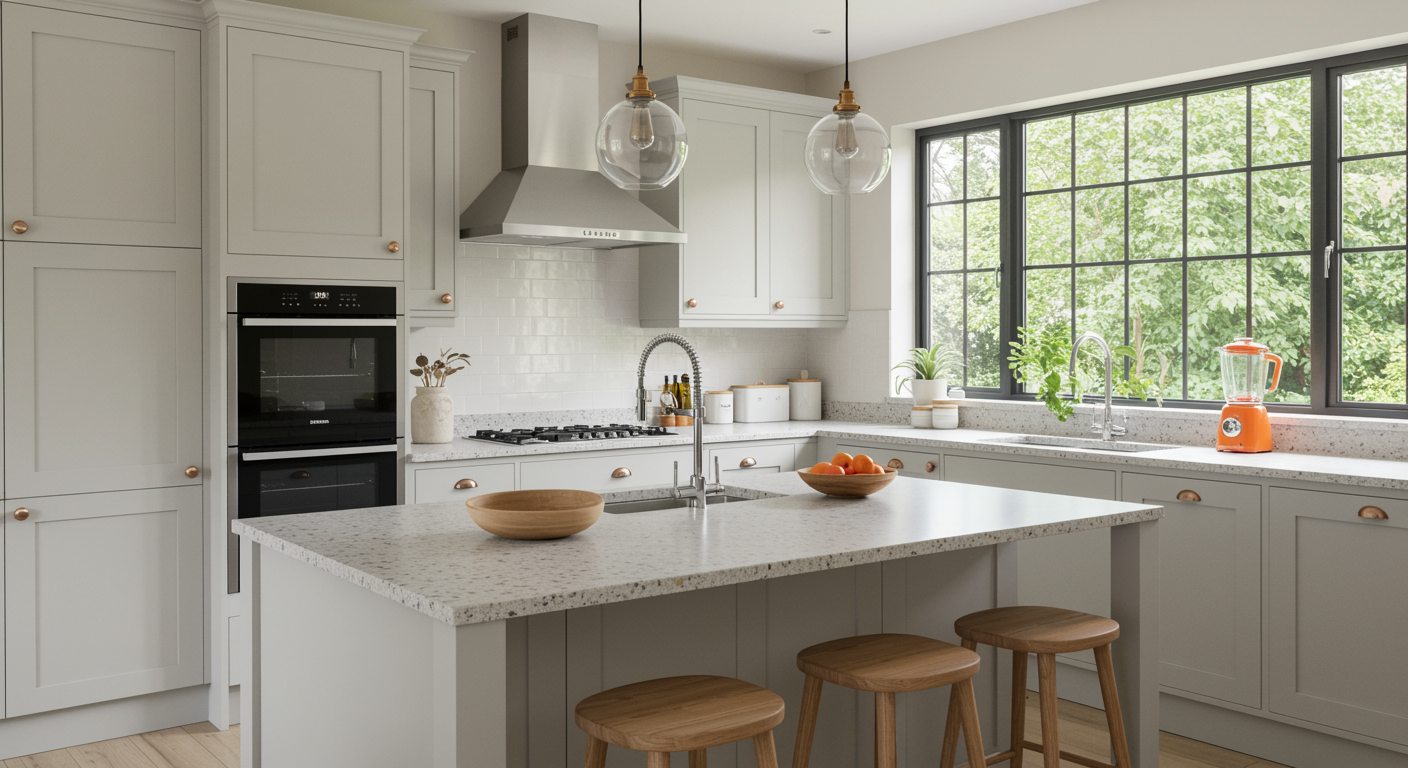
Decide which appliances belong on your island, such as cooktops, sinks, dishwashers, or wine refrigerators, affecting spacing, plumbing, and electrical planning significantly.
Cooktops in islands require ventilation systems overhead, which impacts ceiling height and sight lines across open living spaces connected to kitchens.
Sinks need plumbing lines running through floors, which may prove difficult or expensive depending on your home’s existing infrastructure and construction.
5. Lighting Placement
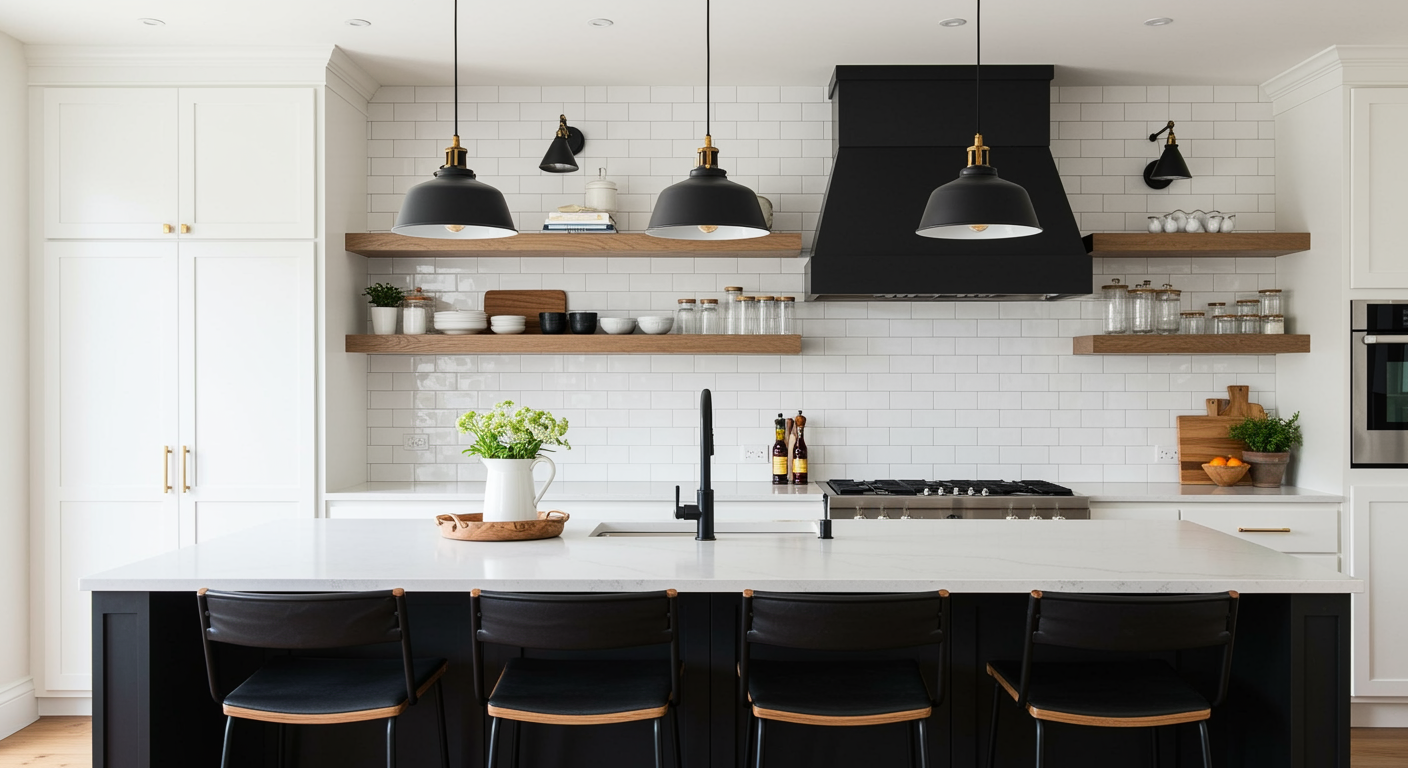
Plan pendant lights, recessed lighting, or track systems illuminating the island for both task lighting during food preparation and ambient lighting for dining.
Pendant lights should hang 30-36 inches above counter height, which means ceiling height affects how low fixtures can drop without blocking sightlines across rooms.
The number and spacing of pendants depend on island length, with larger islands requiring multiple fixtures spaced 24-30 inches apart for even illumination.
6. Style and Material Choices
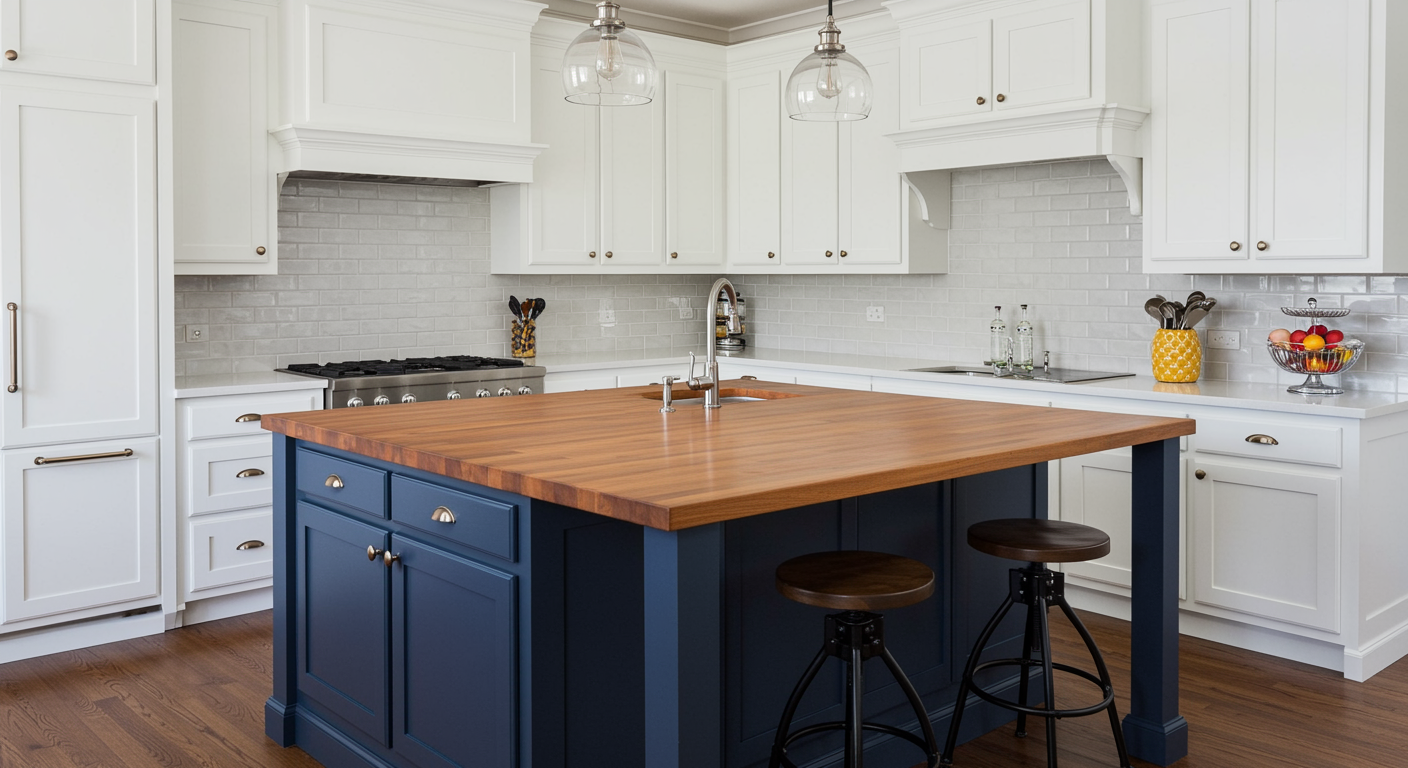
Select island materials, colors, and styles that complement existing kitchen cabinets and countertops while potentially introducing accent colors or finishes for visual interest.
Waterfall edges, decorative panels, or different countertop materials on islands create focal points, drawing attention to these central kitchen features prominently.
Consider even if you want the island to match the surrounding cabinetry exactly or feature contrasting paint colors, wood stains, or hardware, creating definition between spaces.
Expert Tips from Designers on Ideal Island Spacing
Professional kitchen designers share insights on creating beautiful islands that enhance, rather than hinder, daily kitchen use for busy families.
- Mock It First: Use cardboard or painter’s tape outlining proposed island dimensions on existing floors, testing clearances before committing permanently.
- Consider Appliances: Account for appliance door swings, adding several inches to clearance needs when refrigerators, ovens, or dishwashers open fully.
- Think Vertical: Remember overhead clearances for pendant lights, range hoods, and upper cabinets, avoiding head-bumping hazards in traffic areas.
- Plan for Chairs: Calculate space needed for pushed-in bar stools plus additional room for people sitting with legs extended comfortably.
- Test Walkways: Physically walk through planned clearances carrying typical items like large pots, baking sheets, or grocery bags, checking comfort.
- Future-Proof Design: Consider aging-in-place needs potentially requiring wider clearances for walkers or wheelchairs in future decades ahead.
Conclusion
Mastering kitchen island spacing requirements ensures your renovation creates a beautiful space that works for the household’s cooking patterns and traffic flow needs.
Taking time to carefully plan dimensions and clearances pays long-term dividends, with kitchens that feel spacious and move smoothly throughout busy days.
Kitchen island ideas work best when they balance style desires with practical spacing requirements that respect both building codes and real-world.
Ready to plan your perfect island?
Measure carefully, consider your traffic patterns, and don’t hesitate to consult kitchen designers who can optimize your specific space.