

If you’re painting outdoor furniture, creating artwork, or refreshing home exteriors, understanding acrylic paint’s relationship with water is essential for achieving lasting results.
Acrylic paint has become increasingly popular due to its versatility, quick drying time, ease of cleanup, and availability in countless colors and finishes.
However, confusion often arises regarding its water resistance properties, particularly when comparing it to other paint types like latex and oil-based alternatives.
What is Acrylic Paint?
Acrylic paint is a water-based paint made from pigment suspended in an acrylic polymer emulsion. Known for its versatility, it can be used on surfaces such as canvas, wood, and metal.
When wet, acrylic paint is water-soluble, but once dry, it becomes water-resistant and forms a durable, flexible film.
One of its greatest advantages is its fast drying time, allowing artists and DIY users to layer colors quickly.
Acrylic paint offers excellent color vibrancy, adhesion, and longevity, making it suitable for both indoor and outdoor applications.
It’s also low-odor and easy to clean with soap and water, making it a safer and more convenient option compared to oil-based paints.
Is Acrylic Paint Waterproof vs. Water Resistance?
Acrylic paint is often mistaken for being waterproof, but in reality, it is water-resistant, not fully waterproof.
This means that once the paint dries, it can repel small amounts of moisture, but it won’t withstand constant water exposure or heavy rain without damage.
The acrylic polymer in the paint creates a flexible, protective film that helps resist water penetration to a certain degree.
To make acrylic paint truly waterproof, you need to seal it using a clear varnish, polyurethane, or acrylic sealer after it has fully cured.
In short, while acrylic paint naturally resists water once dry, it requires sealing to become completely waterproof for outdoor or moisture-prone applications.
Choosing the Right Paint Type for Your Walls
Choosing the right paint depends on your project type, surface material, and environmental conditions.
1. Acrylic Paint

Acrylic paint works well for interior and exterior walls where durability matters. It’s ideal for high-traffic areas, moisture-prone rooms like kitchens and bathrooms, and spaces needing regular cleaning.
The paint handles temperature changes without cracking, making it smart for rooms with varying conditions.
Pros
- Excellent adhesion and flexibility on multiple surfaces.
- Vibrant, long-lasting colors with UV resistance.
Cons
- Not completely waterproof without sealing.
- Slightly more expensive than latex paint.
2. Latex Paint

Select latex paint for interior walls, ceilings, trim, and low-moisture areas throughout your home. It’s the preferred choice for the bedroom and the living room, where breathability is a priority.
Ideal for family homes, rental properties, and diy projects where user-friendliness matters.
Pros
- Easy to apply and clean with just soap and water.
- Low odor and eco-friendly with minimal VOCs.
Cons
- Less durable in outdoor or humid environments.
- May peel on unprimed or glossy surfaces.
3. Oil-Based Paint
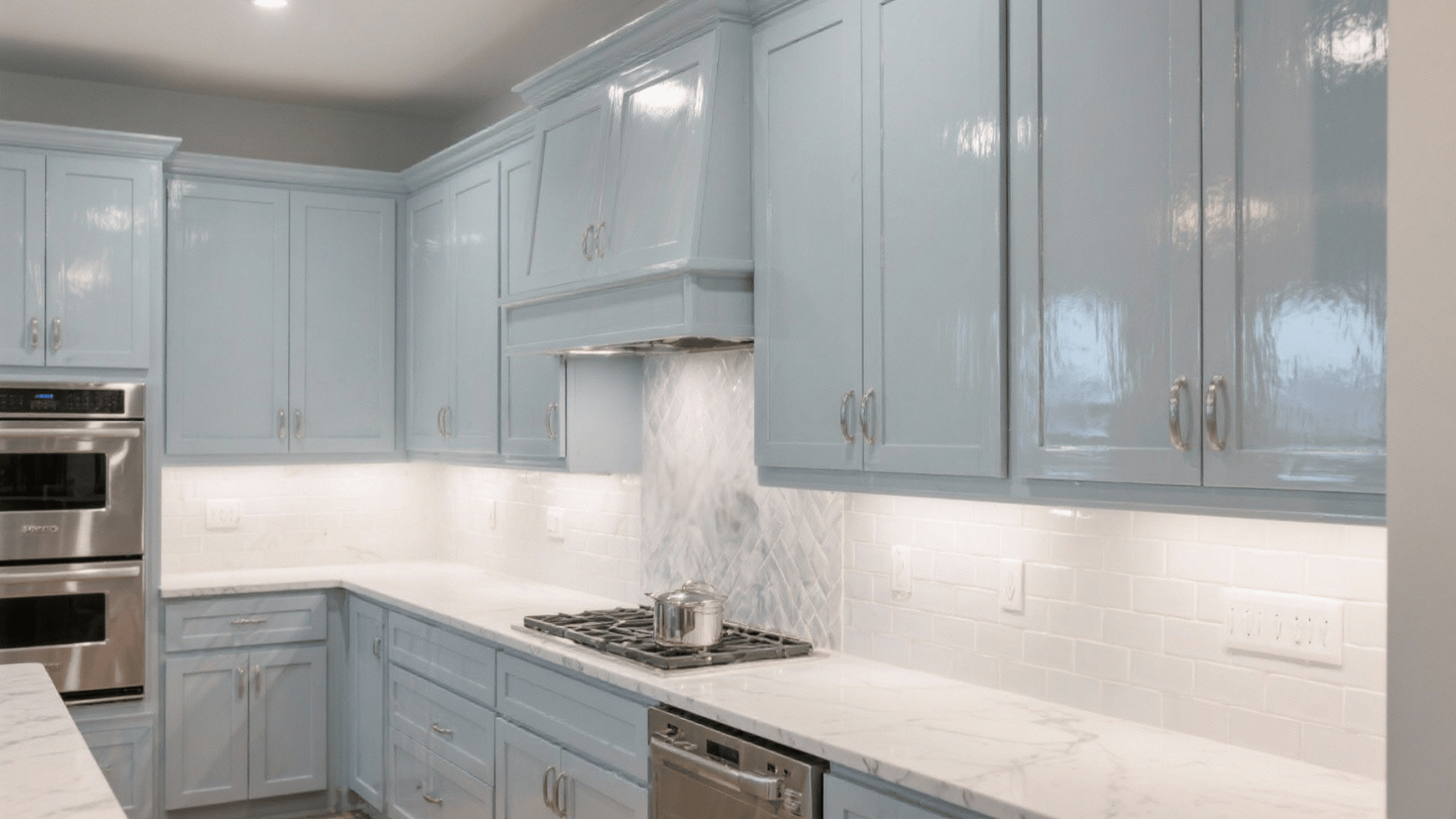
Opt for oil-based paint when maximum durability and true waterproofing are essential for exterior doors, window frames, kitchen cabinets, bathroom trim, and outdoor furniture.
It’s the superior choice for high-traffic areas, surfaces requiring frequent washing, or environments with constant moisture exposure.
Pros
- Creates a hard, glossy, and professional-looking finish.
- Provides excellent coverage and smooth flow.
Cons
- Has a strong odor and high VOC content.
- Takes longer to dry and can yellow over time.
Comparing Acrylic vs Latex Paint vs Oil-Based Paint
To help you understand the key differences, here’s a clear comparison of acrylic, latex, and oil-based paints based on their composition, performance, and ideal uses.
| Feature | Acrylic Paint | Latex Paint | Oil-Based Paint |
|---|---|---|---|
| Base Type | Water-Based (acrylic Polymer Emulsion) | Water-Based (vinyl or Acrylic Resin) | Oil or Alkyd-Based |
| Drying Time | Fast (30 Minutes to 2 Hours) | Moderate (1–4 Hours) | Slow (6–24 Hours) |
| Durability | Flexible and Resistant to Cracking | Good for Interiors; Less Flexible Outdoors | Extremely Durable and Long-Lasting |
| Finish Options | Matte to Glossy (customizable) | Mostly Matte or Satin | Glossy, Smooth, and Hard Finish |
| Color Retention | Excellent, Resists Fading | Good, May Dull Slightly Over Time | Can Yellow or Fade Indoors |
| Water Resistance | Water-Resistant Once Dry | Moderate Resistance | Highly Water-Resistant |
| Odor & Vo Cs | Low Odor, Low VOC | Low Odor, Low VOC | Strong Odor, High VOC |
| Cleanup | Easy Soap and Water | Easy Soap and Water | Requires Mineral Spirits/turpentine |
| Cost | Slightly Higher | Budget-Friendly | Typically Higher Due to Durability |
Why is it Important to Choose the Right Paint?
Choosing the right type of paint is essential for ensuring the durability, finish, and overall success of any project.
Each paint, acrylic, latex, or oil-based, has a unique composition designed for specific surfaces and conditions.
The right paint enhances not just aesthetic appeal but also the longevity and protection of the surface, especially in areas exposed to moisture, sunlight, or heavy wear.
Latex paints offer easy cleanup and low odor, acrylics provide flexibility and color retention for outdoor projects, while oil-based paints deliver superior durability and gloss.
Understanding your paint type ensures a professional-quality finish and saves time, effort, and maintenance costs in the long run.
Tips for Sealing Paints
Proper sealing enhances the durability, finish, and water resistance of any paint job. Here’s how to protect and preserve each type of paint effectively.
- Allow Full Drying and Curing: Always let paint cure completely before sealing, about 24–48 hours for acrylic, 2–4 weeks for latex, and 7–10 days for oil-based paint.
- Choose the Right Sealer: Match your sealer to the paint type: water-based sealers for acrylic and latex, oil-based polyurethane for oil paints.
- Apply Thin, Even Coats: Use a soft brush, roller, or spray for smooth coverage. Apply two to three light coats rather than one thick layer.
- Sand Between Coats (for Oil-Based): Lightly sand using fine-grit sandpaper between coats to achieve a flawless, professional finish.
- Mind the Environment: Apply sealers in a dust-free, well-ventilated area with moderate humidity and temperature to prevent streaks or bubbles.
- Test Before Applying: Always test the sealer on a small section to ensure it doesn’t alter the paint’s color or sheen before coating the entire surface.
Conclusion
As we’ve seen, acrylic paint becomes water-resistant when fully cured, but typically needs additional sealing for high-moisture applications.
This distinction is crucial when comparing acrylic to latex and oil-based alternatives, each offering unique characteristics suited to different project requirements.
You can make informed decisions that ensure your painted surfaces withstand their intended use.
Armed with this knowledge, you’re now prepared to select and apply the perfect paint for lasting, professional-quality results.