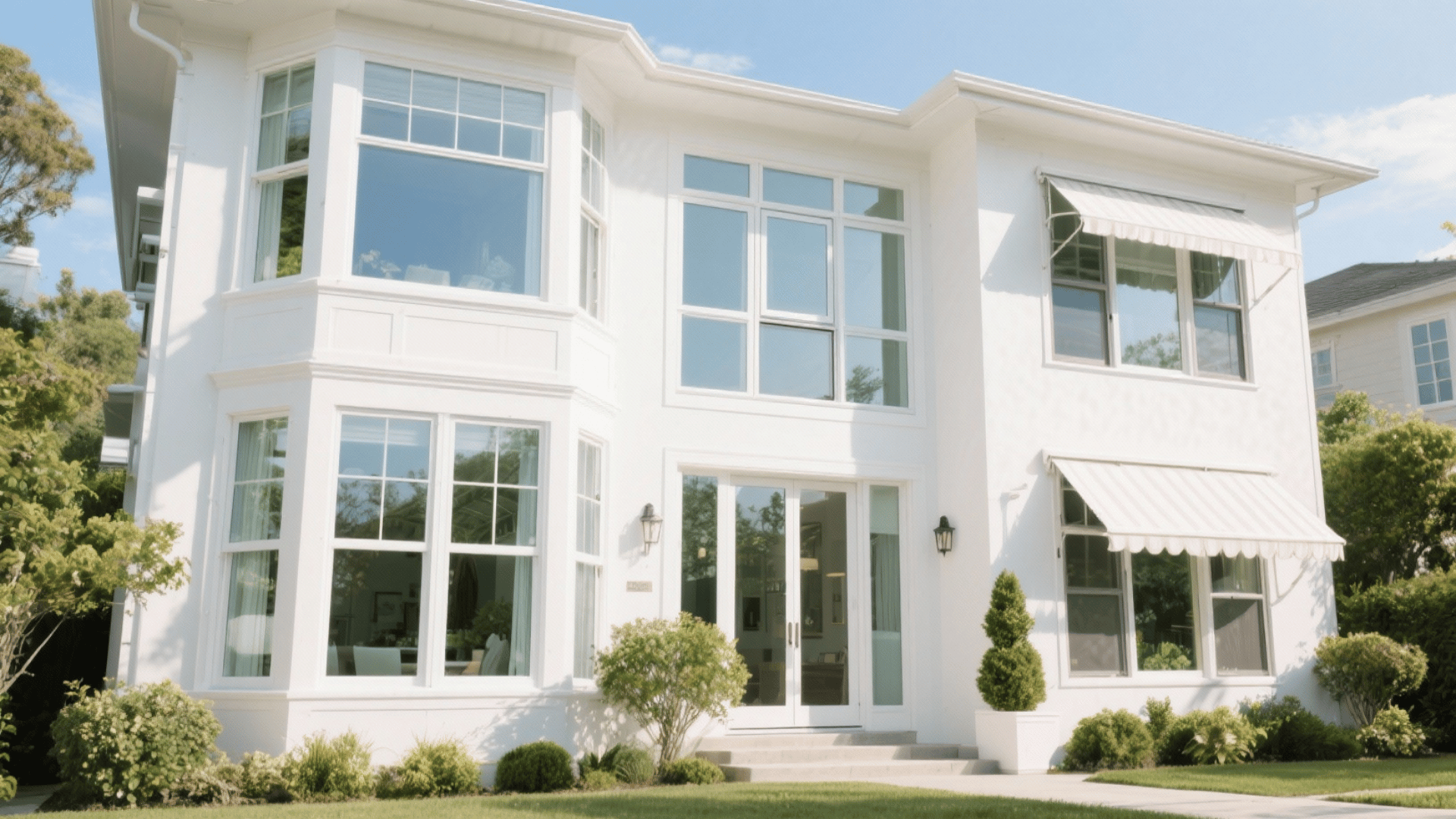
When choosing windows for a home, understanding the different types of windows available and their suitability is essential for making informed decisions.
This blog explains the various types of residential windows, from classic styles like double-hung and casement to more specialized options such as bay, bow, and tilt-and-turn windows.
Each type brings unique design features, benefits, and functional qualities that cater to diverse architectural styles and practical needs.
This will help homeowners evaluate which window designs best align with their individual preferences and living spaces.
Factors to Consider When Choosing Windows
Selecting the right windows goes beyond looks; it’s about finding the perfect balance between style, function, and performance. Here are the key factors every homeowner should keep in mind:
- Architectural Style: Match window design to your home’s overall look.
- Climate & Efficiency: Choose glazing and materials suited to your region’s weather.
- Ventilation: Pick styles that provide the airflow you need.
- Natural Light: Larger windows enhance brightness and outdoor views.
- Material & Durability: Select frames that balance maintenance, insulation, and longevity.
- Noise Reduction: Use double glazing for quieter interiors.
- Budget: Consider both upfront cost and long-term value.
- Maintenance: Opt for easy-to-clean and low-maintenance materials.
- Security: Ensure sturdy locks and reinforced glass for safety.
Window Types Frame Materials Overview
Before choosing your windows, it’s important to understand how each frame material compares in performance and practicality.
| Material | Pros | Cons | Best For |
|---|---|---|---|
| Vinyl | Low-cost, energy-efficient, low-maintenance | Limited color options | Budget-friendly homes |
| Wood | Classic look, great insulation | Needs regular maintenance | Traditional or heritage homes |
| Aluminum | Durable, slim profile, modern appeal | Conducts heat, less efficient | Contemporary designs |
| Fiberglass | Strong, long-lasting, energy-efficient | Higher cost | Premium or modern builds |
| Composite | Combines strength and insulation | Pricier than vinyl | Energy-efficient upgrades |
Different Types of Window Styles
Windows do much more than let in light; they define your home’s style, improve energy efficiency, and create connections between indoors and outdoors. Here’s a guide to the most popular types of window styles and what makes each one special:
1. Double-Hung Windows
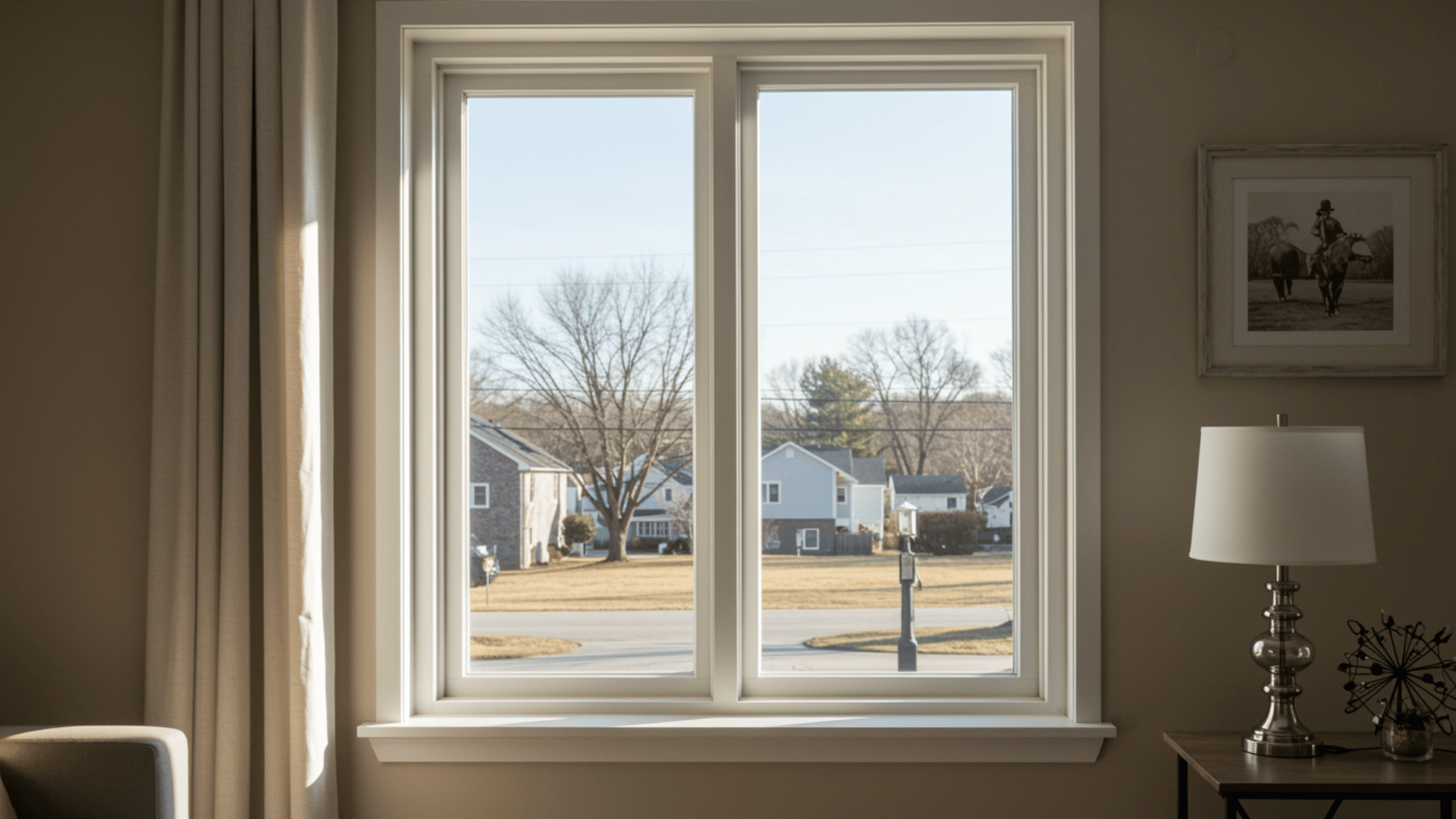
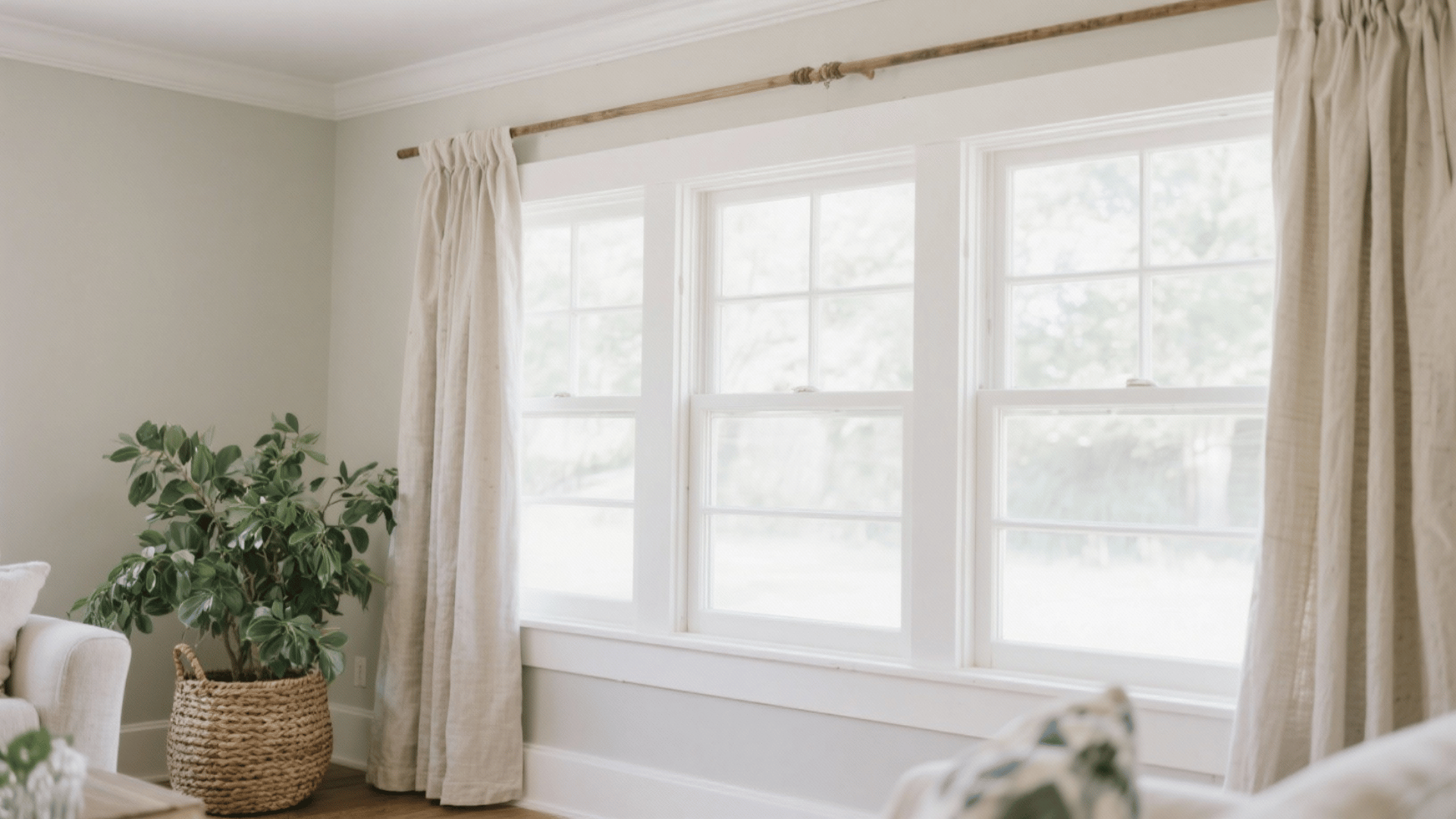
Double-hung windows are among the most common and versatile styles, featuring two sashes that slide vertically within a single frame. Both sashes can open, allowing for excellent airflow.
This design balances traditional appeal with modern functionality, making it ideal for bedrooms, living rooms, and hallways.
Double-hung windows offer strong energy efficiency and ventilation control, as you can open the top or bottom sash independently. They suit most home styles, from colonial to contemporary.
2. Casement Windows
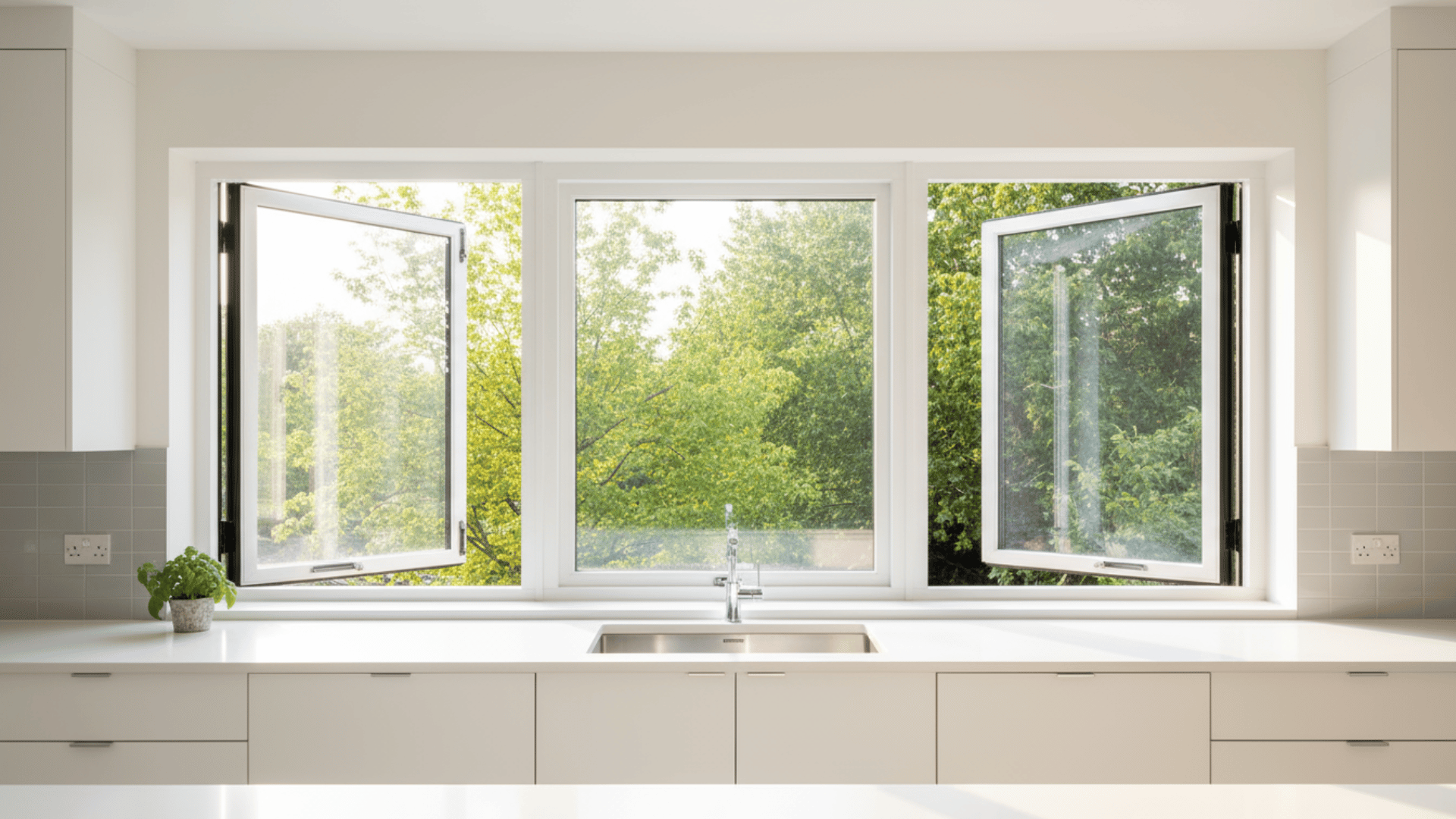
Casement windows are hinged on one side and open outward like a door, typically operated by a crank handle. They provide unobstructed views, tight seals for superior insulation.
Casement windows are especially popular in kitchens and bathrooms where airflow is important. Their modern design suits both traditional and contemporary homes.
Easy to clean and operate, casement windows are a great choice for homeowners who value fresh air, light, and clean architectural lines.
3. Picture Windows
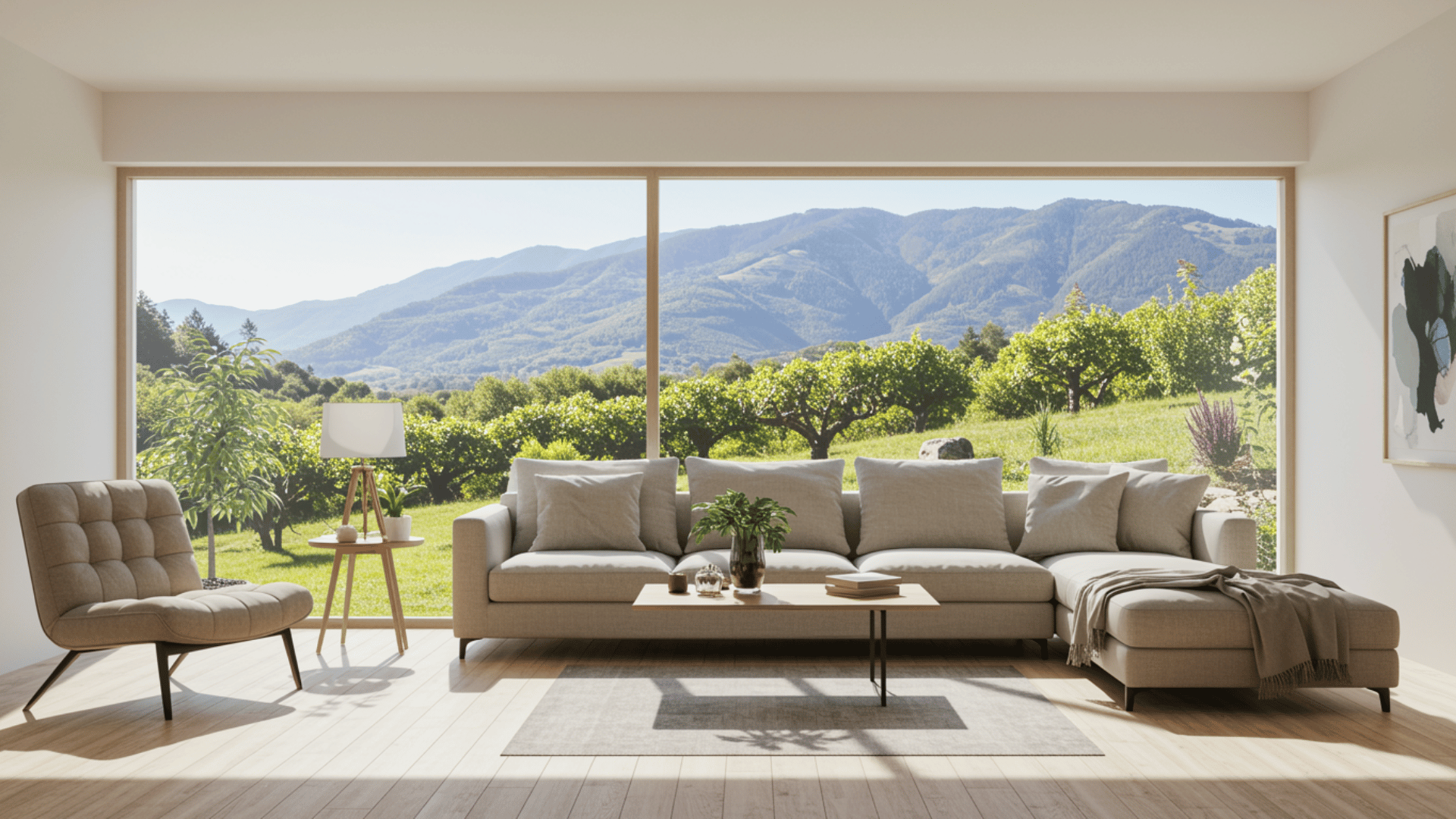
Picture windows are fixed, meaning they don’t open, but their purpose is to frame a beautiful view, much like a picture. These windows are often installed in living rooms or scenic areas.
Because they don’t have moving parts, they offer exceptional energy efficiency and minimal maintenance. Picture windows also pair well with other operable window types for ventilation.
Their simple, elegant design makes them perfect for showcasing outdoor landscapes while enhancing interior brightness and a sense of spaciousness.
4. Bay Windows
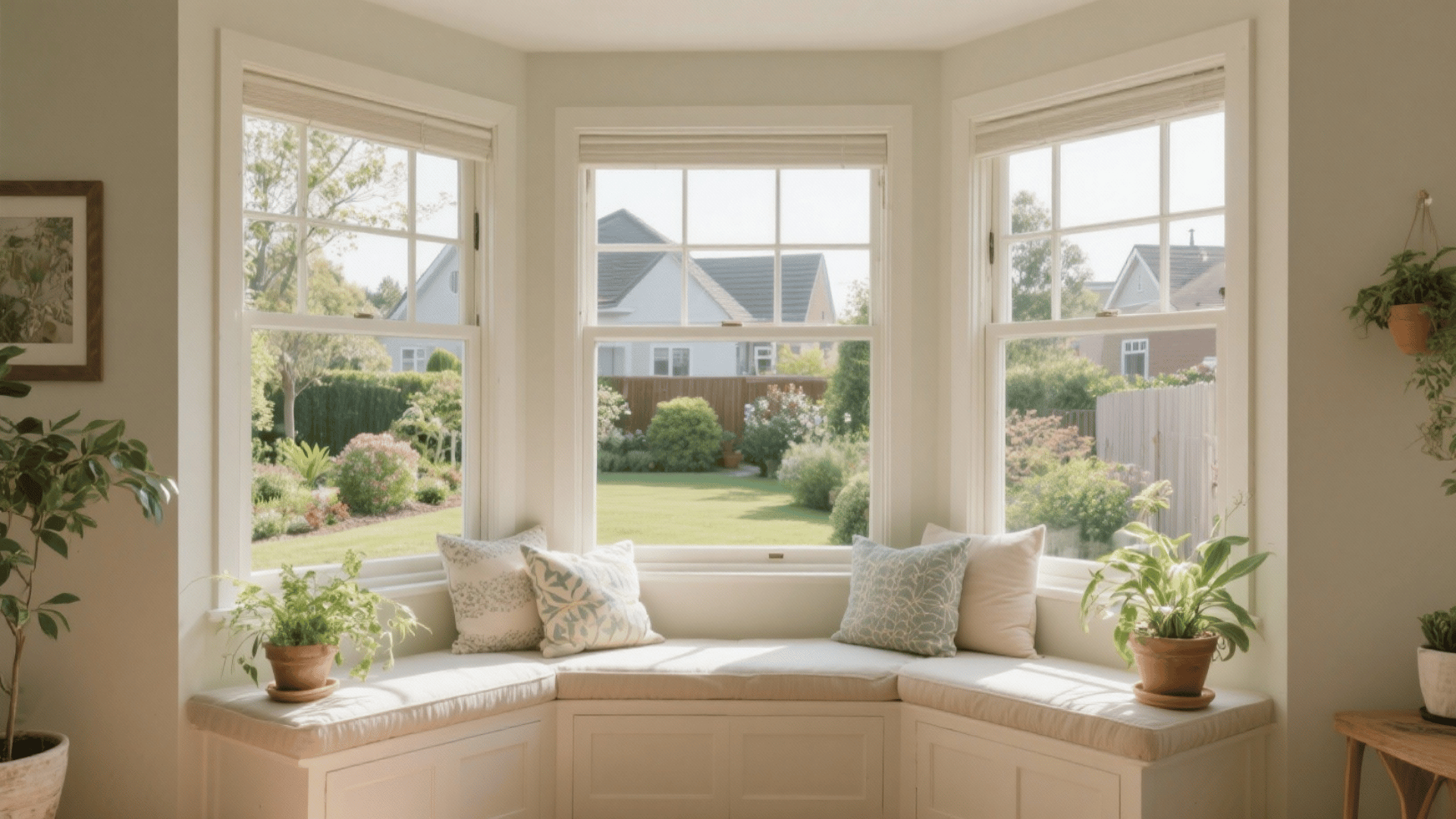
Bay windows project outward from a home’s exterior wall, typically featuring three panels one large fixed center window flanked by two angled operable ones.
Bay windows bring in more light from multiple angles, improving both views and ventilation. They add architectural charm and dimension, making a room feel larger and more inviting.
Common in living and dining rooms, bay windows enhance curb appeal while combining elegance, functionality, and a classic touch.
5. Bow Windows
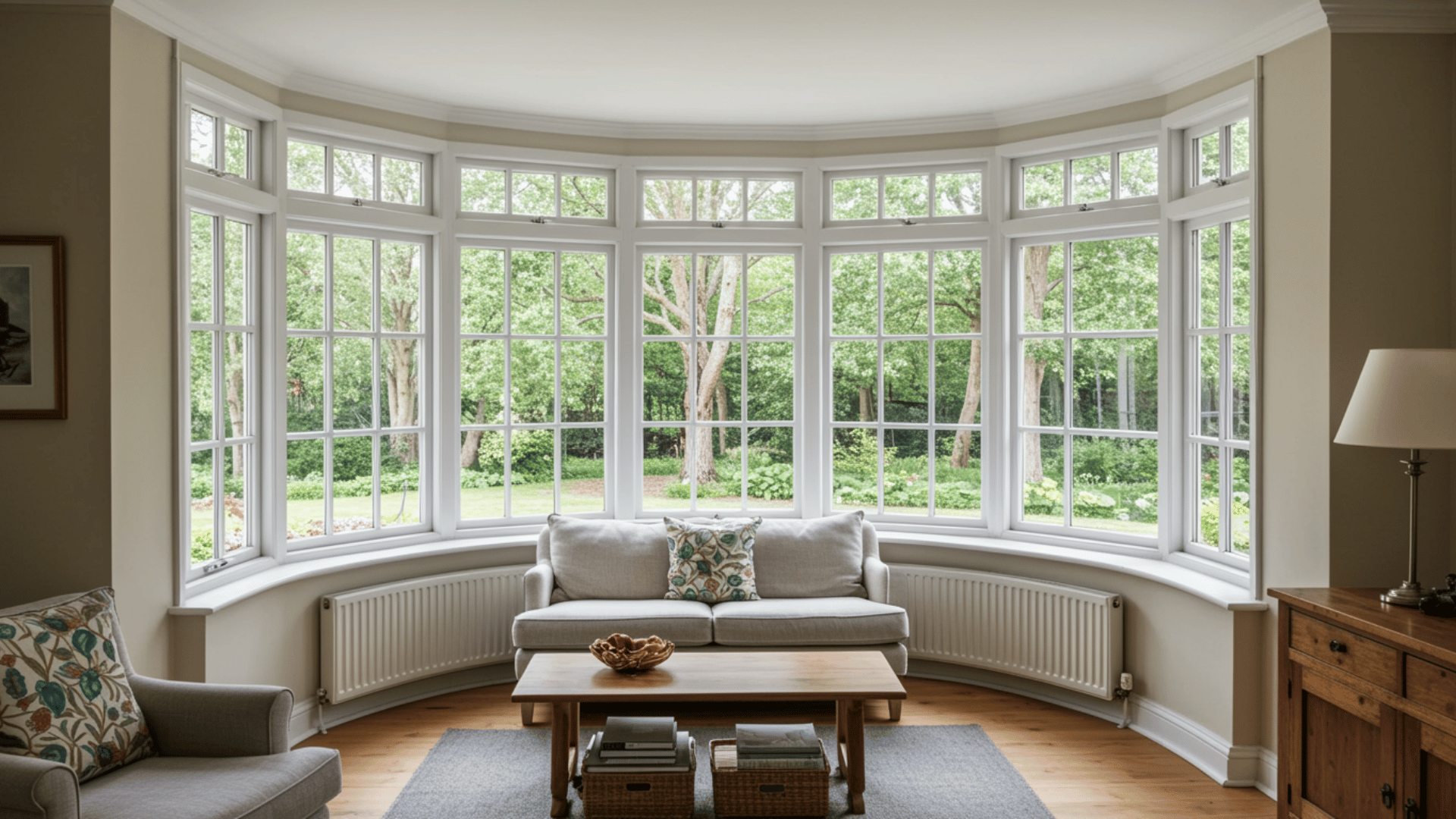
Bow windows are similar to bay windows but feature four or more curved panes, creating a smooth, rounded appearance. This gentle arc allows for a panoramic view.
Bow windows add a sense of grandeur to both traditional and modern homes. They can serve as a cozy sitting area or decorative focal point, enhancing both interior and exterior aesthetics.
Their curved structure complements classic architecture and increases natural illumination, making them an excellent choice for living rooms or master suites seeking openness.
6. Oriel Windows
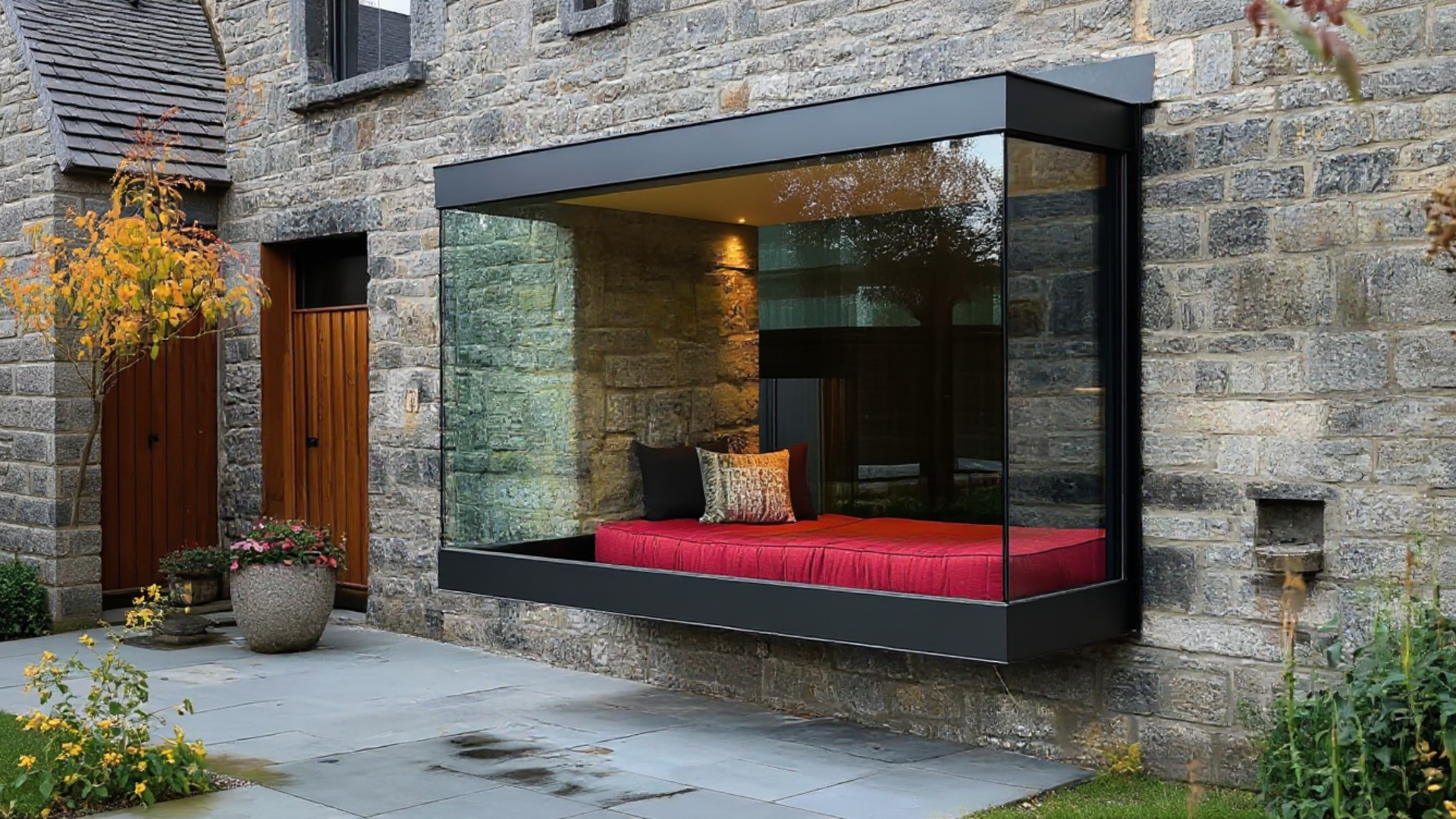
Oriel windows are a type of bay window that projects from an upper floor rather than the ground level, supported by brackets or corbels underneath.
Traditionally found in older or Gothic-style architecture, they add elegance and old-world charm. Oriel windows provide extra interior space, beautiful views, and plenty of light.
They’re often used to create reading nooks or decorative extensions that enhance a building’s façade, blending history with functionality.
7. Sliding Windows
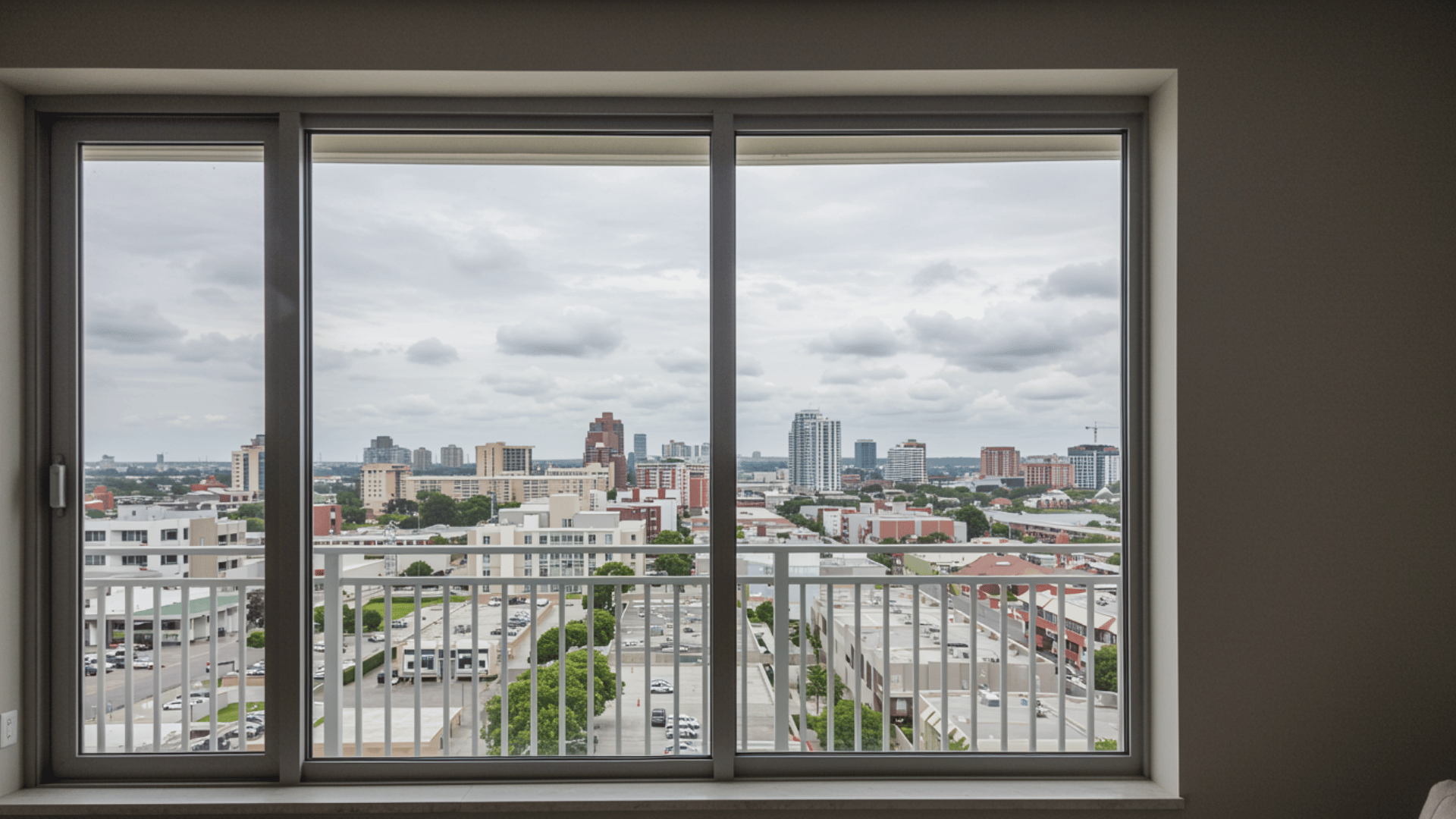
Sliding windows operate by gliding horizontally along a track, offering a modern look and effortless use. Their design is for areas with limited space, as they don’t swing open or outward.
Sliding windows provide wide, unobstructed views and good ventilation while being low-maintenance due to fewer moving parts. They’re commonly used in contemporary homes.
Their smooth operation and minimal framing make them perfect for maximizing light and achieving a sleek, streamlined aesthetic that suits modern architectural styles.
8. Awning Windows
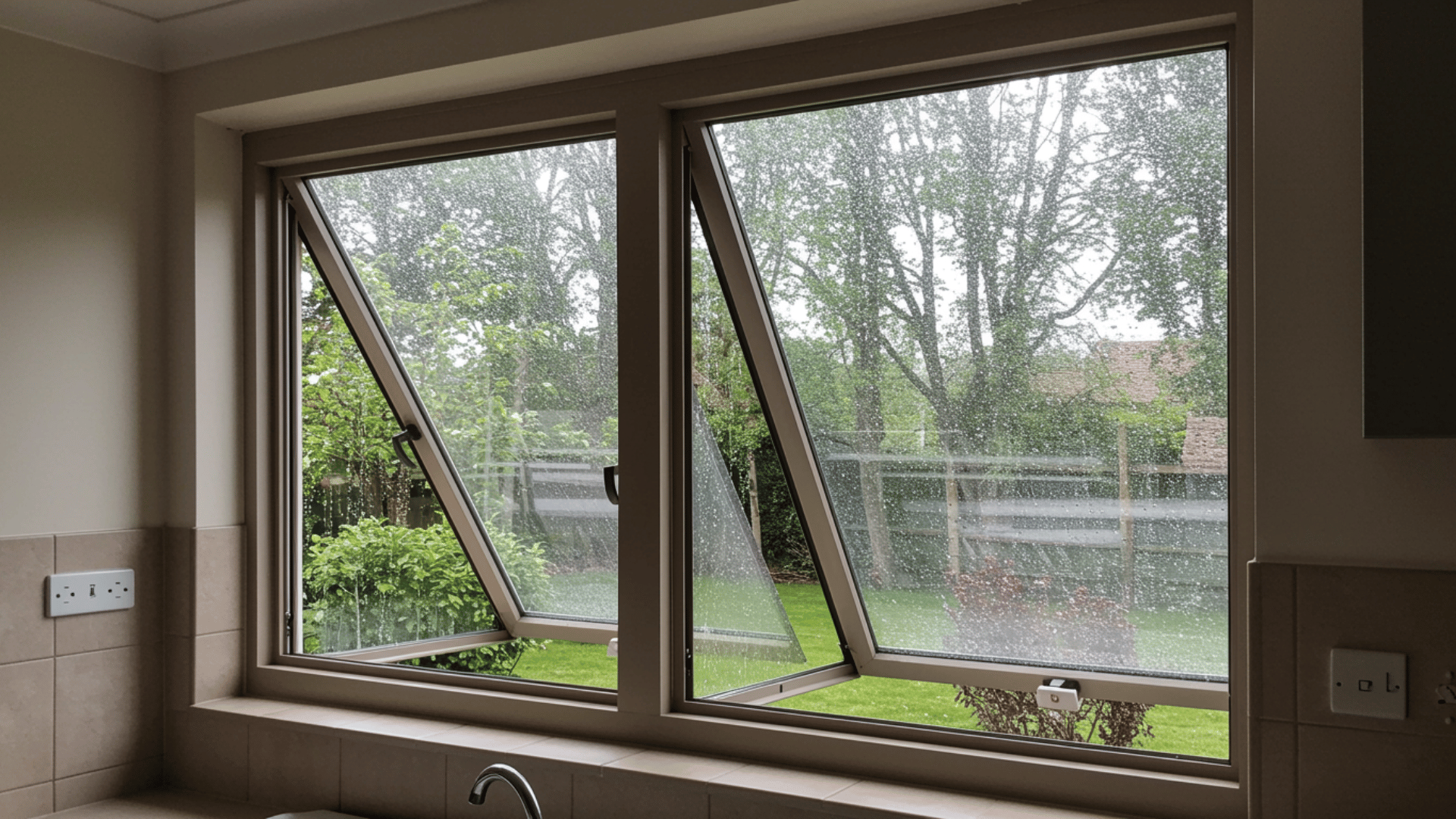
Awning windows are hinged at the top and open outward from the bottom, forming a protective “awning” shape. This design allows ventilation even during light rain.
Awning windows provide excellent energy efficiency thanks to their tight seal when closed. They pair well with larger fixed windows for added light and function.
Their compact, horizontal shape suits both contemporary and traditional homes, offering versatility, weather protection, and reliable performance throughout the year.
9. Hopper Windows
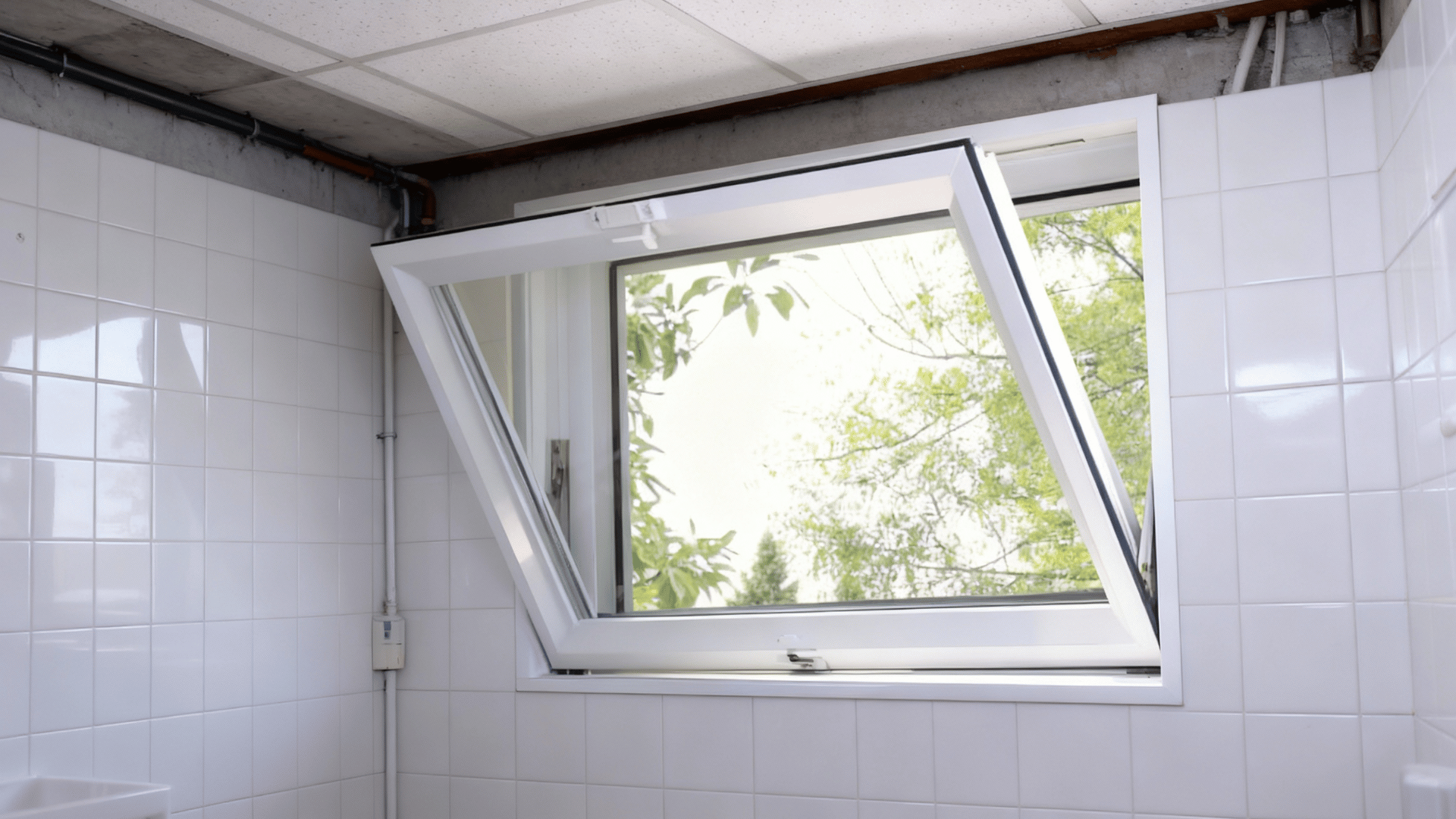
Hopper windows are hinged at the bottom and open inward from the top, making them perfect for basements, bathrooms, or utility spaces that need ventilation but limited space.
Their inward-opening design provides security while maintaining good air circulation. Hopper windows are energy-efficient due to their snug fit when closed, preventing drafts.
Their practicality, low maintenance, and compact form make hopper windows a smart choice for tight or below-ground areas.
10. Tilt and Turn Windows
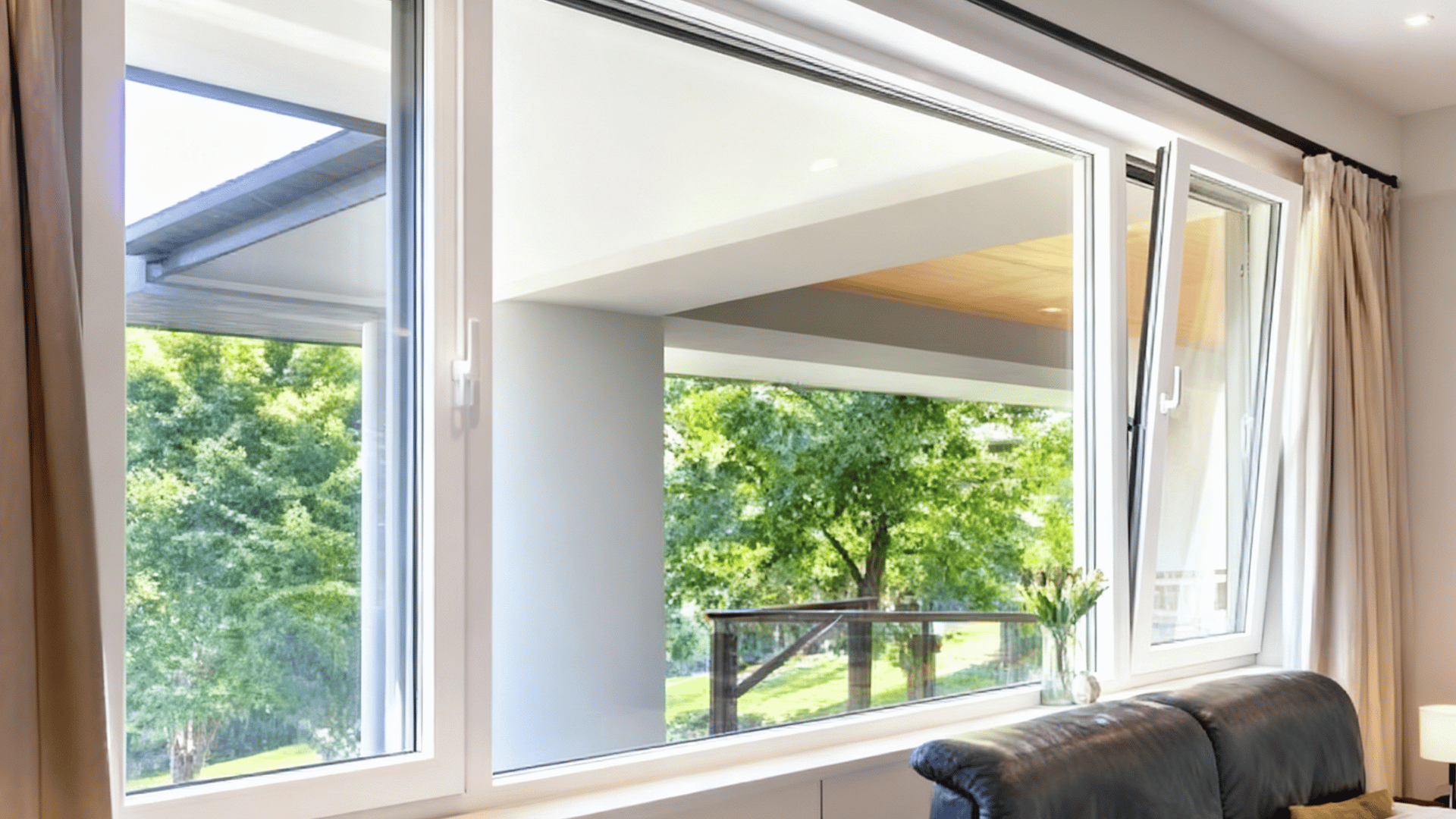
Tilt and turn windows offer dual functionality; they can tilt inward from the top for gentle ventilation or swing open like a door for full airflow.
The tilt position provides secure ventilation without fully opening the window, while the turn mode allows easy cleaning from inside.
Common in modern homes, these windows feature advanced locking systems and sleek aesthetics. They’re ideal for bedrooms, living rooms where flexibility and performance matter most.
11. Garden Windows
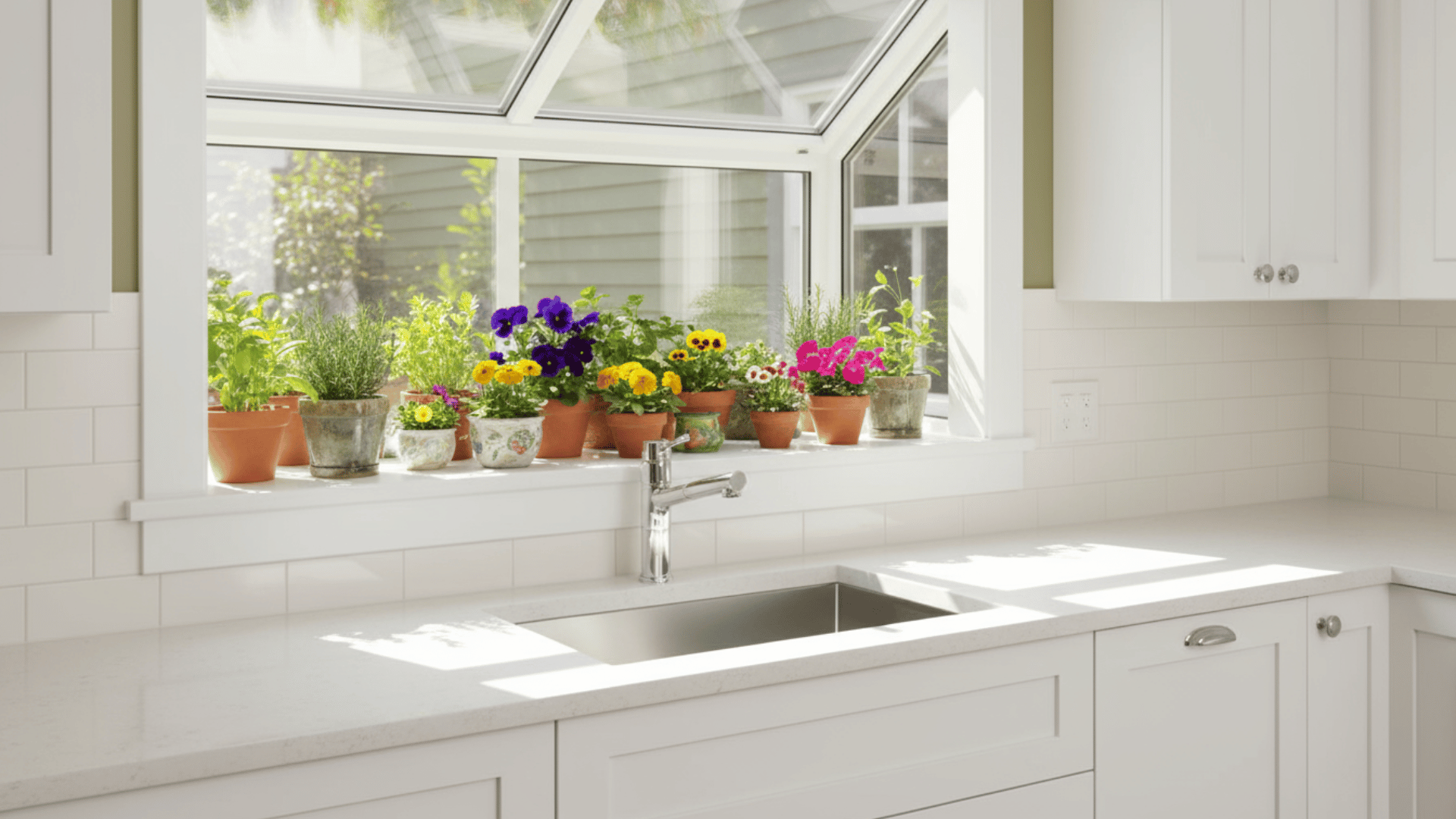
Garden windows extend outward, creating a small, greenhouse-like shelf perfect for growing plants or displaying decor. They have glass on all sides and a sloped top for maximum sunlight.
Commonly found above kitchen sinks, garden windows bring nature indoors while improving ventilation and light.
Their unique design adds character to the home exterior and creates a cozy, functional space inside. They’re a great choice for homeowners who enjoy greenery and natural light all year.
12. Jalousie Windows
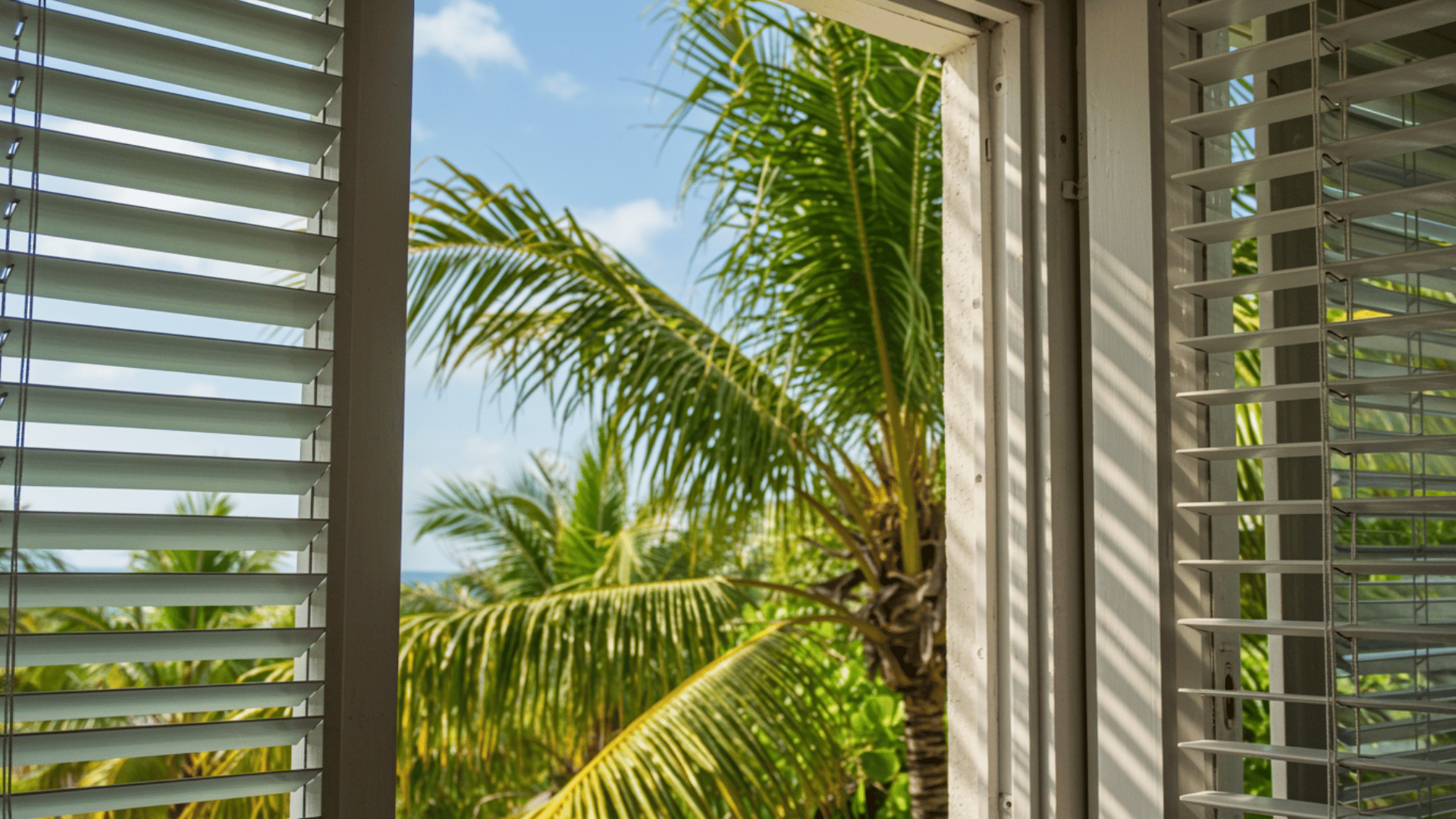
Jalousie windows consist of multiple glass slats arranged horizontally that open and close in unison, similar to blinds. They allow precise control of airflow while maintaining privacy.
Popular in tropical and coastal regions, jalousie windows promote maximum ventilation even during rain. However, they are less energy-efficient and secure compared to other types.
Their retro aesthetic suits vintage homes, porches, or sunrooms. Easy to operate and ideal for warm climates, jalousie windows combine function and charm for laid-back living spaces.
13. Arch Windows
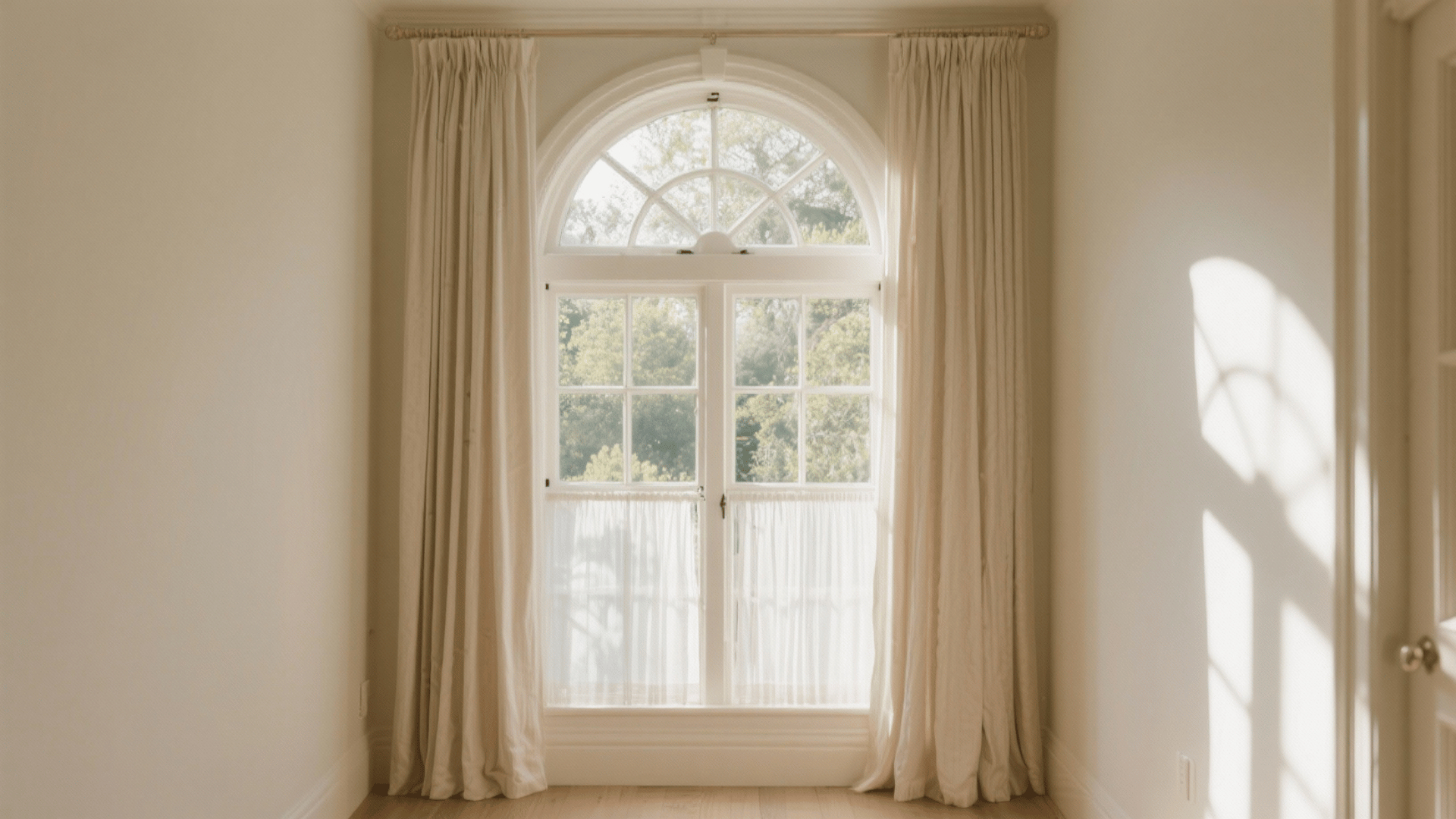
Arch windows feature a rounded or curved top that adds elegance and architectural interest to a home. Often placed above standard rectangular windows or doors, they bring in extra light.
Arch windows are usually fixed but can sometimes include operable sections. They complement both classic and Mediterranean-style homes.
Perfect for foyers, living rooms, or hallways, these windows enhance visual appeal and make a strong design statement while maintaining a graceful, timeless look.
14. Clerestory Windows
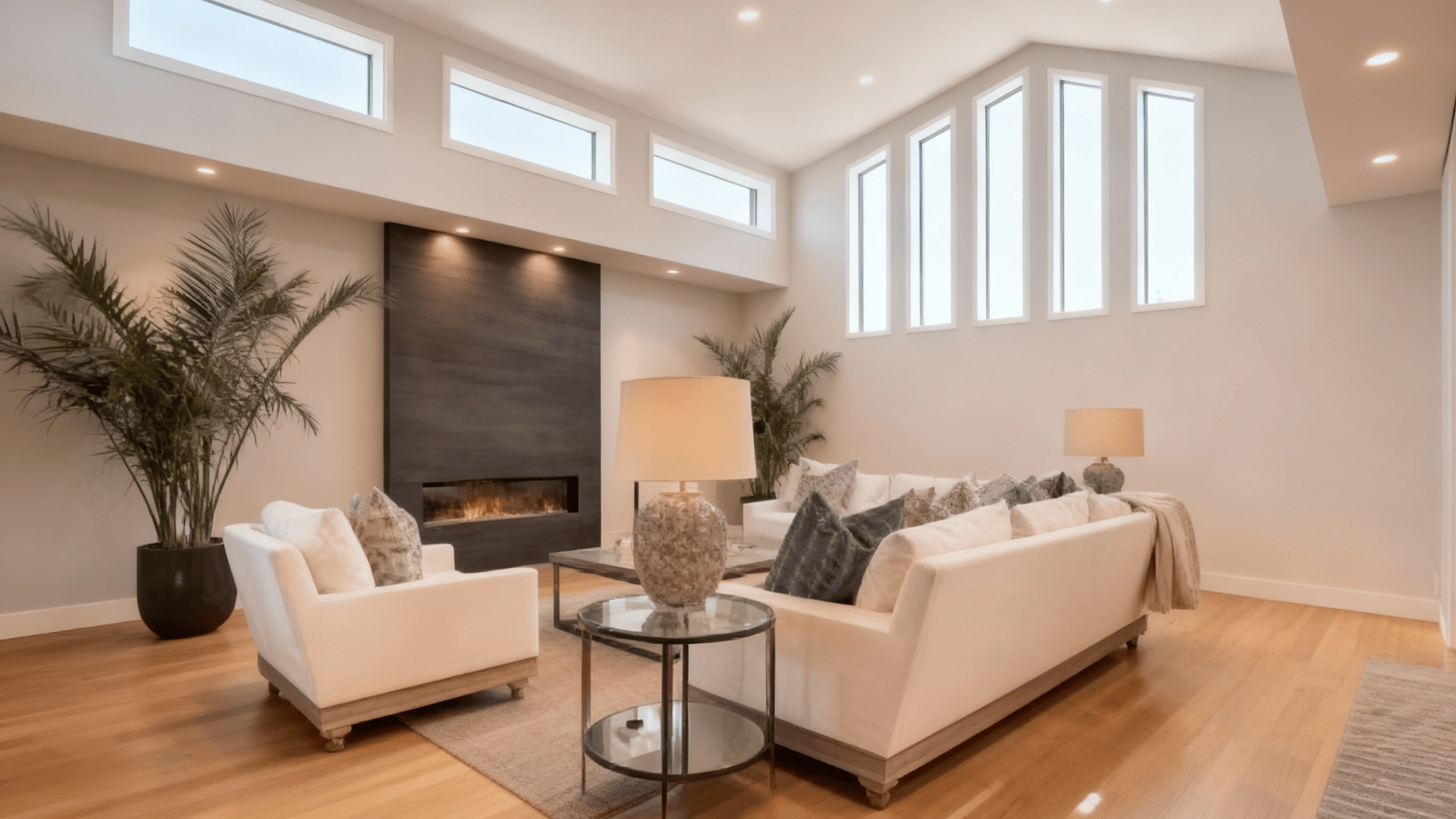
Clerestory windows are positioned high on walls, typically near the roofline, to let in natural light without compromising privacy. They’re common in modern, minimalist homes.
These narrow horizontal windows brighten interiors, reduce the need for artificial lighting, and add architectural drama. Clerestory windows are ideal for spaces that need daylight.
They help improve ventilation and distribute light evenly, enhancing openness and warmth in interior spaces.
15. Fixed Windows
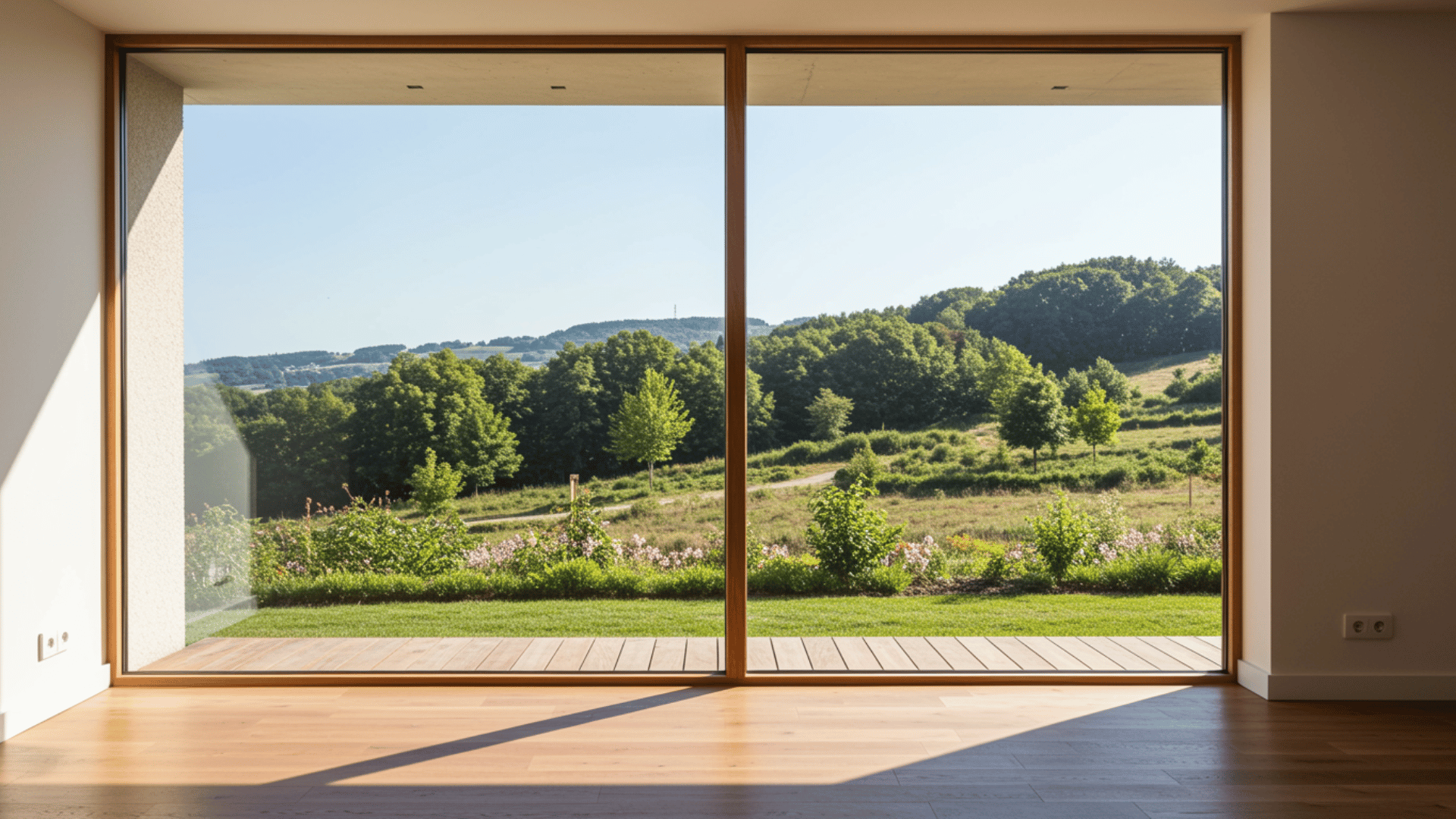
Fixed windows do not open but serve to provide light and uninterrupted views. Their stationary design ensures high energy efficiency and minimal maintenance.
Fixed windows are often used alongside operable windows or in high places where access is limited. They work beautifully in modern homes, framing outdoor views, keeping interiors bright.
Because they have no moving parts, they provide excellent insulation and weather resistance, making them both practical and aesthetically pleasing.
16. Skylight Windows
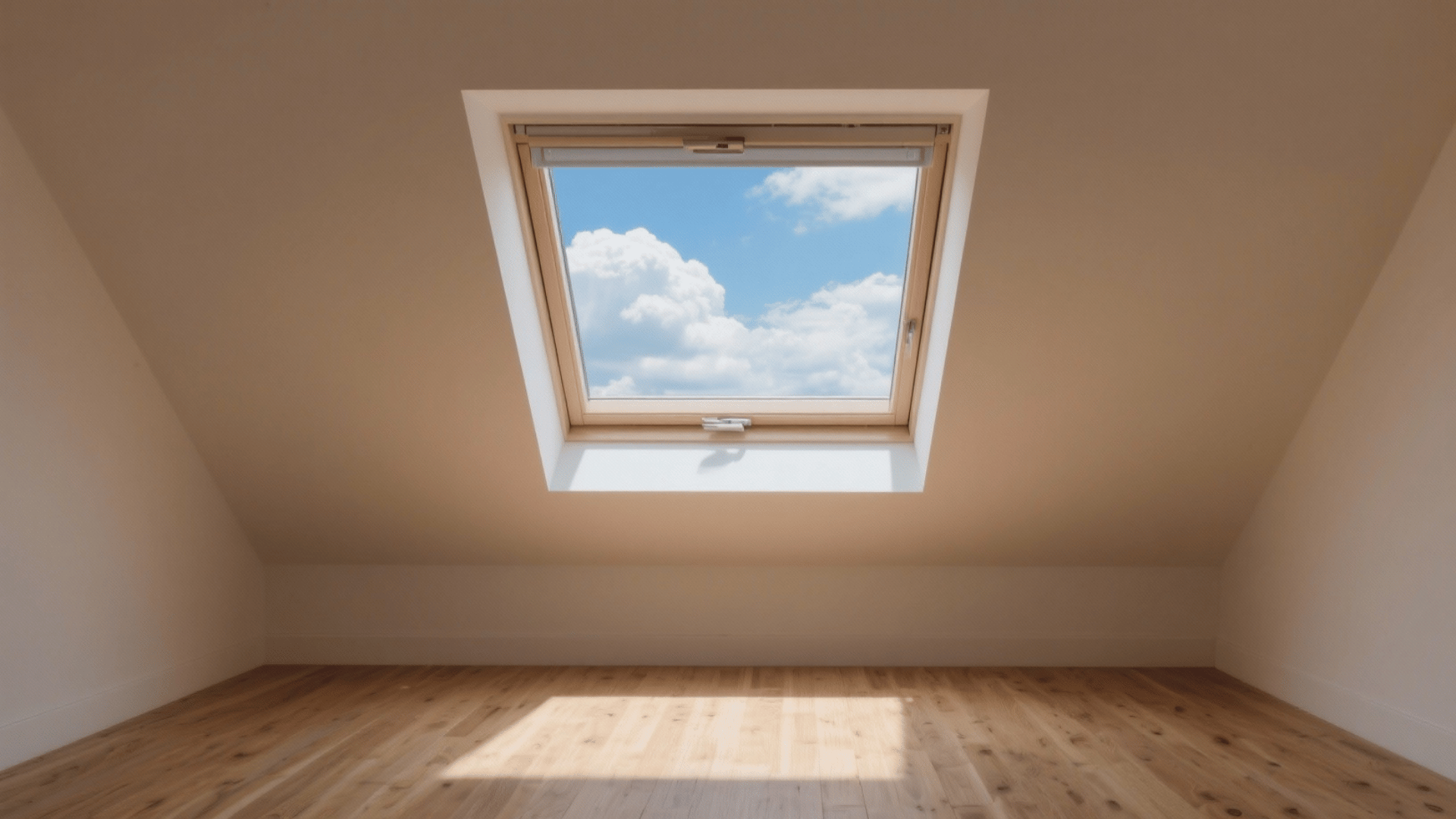
Skylight windows are installed on the roof to bring in abundant natural light from above. They enhance brightness, ventilation, and a sense of spaciousness in bathrooms or rooms.
Skylights come in fixed or vented varieties, with some featuring remote or solar-powered operation. They reduce dependence on artificial lighting while creating a striking design feature.
Proper placement and glazing help control heat and UV exposure, making skylights both beautiful and functional additions to any home.
17. Transom Windows
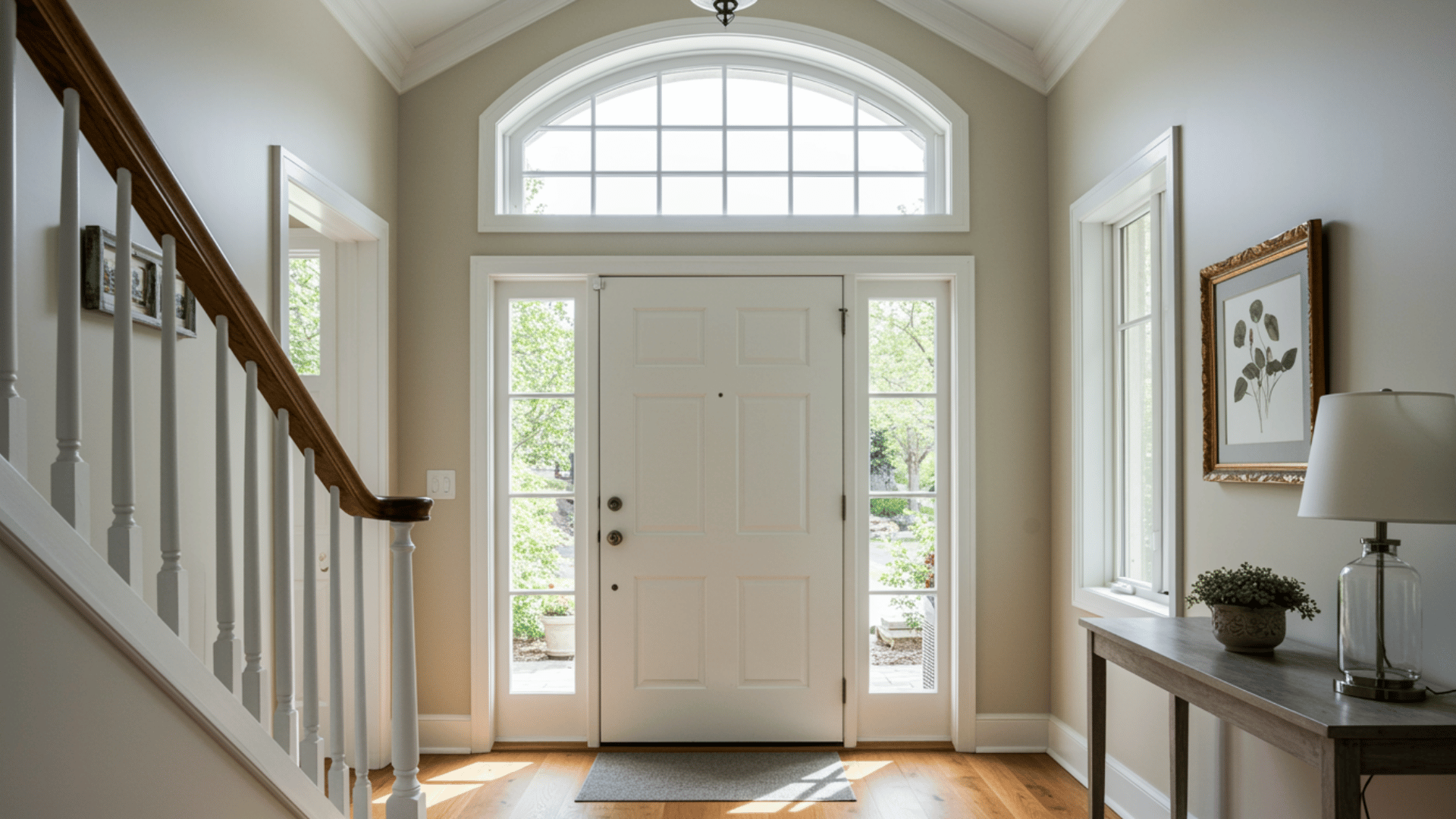
Transom windows are small, horizontal windows installed above doors or larger windows to improve light flow and air circulation. Originally used in traditional architecture.
Transoms can be fixed or operable and often serve as a decorative feature that enhances visual height and openness.
They help distribute natural light across rooms and add a refined architectural detail, especially in entryways and hallways where illumination and elegance are desired.
18. Round Windows
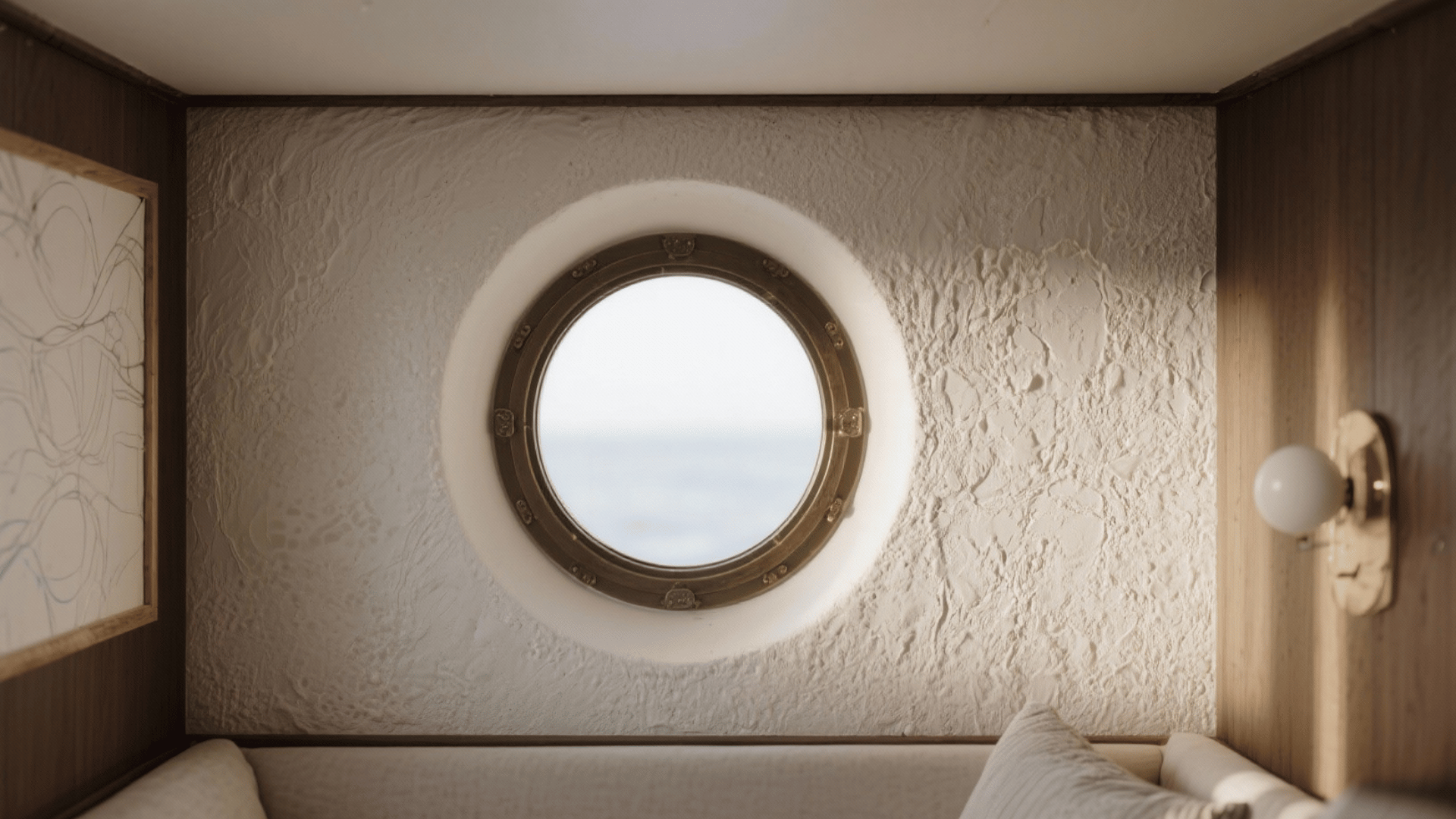
Round windows, also known as circular or porthole windows, add unique charm and visual softness to interiors.
Commonly found in attics, bathrooms, or stairways, they introduce natural light while serving as an eye-catching design element. These windows can be fixed or operable and fit a variety of styles
Their unconventional shape adds character and breaks up straight architectural lines, giving any space a distinctive and elegant look.
19. Slit Windows
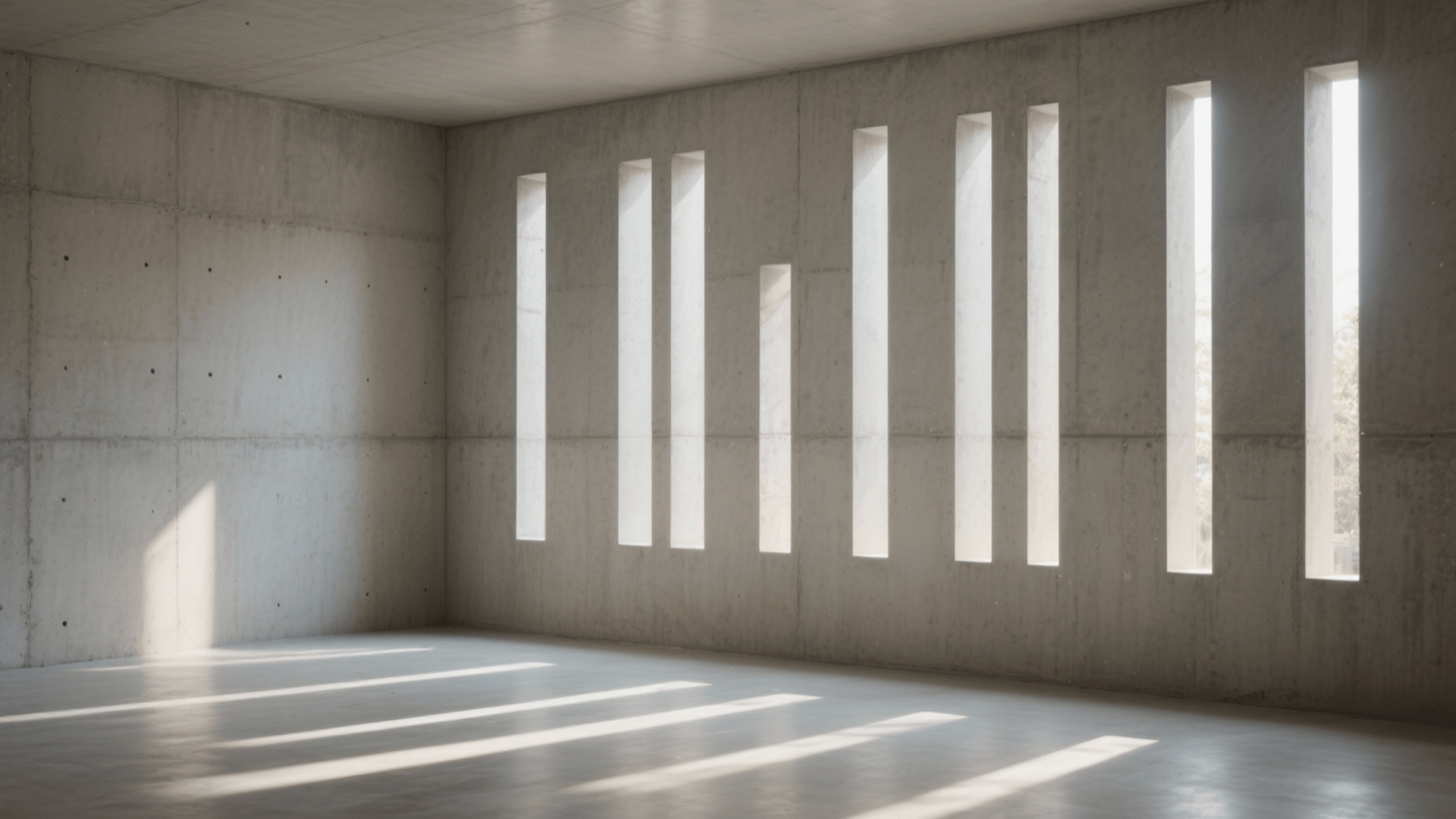
Slit windows are narrow vertical or horizontal openings designed primarily for aesthetics, light control, and privacy. They’re often used in modern architecture to create sleek, minimalist facades.
Although they provide limited ventilation, slit windows contribute significantly to a building’s visual rhythm and contemporary feel.
They work well in stairwells, corridors, or accent walls where light and shadow interplay to enhance the interior atmosphere.
20. Storm Windows
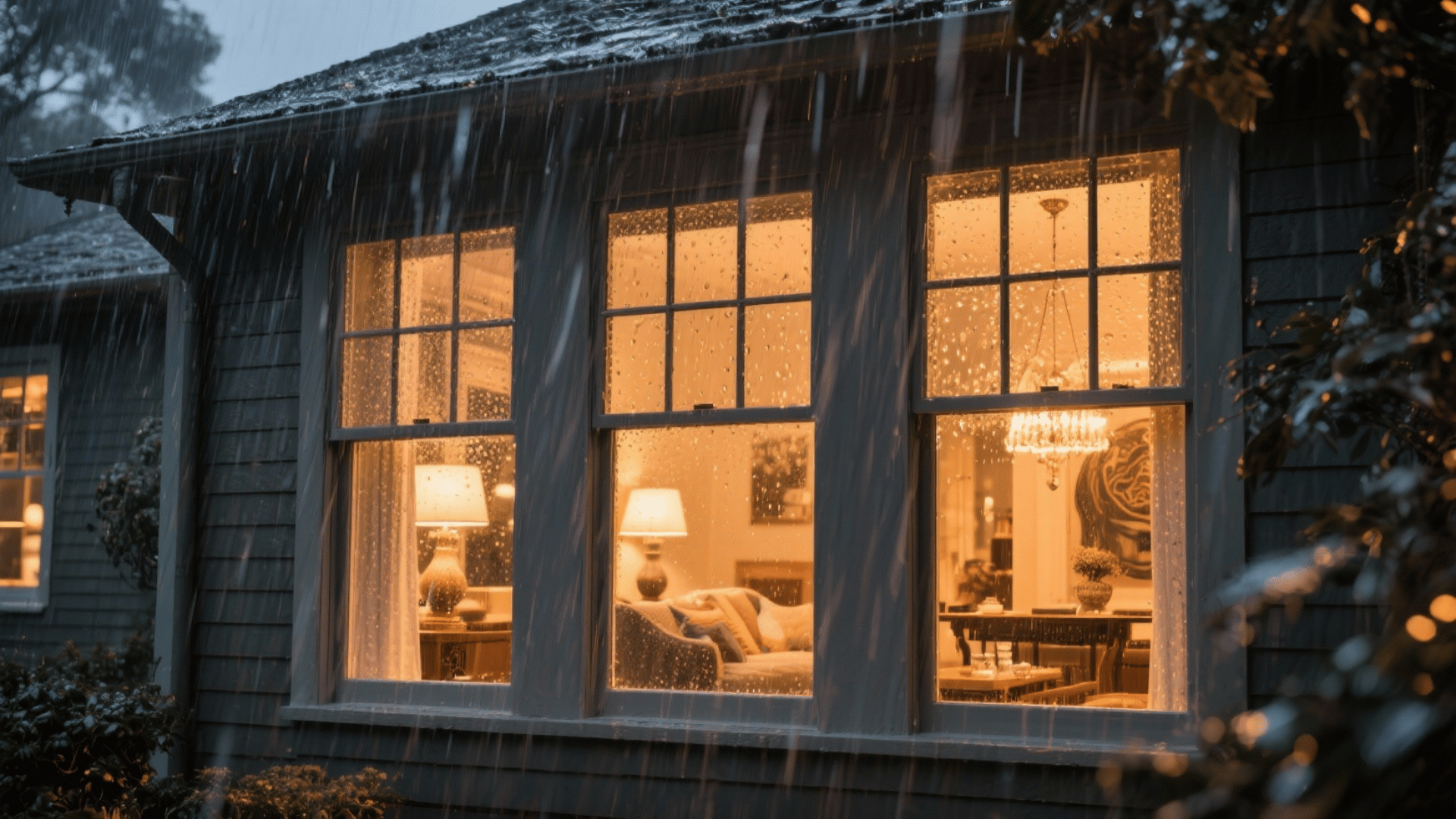
Storm windows are secondary windows installed over existing ones to improve insulation and weather protection. Common in regions with extreme climates, they reduce noise.
Storm windows can be temporary or permanent and come in interior or exterior styles. They extend the lifespan of primary windows while boosting overall efficiency.
Ideal for older homes, storm windows are a cost-effective way to enhance comfort and protect against harsh weather conditions.
21. French Windows
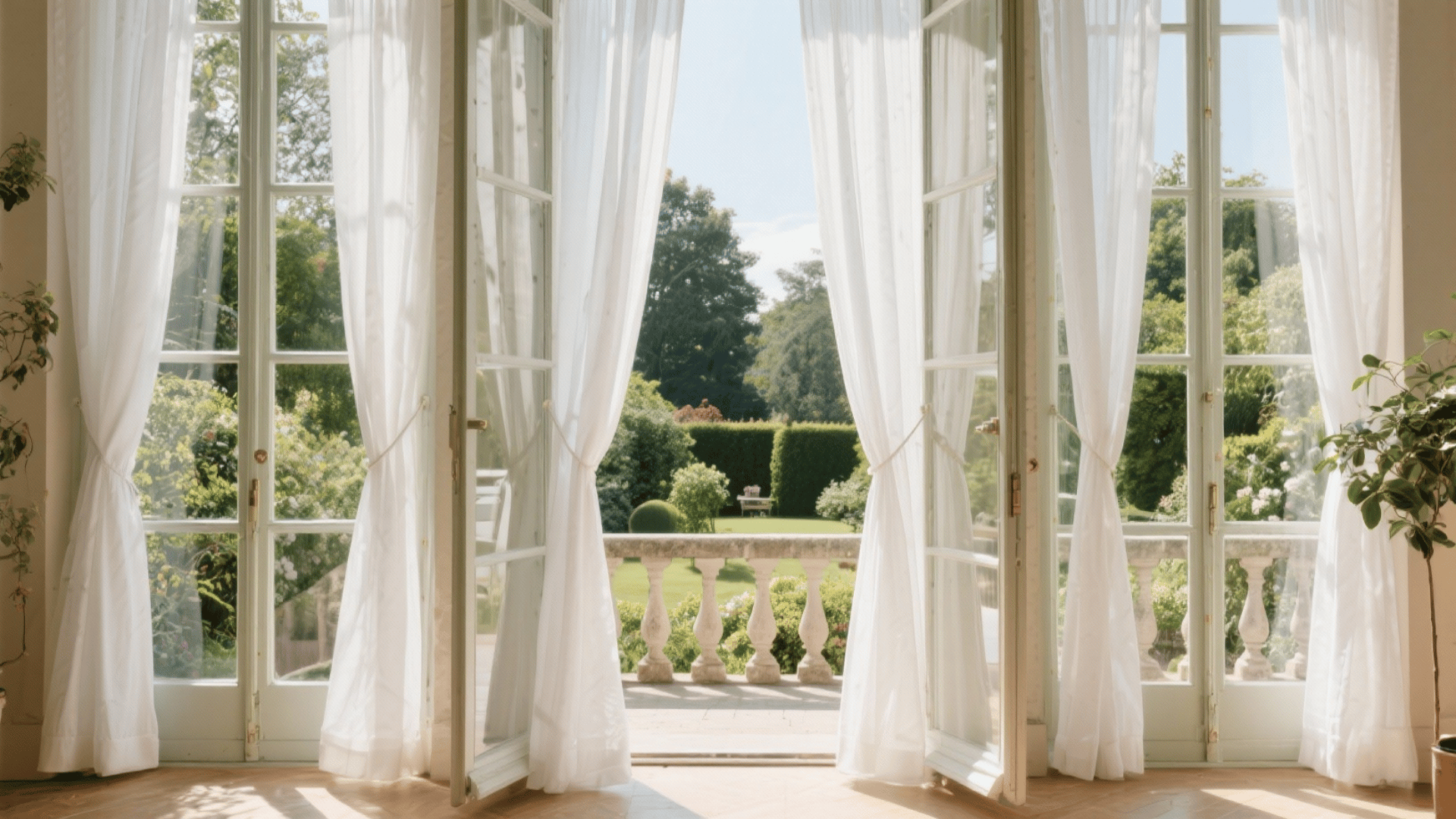
French windows, also known as French doors, are tall, elegant windows that open outward or inward from the center, often reaching floor length.
They feature multiple glass panes separated by muntins, allowing abundant natural light. French windows enhance both indoor and outdoor connections, making them perfect for patios.
Their classic design adds sophistication and timeless charm to any home. They’re especially suited for traditional or European-style architecture, combining beauty, function, and openness.
22. Glass-to-Glass Corner Windows
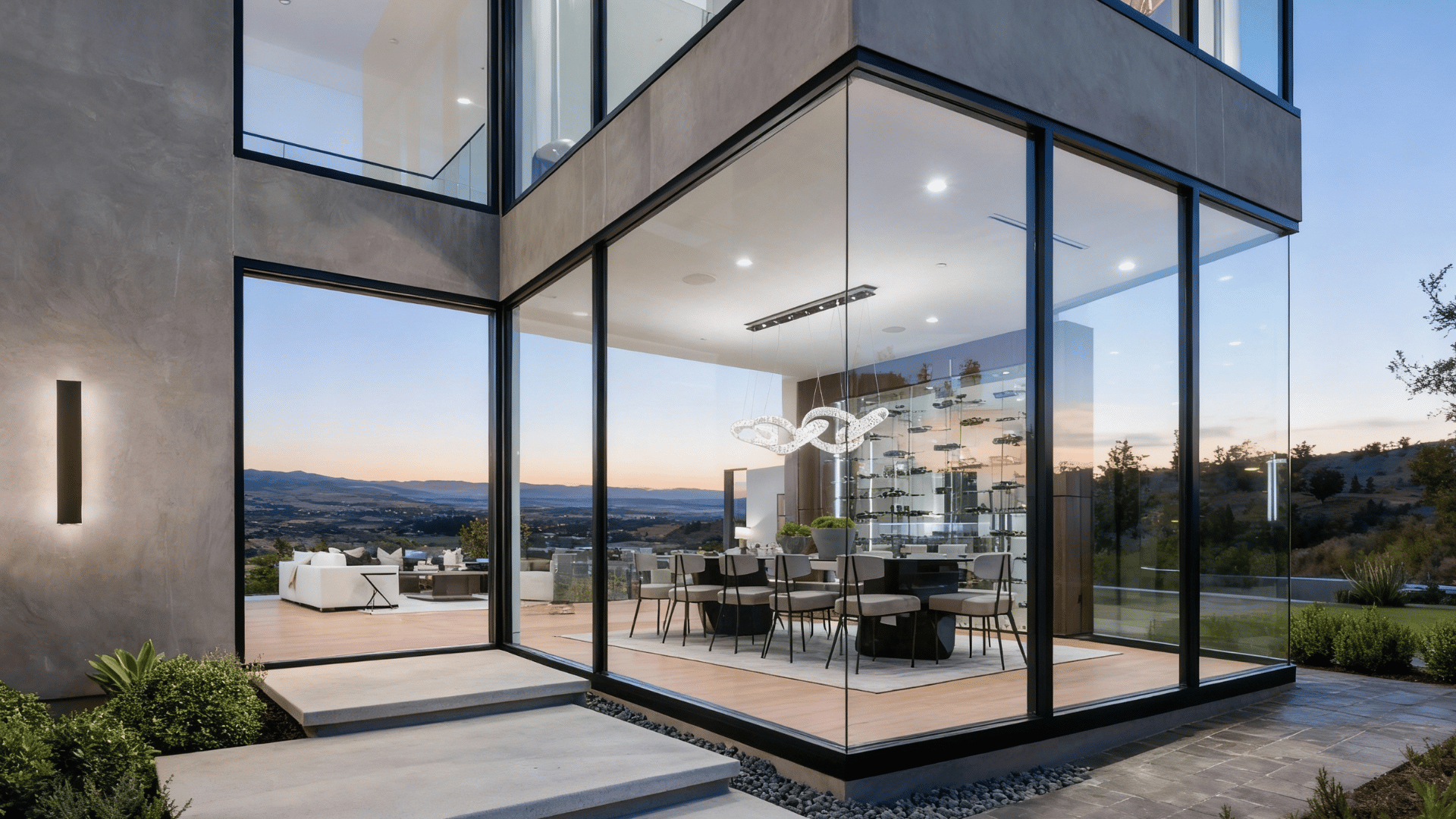
Glass-to-glass corner windows meet at a 90-degree angle without visible framing, creating a seamless corner view and maximizing natural light.
This modern architectural feature eliminates visual barriers, connecting interiors with outdoor scenery.
Though they may require professional installation and reinforced glass, their aesthetic impact is unmatched. These windows make small spaces feel expansive while adding a striking, minimalist edge to modern designs.
23. Tilt & Slide Windows
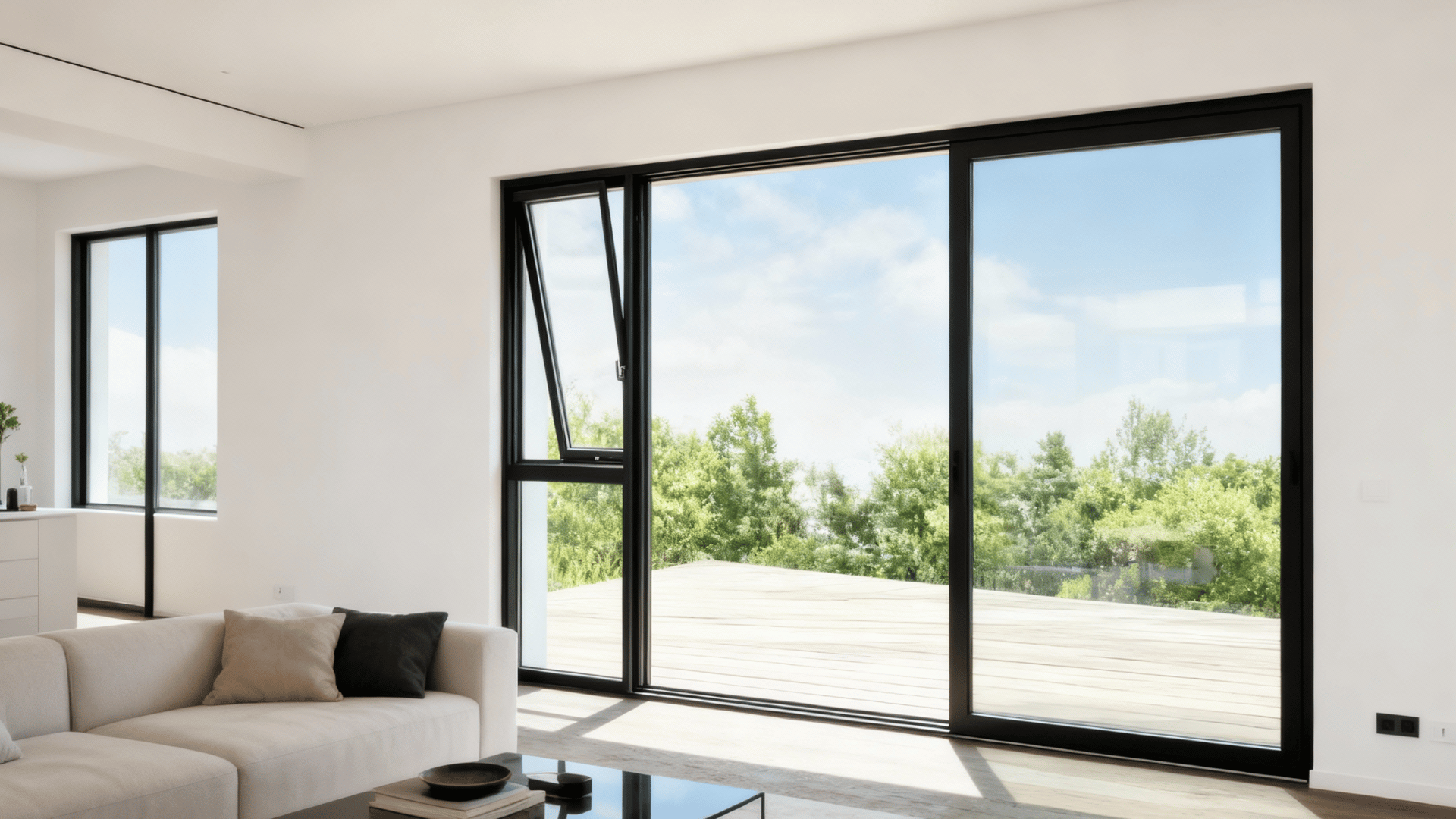
Tilt and slide windows combine the features of tilt-and-turn and sliding systems. The window can tilt inward at the top for secure ventilation or slide horizontally for full opening.
This design offers flexibility, excellent sealing, and smooth operation, ideal for energy-efficient modern homes. They are perfect for rooms where space-saving design is a priority.
They’re durable, stylish, and easy to maintain, providing the convenience of two functions in one sleek system.
Tips for Window Maintenance
A little care goes a long way. These simple window maintenance tips can help extend the life and beauty of your windows.
- Clean glass regularly using a mild glass cleaner or vinegar-water solution to maintain clarity and prevent buildup.
- Avoid harsh chemicals that can damage window coatings or frame finishes.
- Check for cracks or gaps in the glass, frame, or sealant to prevent air leaks and water infiltration.
- Inspect weather stripping and replace it if it’s cracked, brittle, or loose to maintain insulation.
- Examine hinges, locks, and handles for rust or wear. Tighten or lubricate as needed.
- Wood frames: Repaint or refinish every few years to protect against moisture and rot.
- Vinyl or aluminum frames: Clean with mild detergent and check for dents or warping.
- Fiberglass frames: Inspect for fading and recoat with UV-resistant finish if necessary.
- Lubricate moving parts like tracks, hinges, and locks with silicone spray or light oil for smooth function.
Conclusion
Understanding the diverse types of windows available is essential for homeowners aiming to enhance their home’s aesthetics, functionality, and energy efficiency.
Choosing the right window type can optimize natural light, improve ventilation, and complement your home’s architectural style.
By considering the different window types and their benefits, homeowners can make well-informed decisions tailored to their specific living spaces.
See the options and make your home by selecting the perfect types of windows. For expert advice and quality window solutions, reach out to a trusted professional today.