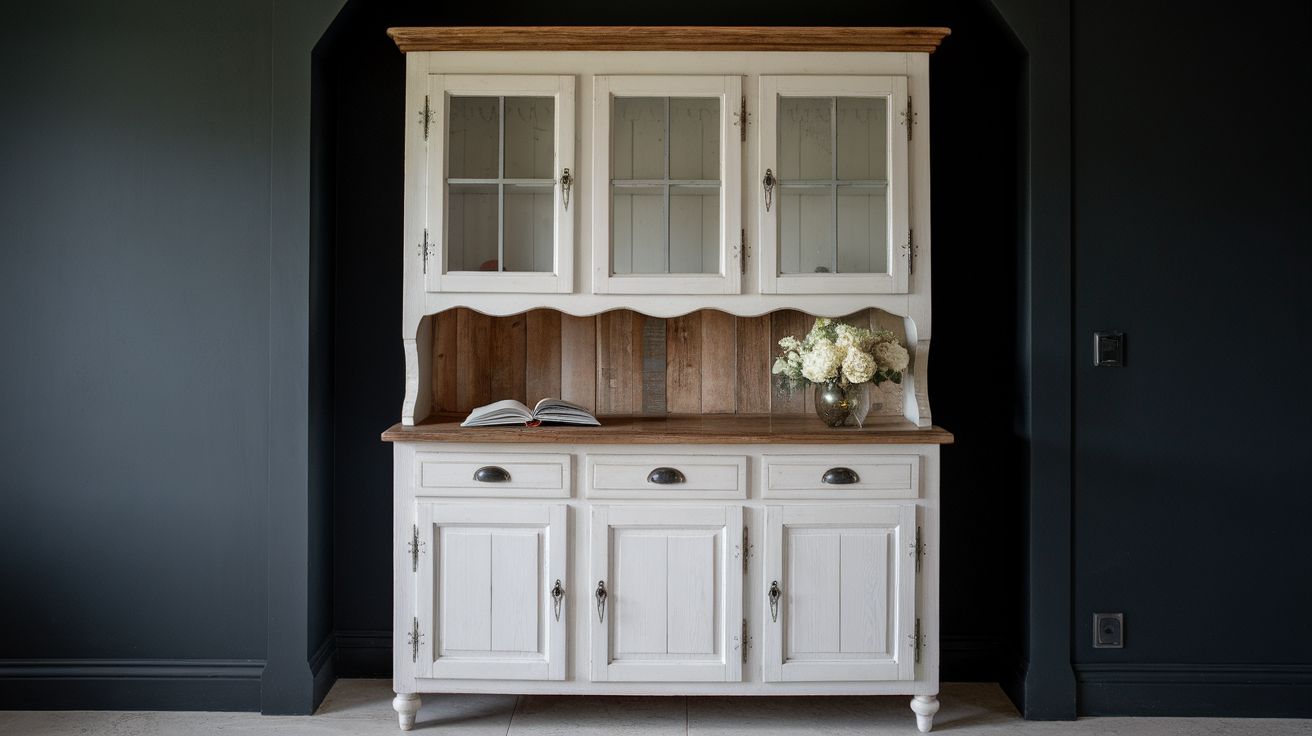
A hutch is a common word in home design, but not everyone knows exactly what it means.
It’s a term often heard when talking about furniture, yet its true purpose can seem unclear.
Many people have seen one without realizing what it’s called. The idea of a hutch has been around for a long time and continues to hold value in modern homes.
This blog looks at what the word really means and how it fits into the world of furniture.
It offers a clear and simple explanation to help readers understand the concept better.
What is a Hutch?
A hutch is a type of furniture made of two main parts: a lower base and an upper section with shelves, drawers, or cabinets.
The top area is often used for display, while the bottom offers closed storage. This design makes it both functional and decorative.
A hutch can hold a variety of items such as dishes, books, or home décor. It’s often placed in kitchens, dining rooms, or offices to keep spaces organized and stylish.
Unlike a simple cabinet, a hutch has a layered structure that combines display and storage, giving it a unique place in furniture design and everyday use.
History of the Hutch
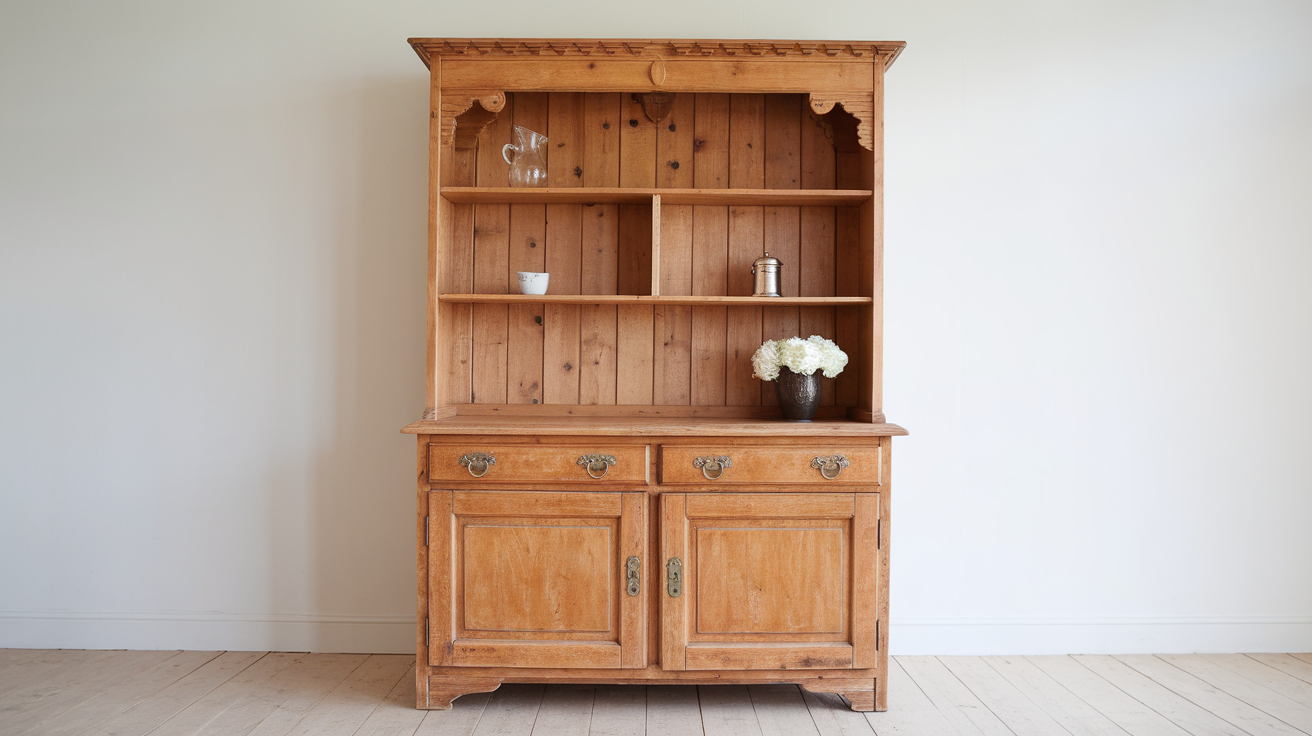
The hutch has been used for centuries as a practical way to store dishes and household items. In early homes without built-in cabinets, a hutch helped keep things organized and within reach.
The first hutches were made from solid wood with very simple designs. They usually stood in kitchens or dining spaces and held dishes, cups, and other daily essentials.
Over time, furniture makers began adding decorative details, turning the hutch into a piece that was both useful and attractive.
As the years went on, hutches became a common part of home design.
By the 20th century, they featured glass doors, lights, and carved wood, while keeping their main purpose, storage and display.
Common Materials Used in Hutches
Hutches come in many materials, each giving a different look and feel:
- Wood: Wood is the most traditional material. Common types include oak, pine, maple, and cherry. Wooden hutches can match many interior styles, from rustic to modern.
- Metal: Some modern hutches use metal frames or accents. Metal hutches work well in industrial or minimalist homes.
- Glass: Glass panels are often used in the upper part of a hutch. They let people see the items inside while keeping them protected.
- Laminate and MDF: For a budget-friendly option, many hutches are made from MDF or laminate. These materials are lightweight and easy to clean, though not as durable as solid wood.
The choice of material affects not only the look but also the strength and upkeep of the hutch. Solid wood lasts longer, while MDF and laminate are easier to clean.
Types of Hutches
There are many types of hutches, each designed for different rooms and purposes. Look at some of the most common kinds:
Kitchen Hutch
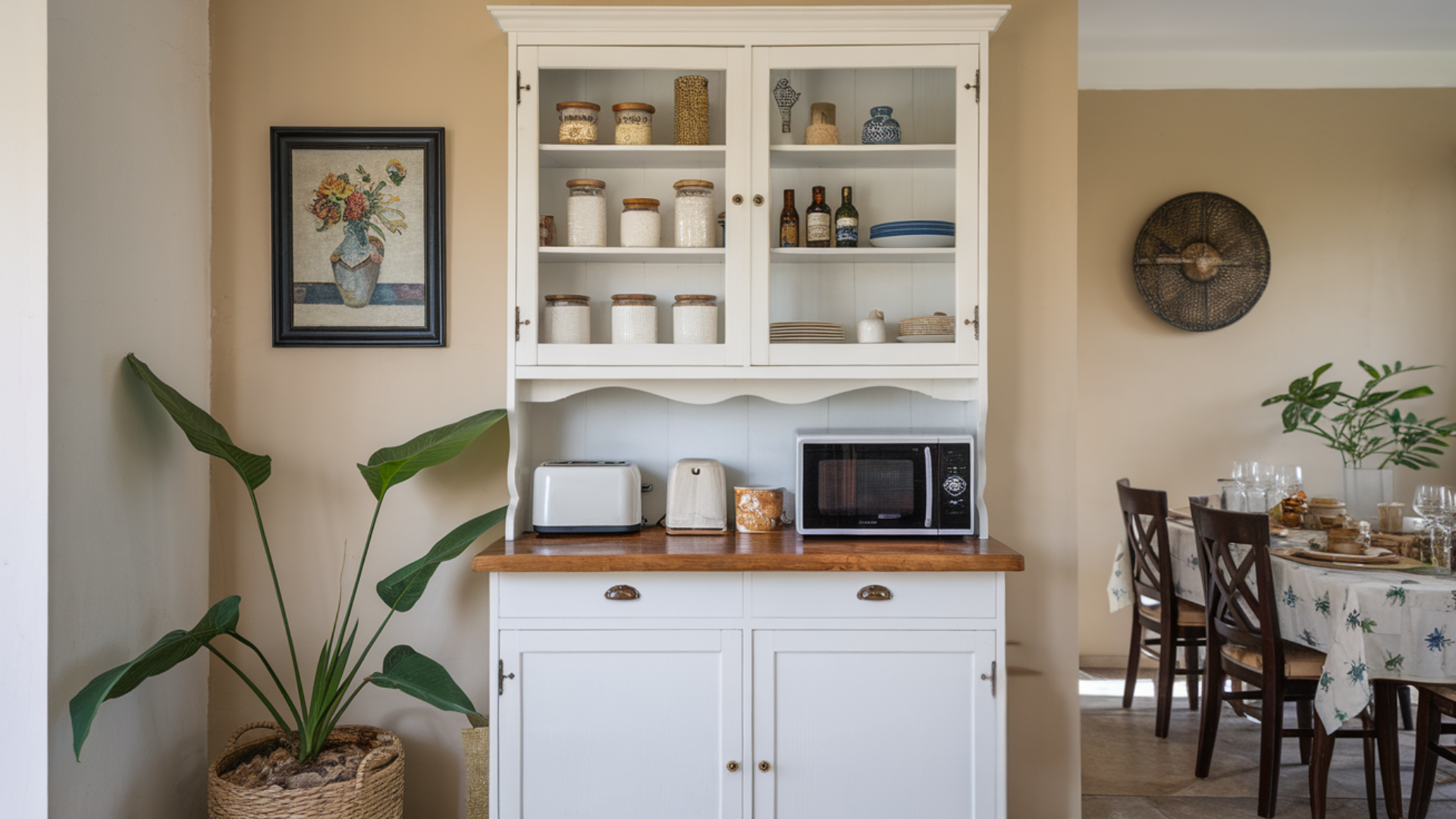
A kitchen hutch helps keep cooking spaces organized and tidy.
The top section often has open shelves or glass doors for dishes and bowls, while the lower part includes drawers or cupboards for utensils or small appliances.
Some kitchen hutches include a countertop that works as a food prep or coffee station. It adds both style and storage, making it a practical piece for daily kitchen use.
Dining Room Hutch
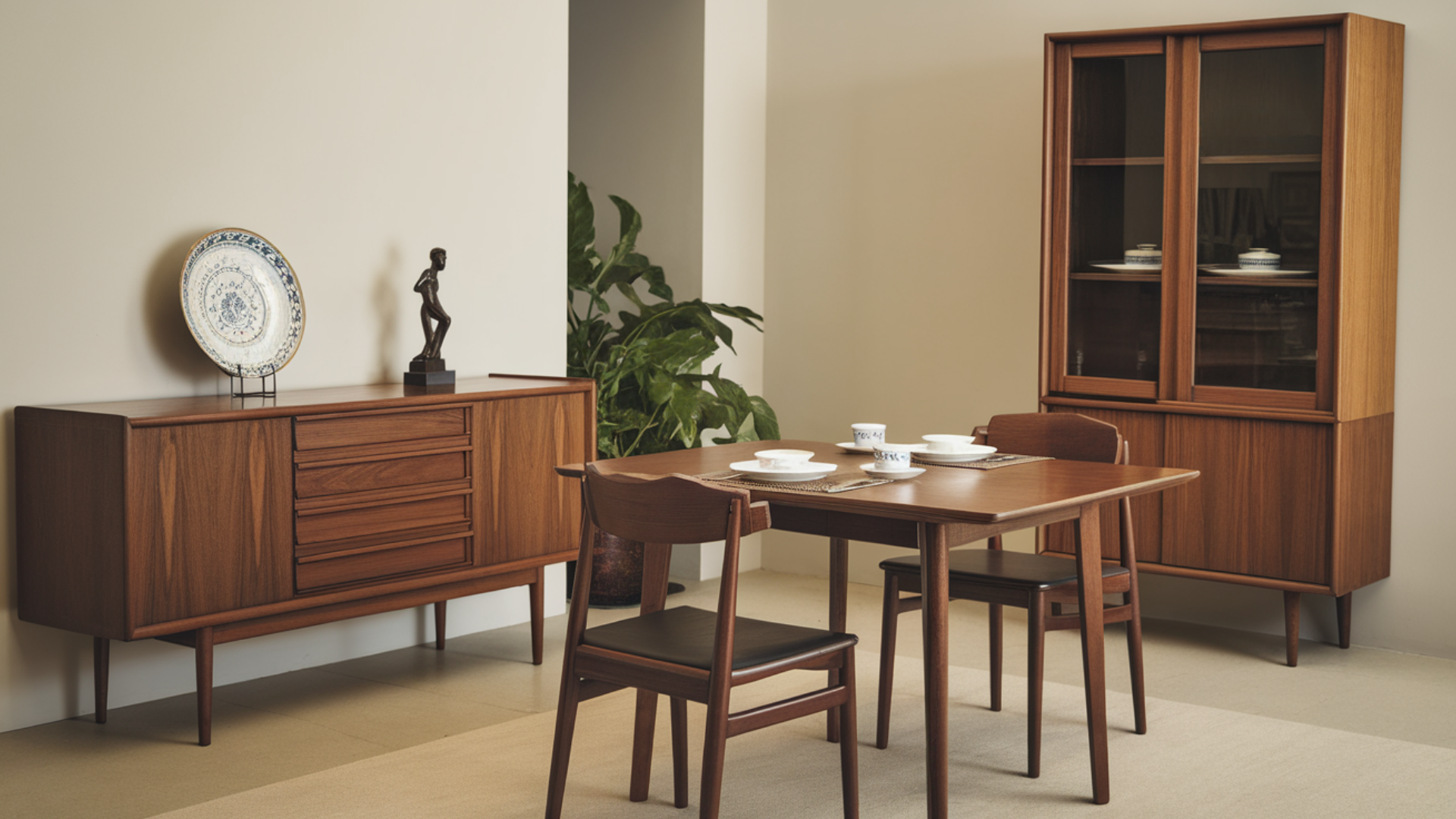
A dining room hutch is a stylish and useful piece that stores dishes, glassware, and table linens.
The top shelves often feature glass doors for displaying china or decor, while the bottom section offers closed storage.
Many include built-in lighting for added charm. A dining hutch not only keeps dining items organized but also adds beauty and warmth to the room’s overall look.
Office Hutch
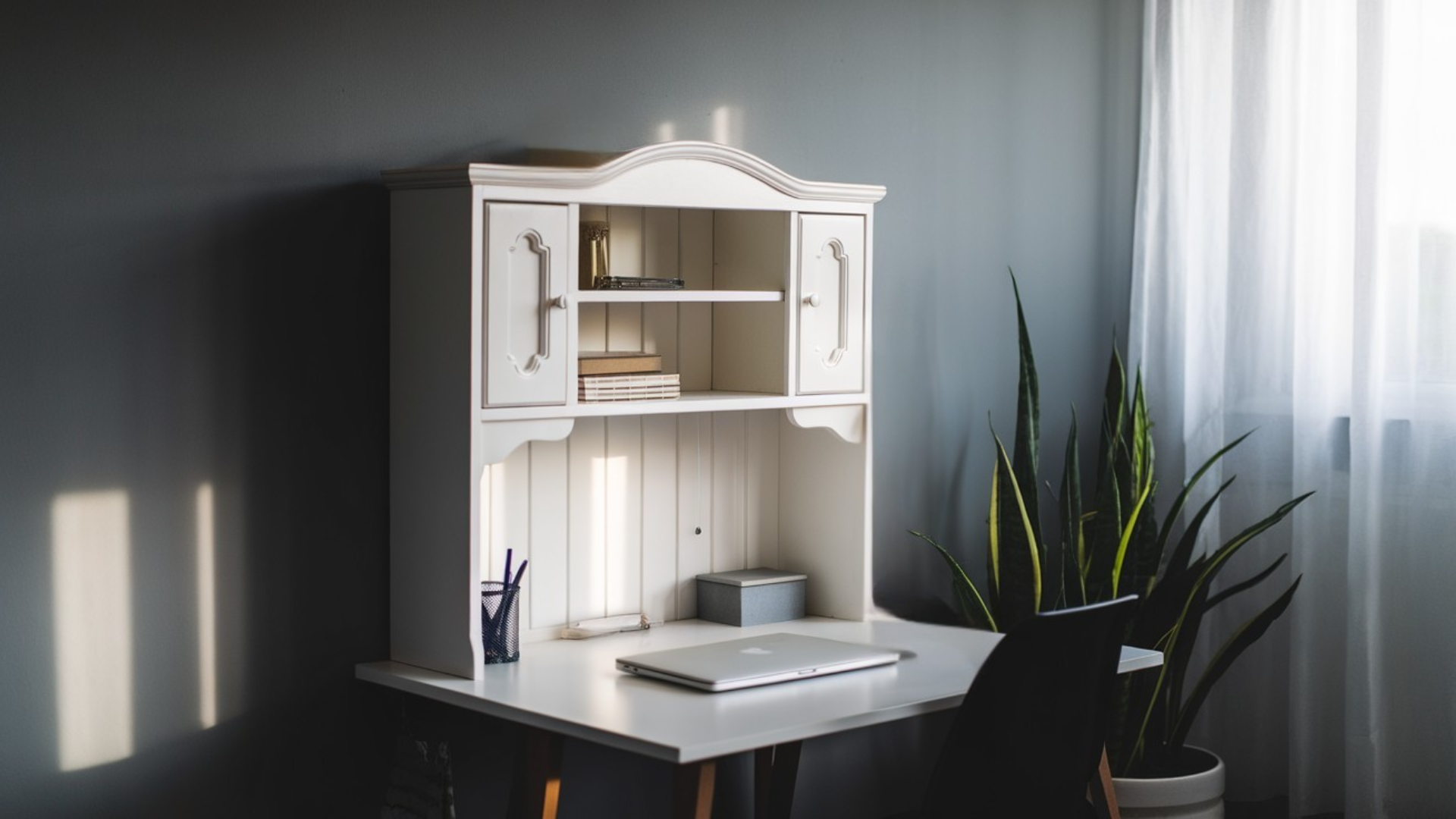
An office hutch is designed to improve workspace organization. It usually sits on a desk or credenza and includes shelves or cabinets for storing books, files, and supplies.
Some have doors for hiding clutter, while others are open for easy access.
Office hutches help maximize vertical space, making work areas neat, efficient, and visually clean without taking up extra floor space.
Bedroom Hutch
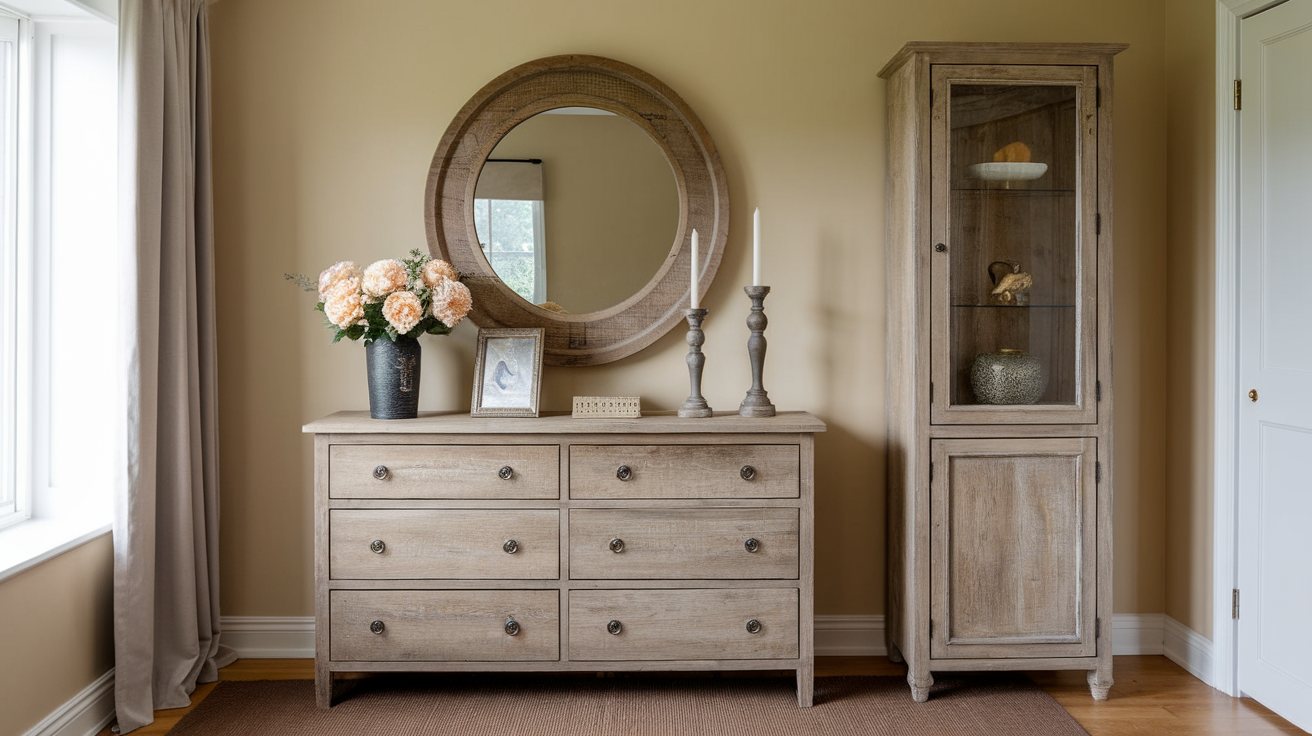
A bedroom hutch offers extra storage and display space without taking up much room.
It can be built into a dresser, desk, or entertainment center, holding items like books, décor, or accessories.
Bedroom hutches help keep personal spaces neat and stylish. Their compact design makes them ideal for smaller rooms, combining beauty and function in one practical piece of furniture.
Corner Hutch
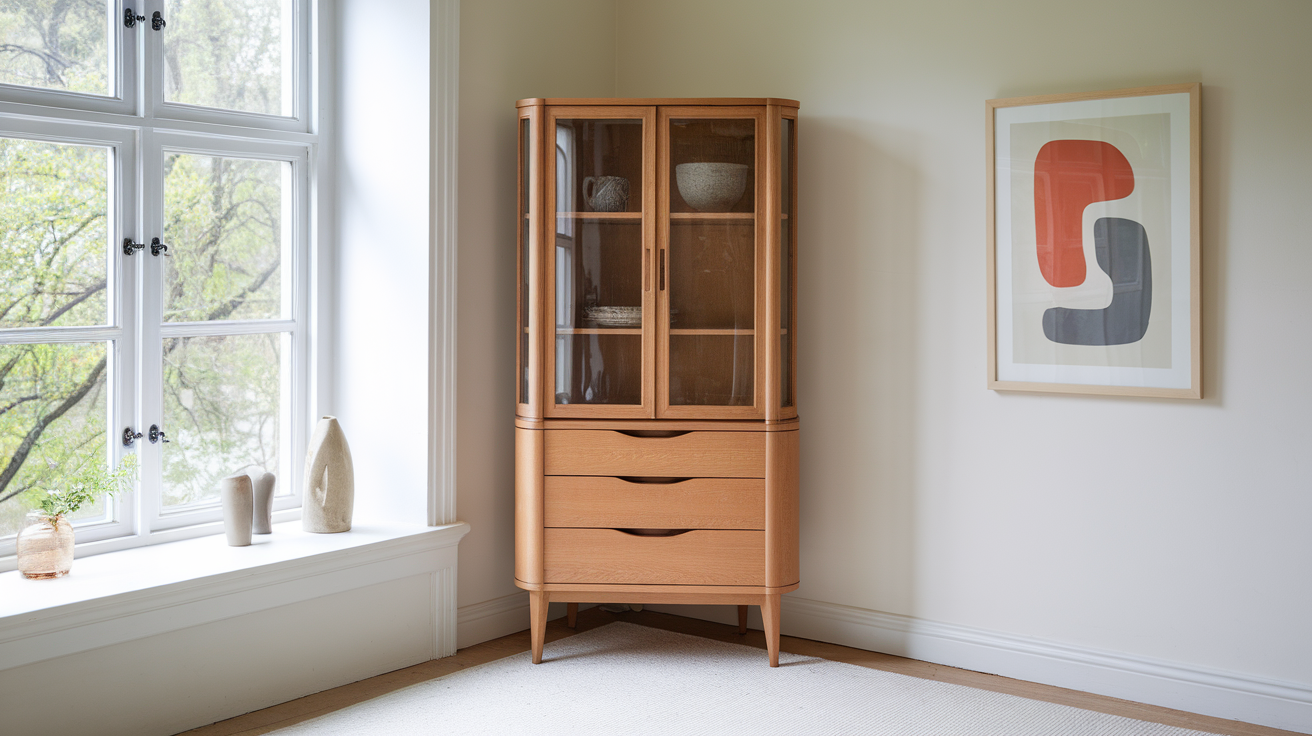
A corner hutch is made to fit neatly into unused corners, saving valuable space while adding charm.
It often features open shelves or small cabinets for displaying dishes, plants, or décor. Corner hutches work well in kitchens, dining rooms, or living areas.
Their unique shape makes them perfect for small homes or apartments where maximizing every inch matters.
Different Styles of Hutch Furniture
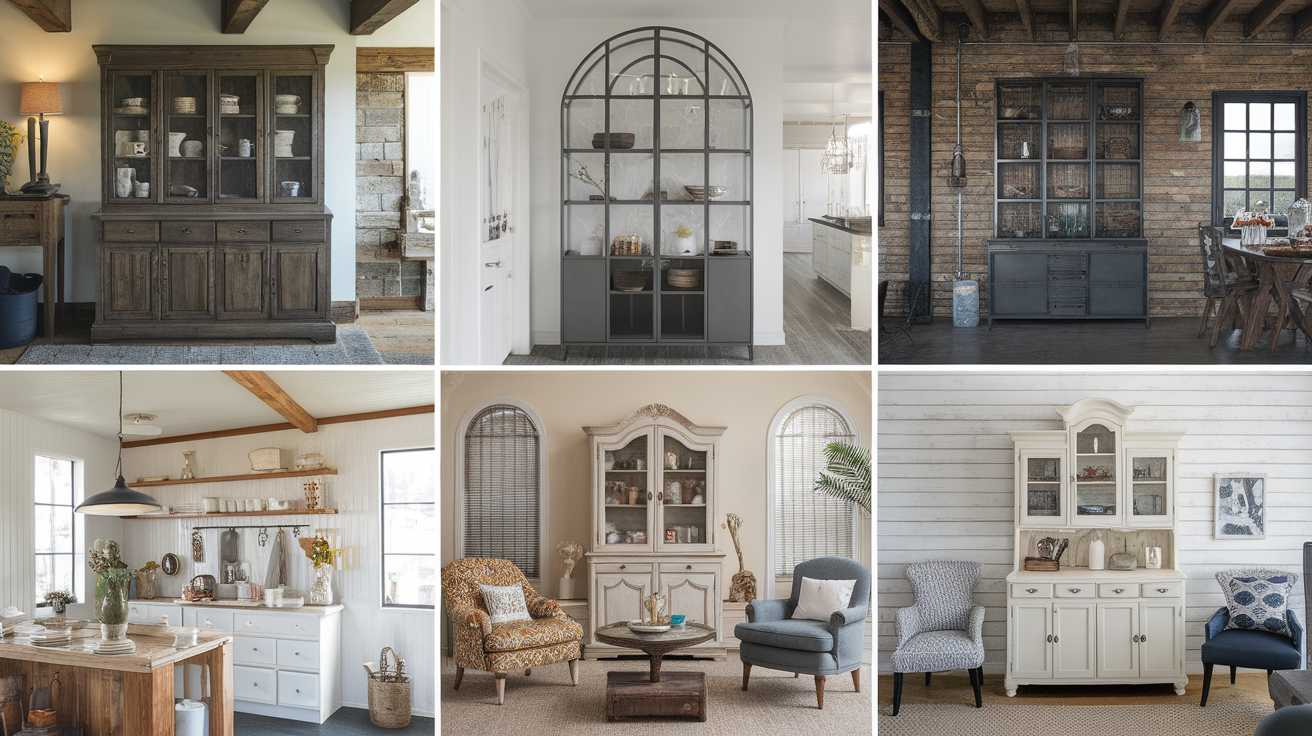
Hutch furniture comes in many styles to match different homes and tastes. Each style has its own feel, materials, and design features.
| Style | Description | Best For |
|---|---|---|
| Traditional Hutch | Made from solid wood with carved details and rich finishes. Often features glass doors and classic hardware. | Formal dining rooms or traditional home interiors. |
| Modern Hutch | Sleek design with clean lines, metal frames, or high-gloss surfaces. Focuses on simplicity and minimalism. | Contemporary or modern-style homes. |
| Rustic Hutch | Uses reclaimed or weathered wood with a natural, cozy feel. May have visible knots or a distressed look. | Farmhouse, cottage, or country-style spaces. |
| Vintage Hutch | Older pieces or reproductions with antique finishes and decorative touches. Often unique and full of character. | Homes with eclectic or classic décor. |
| Industrial Hutch | Combines wood and metal for a rugged, factory-inspired look. Often features exposed hardware and a simple structure. | Lofts, studios, or modern urban spaces. |
| Minimalist Hutch | Simple design with smooth surfaces and limited details. Focuses on clean function and open space. | Small apartments or uncluttered, airy rooms. |
Hutch vs. Cabinet: What’s the Difference?
Many people confuse hutches with cabinets, but they are not exactly the same.
A cabinet is usually a single unit with shelves or drawers. It may have doors, but it doesn’t always have a separate top section.
A hutch, on the other hand, has two parts, a lower base and an upper section. The top part may have shelves or glass doors for display, while the bottom part has storage compartments.
In short, a cabinet focuses on storage, while a hutch offers both storage and display in a single piece of furniture.
How to Choose the Right Hutch?
When picking a hutch, several factors matter:
1. Size and Space: Measure the area where you plan to place the hutch. Make sure it fits well without making the room feel crowded.
2. Material and Style: Choose a design that matches your other furniture. A wooden hutch looks classic, while a metal or glass hutch fits modern styles.
3. Purpose: Decide what you’ll use the hutch for. A kitchen hutch may need drawers and shelves, while an office hutch may need more closed storage.
4. Storage Needs: Look for the right mix of open and closed areas. Open shelves are great for display, while closed ones keep clutter out of sight.
5. Quality: A sturdy hutch made from good materials will last longer. Check the hinges, drawers, and shelves for solid construction.
Conclusion
A hutch is more than just a piece of furniture; it’s a mix of function and style. It helps organize spaces, display favorite items, and bring warmth to any room.
From kitchens to offices, its design adapts to different needs and styles.
Choosing the right hutch adds both purpose and beauty to a home, making it feel complete.
If you’re planning to buy one, take time to find a design that fits your space and matches your lifestyle.