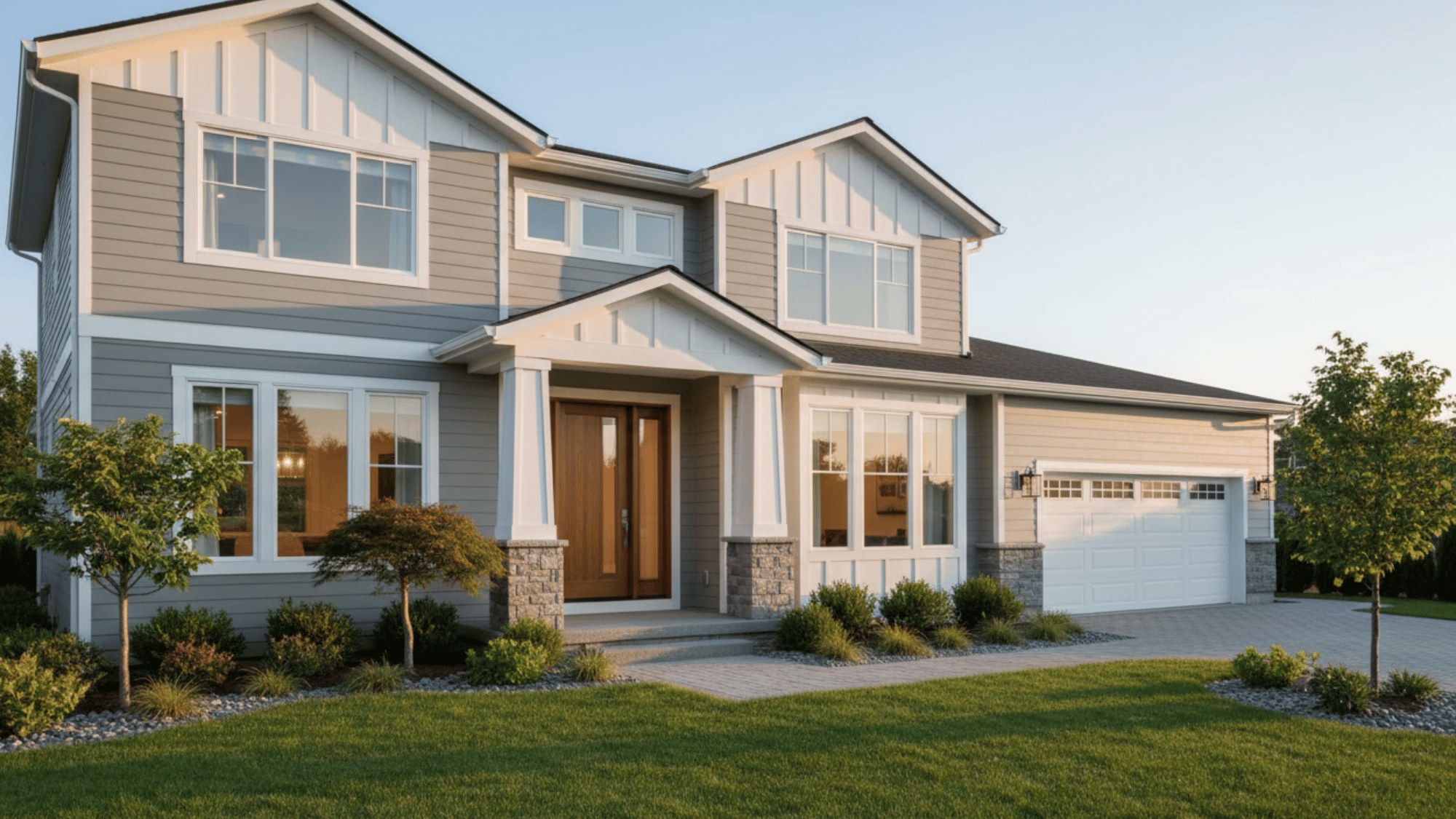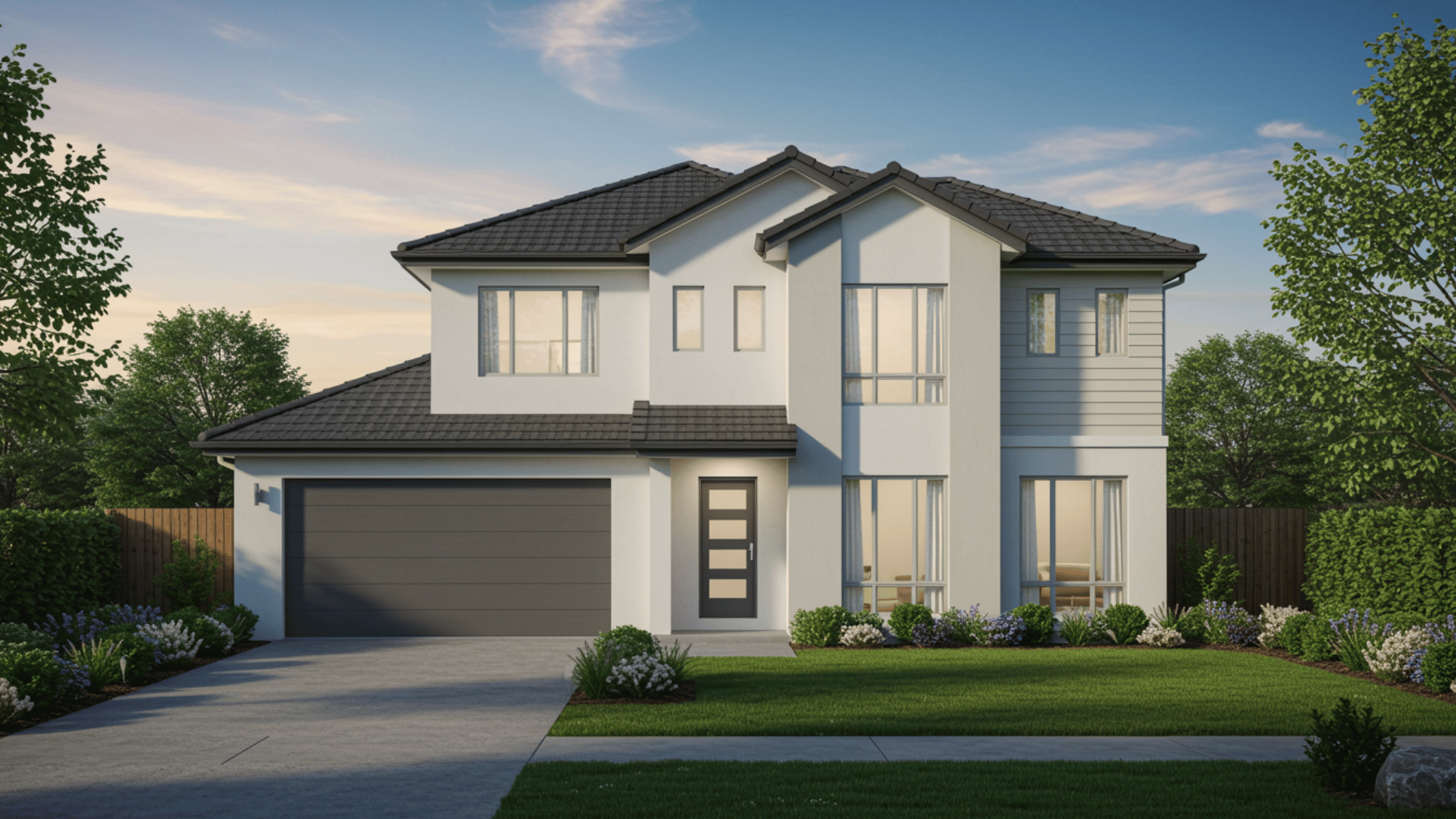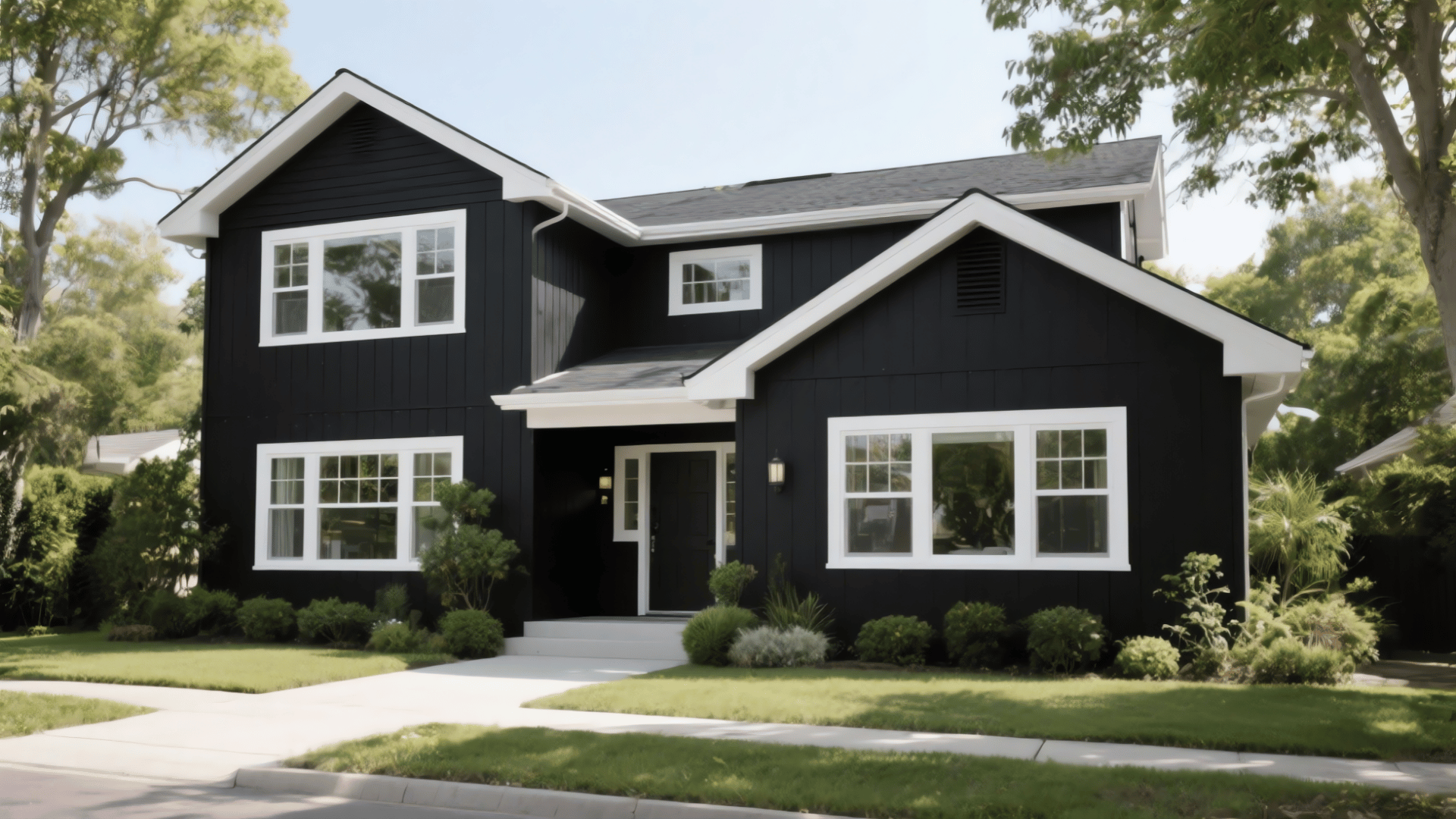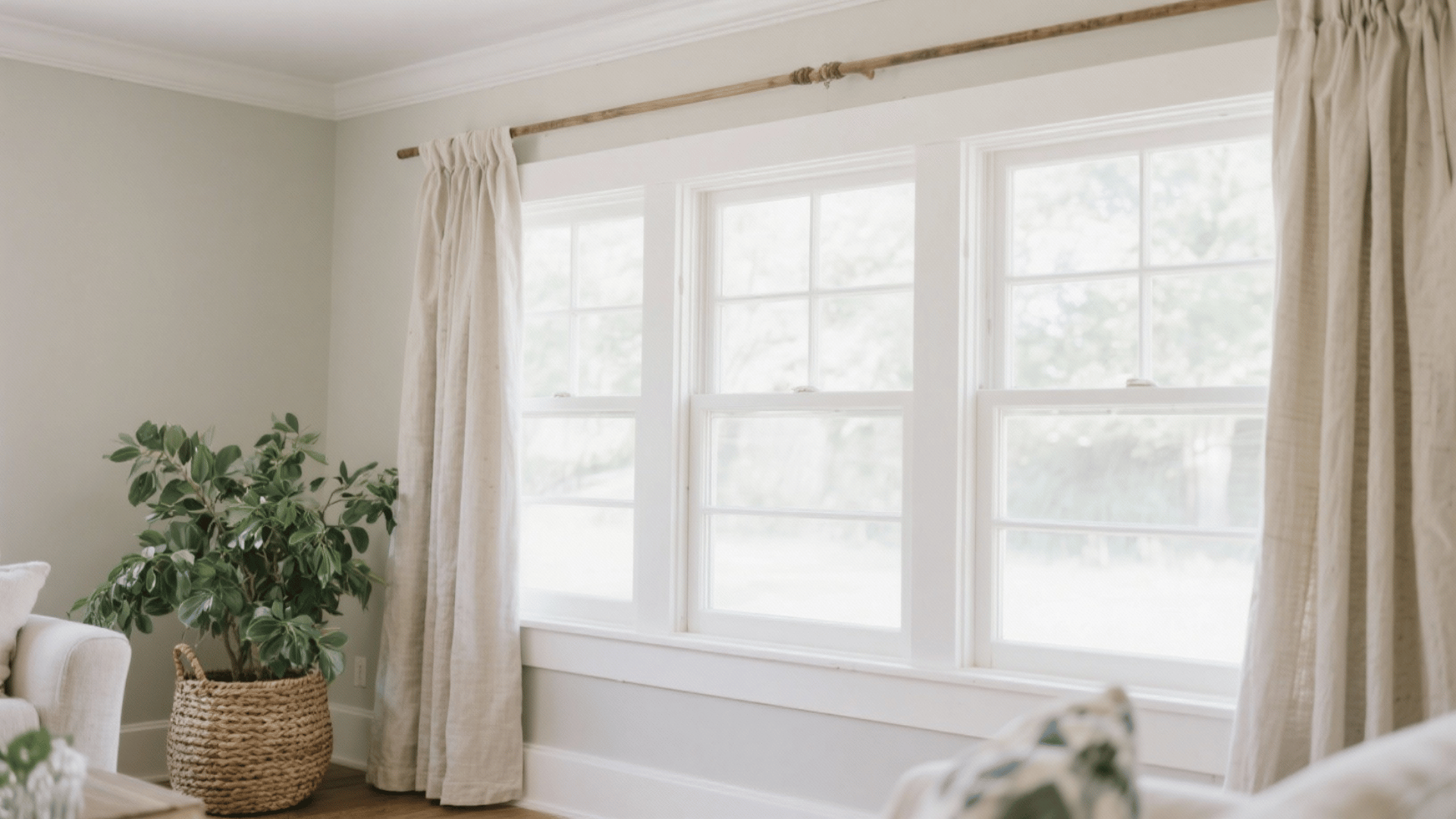
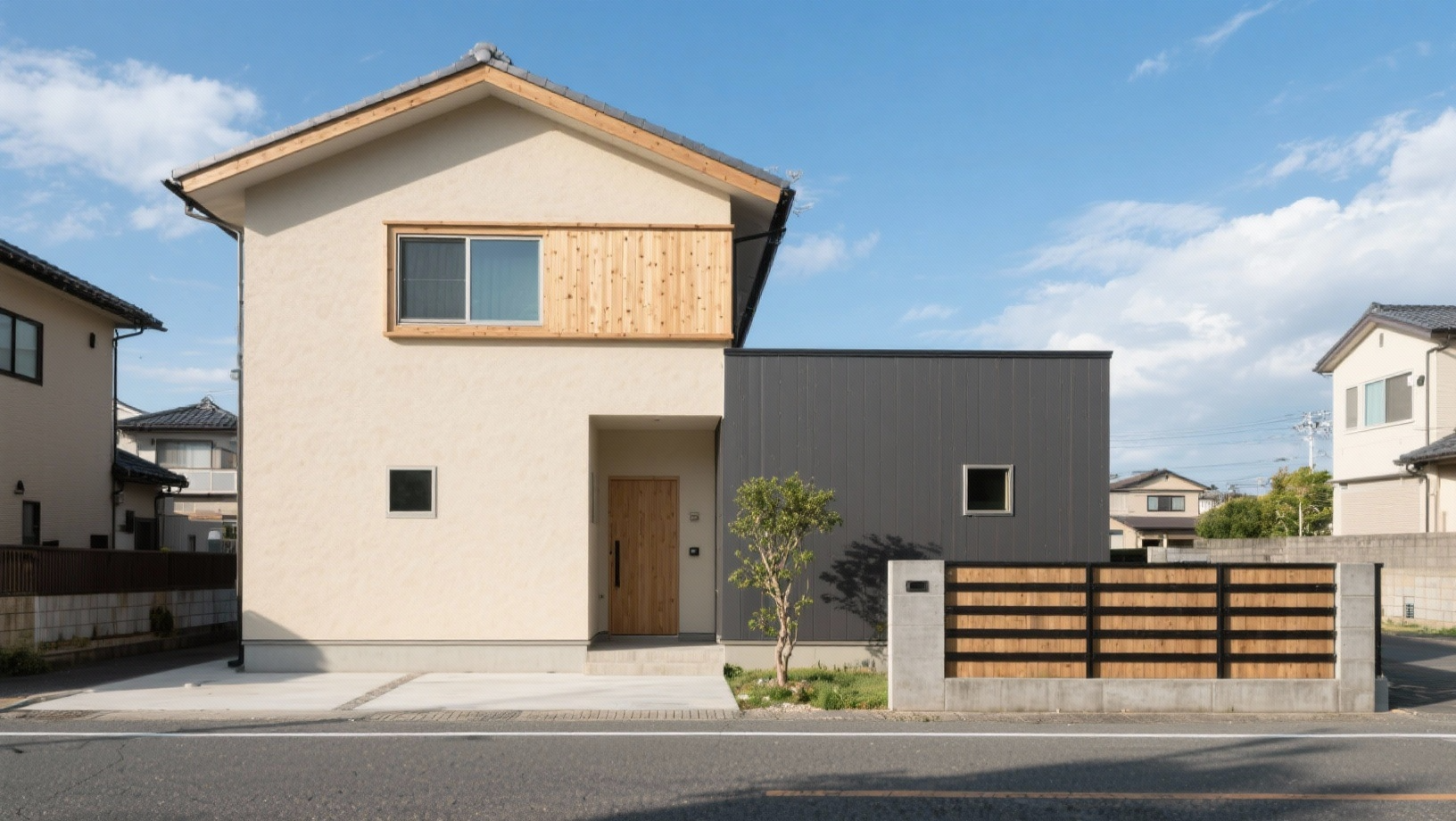
Looking for home design inspiration that blends tradition with modern living?
Modern Japanese house architecture merges time-honored principles with contemporary innovation, creating harmonious living spaces.
These structures demonstrate how minimalist approaches generate spacious feelings even within tight urban footprints while preserving vital connections to the natural world.
Modern Japanese house design validates that purposeful restraint creates beauty when each component serves a clear function, amplifying its overall aesthetic.
Understanding the Modern Japanese House
A modern Japanese house fuses ancestral design intelligence with current building materials, technologies, and lifestyle patterns that serve today’s families authentically.
These residences typically showcase flowing layouts, generous daylight penetration, and effortless interior-exterior relationships impossible in historical constructions from eras.
The design emphasizes seismic safety, thermal performance, and versatile spaces accommodating diverse activities throughout daily cycles and seasonal changes.
Precise geometric volumes, subdued chromatic schemes, and liberal wood-concrete-glass applications characterize the vocabulary, feeling ageless and distinctly present-day.
Exterior Styling in Modern Japanese Houses
Modern Japanese houses mix minimalist style with traditional elements, creating distinctive exteriors that balance simplicity and smoothness.
1. Minimalist Facade Design
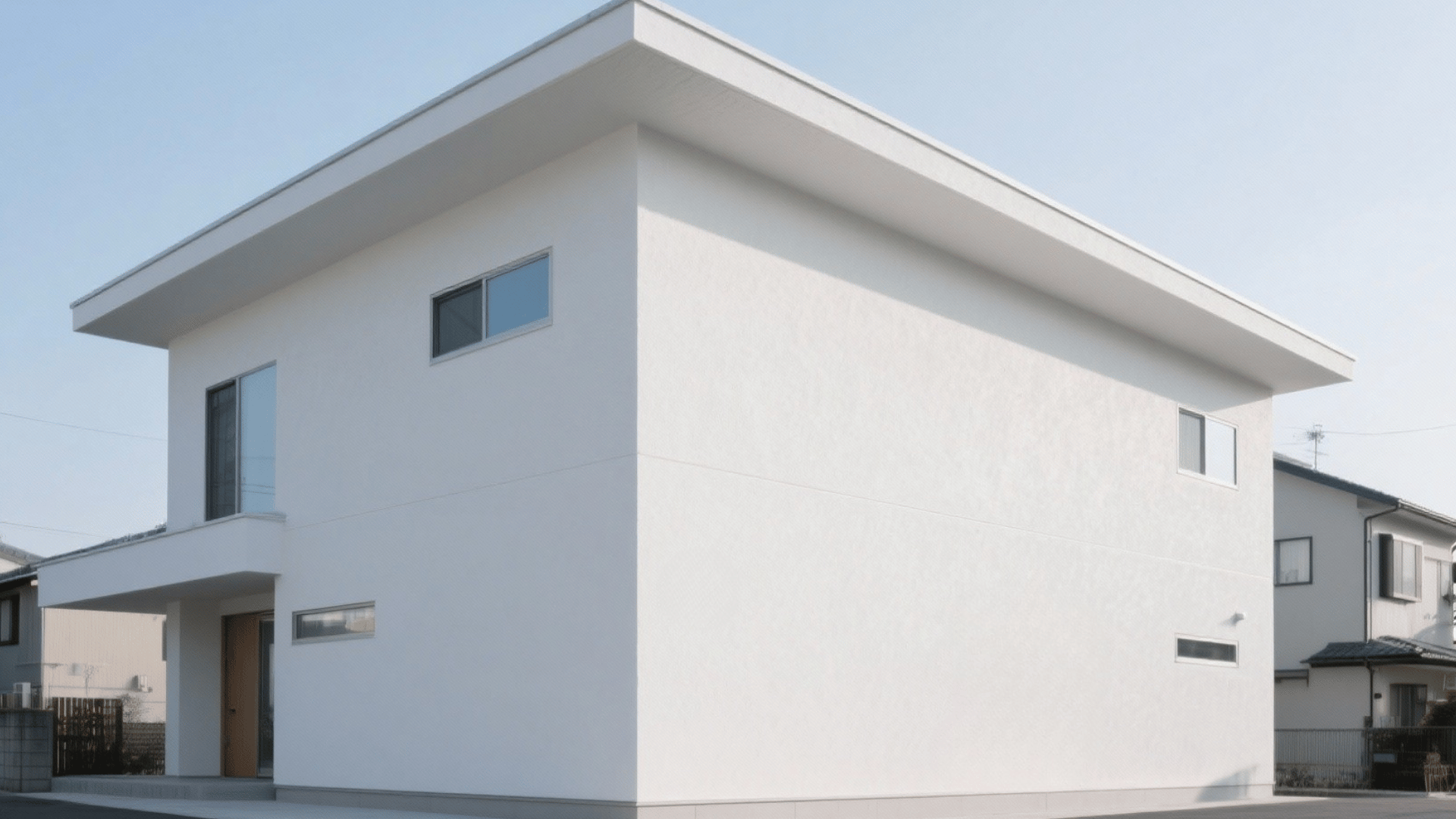
Modern Japanese house exteriors embrace clean, unadorned surfaces that eliminate decorative elements in favor of pure geometric forms and material beauty.
Flat or gently sloped rooflines create strong horizontal emphasis that grounds structures while making them appear larger than their actual square footage.
The restrained approach uses limited materials like wood siding, concrete panels, or white stucco applied consistently across entire facades.
2. Grey Wood Exterior Cladding
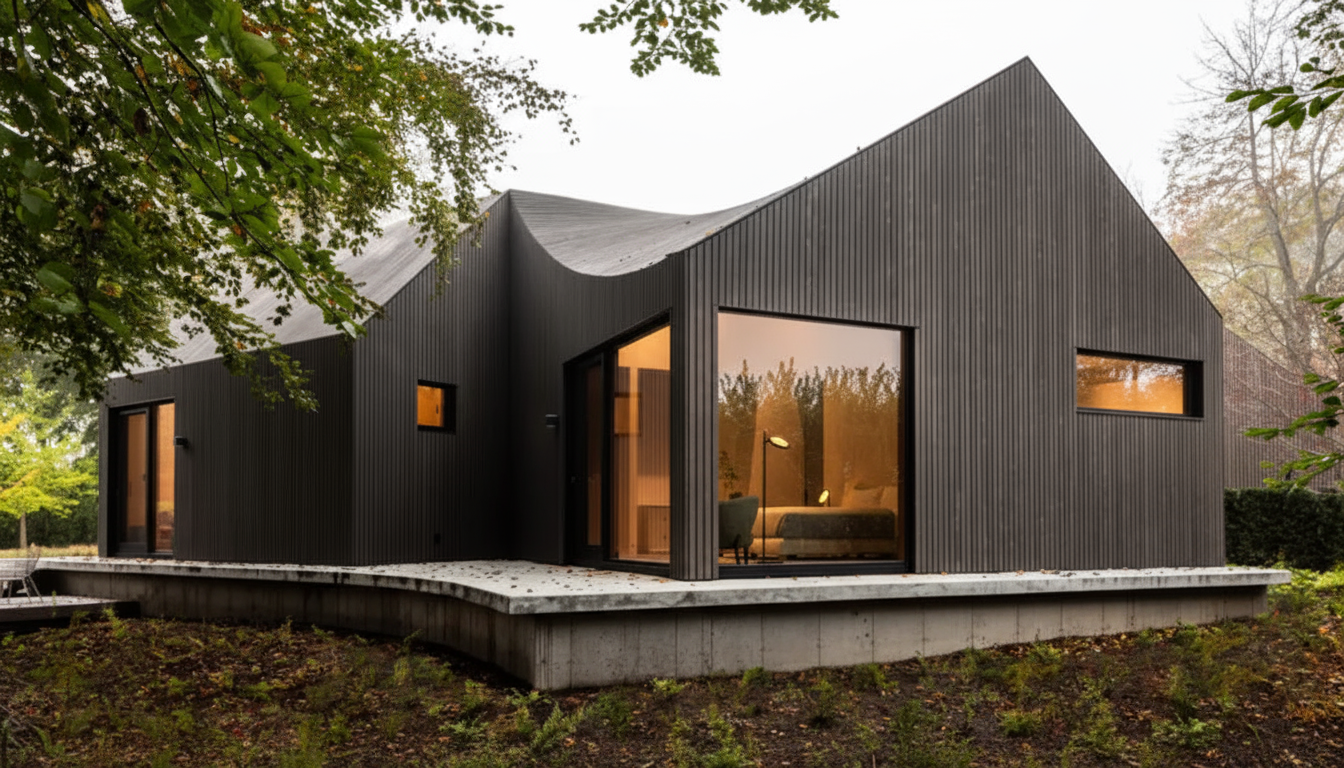
Vertical or horizontal wood planks cover exterior walls, celebrating natural grain patterns while providing insulation and weather protection that ages beautifully.
Japanese structures favor woods like cedar, cypress, or larch that develop silver-gray patina over time rather than requiring constant painting or staining.
The natural weathering process creates organic color variations and textures that improve with age rather than looking worn or neglected.
3. Large Glass Walls and Windows
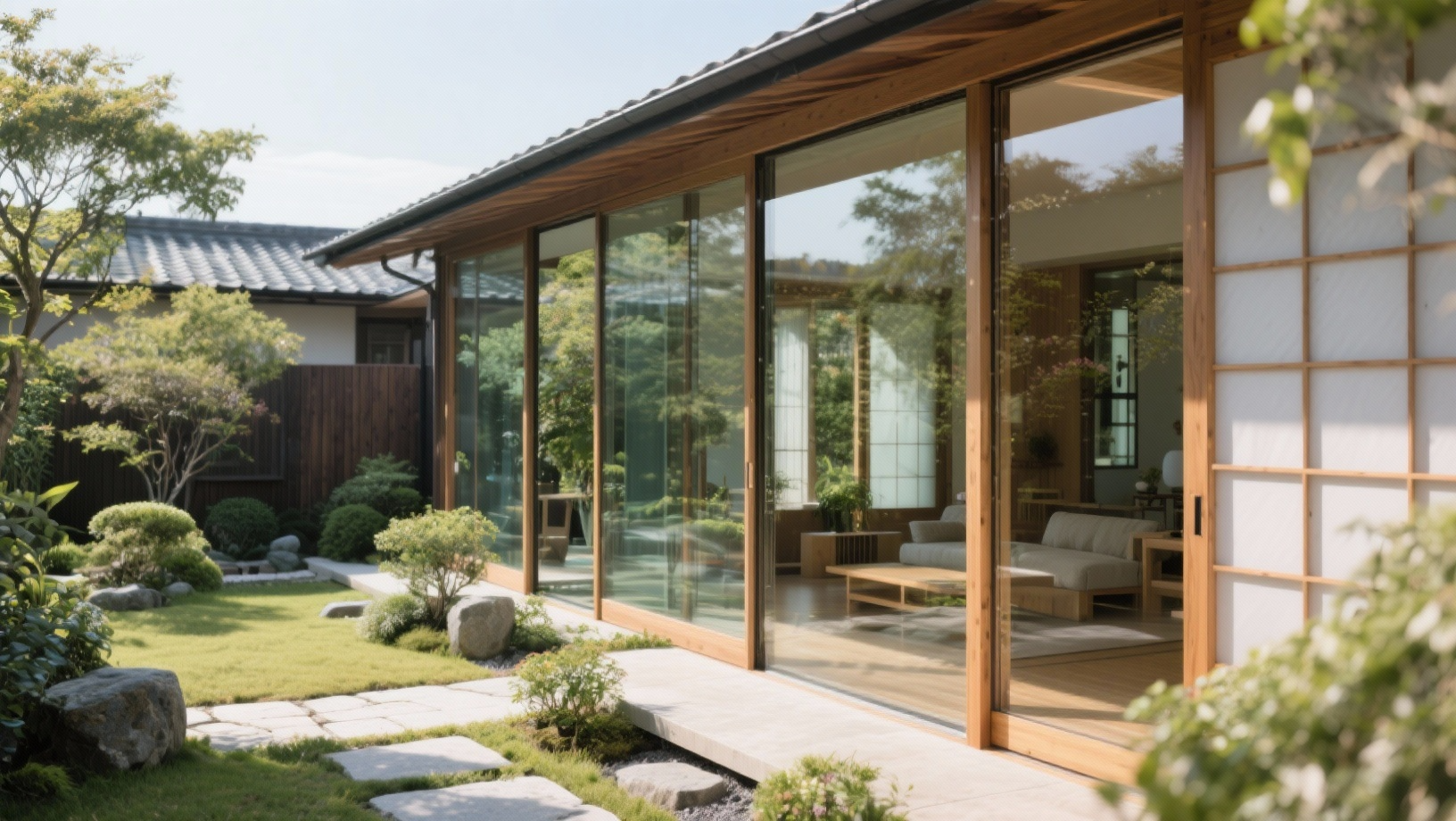
Floor-to-ceiling glass panels blur boundaries between interior and exterior spaces, inviting natural light deep into homes while framing garden views.
These expansive windows often face private courtyards or rear gardens rather than front streets, maintaining privacy while maximizing natural illumination.
High-performance glazing provides insulation and UV protection without sacrificing transparency, which makes rooms feel open and connected to their surroundings.
4. Compact Entry Gardens
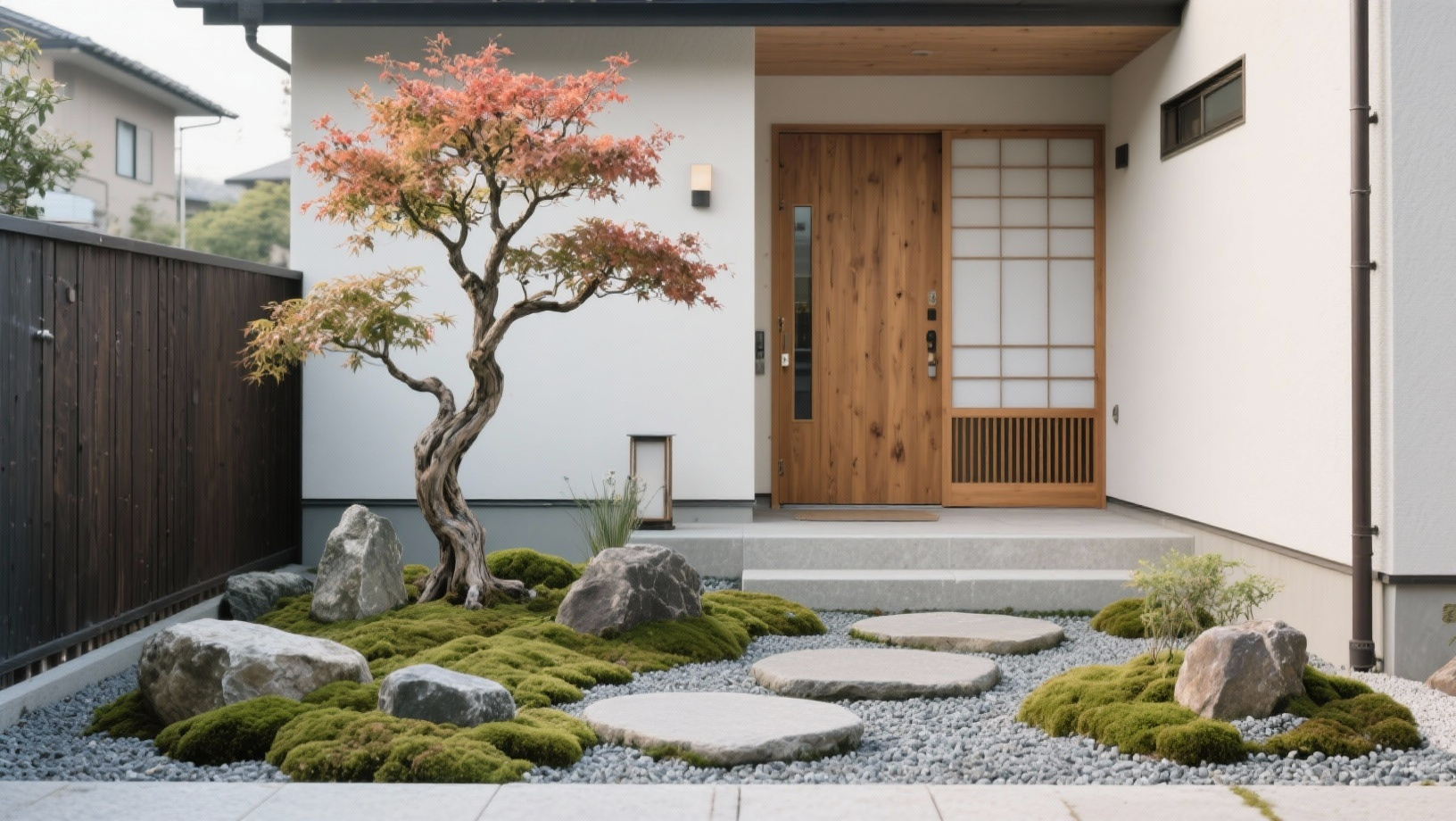
Small landscaped areas immediately outside entrances create transitional zones between public streets and private interior spaces, following traditional genkan concepts.
These miniature gardens might contain a single sculptural tree, carefully placed rocks, or minimal plantings that provide natural beauty in constrained spaces.
The entrance garden serves practical purposes by creating buffer zones that improve privacy while offering pleasant views from interior windows year-round.
5. Floating Roof Structures
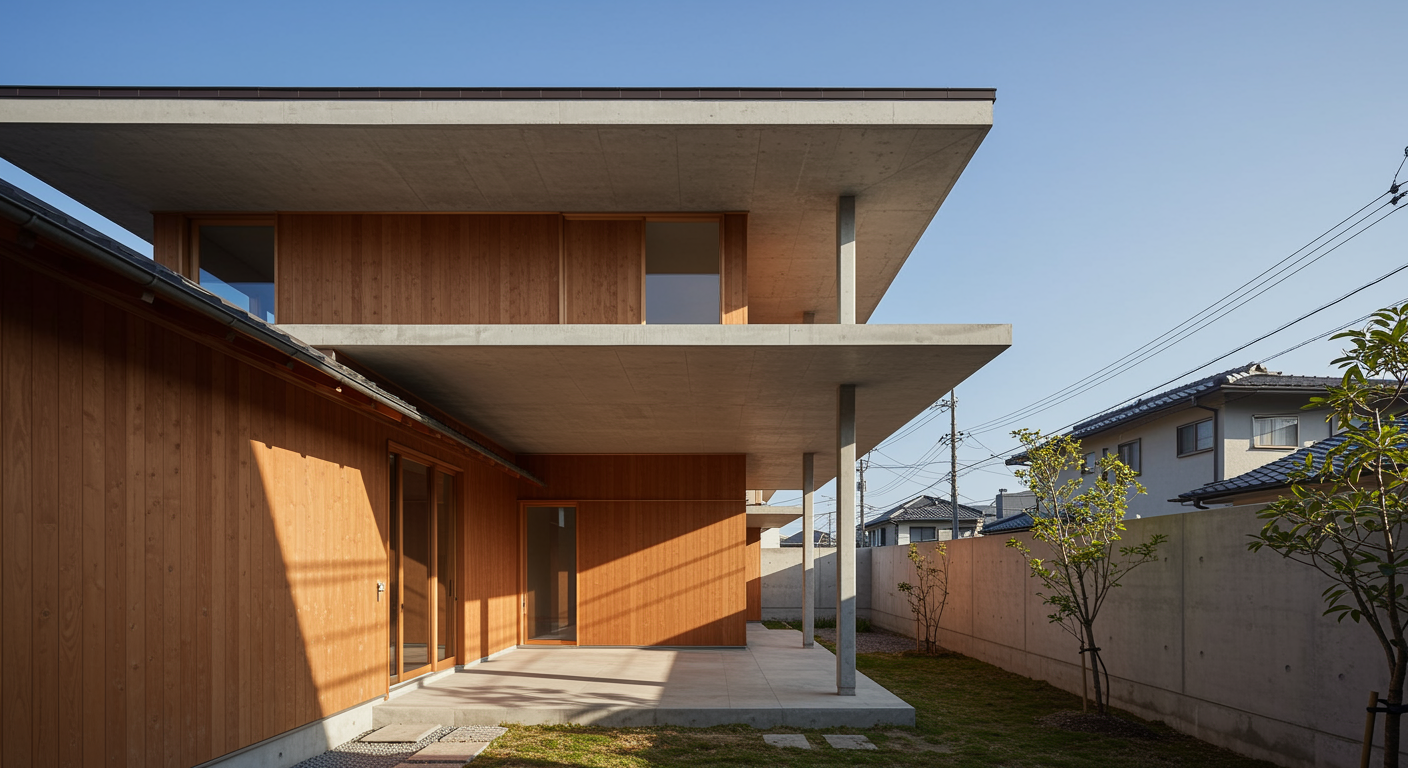
Rooflines appear to hover above walls through deliberate gaps or minimal support columns, creating visual lightness despite substantial construction below.
This structure technique allows natural light to enter from unexpected angles while emphasizing the roof as a separate design element.
The floating effect makes buildings appear less massive and more approachable while creating interesting shadow patterns that change throughout the day.
6. Privacy Screening Systems
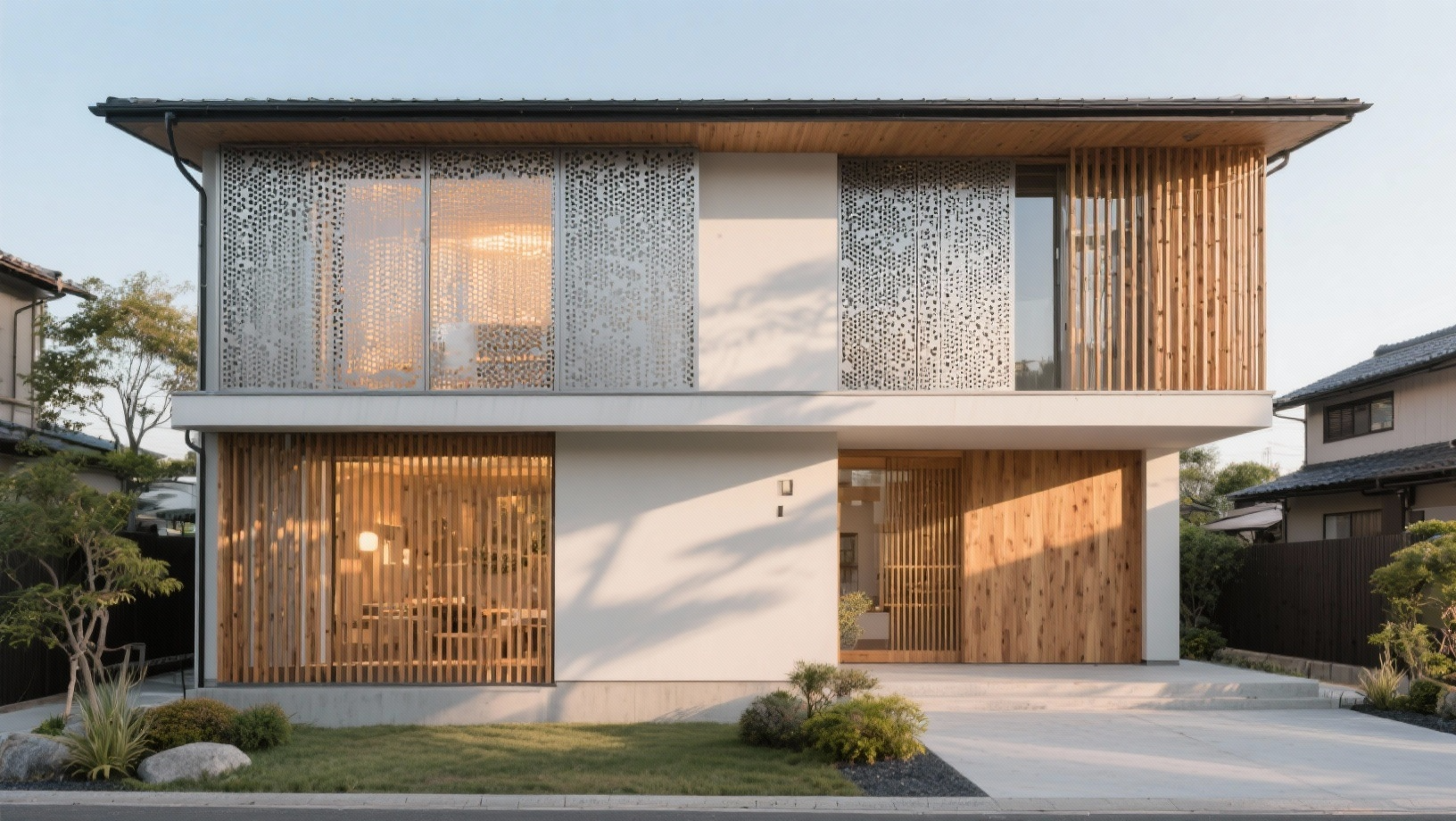
Vertical wood slats, perforated metal panels, or translucent screens shield windows and outdoor spaces from neighbors while allowing air circulation and filtered light.
These screening elements add texture and depth to flat facades while serving essential functions in dense residential areas where privacy matters.
The screens create layered views that reveal glimpses of interior spaces without full exposure, maintaining the mystery and reserve valued in Japanese culture.
Interior Styling in Modern Japanese Houses
Japanese residential interiors blend style and functionality, creating serene spaces that honor tradition while embracing contemporary living.
7. Open-Plan Living Areas
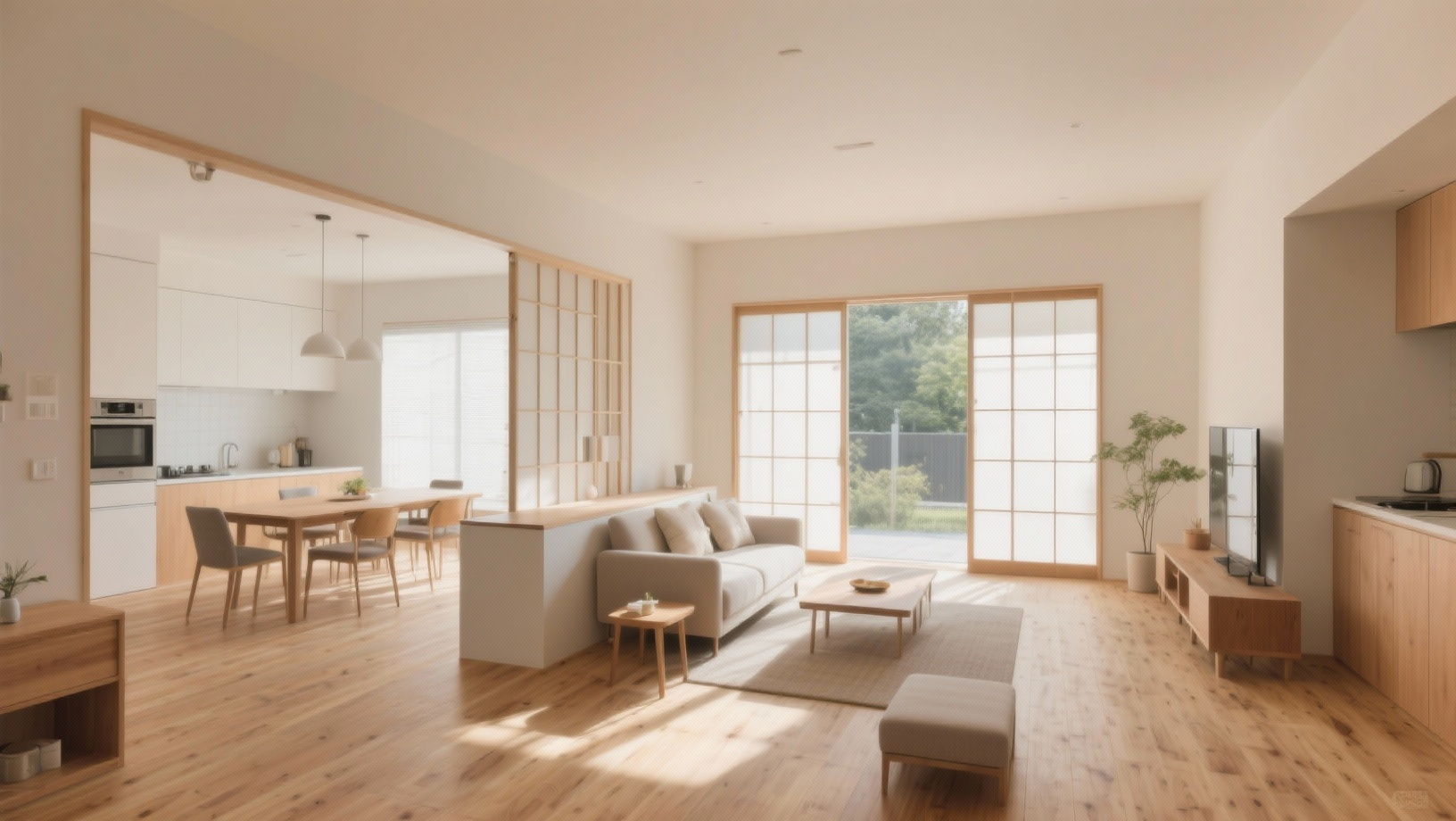
Modern Japanese house interiors eliminate walls between living, dining, and kitchen spaces, creating flowing areas that accommodate various family activities simultaneously.
The open layout maximizes natural light penetration throughout the home while making compact spaces feel significantly larger than their actual measurements.
Subtle level changes, partial dividers, or furniture placement define different zones without blocking sightlines or restricting movement between areas.
8. Minimalist Kitchen Design
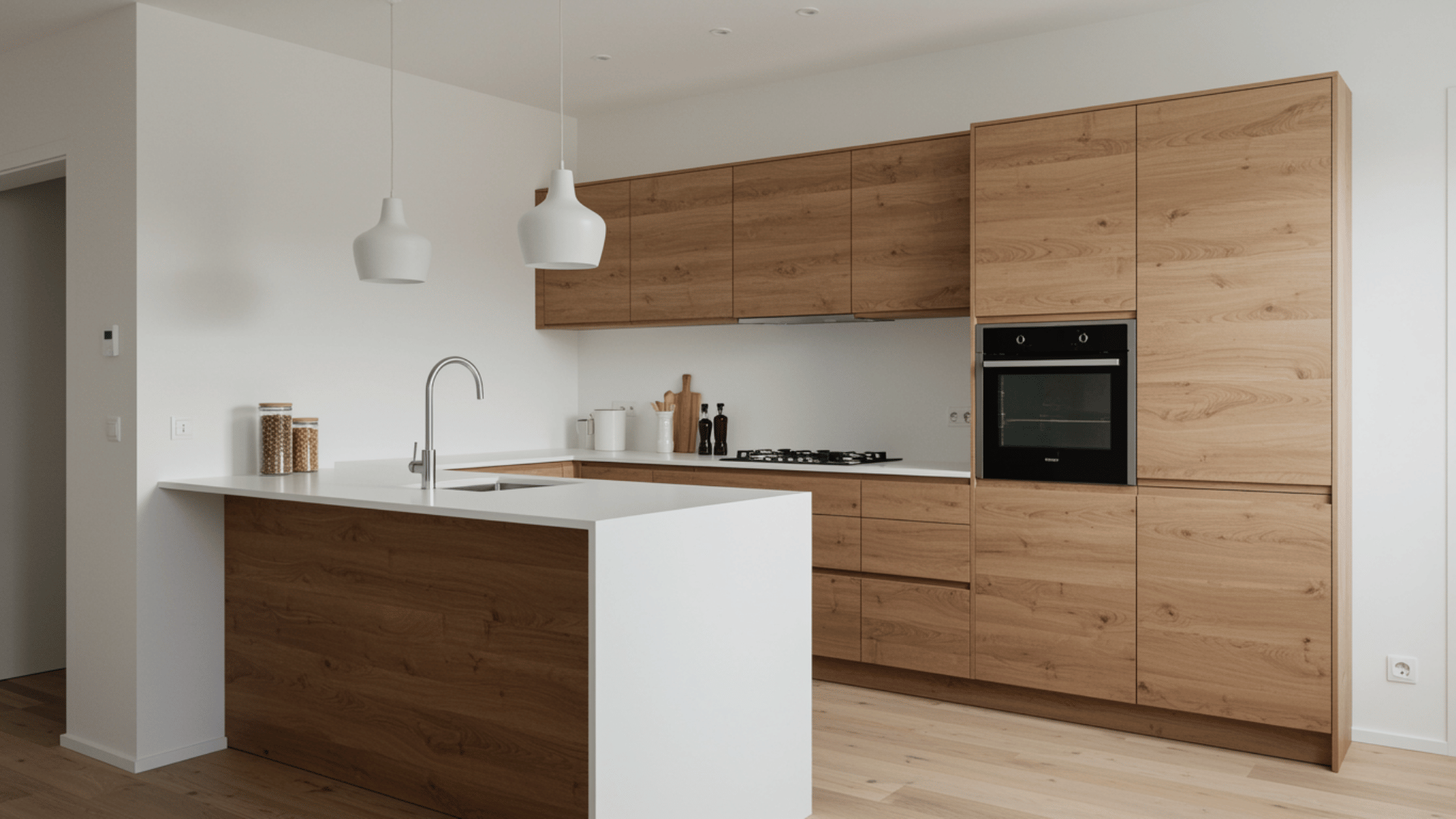
Contemporary kitchens feature flat-panel cabinets, concealed storage, and integrated appliances that blend seamlessly into surfaces, eliminating visual clutter and complexity.
Natural wood cabinetry or matte white finishes dominate, with minimal hardware and clean horizontal lines creating calm, organized cooking environments.
Islands or peninsula counters often separate kitchens from living areas while maintaining visual connection and conversation flow between spaces.
9. Flexible Dining Spaces
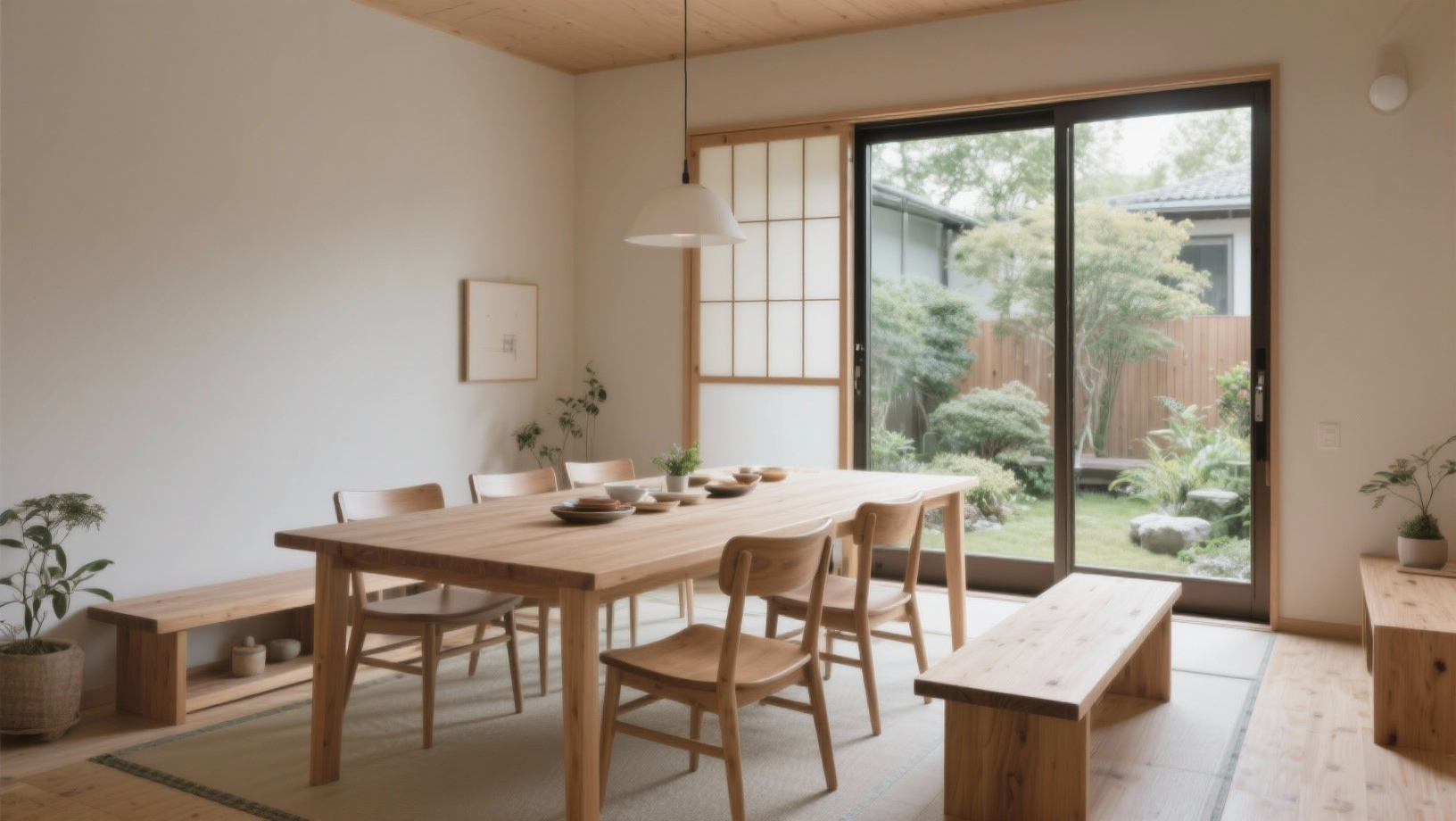
Dining areas transition easily between intimate family meals and larger gatherings through movable furniture and multipurpose layouts that adapt to needs.
Simple wood tables with clean-lined chairs or benches allow seating configurations to change without requiring furniture storage or rearranging the room.
Large windows or glass doors adjacent to dining areas connect meals to garden views, changing seasons, and natural light cycles.
10. Tatami Room Preservation
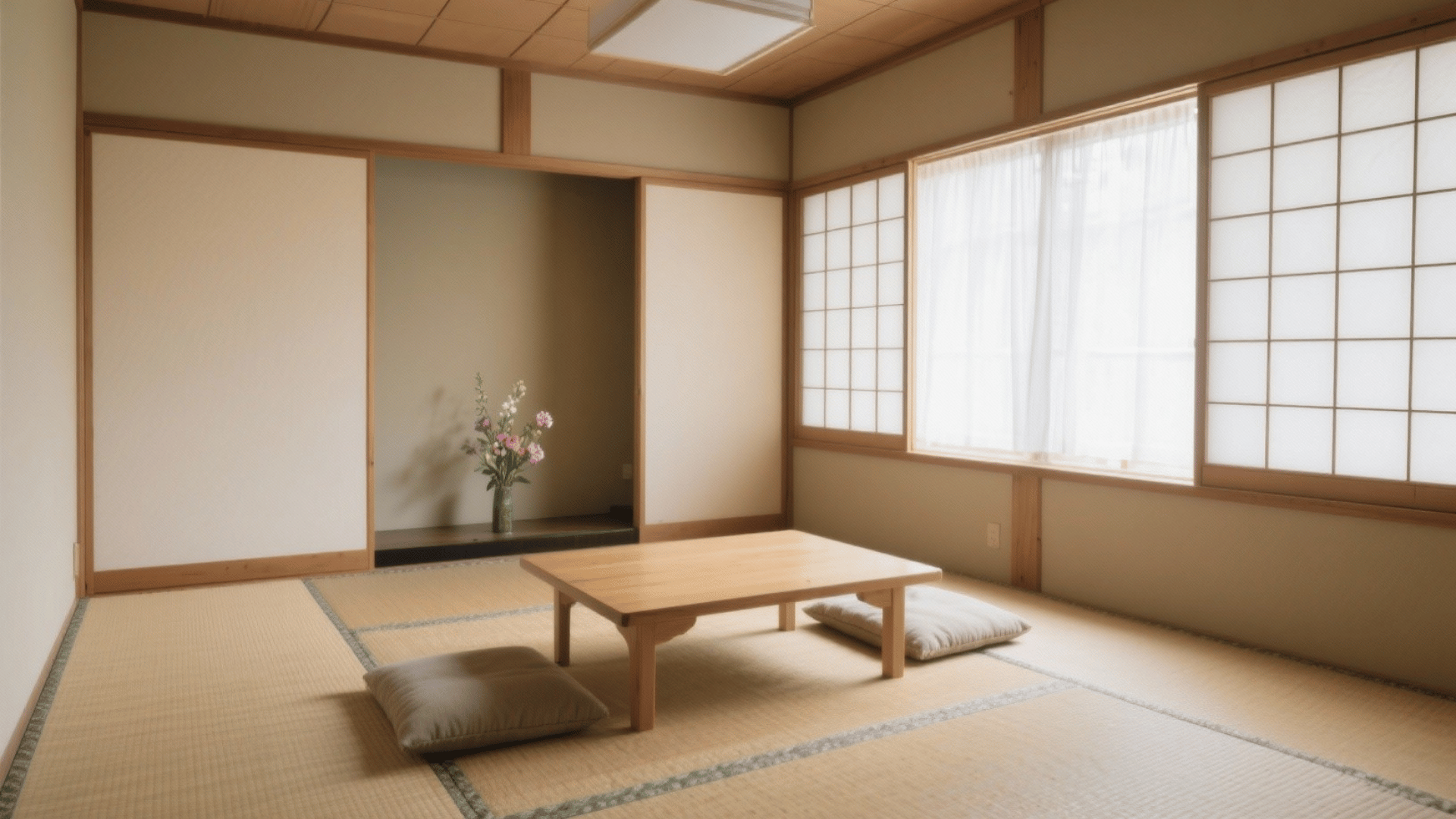
Many modern homes include one traditional tatami-mat room for meditation, tea ceremonies, sleeping, or hosting guests in an authentic Japanese style.
These rooms often feature sliding fusuma doors, built-in storage, and minimal furnishings that maintain historical practices within contemporary structures.
The tatami space serves as a cultural anchor, reminding families of their heritage while providing a versatile area that functions differently from Western-style rooms.
11. Bathroom Wet Room Design
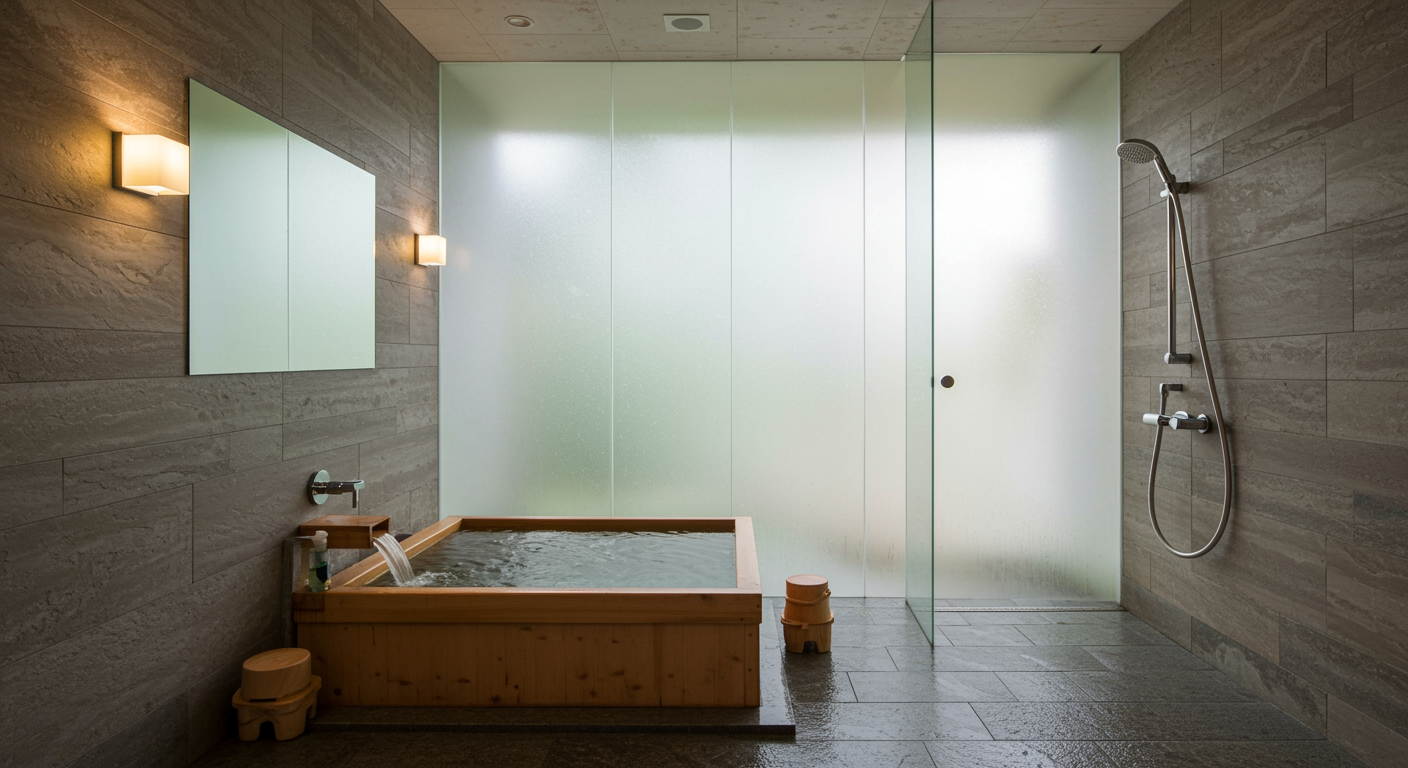
Japanese bathrooms separate toilet rooms from bathing areas, with the latter featuring waterproof construction that allows easy room washing and cleaning.
Deep soaking tubs, often made from hinoki cypress or modern materials, provide relaxation space after thorough washing at separate shower stations.
The wet room approach means floors, walls, and fixtures handle water exposure without damage, simplifying maintenance while enabling thorough cleaning.
12. Bedroom Simplicity
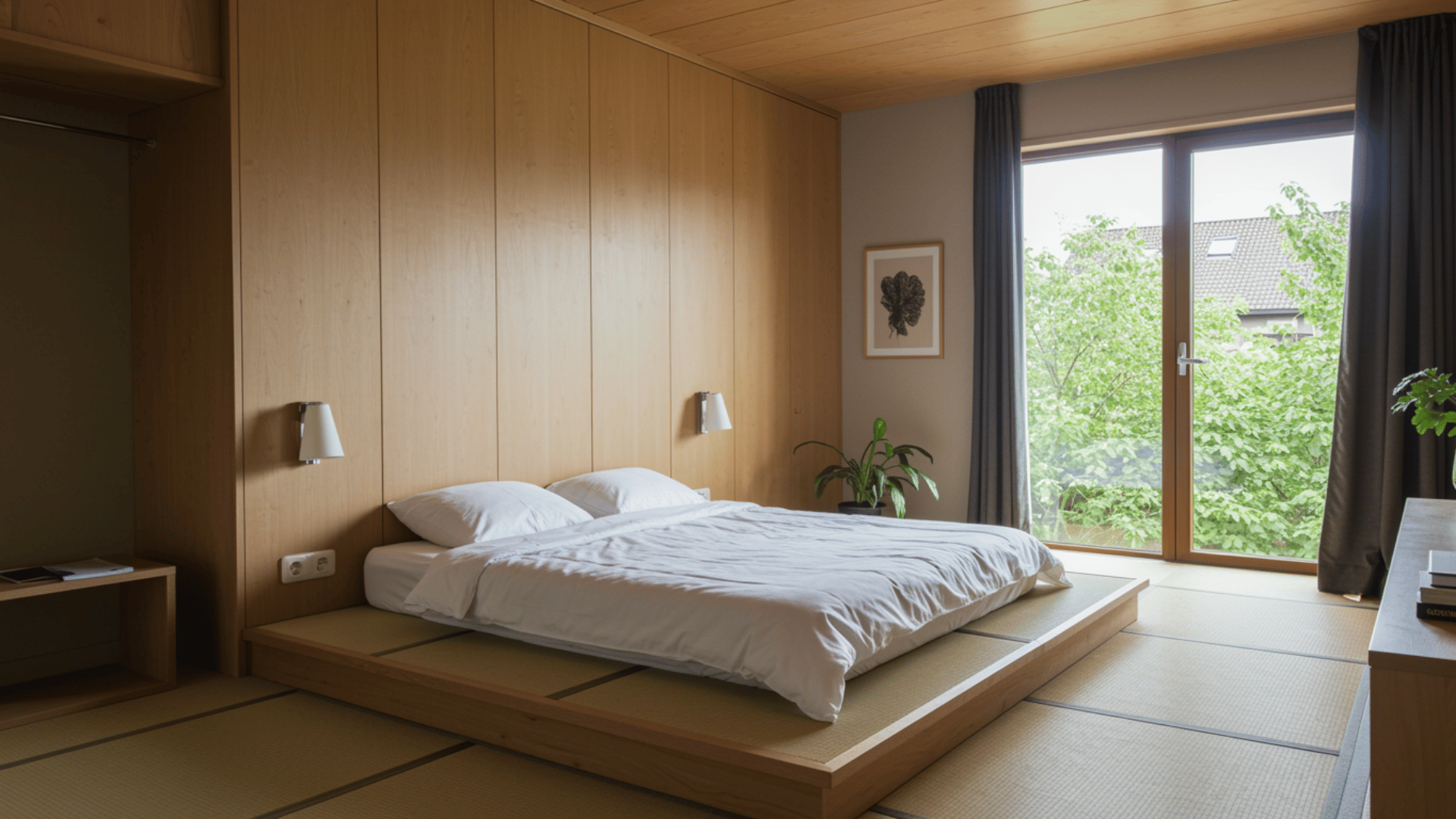
Sleeping areas embrace minimalism with low platform beds, built-in closets, and limited furniture that keeps spaces feeling open and restful.
Large windows provide natural morning light while blackout treatments offer complete darkness when needed for quality sleep throughout night hours.
Japanese bedroom ideas like futon storage, neutral colors, and creating peaceful environments that promote genuine rest and relaxation nightly.
13. Genkan Entrance Design
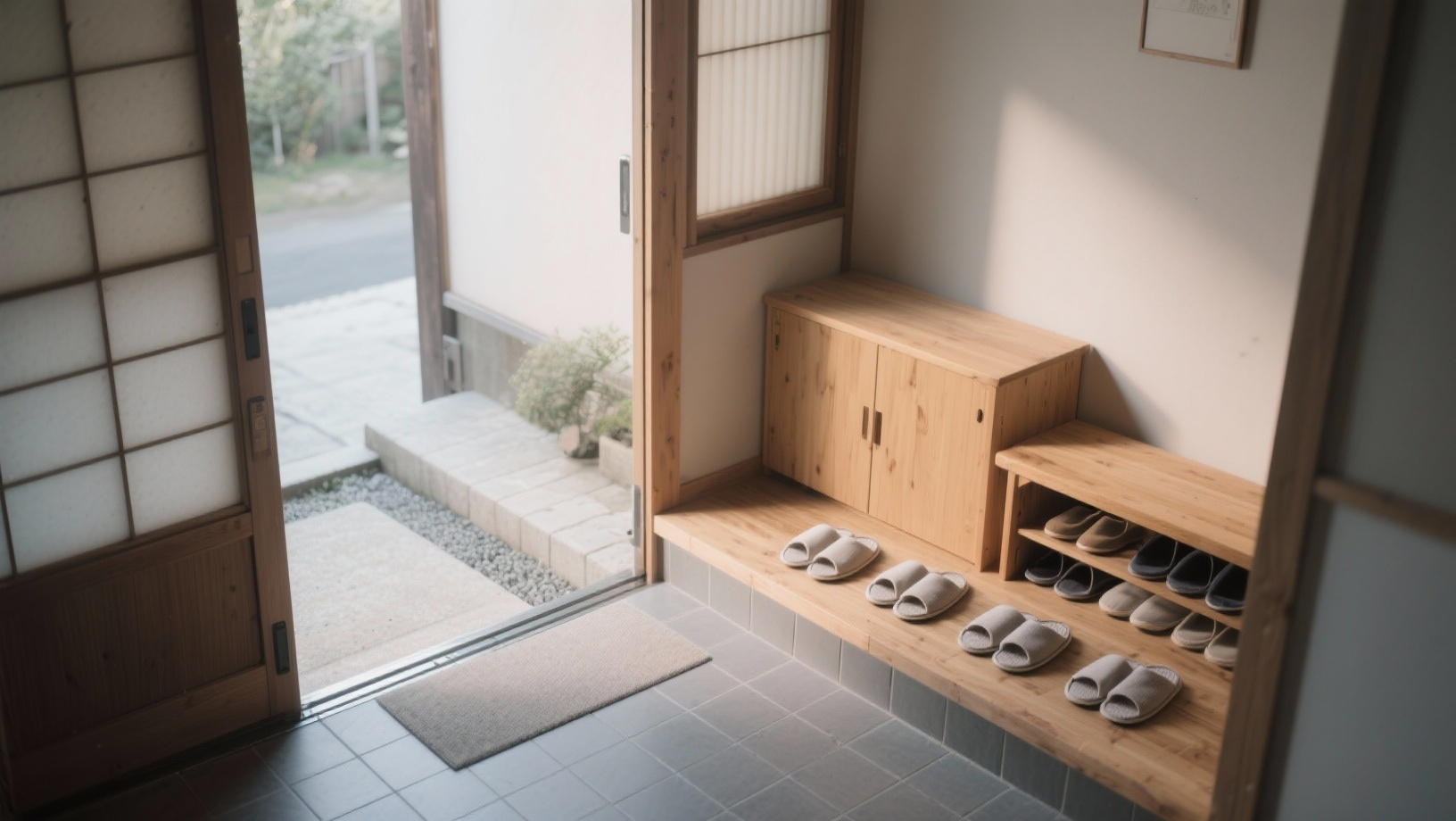
The genkan entry area maintains the traditional Japanese practice of shoe removal, creating clear transitions between outside dirt and interior cleanliness.
Built-in benches, shoe storage cabinets, and designated spaces for outdoor items keep entryways organized while establishing household routines and boundaries.
Floor level changes or material transitions clearly mark where outdoor shoes stop and indoor slippers begin, making the cultural practice obvious to visitors.
14. Home Office Integration
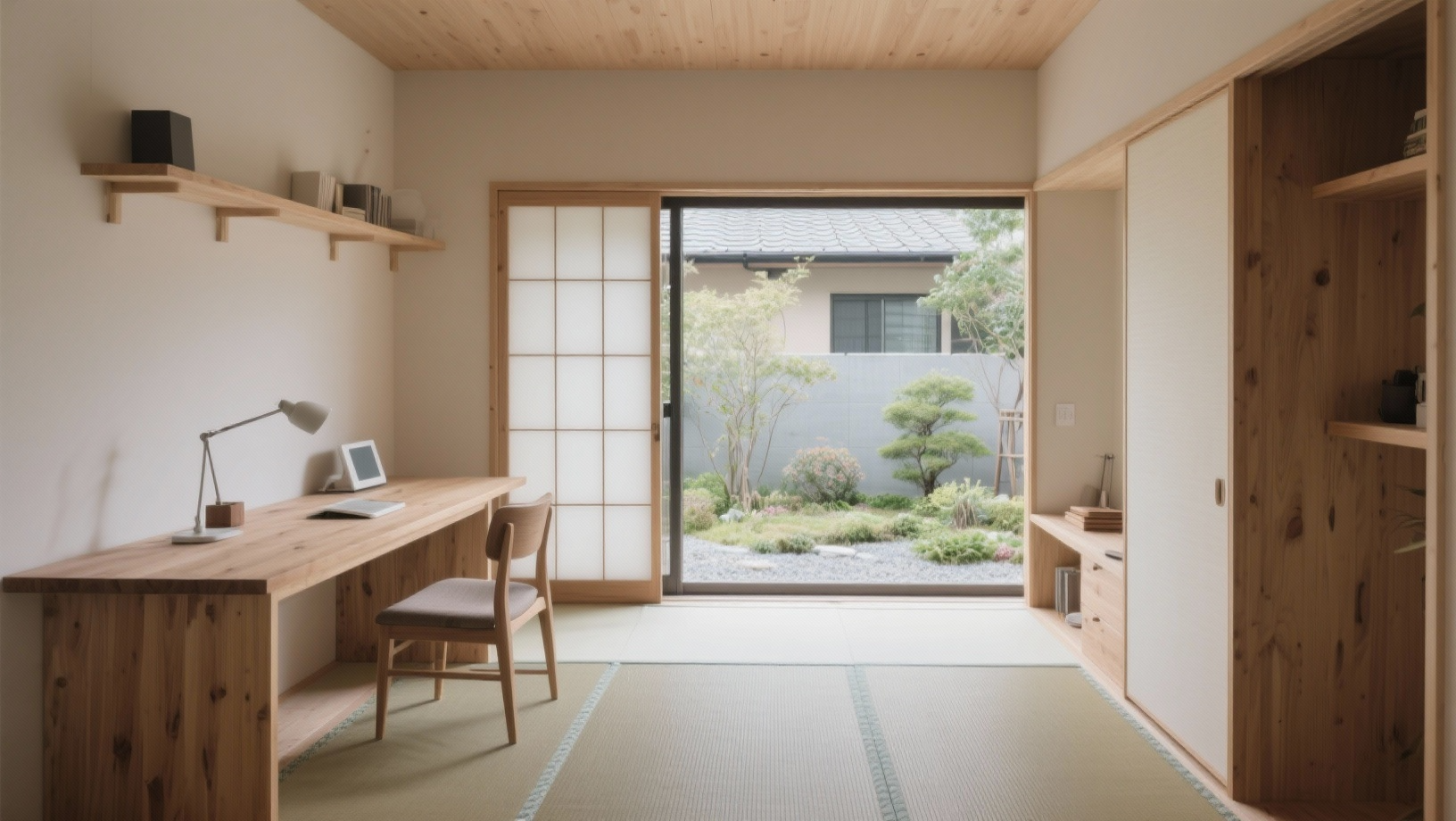
Dedicated workspaces or flexible areas accommodating desks and technology support are increasingly common in modern Japanese house layouts.
These offices often occupy alcoves, converted tatami rooms, or sections of larger spaces defined through furniture arrangement rather than permanent walls.
Natural light, views to gardens or greenery, and separation from household noise help create productive environments in residential settings.
15. Children’s Play Areas
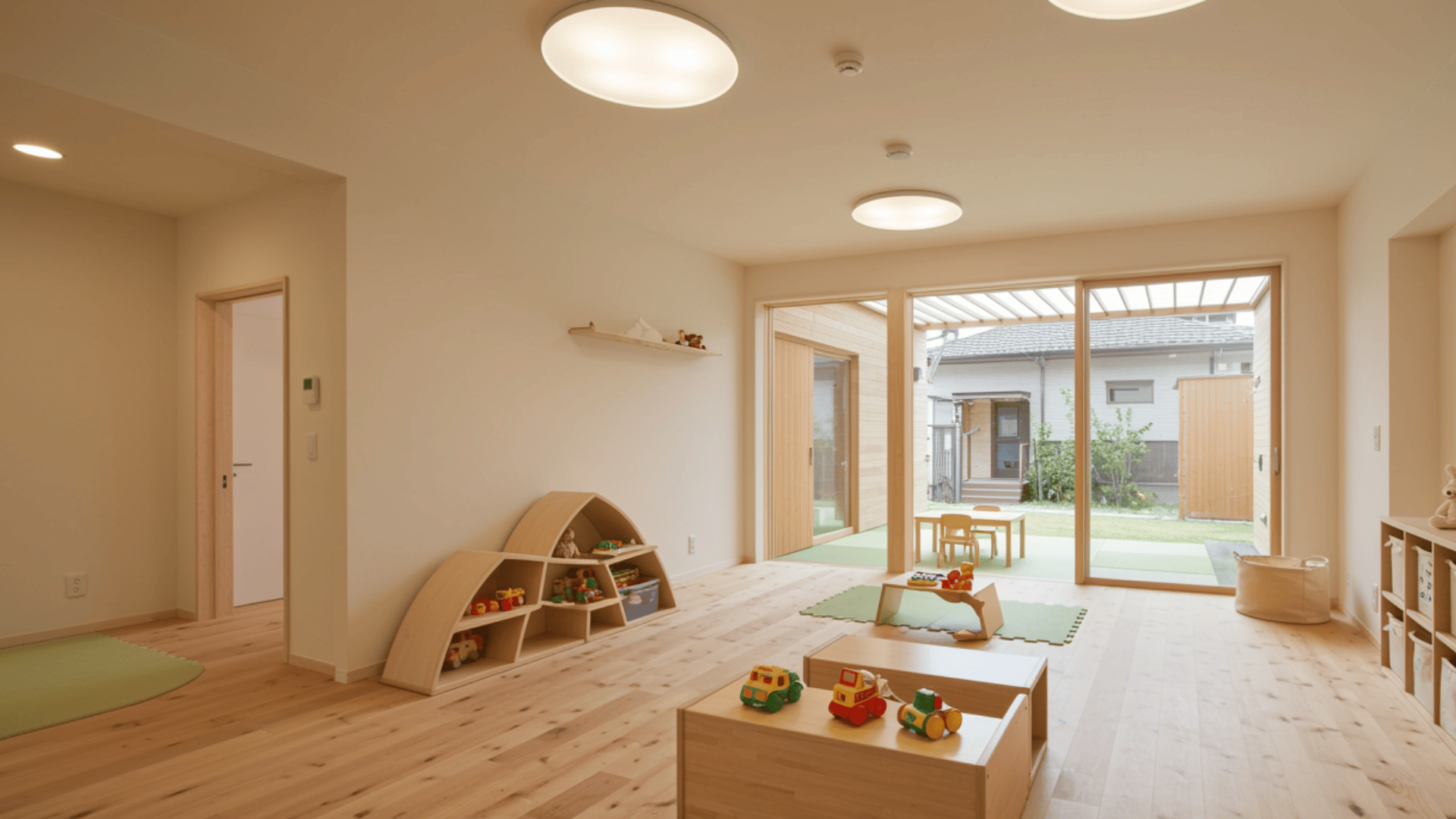
Family-friendly modern homes incorporate designated spaces where children can play, create, and make messes without disrupting adult areas or pristine minimalist style.
These zones might feature durable flooring, washable surfaces, and abundant storage for toys that disappear when not actively in use.
Large windows or connections to outdoor play areas let parents supervise while working in adjacent spaces without constant physical presence.
16. Tea Room Modernization
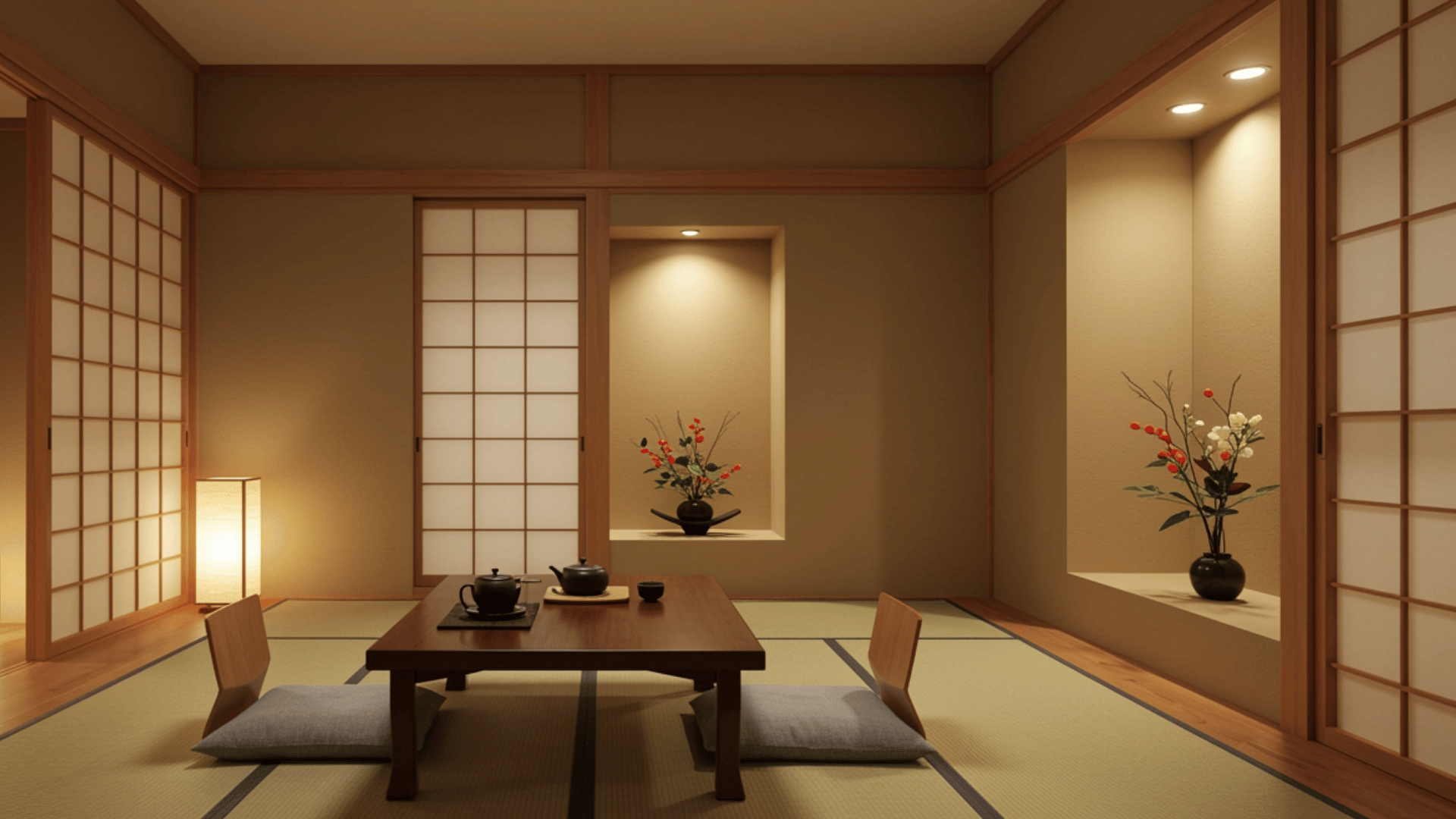
Contemporary tea rooms interpret traditional chashitsu spaces through simplified materials and forms that honor ceremonial practices within modern language.
Clean tatami or wood floors, minimal decoration, and focused lighting create contemplative environments suited to the tea ceremony or quiet meditation.
Some Japanese house designs incorporate tea rooms as multifunctional spaces serving as guest rooms, reading nooks, or yoga studios when not hosting formal ceremonies.
17. Laundry and Utility Rooms
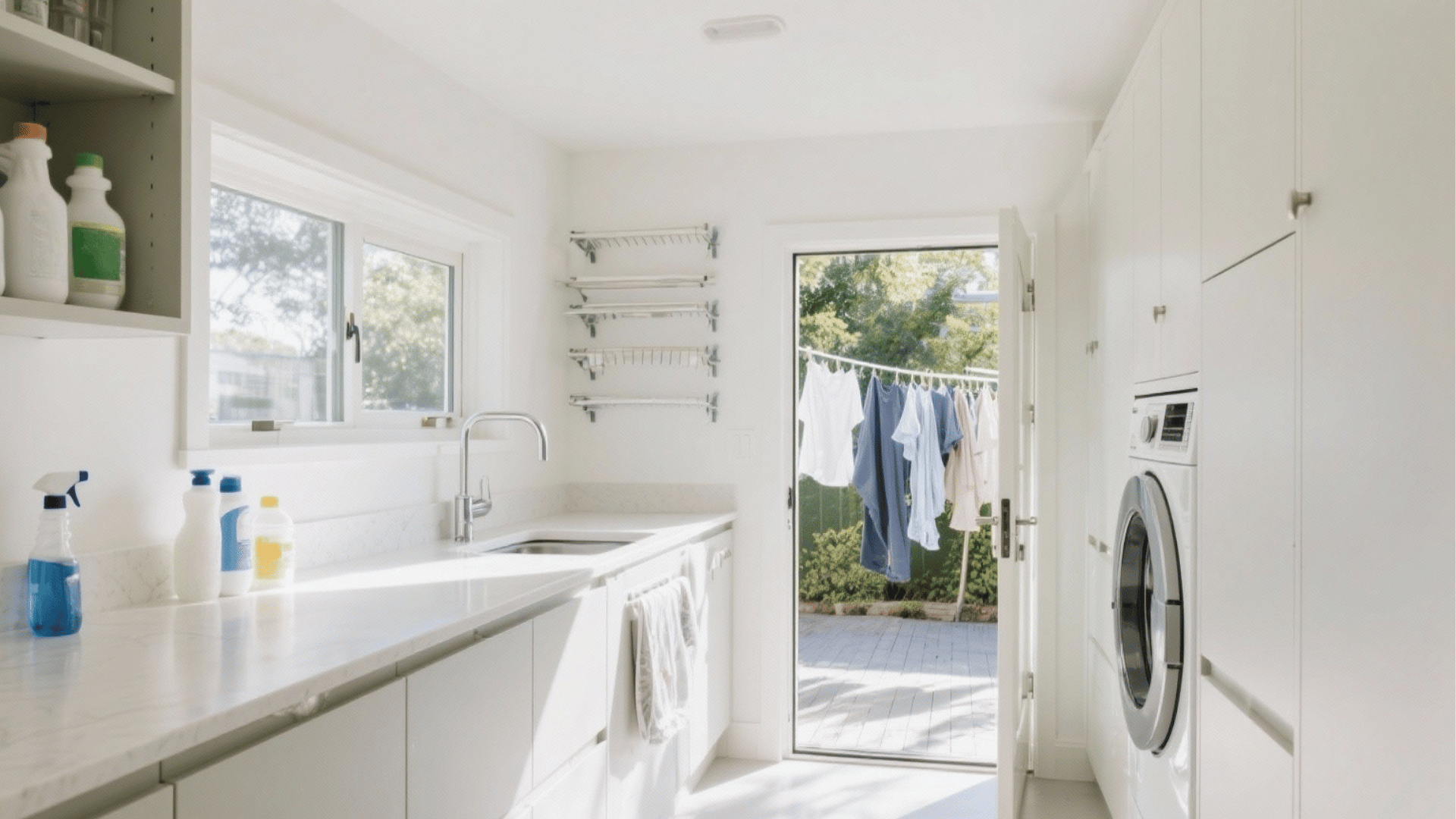
Practical service areas receive thoughtful design attention with efficient layouts, quality finishes, and natural light that make household tasks more pleasant.
Built-in drying racks, abundant counter space, and organized storage keep cleaning supplies accessible yet concealed from the main living areas effectively.
Many homes incorporate outdoor connections, allowing wet items to hang in fresh air and sunlight when weather permits, a traditional drying method.
18. Storage Room Design
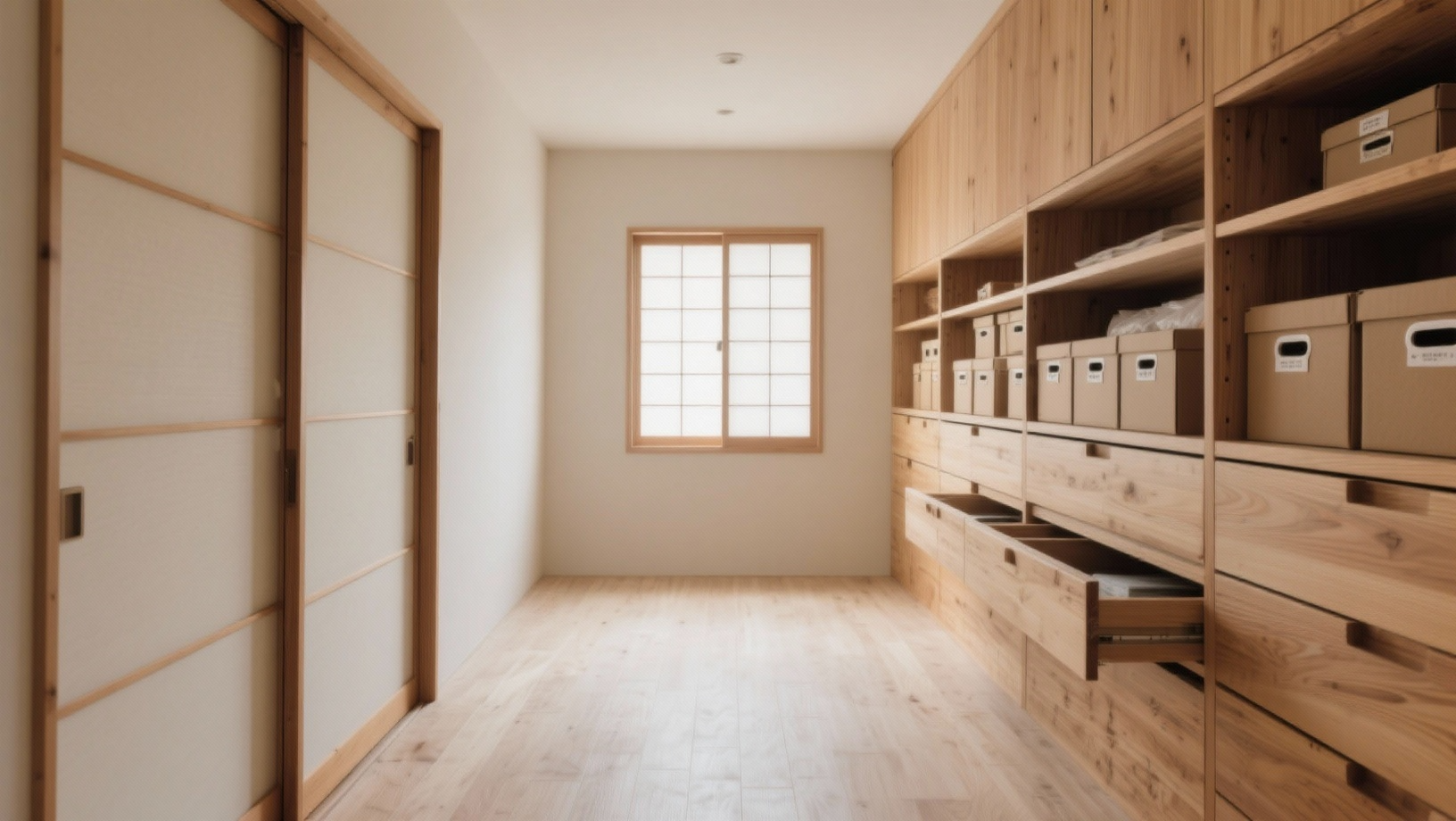
Dedicated storage rooms or extensive built-in systems keep belongings organized and out of sight, maintaining the uncluttered interiors essential to the Japanese style.
Floor-to-ceiling cabinets, pull-out drawers, and customized compartments maximize every cubic inch while keeping stored items easily accessible when needed.
Modern homes feature entire storage floors or basement levels accommodating seasonal items, sports equipment, and archived belongings without compromising living space.
19. Library or Reading Nook
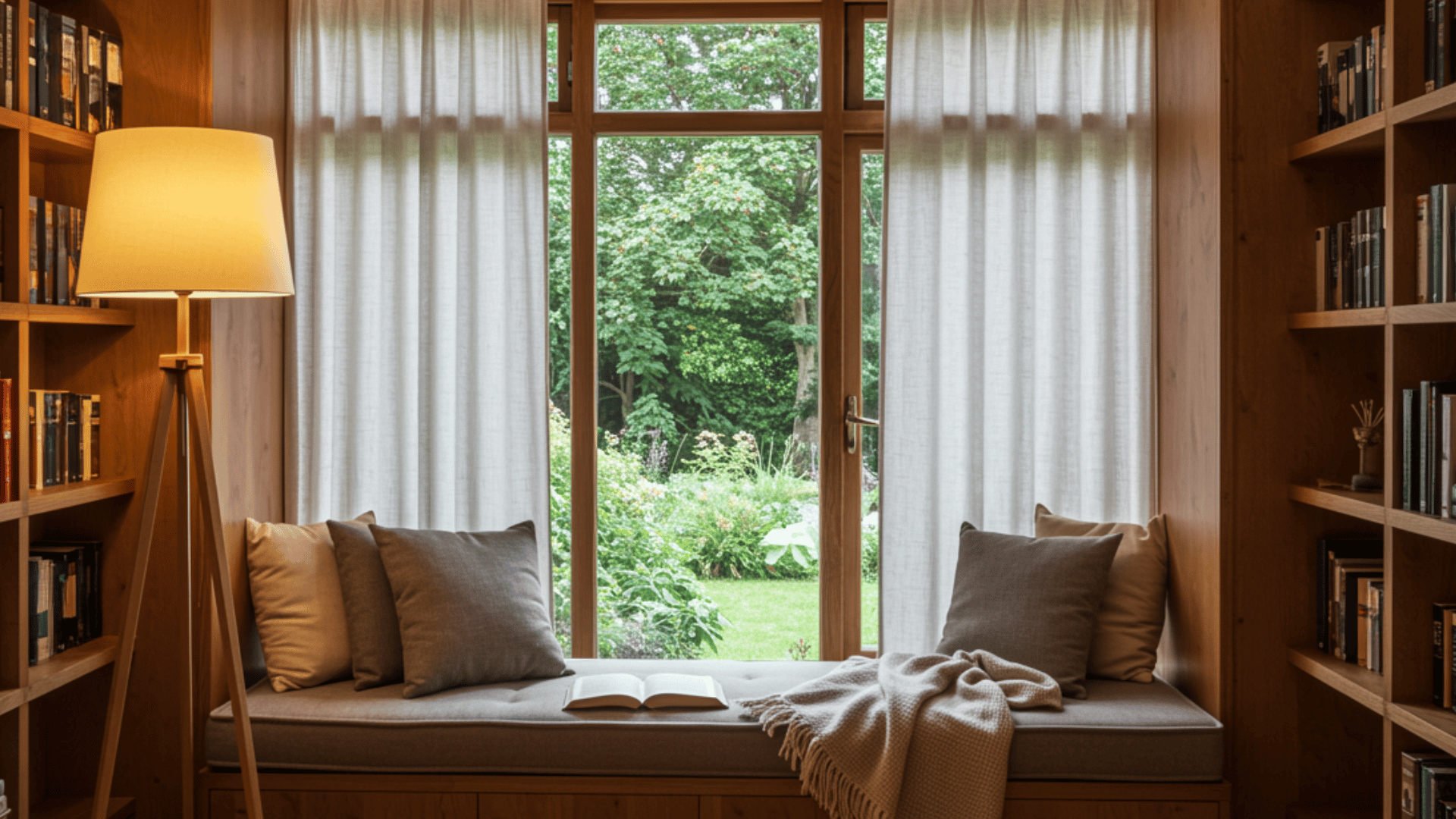
Built-in bookshelves, window seats with views, and comfortable lighting create dedicated reading spaces within larger rooms or as separate small libraries.
These quiet zones offer retreat from family activity while keeping readers connected to household life through visual or acoustic connection.
Natural wood shelving, comfortable seating, and task lighting change corners or alcoves into beloved spaces that encourage reading habits and quiet contemplation.
20. Meditation or Yoga Space
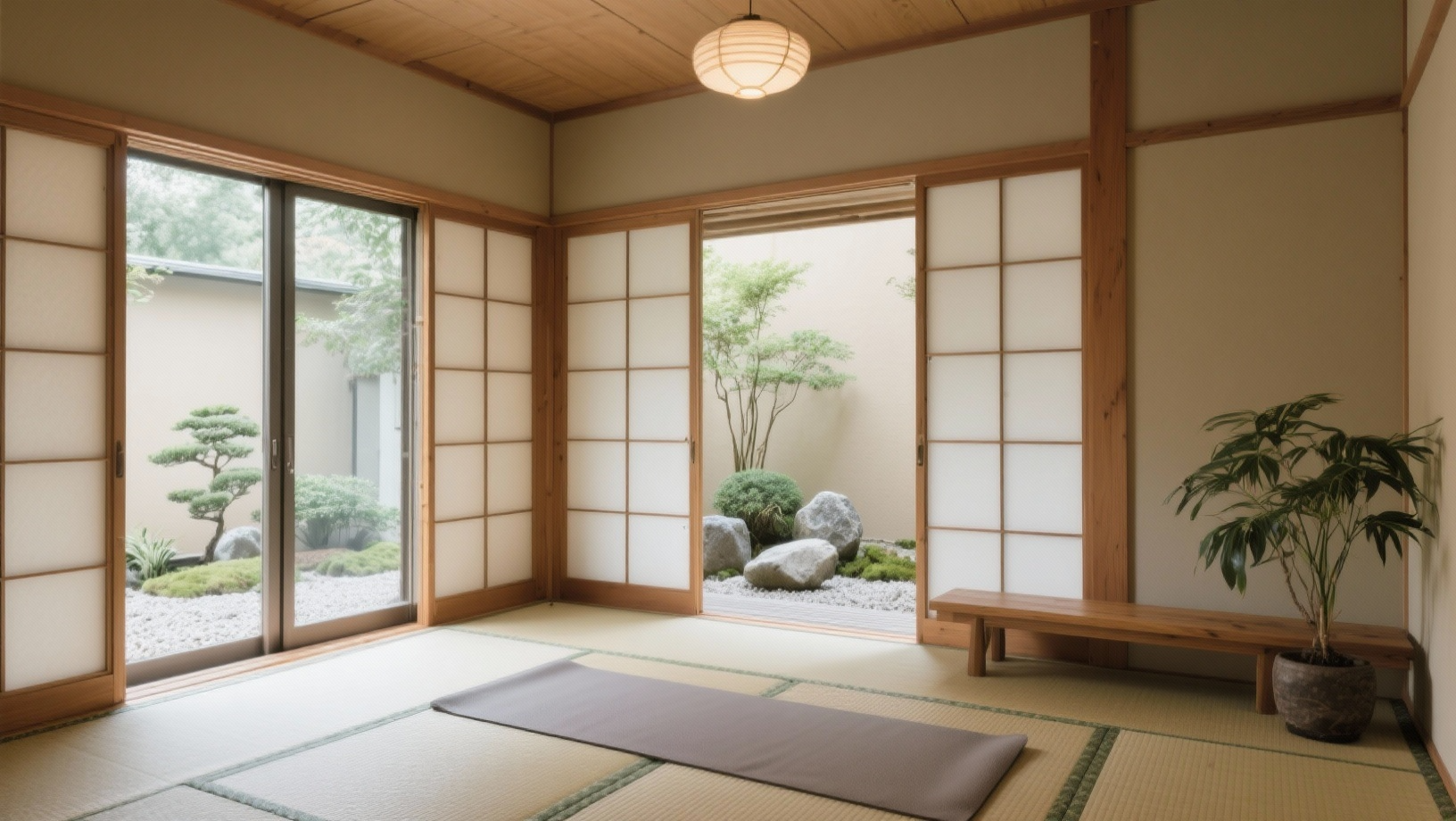
Many Japanese house designs include dedicated areas for mindfulness practices, yoga, or quiet reflection separate from daily household activity and noise.
These spaces might occupy traditional tatami rooms, converted bedrooms, or purpose-built additions featuring minimal furnishings and maximum natural light exposure.
The connection to private gardens or peaceful views supports contemplative practices while acoustically isolating practitioners from television, conversation, or kitchen sounds.
21. Multi-Generational Living Quarters
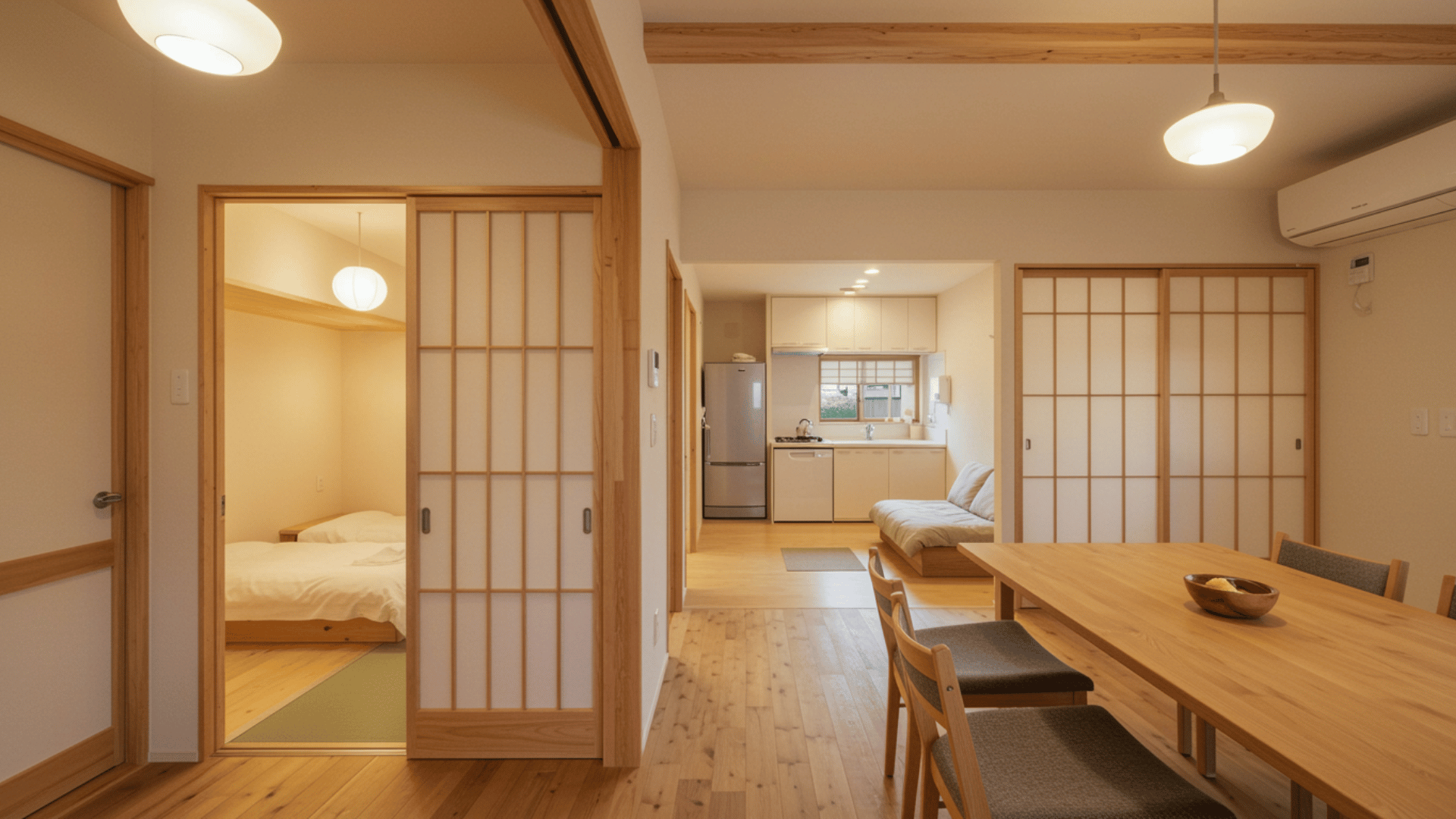
Homes designed for extended families incorporate private suites with bathrooms and small kitchenettes that offer independence while maintaining household connection and support.
These separate living areas typically occupy different floors or wings with dedicated entrances providing privacy, while shared spaces encourage regular family interaction.
The multi-generational approach reflects Japanese cultural values of caring for aging parents while acknowledging modern needs for personal space and autonomy.
Styling Tips for Modern Japanese Houses
Applying authentic Japanese design principles to your modern home creates peaceful, functional spaces that honor tradition while embracing contemporary living patterns and needs.
- Materials Priority: Use wood, stone, bamboo, and paper over synthetic materials, connecting interiors to the organic natural world.
- Neutral Color Foundation: Build palettes around whites, grays, beiges, and natural wood tones, creating calm backgrounds without visual competition.
- Flexible Space Planning: Design rooms serving multiple purposes, adapting to different activities throughout the day, seasons, and life stages.
- Indoor-Outdoor Connection: Maximize window sizes, create garden views, and blur boundaries between interior and exterior living spaces.
- Hidden Storage Solutions: Conceal belongings behind built-in cabinets, maintaining uncluttered surfaces and clean visual lines throughout the entire home.
- Quality Over Quantity: Select fewer, better-made items that last decades rather than filling spaces with disposable, temporary possessions.
How Modern Japanese Design Balances Technology and Nature
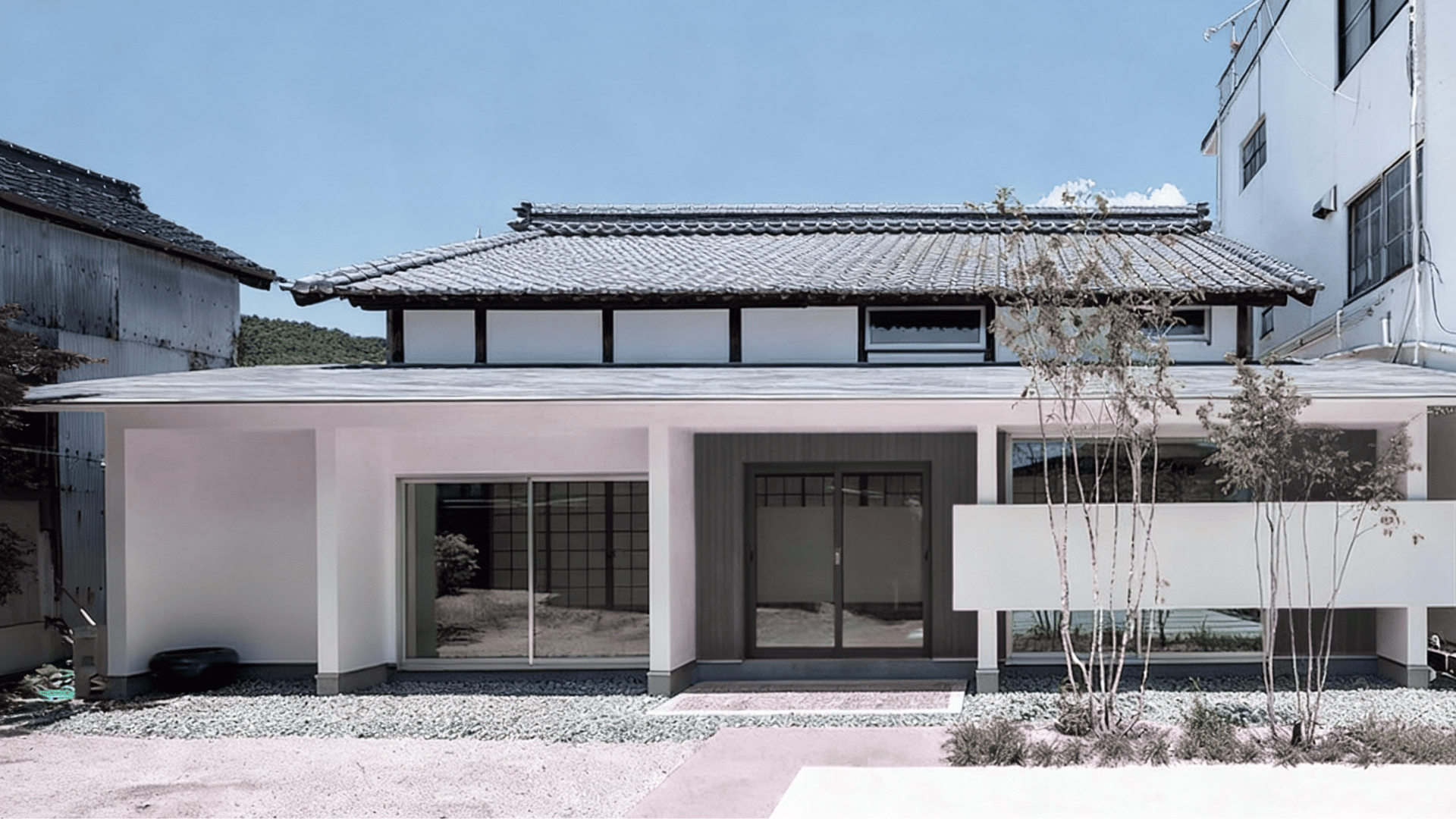
Modern Japanese house structure seamlessly integrates advanced building systems, smart home technology without sacrificing natural material warmth or traditional principles.
High-performance insulation and heat recovery ventilation hide within traditional-looking structures, providing comfort while minimizing environmental impact and operating costs.
Automated lighting, climate control, and security systems operate invisibly through smartphone apps, without visible control panels that disrupt minimalist interiors.
Design carefully position windows, eaves, and landscaping to naturally regulate temperature, light, and privacy before relying on mechanical systems as backup solutions.
Why Modern Japanese Homes Inspire the World
The global design community adapts Japanese residential design because these homes solve universal challenges through beautiful solutions that translate across contexts.
- Space Efficiency: Small footprints accommodate a full family life, teaching designers that less square footage can support comfortable living.
- Disaster Resilience: Earthquake-resistant construction and flexible structures inspire safer building practices in seismically active regions worldwide, protecting lives.
- Sustainable Practices: Material choices and long-term durability reduce environmental impact by modeling responsible residential construction approaches.
- Style Clarity: Minimal decoration creates timeless beauty that doesn’t require constant updating or trend-following, saving resources.
- Cultural Integration: Honoring tradition while embracing modernity demonstrates how design can respect heritage without becoming museum pieces or copies.
- Human-Centered Design: Prioritizing resident wellbeing over impressive appearances creates homes that genuinely improve daily life rather than just photographs.
Conclusion
Looking at modern Japanese house architecture unveils design intelligence, producing residences that balance family functionality with authentic cultural respect beautifully.
These dwellings prove innovation and tradition coexist successfully when architects skillfully reinterpret enduring principles rather than abandoning ancestral wisdom completely.
Adaptable layouts and balanced proportions yield structures that mature beautifully while accommodating evolving household requirements across generations.
Thinking about building or renovating? Consider incorporating Japanese design elements that create lasting beauty and functionality.