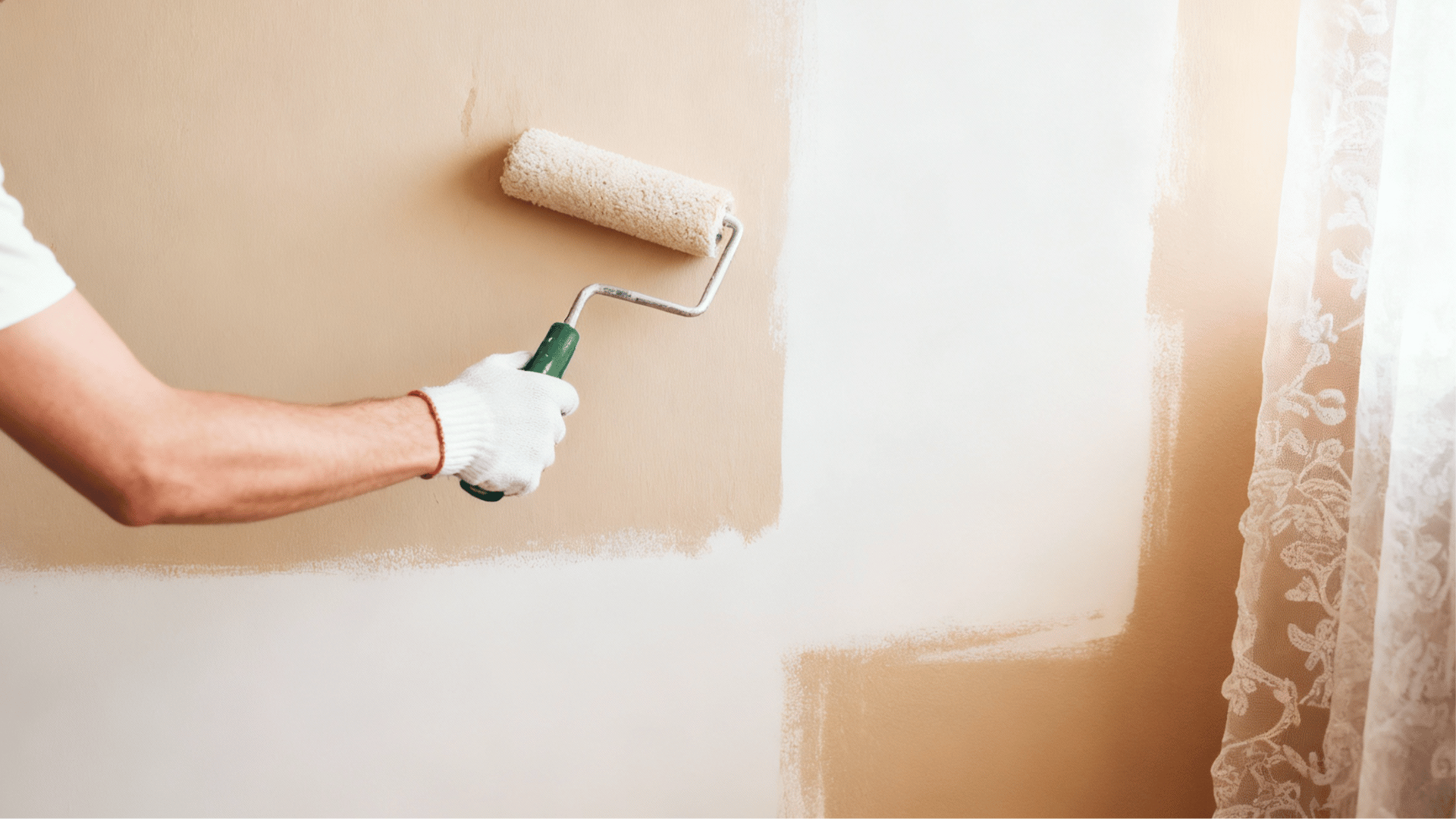
Ready to change your space with a fresh coat of paint? Before you start the next layer, understanding the right timing between coats is crucial for a smooth, professional finish.
Many rush this step, leading to streaks, peeling, or uneven surfaces. Waiting allows the first coat to dry properly so the next layer bonds effectively.
This will prevent texture issues and peeling over time. This drying period ensures strong adhesion, even coverage, and a lasting finish.
Skipping or shortening this time can cause color inconsistencies or make the paint job look patchy instead of polished.
Why Waiting Between Coats is Important?
Patience pays off when painting your walls or furniture. If you apply the second coat too soon, the wet paint underneath can lift or mix with the new layer.
This creates an uneven texture that looks bumpy and unprofessional. Proper drying time also prevents peeling down the road.
When each layer cures fully, it forms a strong bond with the surface below. Rushing between coats wastes your time and money because you might need to sand everything down.
The right waiting period ensures your paint adheres properly, covers evenly, and creates that smooth finish you want.
Taking shortcuts during this step can lead to color inconsistencies where the true shade never fully develops
Recoat Time for Water-Based Latex Paint

Water-based latex paint is popular because it dries faster than oil-based options. Most latex paints feel dry to the touch within 1 to 2 hours.
Feeling dry is not the same as being ready for another coat. For best results, wait at least 4 hours before applying your second layer.
The paint type is also important to check while waiting for recoating, especially in high-gloss latex. Here, check the drying time of the every latex paint type.
| Paint Type | Drying Time | Recoating Time |
|---|---|---|
| Flat Latex | 1-2 hours | 4 hours |
| Eggshell Latex | 1-2 hours | 4-6 hours |
| Satin Latex | 2-3 hours | 4-6 hours |
| Semi-Gloss Latex | 2-3 hours | 6 hours |
| High-Gloss Latex | 3-4 hours | 6-8 hours |
Recoat Time for Oil-Based Paint

Oil-based paint takes much longer to dry compared to latex options. You can usually touch the surface after 6 to 8 hours, but that does not mean it is ready for more paint.
Most oil-based paints need a full 24 hours before you can safely apply a second coat. Some thick or glossy formulas might even require 48 hours between layers.
The longer drying time is due to oil-based paint curing through oxidation, a slower chemical process.
Many Homeowners prefer working with oil-based products for walls or cabinets because the final result is extremely durable.
Just plan your project timeline carefully so you are not waiting around for days to finish.
Key Factors That Affect Drying and Recoat Time
Understanding what influences paint drying helps you plan more effectively and avoid delays that can disrupt your painting schedule and timeline.
- Temperature Level: Paint dries best between 50 and 85 degrees Fahrenheit; cooler temperatures slow the curing process considerably.
- Humidity Percentage: High moisture in the air significantly slows the drying process and can even prevent proper paint adhesion.
- Air Circulation: Good ventilation helps paint cure faster by removing moisture from the surface and continuously bringing in fresh, dry air.
- Paint Thickness: Applying thick coats extends drying time compared to thin, even layers because excess paint takes longer to cure completely.
- Surface Material: Porous surfaces like wood absorb paint differently than smooth drywall or metal, affecting how quickly each layer sets and bonds.
- Paint Quality: Premium paints often have better formulas that dry more consistently and evenly, providing superior coverage with fewer coats.
How to Check if the Paint is Ready for Another Coat

Learning to check if paint has dried properly saves you from costly mistakes. Start by looking at the surface from different angles under good lighting.
The paint should have a uniform appearance without any dark, wet-looking spots. Next, lightly touch a hidden area with your fingertip.
The surface should feel completely dry, with no tackiness or stickiness. If your finger leaves a mark or picks up any color, wait longer before adding another layer.
Some painters use the backs of their hands instead of their fingertips because it is less likely to leave oil on the surface.
Remember that knowing how long to wait between coats of paint is just the starting point. Always verify with these simple tests.
Tips for Drying the Coats Faster
Speed up your painting timeline with these practical methods that help paint dry faster without compromising the quality of your finish.
- Increase Airflow: Open windows and use fans to create cross-ventilation throughout the room, which helps evaporate moisture from the paint surface more quickly.
- Control Temperature: Keep the space between 70 and 75 degrees for optimal drying conditions; warmer air helps the paint cure faster.
- Apply Thin: Use multiple thin coats instead of a single thick application for faster results, as thin layers expose more surface area to air.
- Reduce Humidity: Run a dehumidifier in damp conditions to pull moisture from the air, creating a drier environment that speeds up the entire curing process.
- Choose Fast-Dry: Select paint formulas designed to dry faster than standard options, featuring special additives that accelerate the drying chemical reactions.
- Proper Tools: Use high-quality brushes and rollers that apply smooth, thin layers without excess paint, ensuring even coverage that dries uniformly across the entire surface.
Conclusion
Mastering the proper waiting time between paint coats changes your projects from amateur to professional quality. Patience between coats pays off with the best finish.
Always read the manufacturer’s instructions on your specific paint can and perform a touch test before proceeding.
With these tips and a better sense of timing, you can tackle any painting task better. planning and fewer setbacks.
Start your changing today and watch your space come to life with a perfect, durable finish that stands the test of time.